
Selecting the right sports ankle brace support is a highly individual decision that directly affects your comfort, mobility, and joint stability. Whether you are recovering from a recent lateral sprain on the basketball court or trying to prevent chronic instability during trail runs, the right brace must match your specific movement patterns. A mismatch can lead to restricted agility, skin irritation from trapped moisture, or inadequate joint protection. By understanding how different brace structures interact with your body and your sport, you can make an informed choice that keeps you active and protected.
Assess Your Ankle Support Needs and Injury History
Before browsing online marketplaces or visiting a local sporting goods store, you must evaluate your current physical condition and athletic goals. Ankle braces generally serve two distinct purposes: prophylactic (preventive) use and rehabilitative (post-injury) use. If you have structurally sound ankles but participate in high-risk sports with frequent jumping and cutting, a preventive brace can offer peace of mind and light structural reinforcement. However, if you are returning to play after a ligament tear or suffer from chronic joint laxity, your requirements will lean heavily toward mechanical restriction and joint stabilization.
It is vital to recognize when self-treatment is insufficient. If you experience severe pain, immediate swelling, an inability to bear weight, or visible joint deformity, you must seek a professional medical diagnosis before purchasing any support gear. A sports ankle brace support is designed to assist recovery and protect stable joints, but it cannot repair torn ligaments or stabilize fractured bones on its own. Your personal history of sprains, current pain levels, and the specific recommendations of your physical therapist should form the foundation of your selection process.
Products mentioned in this guide
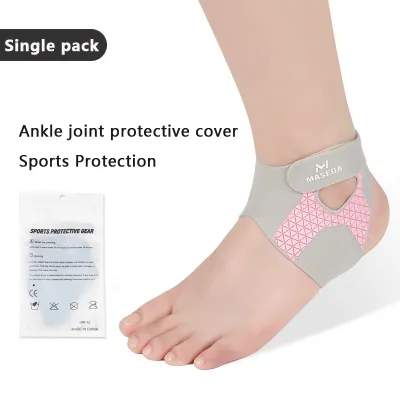
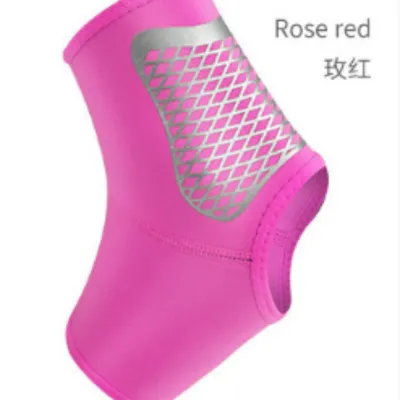
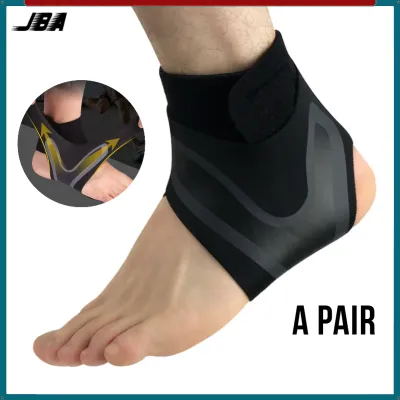
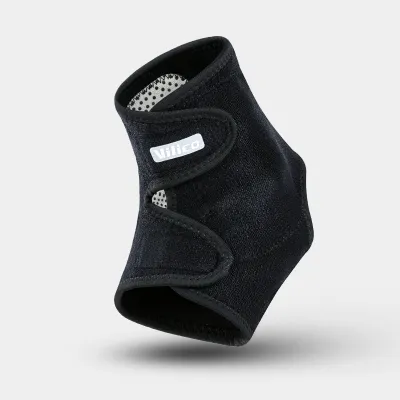
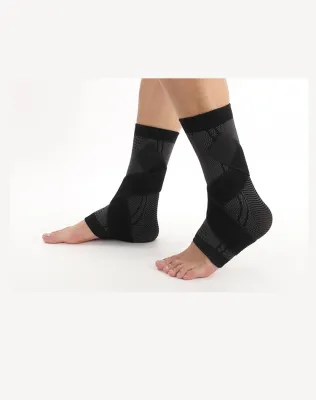
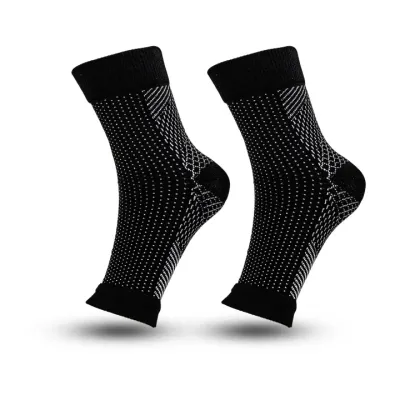
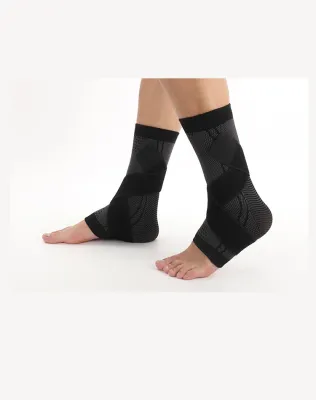
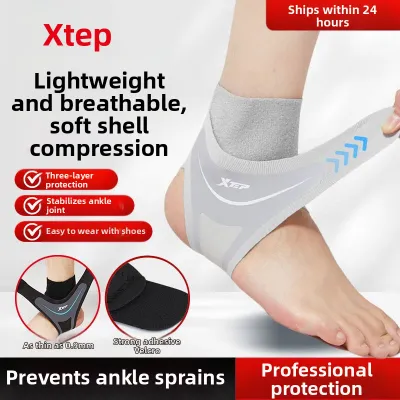
Prices are valid at publication and may change. Please refer to the product page for the latest price.
Compare the Main Types of Ankle Braces
Ankle braces exist on a spectrum from highly flexible sleeves to rigid, hard-shell stabilizers. As a general rule, as the level of mechanical support increases, the brace becomes bulkier and restricts your natural range of motion more significantly. Finding the right balance requires analyzing the materials and structural designs of each category. When shopping, always verify material claims—such as moisture-wicking properties, breathability, and anti-odor treatments—directly on the product packaging or manufacturer specifications, especially when playing in hot and humid tropical climates.

Compression Sleeves
Compression sleeves represent the most flexible option on the market. Typically made from elastic, neoprene, or knit fabrics, these sleeves slip over the foot to provide mild compression, localized warmth, and enhanced proprioception—the body’s awareness of joint position in space. While they are excellent for managing minor swelling and providing psychological reassurance during low-impact activities, they do not offer mechanical resistance against rolling or twisting. When choosing a compression sleeve, check the manufacturer’s sizing chart carefully to ensure a snug fit that does not restrict blood flow or cause discomfort around your toes.
Lace-Up and Strap Braces
Lace-up and strap braces offer moderate, highly customizable support by mimicking the structural effects of professional athletic taping. These designs typically feature a lace-up front combined with figure-eight or stirrup straps that wrap around the ankle to lock the heel in place. This configuration allows you to adjust the tension dynamically based on your current level of swelling or the intensity of your workout. Because fabric and straps can stretch slightly during vigorous movement, you should expect to perform periodic readjustments during prolonged training sessions to maintain consistent support.
Rigid and Hinged Braces
Rigid and hinged braces provide the highest level of mechanical restriction, utilizing hard plastic or composite shells to block extreme lateral movements like inversion and eversion. Many of these designs incorporate a hinge near the ankle joint, allowing natural forward and backward bending (plantarflexion and dorsiflexion) while strictly preventing the ankle from rolling outward or inward. These braces are typically recommended for athletes managing severe joint instability or transitioning back to sports after major injuries. Because they significantly alter lower-limb biomechanics, you should obtain clearance from a healthcare provider to ensure they do not place undue stress on your knees or hips.
Match the Brace Profile to Your Sport's Demands
Different athletic activities place unique physical demands on your lower limbs, meaning a brace that works well for one sport might hinder you in another. High-impact court sports, such as basketball, volleyball, and badminton, involve rapid lateral cutting, sudden stops, and frequent jumping. These movements subject the ankle to intense lateral forces, often requiring moderate to high-profile lace-up or hinged braces to prevent inversion injuries.
Conversely, field and running sports like soccer, rugby, and track and field prioritize speed, agility, and precise foot-to-ball contact. For these activities, bulky braces can interfere with your footwear, particularly tight-fitting cleats or lightweight running shoes. Athletes in these disciplines often opt for low-profile strap designs or high-performance compression sleeves that fit comfortably inside their shoes without creating painful pressure points.
Additionally, if you participate in organized contact sports, you must verify league regulations regarding protective gear. Many sports associations prohibit braces with exposed hard plastic, metal hinges, or sharp buckles to protect other players from impact injuries. In such cases, you will need to select a rigid brace that features a soft fabric overlay or choose a heavy-duty lace-up model that meets safety compliance guidelines.
Measure and Size Your Ankle Brace Correctly
An improperly fitted sports ankle brace support can cause discomfort, leading to skin chafing, restricted circulation, or a complete failure to stabilize the joint. To find your correct size, always follow the specific measurement instructions provided by the manufacturer, as sizing standards vary widely between brands. Some brands require you to measure the circumference of your ankle directly over the ankle bones (malleolus), while others base their sizing on your standard shoe size or the circumference of your lower calf.
When taking these measurements, always account for the thickness of the athletic socks you plan to wear during your sport. A brace measured on a bare foot may feel excessively tight and restrictive once paired with thick, moisture-wicking sports socks. If your measurements fall between two sizes, consider the primary goal of the brace: a smaller size typically offers tighter support but may cause discomfort, while a larger size provides more comfort but might slip during high-intensity movements. Finally, when purchasing from online marketplaces, verify the seller’s return and exchange policies so you can easily swap the brace if the initial fit is incorrect. When budgeting for a high-quality brace on local online marketplaces, prices can range from under ₱500 for basic sleeves to over ₱2,500 for advanced rigid stabilizers.
Test the Fit and Recognize When to Stop
Once your brace arrives, you must conduct a systematic fit test in a controlled environment before wearing it during a competitive match or intense training session. Put on your athletic socks, lace up your shoes, and secure the brace according to the manufacturer’s instructions. Begin with gentle movements, such as walking and light stretching, before progressing to sport-specific drills like jogging, jumping, and lateral cutting. The brace should feel secure and supportive without shifting out of place or digging into your skin.
During this test, pay close attention to physical warning signs that indicate an improper fit. If you experience numbness, tingling, cold toes, or a throbbing sensation, the brace is likely too tight and is restricting your blood flow. Excessive rubbing, pinching, or the formation of red marks on your skin suggests that the brace is either the wrong size or poorly positioned.
You must stop using the brace immediately and consult a healthcare professional if your joint pain increases during use, if the brace constantly shifts and fails to hold your ankle stable, or if you develop skin irritation, blisters, or allergic reactions to the materials. Remember that protective equipment is a supportive tool, and it should never be used to mask severe pain or force an injured joint to perform beyond its safe physical limits.
Frequently Asked Questions (FAQ)
Can I wear an ankle brace on both ankles at the same time?
Yes, you can wear braces on both ankles simultaneously, especially if you participate in high-impact sports where bilateral protection is desired. Wearing dual braces can help maintain movement symmetry, preventing you from overcompensating on one side and altering your running gait. However, adding braces to both feet will increase the bulk inside your shoes, which may require you to adjust your footwear or choose lower-profile models. If you suffer from chronic instability in both ankles, consult a physical therapist to ensure bilateral bracing is the right strategy for your specific biomechanics.
How do I clean and maintain my sports ankle brace?
Proper maintenance is essential to preserve the structural integrity and hygiene of your brace, particularly in hot, humid climates where sweat and bacteria accumulate rapidly. Always refer to the manufacturer’s care label for specific washing instructions. Most fabric and neoprene braces should be hand-washed in cold water using a mild detergent, as machine washing and harsh detergents can degrade elastic fibers and weaken hook-and-loop fasteners. After washing, air-dry the brace completely in a well-ventilated area away from direct sunlight and high heat sources, which can warp plastic components and ruin elastic materials. Regularly inspect the straps, seams, and hinges for signs of wear, and replace the brace if you notice frayed fabric or compromised support.
Will wearing an ankle brace weaken my ankle muscles over time?
There is a common concern that relying on an ankle brace will cause muscle atrophy and joint dependency. While a brace limits extreme ranges of motion to prevent injury, research suggests that active movement during sports still engages the surrounding muscles. However, a brace should never be used as a permanent substitute for active rehabilitation. To maintain long-term joint health, you must combine brace use with targeted ankle-strengthening exercises, balance training, and flexibility drills. Consult a sports medicine professional or physical therapist to design a comprehensive rehabilitation plan that gradually transitions you away from heavy support as your natural joint strength improves.
Community discussion
Share your experience or ask a question. Comments are reviewed before publication.