
To fit a stepper into a small condo without blocking walkways, you must account for both its static storage footprint and its dynamic usage footprint. A compact mini stepper typically requires a static footprint of just 1 to 1.5 square feet, while a standard upright model can occupy up to 6 square feet of dedicated floor space. However, the true space requirement includes the active clearance zone around the machine, which ensures your limbs do not strike walls or furniture during a high-intensity workout.
Balancing fitness goals with the spatial constraints of modern condo living requires a methodical approach to measurement and layout planning. In high-density urban areas where every square meter is valuable, selecting fitness equipment that harmonizes with your daily traffic patterns is essential for maintaining a comfortable, clutter-free home. By evaluating your specific spatial limits and matching them to the right equipment design, you can establish an effective workout routine without sacrificing your living space.
Assessing Your Condo Space and Clearance Needs
Before browsing online marketplaces for fitness equipment, you must establish a clear understanding of your available physical space. This process begins by distinguishing between static storage space and dynamic usage space. Static space is simply where the machine sits when it is turned off and tucked away, whereas dynamic space accounts for the full range of motion of both the machine and your body during exercise.
Products mentioned in this guide
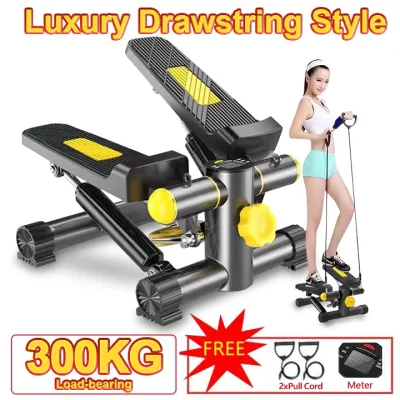
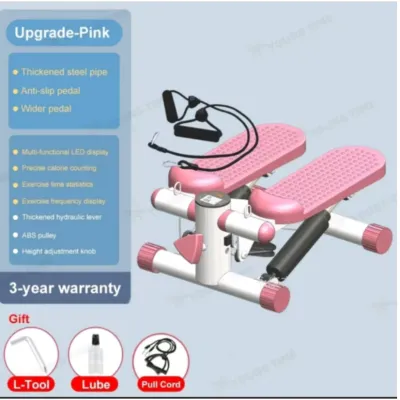
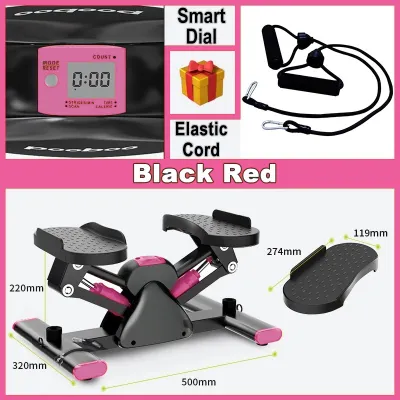
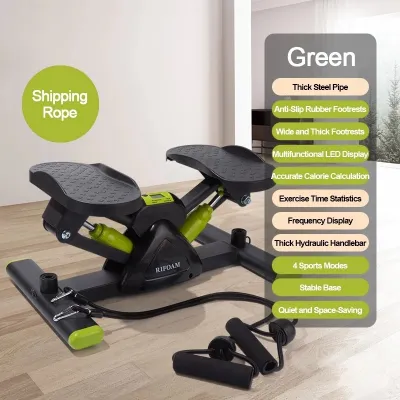
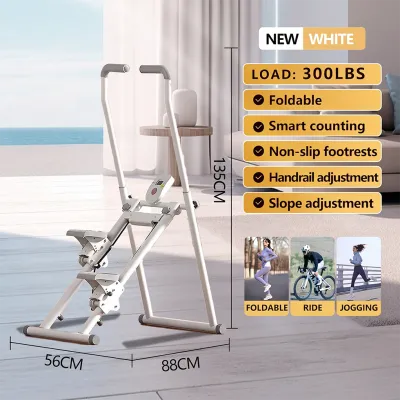
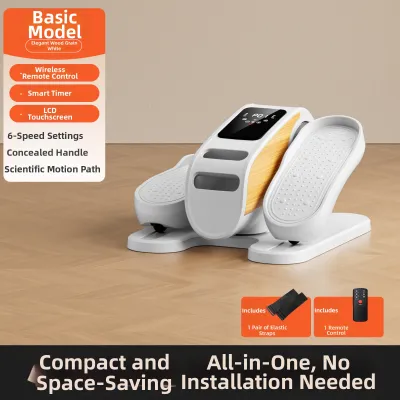
Prices are valid at publication and may change. Please refer to the product page for the latest price.
When you use a stepper, your body does not remain perfectly stationary within the machine’s physical frame. Your hips sway slightly, your elbows flare outward for balance, and your torso may lean forward depending on your stepping style. To accommodate these natural movements safely, plan for a minimum clearance zone of 2 feet on all active sides of the equipment. This buffer zone prevents your arms or shoulders from colliding with nearby walls, bookshelves, or delicate home decor.
Walkway widths and daily traffic patterns require careful preservation to maintain a functional home environment. Standard residential corridors and pathways between rooms should ideally maintain an unobstructed width of at least 30 to 36 inches. Placing a stepper in a position that narrows these pathways makes daily movement frustrating and increases the risk of painful stubbed toes or accidental trips.
In addition to horizontal pathways, you must evaluate the swing paths of doors, wardrobes, and cabinet drawers. A stepper positioned too close to a closet door can restrict access to your clothing, forcing you to constantly shift heavy equipment just to get dressed. Ensure that all doors in the vicinity can open to their full radius without making contact with your exercise setup.
Vertical clearance is another critical factor that condo dwellers frequently overlook. Unlike flat treadmills, steppers elevate your entire body as you climb, bringing your head significantly closer to the ceiling. To calculate your required overhead clearance, add your physical height to the maximum pedal height of the stepper at its highest point of elevation, then add an extra 6 inches of safety clearance. If your condo features low ceilings, dropped soffits for air conditioning ducts, or low-hanging light fixtures, this calculation is vital to prevent head injuries.
Comparing Stepper Types and Their Spatial Footprints
Steppers come in several distinct designs, each offering a different balance of stability, workout intensity, and spatial requirements. Understanding these differences allows you to select a model that aligns with your fitness level and your condo’s layout.

Mini steppers represent the most space-efficient category available, making them highly popular for compact apartments. These units typically feature a simple base with two pedals and hydraulic resistance cylinders, occupying a tiny footprint of roughly 12 by 16 inches. Because of their lightweight design, they can be easily picked up and slid under a bed, placed inside a wardrobe, or tucked under a desk when your workout is complete. However, because they lack handlebars, they require a higher degree of core stability and balance from the user. It is also essential to verify the manufacturer’s weight capacity and base stability, as smaller frames can sometimes rock if used on uneven surfaces.
Standard upright steppers offer a more traditional gym experience, featuring sturdy frames, built-in handlebars, and often electronic consoles to track your progress. These machines provide excellent stability and support, making them suitable for longer, more intense cardio sessions or for users who require hand support for balance. The trade-off is their substantial spatial demand, as they generally require a permanent floor area of about 2 by 3 feet and cannot be easily disassembled or hidden away. An upright model essentially becomes a permanent piece of furniture, meaning you must have a dedicated corner or a designated home gym zone to accommodate it without disrupting your room’s flow.
Folding or collapsible steppers attempt to offer the best of both worlds by combining the stability of handlebars with a frame that can be stored away. When unfolded for use, they occupy a footprint similar to standard upright models, but they feature hinge points and locking pins that allow the frame to fold relatively flat. This allows you to lean the folded machine against a wall or store it inside a utility closet. When considering a folding model, it is crucial to research the ease of the folding mechanism, the physical effort required to collapse the frame, and the exact folded dimensions to ensure it actually fits into your intended storage space.
Planning a Layout That Keeps Walkways Clear
Integrating a stepper into a small condo requires strategic placement that respects the natural flow of your household. The goal is to create an inviting workout space that does not interfere with your daily domestic routines.
Utilizing low-traffic zones is an excellent way to keep your main living areas feeling spacious. Look for underutilized corners, structural alcoves, or the dead space directly behind a door that typically remains open. These areas naturally sit outside the primary pathways of your home, allowing you to leave your equipment set up without creating an obstacle. When placing a stepper in a corner, ensure there is still adequate air circulation, especially in warm, tropical climates where indoor spaces can quickly become humid and stuffy during exercise. If your stepper features an electronic console that requires mains power, position it close to an outlet to avoid stretching power cords across walking paths.
Conversely, you must strictly avoid placing fitness equipment in high-traffic transition zones. The pathways connecting your kitchen, living room, bathroom, and bedroom must remain completely unobstructed. Placing a stepper in these areas creates a constant physical hazard, particularly during nighttime hours when visibility is reduced. Emergency exit routes, such as the path leading directly to your main entrance or balcony exit, must never be blocked under any circumstances.
Condo living also demands consideration for your neighbors, as mechanical noise and vibrations can easily travel through concrete floors. The repetitive downward impact of stepping can create low-frequency vibrations that disturb residents living directly below you. To mitigate this, plan space for a high-density exercise mat beneath your stepper. A quality mat not only dampens sound and absorbs vibrations but also protects your flooring from scratches, indentations, and sweat. Remember to factor the dimensions of the mat into your layout planning, as the mat must lie completely flat on the floor without curling up against walls or furniture.
Final Pre-Purchase Checklist for Compact Spaces
Before committing to a purchase, conducting a final physical verification prevents costly return shipping and layout headaches. Use this practical checklist to ensure your chosen stepper is a perfect match for your condo.
- Verify Manufacturer Dimensions: Do not rely on promotional photos or general category estimates. Always locate the exact product dimensions (length, width, and height) on the manufacturer's official specification sheet. Use a physical tape measure to map out these exact dimensions on your floor before ordering.
- Check Unit Weight and Portability: Review the physical weight of the stepper. If you plan to move the machine frequently between a storage closet and your workout spot, look for models equipped with built-in transport wheels or integrated carrying handles. Attempting to carry a heavy, awkward frame without these features can lead to back strain and discourage regular use.
- Review Clearance and Surface Requirements: Check the user manual for any specific clearance recommendations or floor surface requirements. Some steppers require a completely level, hard surface to operate safely and prevent rocking, while others may have specific weight limits that you must verify against your own body weight.
Frequently Asked Questions (FAQ)
Can I keep my stepper on a balcony or near a window?
Storing or using your stepper on an open balcony or directly next to a window is generally not recommended due to environmental risks. In tropical climates, high humidity, salt air, and sudden rain showers can rapidly corrode metal frames, rust internal springs, and damage sensitive electronic consoles. Direct sunlight streaming through a window can also warp plastic components and dry out essential lubricants within the machine’s joints. Always consult the manufacturer’s care instructions and warranty terms, as damage resulting from exposure to outdoor elements or high humidity is rarely covered under standard warranties.
Do I need an exercise mat under my stepper in a condo?
Yes, placing a high-density exercise mat under your stepper is highly recommended for condo living. The mat serves a vital dual purpose: it protects your delicate flooring—such as hardwood, laminate, or vinyl—from scratches, dents, and sweat stains, while significantly reducing the transmission of mechanical noise and vibrations to the neighbors living directly below you. Investing in a quality mat, which typically costs around ₱800 to ₱2,000 in local fitness stores, is a small price to pay for peace of mind. When planning your layout, ensure you measure the mat itself, as it must lie completely flat on the floor without curling up against baseboards or furniture legs to prevent tripping hazards.
Community discussion
Share your experience or ask a question. Comments are reviewed before publication.