
Selecting the right surfboard for a trip to Siargao requires balancing your personal surfing ability with the unique characteristics of the island’s famous wave breaks. Because the coastline features a mix of sharp, shallow coral reefs and more forgiving sandy beach entries, a single board design rarely suits every situation or every surfer. Matching your board’s volume, shape, and construction to both your skill level and the specific break you plan to ride is essential for maximizing your time in the water and staying safe.
Understanding Siargao's Wave Conditions and Break Types
Siargao features diverse surf breaks, ranging from heavy, hollow reef setups to gentle, rolling beach peaks. To choose the correct board, understand the underlying topography of the spots you intend to surf. Shallow reef breaks feature sharp coral bottoms where waves break rapidly in shallow water, creating powerful, hollow barrels. These conditions demand boards that can handle sudden drops and offer immediate stability.
In contrast, forgiving beach breaks and deeper reef setups offer a more gradual wave transition. Spots with sandy bottoms or deeper channels allow waves to crumble rather than hollow out, providing a longer, slower ride. These waves are far more forgiving on equipment and bodies, making them well-suited for high-volume boards that prioritize ease of paddling over extreme maneuverability.
Products mentioned in this guide
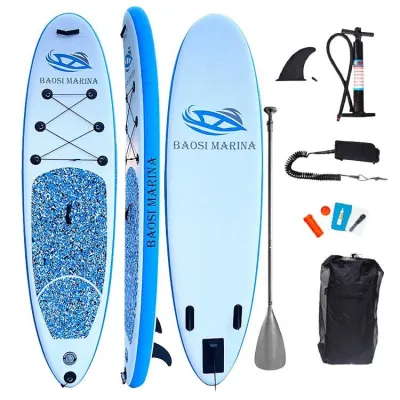

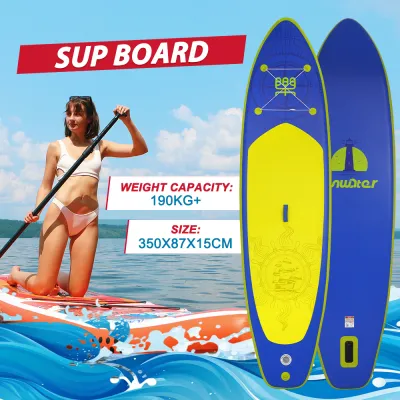
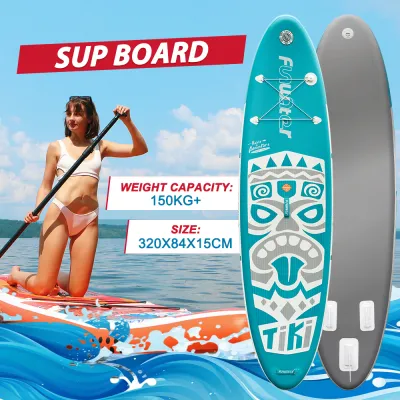
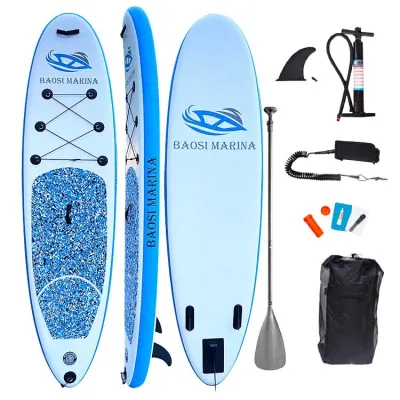
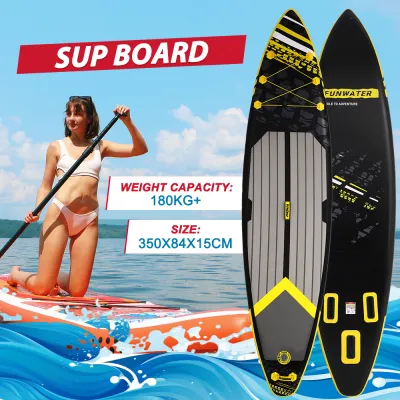
Prices are valid at publication and may change. Please refer to the product page for the latest price.
The shape, power, and bottom contour of each break dictate specific board design requirements. Steep, powerful reef waves require a board with a continuous rocker—the bottom curve of the board—to prevent the nose from diving during steep takeoffs. Flatter, slower beach waves perform better with a flatter rocker, which helps maintain speed through slower sections of the wave.
Before finalizing your quiver, it is crucial to check local surf forecasts, tide charts, and seasonal swell directions. Siargao experiences significant seasonal variations, with the primary swell season bringing larger, more powerful waves, while the shoulder seasons offer smaller, more manageable conditions. Understanding how the tide affects your chosen break is also vital, as many reef spots become dangerously shallow or completely unsurfable at low tide.
Matching Surfboard Designs to Your Current Skill Level
Your surfing ability is the critical factor when deciding which surfboard to bring to Siargao. Attempting to surf challenging reef breaks on a board designed for advanced riders hinders progression and increases injury risks.

For beginners, the primary goals are stability, safety, and maximizing wave count. Mellow beach breaks are the safest environment for learning, and they require high-volume boards such as soft tops, foamies, or classic longboards. These designs offer a wide, stable platform that makes balancing easier and provides excellent buoyancy. The soft construction of foam boards also minimizes the risk of injury during inevitable wipeouts, protecting both you and other surfers in crowded lineups.
Intermediate surfers who are progressing their skills and transitioning to reef breaks need versatile designs. At this stage, you are likely learning to generate speed, perform basic turns, and navigate slightly steeper faces. Hybrid shapes, funboards, or high-volume fish designs are highly suitable for these conditions. These boards offer a balance of paddle power to help you catch waves early, combined with refined rails and tail shapes that allow for cleaner turns than a standard longboard.
Advanced surfers targeting high-performance reef breaks and heavy, hollow waves require highly refined equipment. High-performance shortboards with narrow outlines, pulled-in tails, and sensitive rails allow for precise positioning and rapid direction changes in critical sections of the wave. When the swell size increases, advanced riders often transition to step-up boards, which feature extra length and a narrower tail to provide hold and control in fast, powerful barrels.
Sizing and Volume Adjustments for Reef and Beach Breaks
Finding the correct balance of length, width, thickness, and volume is essential for handling Siargao’s varied wave conditions safely and effectively. Volume, measured in liters, determines how well a board floats and paddles, which directly impacts your endurance and wave-catching ability.
To establish a starting point, calculate your baseline volume relative to your weight, physical fitness, and skill level using manufacturer volume charts. For powerful reef breaks, slightly increasing your board’s volume or length assists with early entry into fast-moving waves, allowing you to stand up before the wave becomes too steep.
Adjusting your board’s dimensions involves a trade-off between paddle power and maneuverability. A wider, thicker board provides excellent paddle power during long lulls and helps you glide over flat sections of a wave. However, in steep, hollow sections, excess width can make it difficult to engage your rail, potentially causing the board to slide out. Selecting a board with a slightly pulled-in nose and tail can help you fit into the tight curve of a hollow wave face.
Your fin setup and tail shape also play a critical role in how your board handles different breaks. Thruster setups offer a reliable balance of control, drive, and maneuverability, making them a versatile choice for most conditions. Quad configurations are highly effective in hollow reef waves, providing extra speed and hold high on the wave face. Tail shapes such as round tails or pin tails offer maximum hold and smooth transitions in powerful surf, while squash or swallow tails provide more lift and release in crumbling beach peaks.
Travel Logistics and Board Care in the Philippines
Transporting and maintaining your surfboards during a trip to the Philippines requires careful planning. The journey often involves multiple flights, boat rides, and overland travel, all of which pose risks to fragile fiberglass and epoxy boards.
Before booking your flights, carefully review the surfboard baggage policies of your chosen airlines, as fees, weight limits, and maximum length allowances vary significantly. When packing your quiver, use a high-quality, padded board bag designed for travel. Protect vulnerable areas by wrapping the nose, tail, and rails in heavy-duty bubble wrap or foam pipe insulation, and remove your fins to prevent them from puncturing the board or the bag during transit.
Once on the island, transporting your boards to remote breaks requires secure mounting systems. If you plan to travel by motorbike, ensure it is equipped with a sturdy, properly installed side rack that holds the board securely without interfering with your steering. For travel on local outrigger boats, known as bancas, secure your boards in their padded bags and tie them down flat to prevent them from shifting or bouncing against the wooden hull in rough chop.
Establishing a daily maintenance routine is essential for preserving your equipment in a tropical environment. Always rinse your surfboard, leash, and fins with fresh water after every session to remove salt buildup, which can degrade materials over time. Inspect your board thoroughly after each surf for pressure dings, cracks, or reef rash. Even minor cracks can allow water to penetrate the foam core, leading to waterlogging and delamination; any damage should be repaired immediately using a solar-cure resin or by a professional ding repair specialist before the board goes back into the ocean. Local ding repairs are widely available and typically cost around ₱500 to ₱1,500 depending on the severity of the damage.
Frequently Asked Questions (FAQ)
Can I rent a suitable surfboard locally instead of bringing my own?
Renting a surfboard locally is a highly viable option, especially for beginners and intermediates who want to avoid the hassle and expense of airline baggage fees. Siargao has numerous surf shops and rental stands, particularly near popular beginner spots, offering a wide selection of soft tops, longboards, and durable funboards. However, if you are an advanced surfer looking for a highly specific high-performance shortboard or step-up, the local rental selection may be limited, and the boards available may show significant wear and tear. Bringing your own quiver ensures you have the exact dimensions and performance characteristics you are accustomed to, though you must weigh this against the risk of transit damage and airline fees.
What safety gear should I pair with my surfboard for reef breaks?
Surfing over shallow coral reefs requires specific protective gear to minimize the risk of injury from wipeouts and contact with the sharp bottom. Wearing high-quality surf booties is highly recommended for reef breaks, as they protect your feet from cuts and infections while walking across the reef flat to enter or exit the water. For advanced sessions in heavy, hollow waves, some surfers choose to wear lightweight surf helmets or impact vests to protect against head impacts and provide extra buoyancy during severe wipeouts. Additionally, always check the condition of your surfboard leash before paddling out; a heavy-duty, thicker leash is essential for reef breaks to prevent your board from being swept onto the shallow reef flat if you lose connection with it.
Community discussion
Share your experience or ask a question. Comments are reviewed before publication.