
Finding the right pair of swimming goggles is the difference between a focused, comfortable workout and a frustrating session spent clearing water out of your eyes. The right pair depends entirely on where you swim, how often you train, and your unique facial structure. By matching your specific swimming habits with the correct lens type, frame design, and seal material, you can ensure a leak-free experience that keeps your vision clear from the first lap to the last.
Assess Your Swimming Habits and Environment
To narrow down your options, start by evaluating how often you swim and the intensity of your sessions. A casual weekend dip in a backyard pool requires a very different level of gear than daily, high-intensity lap training. If you only swim occasionally for leisure, your primary focus should be long-term comfort and a gentle fit. Regular fitness swimmers and competitive athletes, however, need streamlined designs that can withstand repetitive, high-speed movements without shifting.
The swimming environment plays an equally critical role in your decision. Indoor chlorinated pools, outdoor community pools, and open-water settings like lakes or the ocean each present distinct lighting and visibility challenges. In the Philippines, the intense tropical sun and high humidity can cause severe glare outdoors and rapid fogging indoors. Knowing where you will spend most of your time in the water helps determine the necessary lens features and frame durability.
Products mentioned in this guide
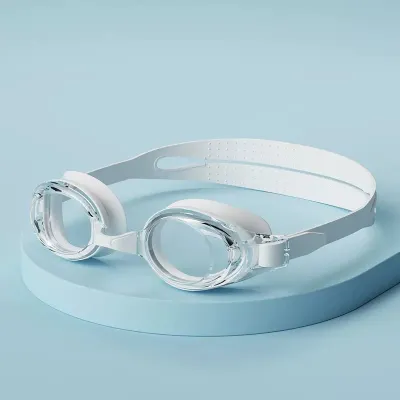
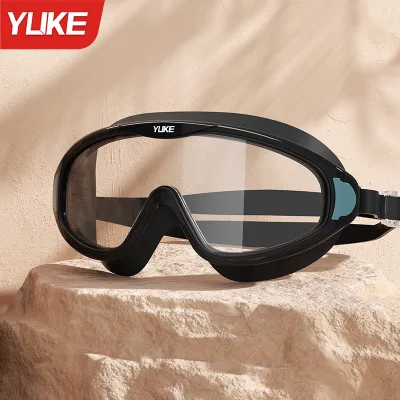
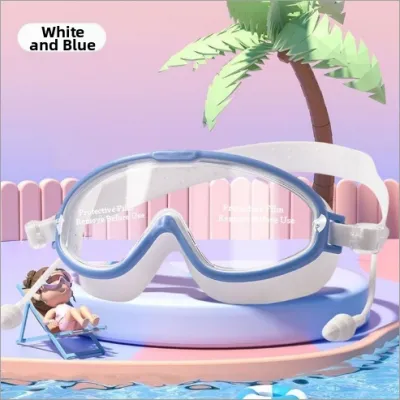
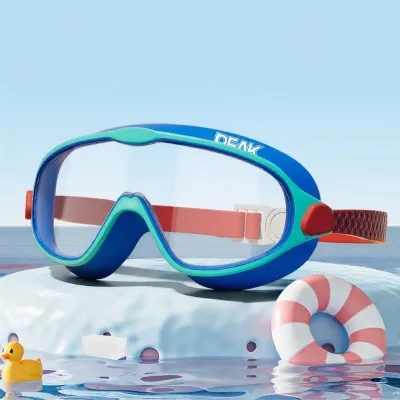
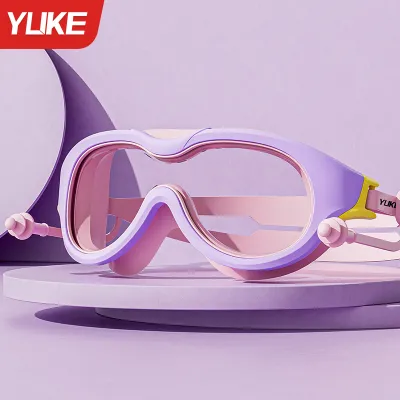
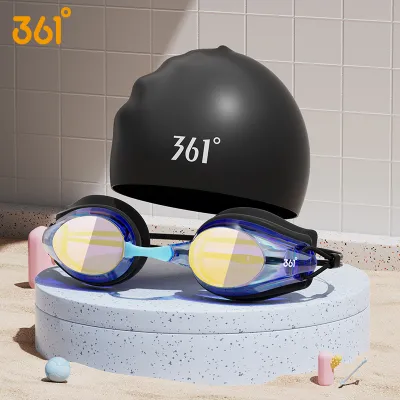
Prices are valid at publication and may change. Please refer to the product page for the latest price.
Finally, balance your personal comfort priorities against your performance needs. Beginners often prefer a wider, cushioned frame that offers a reassuringly broad field of vision and minimal pressure around the eyes. Experienced swimmers, on the other hand, often prioritize hydrodynamics and a low-profile fit to minimize drag, even if it means a slightly firmer seal. Be honest about your current skill level and comfort tolerance before looking at specific designs.
Match Goggle Categories to Your Swimmer Profile
Once you understand your environment and habits, you can explore the four primary categories of goggles. These categories are designed to meet different performance goals, comfort levels, and budgets, which typically range from around ₱300 for basic models to over ₱2,500 for specialized racing gear.

Recreational goggles are built primarily for comfort, ease of use, and affordability. They feature thick, soft silicone seals and wide frames that distribute pressure evenly around your eye sockets. These are ideal for casual swimmers, families, and beginners who prioritize a gentle fit and a wide, natural field of vision over speed or hydrodynamics.
Fitness and training goggles offer a balanced middle ground for regular lap swimmers. They are constructed with durable, high-quality silicone that resists degradation from chlorine and sweat over months of frequent use. These goggles provide a secure, leak-resistant fit that remains comfortable during hour-long aerobic workouts, making them the workhorse option for fitness enthusiasts.
Competition and racing goggles are engineered for high-speed performance and minimal drag. They feature a very low-profile design, sitting deep within the eye socket to reduce water resistance during dives and turns. Because they prioritize hydrodynamics, they use harder, thinner gaskets that seal tightly, which can feel less comfortable during extended training sessions but offer maximum stability when every millisecond counts.
Open water and triathlon goggles are specifically designed for variable outdoor conditions. They feature oversized lenses to maximize peripheral vision, allowing you to sight buoys, landmarks, and other swimmers easily. These models also incorporate robust strap systems to prevent the goggles from being knocked off in crowded water starts, along with specialized lens coatings to handle shifting sunlight. However, specialized equipment cannot replace open-water safety training, navigation skills, or personal swimming ability. Always verify local water conditions, currents, and weather forecasts, and never swim alone in open water, regardless of how advanced your gear is.
Evaluate Fit, Seal, and Lens Features
Finding a pair of goggles that performs well requires checking specific physical and optical features against your personal needs. The eye cup shape and seal material are the most critical factors for comfort. Look for high-grade, hypoallergenic silicone seals, which conform more easily to different facial structures than rigid plastic or foam frames. If you have sensitive skin or a prominent brow bone, a softer, more flexible frame will help prevent painful pressure points.
The strap design determines how securely the goggles stay on your head and how pressure is distributed. Single straps with quick-adjust buckles are convenient for casual use, but double or split straps are highly effective for active swimming. Split straps grip the curve of your skull more securely, preventing the goggles from slipping down during vigorous movement or when pushing off the pool wall.
Lens tints and coatings must be matched to your primary swimming environment to ensure safe visibility. Clear or light-colored lenses are highly suitable for indoor pools or early morning swims, as they let in maximum light. For outdoor pools or open water under the bright Philippine sun, mirrored or dark-tinted lenses are essential to block harsh glare and reduce eye strain.
Always verify the manufacturer’s product labels and specifications for built-in anti-fog treatments and UV protection. Do not assume all goggles offer these features automatically. High-quality lenses will explicitly state their UV rating and anti-fog technology on the packaging, which is crucial for protecting your eyes from tropical sun exposure and maintaining clear vision in humid climates.
Test the Fit and Care for Your Goggles
Before finalizing your purchase, you can perform a simple physical test to ensure the goggles will seal properly on your face. To perform the suction test, gently press the goggle eye cups against your eyes without putting the strap over your head. If the goggles stick to your face for a few seconds before releasing, it indicates a good natural seal that matches your facial structure. If they fall off instantly, air is leaking in, and you should try a different model.
Adjusting the nose bridge is another vital step in customizing the fit. Many goggles come with interchangeable nose pieces of varying lengths, or an adjustable slide bridge. A properly adjusted nose bridge ensures the eye cups sit squarely over your eyes without pinching the bridge of your nose or pulling the cups too close together, which can cause leaks and discomfort.
Proper post-swim care is essential to extend the lifespan of your goggles and preserve their factory anti-fog coating. After every swim, rinse your goggles thoroughly with clean, cool tap water to remove chlorine, salt, and sweat. Allow them to air dry completely in a shaded area. Never rub or wipe the inside of the lenses with your fingers, a towel, or a cloth, as this will scratch the delicate anti-fog film.
Finally, store your goggles in a protective pouch or case when they are not in use. Keep them away from direct sunlight, hot car interiors, or damp gear bags for extended periods. Extreme heat and UV rays degrade silicone elasticity and warp plastic frames, leading to premature leaks and structural failure.
Frequently Asked Questions (FAQ)
How do I know if my swimming goggles are too tight?
If you develop deep, red marks around your eyes that last for hours, experience headaches, or feel sharp pain on your brow bone, your straps are too tight. A proper seal relies on the suction of the eye cups and a correct nose bridge fit, not extreme strap tension. The strap should only hold the goggles in place, not pull them painfully against your face.
Should I choose mirrored or clear lenses for indoor pools?
Clear or light-tinted lenses are highly recommended for indoor pools because they maximize light transmission and keep your vision bright in covered environments. Mirrored or dark lenses are designed specifically to reflect bright sunlight and reduce glare outdoors; using them indoors can make the pool area look too dark and impair your ability to see clearly.
How often should I replace my swimming goggles?
You should replace your goggles when you notice persistent leaking, degraded or brittle silicone seals, or loss of strap elasticity. If the lenses become deeply scratched or the anti-fog coating no longer functions despite proper care, it is time for a new pair. Regular swimmers typically need a replacement every six to twelve months.
Community discussion
Share your experience or ask a question. Comments are reviewed before publication.