
Choosing the right swimming goggles depends on matching your primary swimming environment—whether that is a chlorinated indoor lap pool, a sunny outdoor resort, or the open ocean—with your training intensity and facial structure. The ideal pair provides a leak-free seal, comfortable eye-socket pressure, and a lens tint optimized for your lighting conditions.
In the Philippines, where tropical heat and high humidity make swimming a year-round activity, having the correct eyewear is essential for comfort and safety. From morning laps in Manila to weekend coastal swims in Batangas, the right goggles protect your eyes from chlorine irritation and saltwater sting while ensuring clear visibility.
Identify Your Swimming Profile and Environment
Before browsing an online marketplace or visiting a local sporting goods store, you must analyze your swimming routine. Ask yourself how often you swim, how long your sessions last, and what your primary goals are. Are you doing quick fitness laps, training for a long-distance triathlon, or enjoying a relaxed weekend dip with family?
Products mentioned in this guide
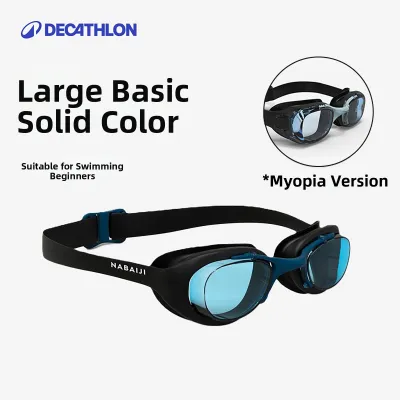
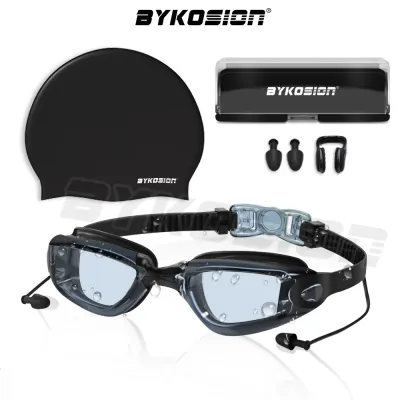
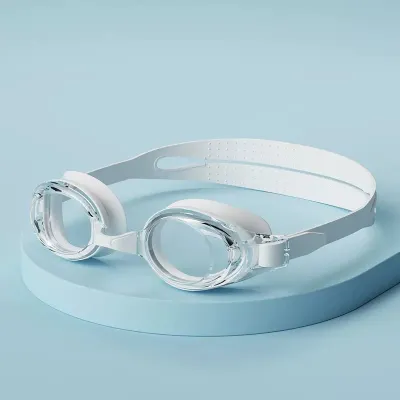
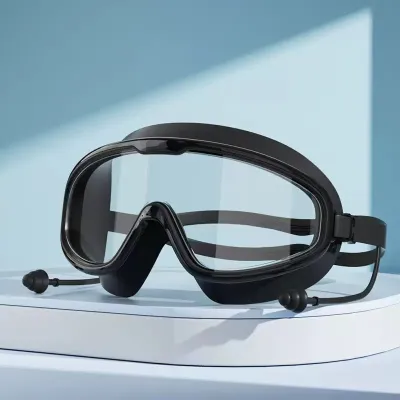
Prices are valid at publication and may change. Please refer to the product page for the latest price.
Answering these questions prevents the common frustration of using the wrong gear. For instance, wearing ultra-tight competitive racing goggles for an hour-long casual swim can leave you with painful pressure headaches and deep red marks around your eyes. Conversely, wearing loose, bulky recreational goggles for fast lap training often results in water rushing into your eyes every time you push off the pool wall or execute a flip turn.
Your swimming environment also dictates your choice. Indoor pools with harsh overhead fluorescent lighting require different lens features than open-water swims, where you must contend with blinding tropical sun, shifting currents, and the constant need to spot navigation buoys. By matching the physical demands of your swimming style to the goggle’s design profile, you ensure a much more productive and comfortable time in the water.
Recreational Goggles: Comfort for Casual and Fitness Swimming
Recreational goggles are designed with one primary goal: long-lasting comfort. These are the most common goggles you will find in local resort pools and fitness clubs. They are engineered specifically for swimmers who prioritize a pleasant, pressure-free experience over streamlined speed.

The defining feature of recreational goggles is their generous frame size. They utilize large eye cups fitted with wide, thick, and incredibly soft silicone gaskets. This design distributes the suction pressure over a wider surface area around your orbital bone, which significantly reduces eye fatigue and prevents deep, lasting marks after your swim. The head straps are typically wide, soft, and equipped with user-friendly adjustment buckles that can be easily tightened or loosened while wearing them.
These features make recreational goggles the perfect choice for casual fitness swimmers, water aerobics participants, and anyone who plans to spend an extended, relaxed period in the water. If your typical session lasts 45 minutes or longer at a steady, moderate pace, the comfort of a wider silicone seal is indispensable.
However, this comfort comes with a distinct trade-off in hydrodynamics. The larger frame and thicker gaskets create a bulkier profile that catches water as you move. If you attempt high-speed swimming, diving starts, or rapid flip turns, this increased drag can cause the goggles to shift, wobble, or leak. Therefore, they are not recommended for competitive training or high-velocity aquatic sports.
Competitive Goggles: Hydrodynamics for Racing and Lap Training
When fractions of a second matter, or when your training involves high-speed intervals, competitive goggles become an essential piece of gear. These goggles are stripped of all excess bulk to minimize water resistance and ensure they remain locked in place during explosive movements.
The design of competitive goggles is highly specialized. They feature ultra-low-profile eye cups that sit directly inside your eye socket rather than resting on the outer bone structure. The gaskets are incredibly thin, made of rigid silicone, or in some traditional designs like Swedish goggles, completely absent. The straps are typically thin, dual-band configurations that wrap around different parts of the back of your head to prevent any slippage during diving starts or high-speed flip turns.
This streamlined profile ensures that water flows smoothly over your face with minimal drag. For competitive athletes, swim team members, and advanced lap swimmers, this stability is crucial. When you dive off a starting block or push off a wall with maximum force, these goggles will not budge or fill with water.
The trade-off for this hydrodynamic design is comfort. Because the small eye cups sit deep within the orbital socket, they rely on a tighter, more concentrated seal. This intense suction can feel highly restrictive and uncomfortable during long, relaxed swimming sessions. If you are swimming for leisure or doing extended, slow-paced endurance swims, the pressure can quickly lead to discomfort, making competitive goggles a poor choice for casual use.
Open Water Goggles: Visibility and Protection for Outdoor Swims
Swimming in open water—whether you are training for a triathlon in Subic Bay or enjoying a long-distance ocean swim—presents a completely different set of challenges than swimming in a controlled pool lane. You must navigate through waves, cope with changing weather, and deal with intense tropical sunlight reflecting off the water surface.
To meet these challenges, open-water goggles prioritize visibility, protection, and security. Their most prominent feature is a wide, curved lens design that provides an expanded, panoramic field of view. This wide-angle vision is critical for sighting—the technique of lifting your head to spot buoys, landmarks, or fellow swimmers to stay on course. Many open-water models also feature polarized or heavily mirrored lenses that block harmful UV rays and eliminate the blinding glare bouncing off the water surface.
While standard open-water goggles look similar to fitness goggles but with wider lenses, some swimmers prefer specialized triathlon masks. These mask-style options feature a massive, continuous silicone skirt that seals across your forehead and upper cheeks. While they are bulkier and create more drag, they offer unparalleled comfort, a massive field of view, and superior protection against accidental kicks or elbows from other swimmers during crowded race starts.
You should choose open-water goggles if your primary swimming activities take place in lakes, rivers, or the ocean. They are also highly beneficial for outdoor swimming pools where direct, intense sunlight makes standard clear goggles impractical and uncomfortable for your eyes.
Essential Fit Tests and Feature Checks Before Buying
Finding the right category of goggles is only half the battle; ensuring a perfect, customized fit for your unique facial structure is what guarantees a leak-free swim. Before finalizing your purchase from an online marketplace or local sports shop, you should perform several practical checks.
The Suction Test This is the most reliable way to check if a goggle’s frame shape matches your face. Lean forward slightly, press the goggle lenses gently against your eye sockets without putting the strap over your head, and release your hands. If the goggles stick to your face for a second or two before falling off, it indicates that the gaskets form a natural, airtight seal with your skin. If they pop off instantly, air is leaking in, meaning water will too.
Nose Bridge Adjustability The distance between your eyes and the width of your nose bridge greatly affects how goggles sit on your face. Look for goggles that offer adjustable features. Some models come with interchangeable nose bridges of varying lengths (typically small, medium, and large), while others feature a flexible, self-adjusting nose bridge that stretches to fit. Avoid goggles with a rigid, non-adjustable nose bridge unless you are absolutely certain the default width matches your face perfectly.
Lens Tint and Lighting Matching your lens color to your swimming environment is essential for clear vision and eye safety.
- Clear or Light Blue: These lenses allow maximum light to enter, making them the best choice for indoor pools, night swimming, or early morning sessions under overcast skies.
- Smoke or Dark Tint: These act like sunglasses for your eyes, reducing overall brightness and eye strain in bright outdoor pools.
- Mirrored: These lenses have a reflective coating that bounces bright light away, making them ideal for sunny outdoor environments and open-water swimming.
- Polarized: These are premium lenses that specifically filter out horizontal glare from the water's surface, providing unmatched clarity for outdoor sighting.
Strap and Seal Inspection Examine the strap design. A split-strap configuration, which divides into two bands at the back, provides a much more secure grip on your head than a single flat strap. Ensure the silicone gaskets are completely smooth, flexible, and free of any rigid manufacturing seams that could press painfully into your skin during a long swim.
Anti-Fog and UV Care Always check the packaging to verify that the goggles offer UV protection and an anti-fog coating. To preserve the delicate anti-fog layer, never wipe or rub the inside of the lenses with your fingers, towels, or clothing. After every swim, simply rinse the goggles gently in clean, cool tap water to remove chlorine or salt, and allow them to air dry completely in a shaded area away from direct sunlight.
Frequently Asked Questions (FAQ)
How do I know if my swimming goggles fit correctly?
Your goggles fit correctly when they form a comfortable, waterproof seal without requiring you to pull the head strap excessively tight. They should pass the strapless suction test easily and should not leave deep, painful red indentations around your eyes after a short swim.
Should I get mirrored or clear lenses for indoor pool swimming?
For indoor pools, clear or lightly tinted lenses are highly recommended. Mirrored lenses are designed to reflect bright sunlight and can make a standard indoor pool appear much too dark, making it difficult to see the lane lines, pool wall, or other swimmers clearly.
How often should I replace my swimming goggles?
The lifespan of your goggles depends on how often you swim and how well you care for them. Frequent swimmers who train daily may need to replace their goggles every 3 to 6 months, while casual swimmers can often use the same pair for over a year. You should replace them immediately if you notice persistent leaks, stiff or cracking silicone seals, heavy lens scratches, or if the anti-fog coating has completely worn off.
Community discussion
Share your experience or ask a question. Comments are reviewed before publication.