
Finding the perfect pair of swimming goggles is the difference between a clear, comfortable swim and a frustrating session spent clearing out water and rubbing irritated eyes. The ideal choice depends entirely on your specific swimming environment, frequency, and performance goals. By understanding the key differences between recreational, lap training, competitive, and open-water goggles, you can select a pair that provides a secure seal, optimal visibility, and long-lasting comfort.
Matching your gear to your activity is essential because a single pair of goggles cannot excel in every setting. A streamlined racing goggle that helps you shave fractions of a second off a lap will likely feel uncomfortably tight during an hour-long fitness session. Conversely, a wide-view leisure mask will create excessive drag and slide off your face during a fast dive start. Investing in the right category ensures you protect your eyes, improve your vision, and enjoy your time in the water.
Identify Your Primary Swimming Style and Goals
To narrow down your choices, you must first self-diagnose your primary swimming environment, frequency, and objectives. Swimmers generally fall into one of four distinct profiles: casual pool swimmers, regular lap fitness swimmers, competitive racers, and open-water or triathlon athletes. Identifying where you spend most of your water time prevents you from purchasing over-engineered, uncomfortable gear or under-performing models that degrade quickly.
Products mentioned in this guide
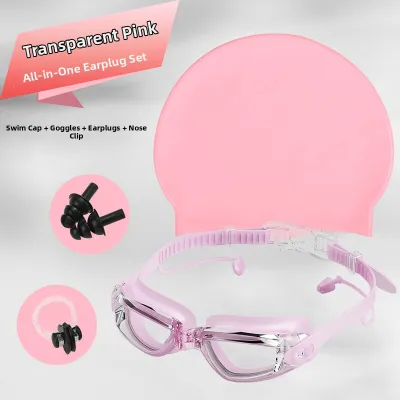
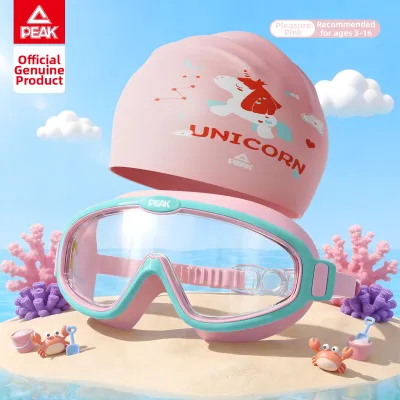
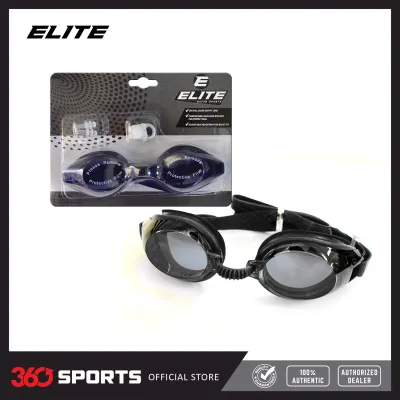
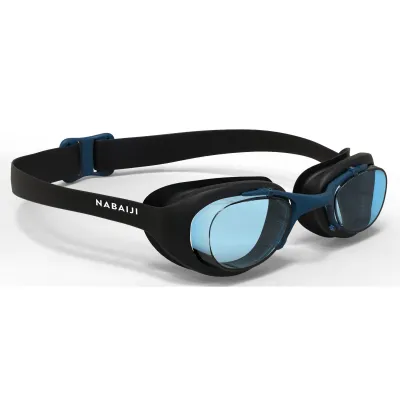
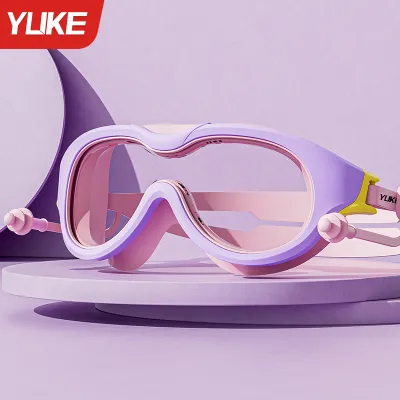
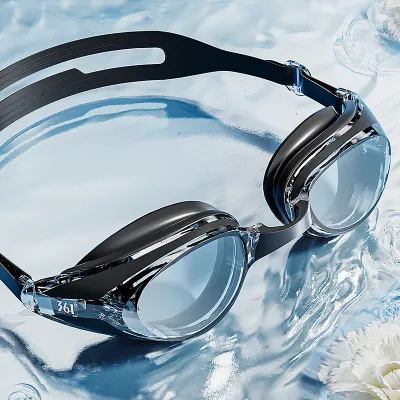
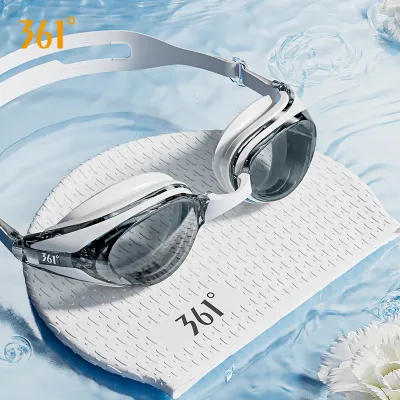
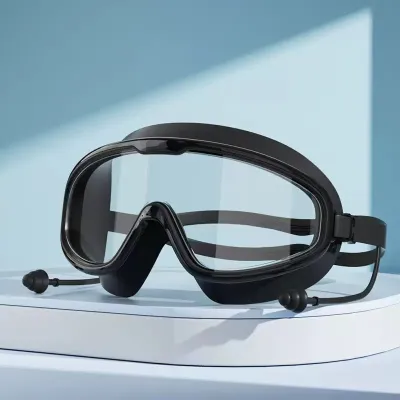
Prices are valid at publication and may change. Please refer to the product page for the latest price.
Casual pool swimmers typically visit resort pools, water parks, or backyard pools occasionally, prioritizing comfort and ease of use over hydrodynamics. If you find yourself swimming once or twice a month for relaxation, light water aerobics, or family fun, your needs are vastly different from someone training for performance. For this profile, a soft, forgiving fit that does not leave deep marks around the eyes is the primary goal.
Regular lap swimmers hit the pool multiple times a week for structured fitness sessions, often spending 45 to 90 minutes in the water per workout. If you swim laps at a local sports complex or community pool to maintain cardiovascular health, you need gear that balances a secure, leak-proof seal with long-lasting comfort. Your goggles must withstand frequent exposure to chlorinated water and stay securely in place during repetitive flip turns and push-offs.
Competitive racers focus on speed, hydrodynamics, and explosive starts off the blocks. If you are preparing for swim meets, school competitions, or high-intensity time trials, you require ultra-low-profile goggles that sit flush against your face. These models minimize water resistance and are engineered to remain perfectly stable during high-speed entries, though they sacrifice long-term comfort to achieve this level of performance.
Open-water swimmers and triathletes train in natural bodies of water, such as lakes, rivers, or the coastal waters of the Philippines. If you are training for a coastal triathlon or enjoy long-distance ocean swims, your goggles must handle changing light conditions, surface glare, and waves. Navigating open water requires excellent peripheral vision to spot marker buoys and avoid other swimmers, making standard indoor pool goggles inadequate.
While some high-quality goggles can transition between categories, choosing a pair designed for your primary use case ensures the best value. For instance, using a specialized racing goggle for daily fitness training often leads to unnecessary eye fatigue, while using basic leisure goggles for open-water training can compromise your safety and navigation. Aligning your purchase with your actual swimming habits is the first step toward a successful swim.
Recreational and Leisure Swimming Goggles: Comfort and Visibility
Recreational and leisure goggles are engineered with a primary focus on comfort, ease of adjustment, and a wide field of vision. These goggles are perfect for casual swimmers, water aerobics participants, and holiday-goers who want to enjoy the water without the high-pressure seal of performance eyewear. Because hydrodynamics and drag reduction are not priorities for leisure swimming, these goggles feature larger frames and thicker, softer gaskets.

The defining feature of recreational goggles is the large silicone or foam gasket that rests on the outer orbital bone of the eye socket. This design distributes pressure over a wider surface area, significantly reducing the deep, red suction marks often left by smaller competitive goggles. The soft, hypoallergenic silicone conforms easily to various face shapes, providing a reliable, comfortable seal that does not require tight strap tension to stay dry.
These goggles also offer an expansive field of vision, allowing you to see your surroundings clearly. The flat, wide lenses are ideal for keeping an eye on children in the pool, navigating crowded resort areas, or participating in water-based fitness classes. Because the lenses sit further away from the face, they also provide a more natural, less distorted view of the underwater environment, which can help casual swimmers feel more confident and relaxed.
When swimming in outdoor or semi-outdoor pools under bright tropical sunlight, basic protection features become essential. Quality recreational goggles come equipped with built-in UV protection to shield your eyes from harmful ultraviolet rays, along with basic anti-fog coatings to prevent condensation in humid climates. These features ensure that your vision remains clear and your eyes stay protected, whether you are floating in a hotel pool or enjoying a sunny day at the beach.
Ultimately, leisure goggles prioritize durability, ease of use, and a highly forgiving fit. They often feature simple, user-friendly strap adjustment buttons on the sides of the frame, allowing you to loosen or tighten them instantly without taking them off. While they are not built for high-speed diving or intense training, their robust construction and focus on comfort make them the most approachable option for everyday water enjoyment.
Lap Training Goggles: Balancing Seal, Durability, and Low Drag
For fitness enthusiasts who swim laps regularly, training goggles offer the perfect middle ground between the plush comfort of recreational models and the streamlined design of racing eyewear. These goggles are built to endure the rigors of daily training, providing a secure, leak-proof seal that remains comfortable over continuous 45-to-60-minute workouts. They feature a moderately low profile to reduce drag while maintaining enough cushioning to prevent eye strain.
One of the most important aspects of a training goggle is its adjustability and customization. Many mid-to-high-range training models come with interchangeable nose bridges of varying lengths, allowing you to adjust the distance between the eye cups to match the exact width of your nasal bridge. This customization is crucial for achieving a perfect, personalized seal, as a nose bridge that is too wide or too narrow will cause the goggles to leak regardless of strap tightness.
Durability is another key factor, as regular exposure to chlorinated pool water can quickly degrade low-quality plastics and silicone. Training goggles utilize high-grade, chlorine-resistant silicone for both the gaskets and the straps, ensuring they maintain their elasticity and sealing properties over months of frequent use. The lenses are typically made from impact-resistant polycarbonate, which resists cracking and withstands the occasional bumps against lane lines or pool walls.
To minimize drag during continuous swimming, training goggles feature a streamlined shape that sits closer to the eye sockets than recreational models. This lower profile helps water flow smoothly over the face, reducing the resistance you feel with every stroke. Despite this closer fit, the gaskets still provide enough soft cushioning to prevent the hard plastic frame from pressing directly against your sensitive orbital bones during long sessions.
Additionally, reliable training goggles are equipped with secure, easily adjustable split straps. The split-strap design distributes pressure evenly across the back of your head, preventing the goggles from slipping down or shifting when you perform flip turns or push off the pool wall with force. Combined with robust factory-applied anti-fog coatings, these features allow you to focus entirely on your pace, stroke technique, and breathing rhythm without constant interruptions.
Competitive Racing Goggles: Hydrodynamics and Speed
Competitive racing goggles are highly specialized, minimalist tools designed for maximum hydrodynamics, speed, and stability. When every millisecond counts, these goggles reduce water resistance to the absolute minimum, helping competitive athletes perform at their peak. They feature a ultra-low-profile design, sitting incredibly close to the eyes and often fitting directly inside the eye socket rather than around the outer orbital bone.
To achieve the lowest possible drag, racing goggles feature compact, low-profile eye cups and thin, rigid gaskets, or in the case of traditional Swedish-style goggles, no gaskets at all. The lack of bulky cushioning allows the goggles to sit almost flush with the swimmer’s face, allowing water to glide over them with minimal turbulence. The straps are typically made of rigid, low-stretch silicone or dual-band materials that hold the goggles tightly against the face.
This rigid, secure fit is essential for preventing the goggles from shifting, leaking, or completely flooding during explosive dive starts and high-speed flip turns. When a swimmer hits the water off the starting block, the impact force can easily dislodge looser, high-profile goggles. Racing goggles are engineered to withstand this sudden rush of water, ensuring that the athlete’s vision remains clear and unobstructed from the very first stroke of the race.
However, this focus on speed and stability comes with a significant trade-off: comfort. Because racing goggles have very little padding and must be worn tightly to maintain their seal under high forces, they can cause discomfort and pressure around the eyes during prolonged wear. The hard plastic edges can feel harsh against the skin, making them unsuitable for long, relaxed fitness sessions or extended open-water swims.
Because of this trade-off, experienced swimmers generally reserve their racing goggles strictly for race days, time trials, or high-intensity sprint sets. For daily warm-ups, cool-downs, and long-duration aerobic sets, they switch to a more comfortable pair of training goggles. This practice not only saves your eyes from unnecessary soreness but also preserves the pristine condition and anti-fog coating of your race-day eyewear.
Open Water and Triathlon Goggles: Glare Reduction and Navigation
Swimming in open water—such as lakes, reservoirs, or the open ocean—presents a unique set of environmental challenges that standard indoor pool goggles are not equipped to handle. Open-water swimmers and triathletes must contend with bright, direct sunlight, blinding surface glare, shifting weather, and choppy waves. To navigate safely and perform well, these athletes require specialized open-water goggles designed for visibility, protection, and durability.
Unlike pool swimming, where you can follow a dark line on the bottom of the lane, open-water swimming requires constant “sighting” to stay on course. Sighting involves lifting your head slightly out of the water to look for distant buoys, landmarks, or safety boats. Open-water goggles feature wide-angle, curved lenses that dramatically expand your peripheral vision, allowing you to spot navigation markers and track nearby swimmers without excessively turning your head.
Managing light conditions is critical when swimming outdoors, especially in tropical regions like the Philippines where the sun can be intense. Open-water goggles are available with several specialized lens options to combat glare and improve visibility:
- Polarized Lenses: These are highly recommended for bright, sunny days as they specifically filter out horizontal light waves, eliminating the blinding glare reflecting off the water's surface.
- Mirrored Coatings: Mirrored lenses reflect light away from your eyes, reducing overall brightness and making them ideal for swimming directly toward a rising or setting sun.
- Tinted Lenses: Smoke or amber tints help reduce brightness on moderately sunny days while enhancing contrast, helping you see underwater obstacles or changes in depth more clearly.
Because open-water swimming often involves crowded group starts, especially in triathlons, your goggles must be exceptionally durable and secure. The lenses should feature scratch-resistant coatings to withstand accidental contact with other swimmers’ hands, feet, or floating debris. A wide, soft silicone skirt is also beneficial, as it provides a highly secure seal that can absorb minor impacts without breaking suction or causing injury to your face.
Finally, safety must always be your top priority when swimming in natural bodies of water. Open-water swimming carries inherent risks from currents, waves, and changing weather conditions, and even the most advanced goggles cannot replace proper training, physical conditioning, and sound water safety judgment. Ensure your goggles fit securely before entering the water, and always swim with a partner or under the supervision of safety personnel.
How to Test the Fit and Verify Key Features Before Buying
Before purchasing a new pair of goggles, it is essential to test the fit and verify that the features align with your needs. Because facial structures, eye socket depths, and nose bridge shapes vary widely from person to person, a model that fits one swimmer perfectly might leak constantly on another. Whenever possible, perform a physical fit test to ensure a watertight seal before committing to a purchase.
To perform the “suction test,” follow these simple steps:
- Take the goggles and gently press the eye cups against your eye sockets without putting the strap over your head.
- Apply light, even pressure to push the air out of the goggles, creating a vacuum.
- Release your hands. If the goggles stick to your face and maintain a suction seal for at least two to three seconds before falling off, the frame shape is a good match for your facial structure.
Once you find a frame that passes the suction test, check the adjustment mechanisms. If the goggles feature an adjustable nose bridge, ensure it is set to a width that allows the eye cups to sit comfortably in the center of your eyes without pinching your nose or pulling the gaskets outward. When adjusting the head strap, position it so it splits across the crown of your head at roughly a 45-degree angle; tightening the strap excessively will not fix a poor frame fit and will only cause discomfort.
It is also important to understand that the factory-applied anti-fog coating on new goggles is temporary and requires careful maintenance to last. To preserve this delicate coating, never touch, wipe, or rub the inside of the lenses with your fingers, towels, or shirts, as this will scratch and wear away the anti-fog layer. After every swim, rinse your goggles thoroughly with clean, cold tap water to remove chlorine, salt, or sand, and allow them to air dry completely in a shaded area away from direct sunlight.
For swimmers who require vision correction, standard goggles can make navigation and clock-reading difficult. Fortunately, many manufacturers offer prescription swimming goggles (also known as optical goggles) with pre-made corrective lenses in various diopters. If you opt for these, always verify the manufacturer’s lens specifications, material compatibility, and water-tightness ratings to ensure they provide clear, safe, and comfortable vision throughout your swim.
Frequently Asked Questions (FAQ)
How do I stop my swimming goggles from fogging up?
Swimming goggles fog up when warm, humid air inside the eye cups condenses on the cooler plastic lenses. To prevent this, always rinse your goggles with fresh pool or tap water immediately before putting them on, which helps equalize the temperature. Avoid wiping or touching the inside of the lenses, as this damages the delicate factory anti-fog coating. If the original coating has worn off over time, you can restore clarity by applying a dedicated anti-fog spray or drop solution before your swim, following the manufacturer’s instructions for application and rinsing.
Can I use my regular pool goggles for open water swimming?
While you can physically wear standard pool goggles in open water, they are generally not recommended for natural outdoor environments. Standard pool goggles typically feature flat lenses that limit your peripheral vision, making it difficult to spot navigation buoys, waves, or other swimmers. Additionally, they often lack the polarized or mirrored coatings necessary to block intense solar glare reflecting off the water’s surface, which can lead to eye strain and poor visibility. For safety, comfort, and proper navigation in open water, it is highly recommended to use dedicated open-water goggles.
Community discussion
Share your experience or ask a question. Comments are reviewed before publication.