
Choosing the right paddles for swimming depends on balancing your current stroke efficiency with your specific training objectives, whether you want to refine your technique or build upper-body power. Selecting a paddle that is too large for your skill level can lead to shoulder strain, while the correct size and shape will enhance your water feel and stroke mechanics. By evaluating your swimming proficiency, defining your primary goals, and checking key design features like surface area and strap configuration, you can safely integrate this tool into your pool sessions.
In the tropical climate of the Philippines, where swimming is both a popular recreational activity and a competitive sport, training in local pools or open water requires the right gear. Hand paddles are excellent tools for improving your stroke, but they must be chosen with care to avoid injury and maximize performance.
Assess Your Current Swimming Skill Level
Before purchasing paddles for swimming, honestly evaluate your current comfort and efficiency in the water. Beginners should prioritize establishing a consistent, natural water feel and solid stroke mechanics before introducing any extra resistance. Adding paddles too early can disrupt your natural stroke path and place unnecessary stress on developing muscles. If you are still mastering the basics, it is often best to delay using paddles entirely or start with very small finger paddles that cover only the upper portion of your hand.
Products mentioned in this guide
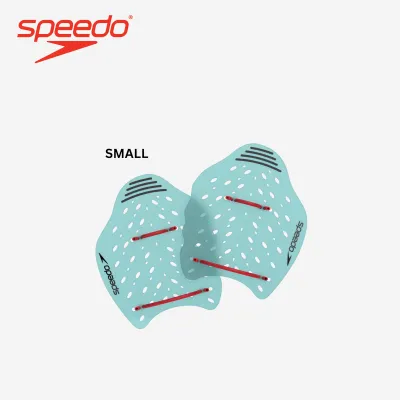
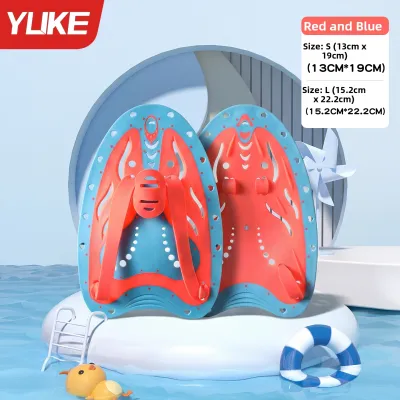
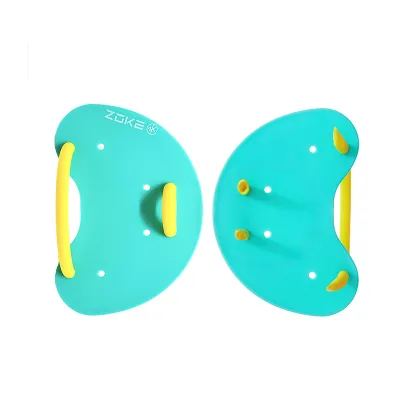
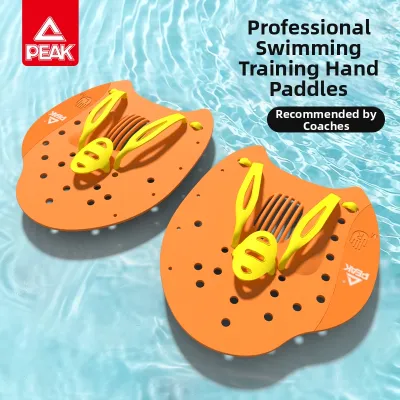
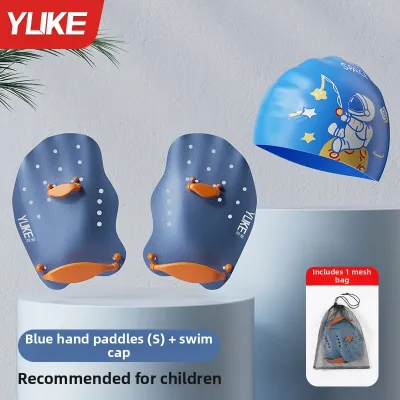
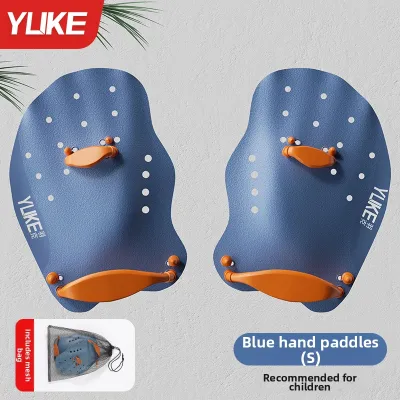
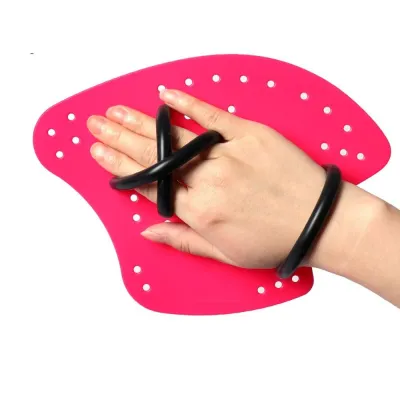
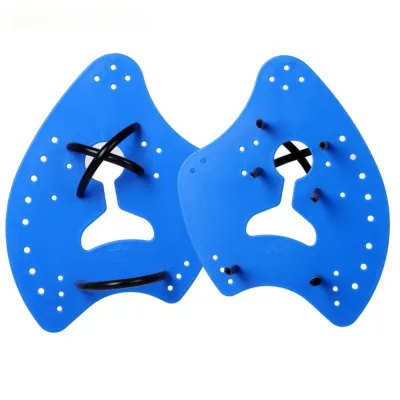
Prices are valid at publication and may change. Please refer to the product page for the latest price.
Intermediate and advanced swimmers who already possess efficient stroke mechanics are generally ready to transition to standard or larger paddles. At this stage, your body has developed the foundational muscle memory and joint stability needed to handle increased resistance. These larger tools can help you target specific power, endurance, or technical goals without compromising your form.
Regardless of your experience, a thorough shoulder health check is essential before using high-resistance gear. The repetitive nature of swimming, combined with the added surface area of paddles, can exacerbate underlying joint issues. If you have a history of shoulder pain, discomfort, or rotator cuff injuries, consult a coach or a medical professional before adding paddles to your gear bag.
Define Your Training Goals: Technique vs. Strength
Your primary training objective dictates the shape, size, and design of the paddles you should choose. If your main goal is technique and water feel, look for finger paddles or models featuring built-in water channels and cutouts. These designs allow you to maintain a high level of tactile feedback from the water, helping you feel the pressure against your palms. They are excellent for promoting a high elbow catch and correcting your stroke trajectory because they do not overwhelm your shoulders with excessive resistance.

For those focused on strength and power building, solid paddles with a larger surface area are the standard choice. These paddles maximize water displacement, forcing your upper body to work harder during the pull phase of your stroke. This resistance helps build targeted muscle in your shoulders, back, and arms, but you must progress gradually to avoid overloading your joints and ruining your form.
You should also consider stroke-specific training demands when selecting a paddle shape. Ergonomic or asymmetrical paddles often mimic the natural contour of the hand and are highly versatile for freestyle and backstroke. Rectangular or specialized flat paddles might be preferred by some swimmers for breaststroke or butterfly training, as they encourage specific hand entry angles and catch positions.
Key Features to Check Before Buying
When browsing options on an online marketplace or at a local sports shop, keep a practical checklist in mind to evaluate the specifications of each product. First, check the size and surface area against the manufacturer’s sizing guide. As a general rule, a standard training paddle should only be slightly larger than your actual hand—typically about one to two centimeters of margin around your fingers. Choosing a size too large increases the torque on your shoulder joints, which can quickly lead to fatigue or strain.
Next, examine the strap configuration. Traditional paddles use adjustable silicone or rubber straps that secure the wrist and middle finger. Look for designs that offer a secure fit without restricting natural wrist flexion or causing chafing during long sets. Some modern designs are completely strapless, relying entirely on proper water pressure and hand positioning to stay in place, which provides instant feedback if your stroke technique slips.
Finally, inspect the materials and edges of the paddles. High-quality training paddles are typically made from durable, slightly flexible plastics that can withstand the chemical environment of chlorinated pools or salt water. Ensure the edges are smooth and rounded; sharp or rough edges can cause accidental scratches to your skin or pose a hazard to other swimmers sharing your lane.
How to Safely Integrate Paddles into Your Routine
Integrating paddles into your swimming routine requires a structured, progressive approach to prevent overuse injuries. Start by using them for very short distances, such as 50 to 100 meters per session, and limit their use to a small fraction of your total workout volume. This allows your muscles, tendons, and joints to adapt gradually to the increased workload. Over several weeks, you can slowly increase the distance as your strength and endurance improve.
To isolate your upper body and maintain proper body alignment, consider combining your paddles with a pull buoy. Placing a pull buoy between your thighs elevates your hips and legs near the surface of the water, eliminating the need to kick heavily. This isolation allows you to focus entirely on your hand entry, catch, and pull mechanics, reducing the compensatory strain on your shoulders that often occurs when trying to balance a heavy kick with paddle resistance.
Always establish clear stop conditions and perform regular form checks during your sets. If you experience any sharp or persistent pain in your shoulders or elbows, immediately remove the paddles and finish your workout swimming freestyle or performing gentle drills. Pay close attention to your catch mechanics under load; ensure your hands are not crossing over the center line of your body and that your elbows do not drop, as these technical flaws can quickly lead to joint strain.
Frequently Asked Questions (FAQ)
Do beginners need swimming paddles?
Beginners generally do not need swimming paddles and are usually better off performing bare-hand drills to build a foundational feel for the water. Introducing resistance tools too early can reinforce poor stroke mechanics and increase the risk of shoulder strain. If you are a beginner eager to try them, start with small finger paddles, which provide minimal resistance while helping you focus on hand entry and awareness.
Can swimming paddles help fix a dropped elbow?
Certain paddle designs, particularly strapless models or finger paddles, can help you address a dropped elbow by providing immediate tactile feedback when your hand slips through the water. However, paddles alone cannot replace active coaching, conscious drill work, and targeted shoulder mobility exercises. Use them as a feedback tool rather than a quick fix for structural technique issues.
How do I clean and maintain my swimming paddles?
To extend the lifespan of your swimming paddles, rinse them thoroughly with fresh, clean water after every pool or open-water session to remove chlorine, salt, and sand. Allow them to air dry completely in a shaded area, as storing them in direct sunlight can degrade the plastic and cause silicone straps to become brittle and snap. Regularly inspect the straps for signs of wear or cracking so you can replace them before they break mid-swim.
Community discussion
Share your experience or ask a question. Comments are reviewed before publication.