
Swimming is a beloved year-round activity in tropical climates, offering children an engaging way to cool down, exercise, and build lifelong water confidence. Whether your family is heading to a local resort, enjoying a backyard pool, or spending a weekend at the beach, choosing the right swimming pool foam noodle is essential for ensuring your child’s water play is both safe and enjoyable. While these colorful foam cylinders appear to be simple, low-stakes toys, their material composition, structural design, and buoyancy characteristics vary significantly, directly impacting how well they support a young swimmer.
Selecting the ideal noodle requires looking beyond bright colors and low price tags. Parents must evaluate several critical dimensions: the chemical safety of the foam, the physical dimensions relative to the child’s age and physical strength, and the structural integrity of the core. By understanding these factors, you can select a durable swim aid that enhances your child’s learning experience while avoiding common hazards like choking risks, skin irritation, and premature material failure.
It is vital to establish the primary safety baseline before exploring specific features: a swimming pool foam noodle is classified as a water toy or recreational swim aid, not a certified life-saving device. It lacks the self-righting capabilities and secure fastening systems of a certified personal flotation device (PFD), meaning it cannot keep an exhausted, injured, or unconscious child’s face out of the water. Equipment can never replace active adult supervision and proper water safety training.
Products mentioned in this guide
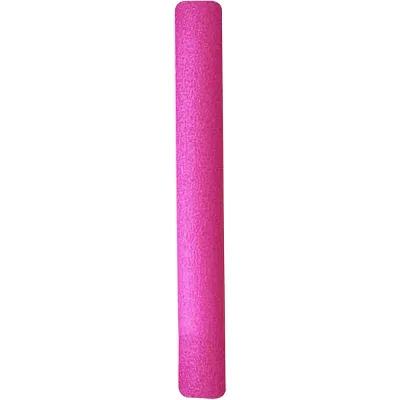
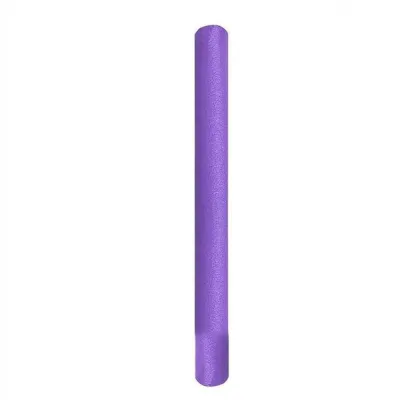
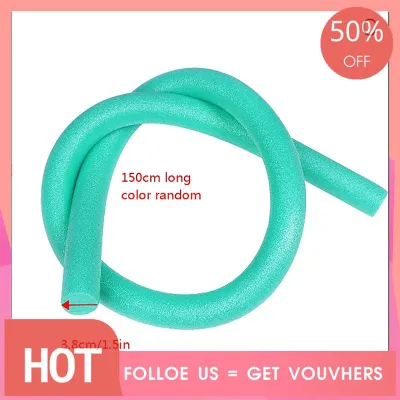
![[COD] CISWGE SPORTS 1Pcs Flexible Foam Swim Noodles High Buoyancy Colorful Hollow for Family Water Activity Kids Adult Pool Play](https://img.lazcdn.com/g/p/98c9061aef623373ca612eb847a07b49.jpg_400x400q80.jpg_.webp)
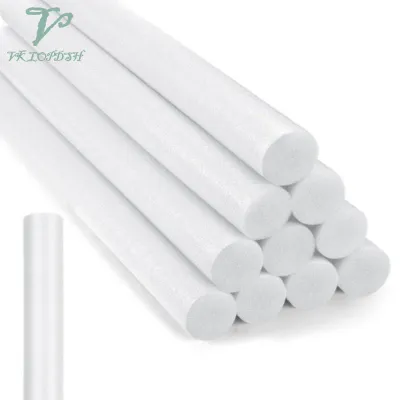
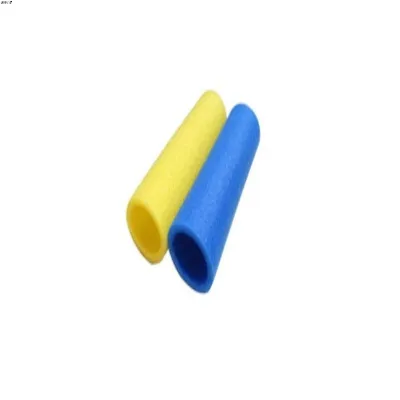
Prices are valid at publication and may change. Please refer to the product page for the latest price.
Quick Guide: What to Check Before Buying a Pool Noodle
To make a safe and informed decision quickly, parents should focus on a few essential criteria before purchasing. This checklist establishes the baseline for a secure and age-appropriate selection:
- Material Safety: Prioritize high-density, non-toxic foam (such as EVA or high-grade PE) that is free from harmful chemicals like BPA and phthalates.
- Appropriate Sizing: Ensure the length and diameter match your child's height and grip strength so they can maintain control without fatigue.
- Core Construction: Choose between a lightweight, flexible hollow core for casual play or a solid core for superior durability and consistent buoyancy.
- High-Visibility Colors: Opt for bright neon shades (like pink, orange, or yellow) that stand out clearly against water and pool liners.
- Safety Classification: Always remember that these noodles are swim aids and toys, not certified life-saving flotation devices.
The right choice ultimately depends on your child’s specific water activities. A child learning to kick needs a different size and buoyancy profile than an older child playing active pool games or a toddler splashing in the shallow end under close supervision.
Material and Safety: Selecting a Durable Swimming Pool Foam Noodle
The material composition of a swimming pool foam noodle determines not only its lifespan but also its safety for young children. Most commercial noodles are made from either Polyethylene (PE) or Ethylene-Vinyl Acetate (EVA) foam, and understanding the differences between them is key to making a smart purchase.

PE foam is the most common and budget-friendly option. It is lightweight and features a closed-cell structure that naturally resists water absorption. However, standard PE foam is highly susceptible to UV degradation and physical wear; over time, exposure to intense sunlight and chlorine causes it to become brittle, leading to flaking and tearing. Children also find it easy to bite or pull chunks off PE foam, which presents an immediate choking hazard.
EVA foam is a premium alternative that offers superior durability and flexibility. It has a dense, rubber-like texture that resists tearing, puncture, and UV damage much better than PE foam. Because EVA is highly resilient, it is virtually bite-proof, making it a much safer option for toddlers who tend to explore toys with their mouths. While EVA noodles carry a higher upfront cost, their extended lifespan and safety profile often make them a more economical choice over time.
When shopping, always inspect the product packaging and labels for explicit safety certifications. Look for labels indicating the product is non-toxic, BPA-free, and phthalate-free. Avoid cheap, unbranded foam products sold on online marketplaces that lack clear safety labeling, as they may contain industrial chemical residues or heavy metals used in cheap color pigments.
Physical hazards must also be checked thoroughly before allowing a child to play. Inspect the noodle for any small detachable parts, such as plastic end caps on hollow models, which can easily pop off and become choking hazards. If the noodle features a decorative sleeve or mesh cover, ensure the fabric is securely stitched and cannot slip off or bunch up over a child’s face during play.
Surface texture is another important consideration for comfort and usability. Smooth-finished noodles are gentle on sensitive skin but can become incredibly slippery when wet or coated in sunscreen, forcing children to grip harder to stay afloat. Textured or ridged surfaces provide a mechanical grip that helps small hands maintain a secure hold with minimal effort, reducing hand fatigue during long swimming sessions.
Size and Construction: Matching the Noodle to Your Child's Needs
Matching the physical dimensions and internal structure of a pool noodle to your child’s physical development is crucial for both comfort and safety. An oversized or overly buoyant noodle can be difficult for a small child to control, while an undersized noodle will fail to provide adequate flotation support.
Length and Height Alignment
The length of the noodle should correspond to your child’s height and physical coordination. For toddlers and preschool-aged children (typically ages 2 to 4), shorter noodles measuring between 90 and 110 centimeters are ideal. A shorter length prevents the noodle from wrapping awkwardly around the child’s body or creating excessive drag, allowing them to practice basic kicking movements without getting tangled.
Older children (ages 5 and up) who have better physical coordination can easily manage standard adult-sized noodles measuring 120 to 150 centimeters. This extra length is highly beneficial for older kids, as it allows them to wrap the noodle securely under their armpits, use it as a saddle, or engage in cooperative water games that require more surface area and support.
Diameter and Grip Ergonomics
The diameter, or thickness, of the noodle directly dictates its buoyancy and how easy it is to grip. Standard noodles typically have a diameter of 6 to 7 centimeters, which is the optimal size for small hands to grasp securely. Children can easily wrap their fingers completely around a standard noodle, ensuring they maintain control even when splashing actively.
Jumbo noodles, which feature diameters ranging from 8 to 10 centimeters, offer significantly more buoyancy and are excellent for older children, teens, or adults. However, they are highly impractical for toddlers, who cannot grip the thick cylinder securely. Trying to hold onto an oversized noodle causes rapid hand fatigue, often resulting in the child losing their grip and slipping underwater unexpectedly.
Hollow vs. Solid Core Construction
The internal construction of the noodle is a major factor in its performance and longevity. Hollow core noodles feature a center channel running through the entire length of the cylinder. This design makes them highly flexible, lightweight, and inexpensive. Children often enjoy hollow noodles because they can be used to scoop and squirt water. However, hollow noodles bend easily under load, offer less overall buoyancy, and are prone to collapsing or tearing at the stress points. Stagnant water can also become trapped inside the hollow core, promoting the growth of mold and mildew in warm, humid environments.
Solid core noodles are completely filled with dense foam, offering superior structural rigidity and consistent buoyancy. They do not collapse under weight, making them excellent for children who need reliable support while learning to balance in the water. Solid core models are highly durable, resistant to tearing, and do not trap water internally, making them a much cleaner and more hygienic option for families.
Buoyancy Limits and Verification
Always check the manufacturer’s packaging for specific weight recommendations or buoyancy ratings. A high-quality noodle will clearly state the maximum weight it is designed to support. Keep in mind that these ratings assume the user is actively kicking or balancing; they are not calculated to keep an inactive or struggling swimmer afloat. Never exceed the recommended weight limit, as overloading the foam will submerge the noodle and compromise its ability to assist your child.
Design and Visibility: Choosing Colors and Shapes for Safe Play
Visual design and structural variations play a significant role in pool safety and creative play. While aesthetic choices seem purely fun, certain design elements can actively help you monitor your child in a busy swimming environment.
Color Visibility and Pool Safety
The color of your child’s pool gear is a critical safety factor that is often overlooked. When a child is in the water, surface glare, ripples, and splashing can quickly obscure them from view. To maximize safety, always choose high-visibility neon or fluorescent colors, such as bright orange, hot pink, or safety yellow.
These colors contrast sharply with the blue-green spectrum of pool water and tiled liners, making it incredibly easy for parents and lifeguards to spot a child instantly, even from a distance. Avoid dark blue, green, or pastel colors, as they blend seamlessly into the water and pool bottom, making it difficult to detect a submerged child or an emergency situation quickly.
Shapes and Functional Variations
While the classic cylinder is the most versatile shape for swimming practice, manufacturers offer several creative variations. Some noodles feature molded handles on the ends, which are excellent for toddlers who need a dedicated, secure place to hold while practicing kickboard drills. Others are designed with flat, contoured profiles that mimic kickboards, providing a dual-purpose training tool.
For recreational play, you can find noodles with interlocking connectors that allow children to build rafts, forts, or floating structures. While these variations encourage creative play, they should be evaluated carefully. Complex shapes often have thin joints or weak points that tear easily under stress. Ensure any interlocking connectors are made of soft, non-toxic materials and do not feature sharp plastic edges.
Covers and Sleeves
Some premium pool noodles come wrapped in fabric or mesh sleeves. These covers offer several benefits: they protect the underlying foam from physical damage like fingernail gouges, shield the material from UV degradation, and feel much softer against sensitive skin, preventing the chafing that can occur with raw foam.
However, fabric covers require diligent maintenance. In warm, humid climates, wet fabric that is left damp in a bag or storage bin will rapidly harbor mold, mildew, and bacteria. If you choose a covered noodle, ensure the sleeve is made of quick-drying, UV-resistant material, and ideally, select a model where the cover can be removed for thorough washing and drying.
Maintenance and Water Safety: Keeping the Noodle Clean and Safe
To protect your investment and ensure your child’s health, proper maintenance is essential, especially in humid tropical environments. Additionally, establishing clear water safety boundaries around pool toy usage is critical for preventing accidents.
Cleaning and Drying in Humid Climates
Chlorine, salt, and sunscreen residues are highly corrosive to foam materials, stripping away plasticizers and causing the foam to harden, fade, and crumble. To prevent this, always rinse the pool noodle thoroughly with clean, fresh tap water immediately after every swim session.
Once rinsed, allow the noodle to air-dry completely in a well-ventilated, shaded area. Because high humidity levels can slow down drying times, avoid leaving wet noodles in closed plastic bags, car trunks, or damp pool sheds, as this creates a perfect breeding ground for mold and mildew. Never use artificial heat sources like hair dryers to speed up the process, as excessive heat will melt or deform the foam.
Storage and UV Protection
Direct, prolonged exposure to intense sunlight is the single greatest cause of foam degradation. UV radiation breaks down the polymer chains in both PE and EVA foam, leading to a dusty, flaking surface that easily crumbles. These tiny foam particles not only ruin the toy but can also clog pool filtration systems and pose a choking hazard if swallowed by young children.
Always store your pool noodles indoors, in a garage, or in a covered, shaded storage bin when they are not in active use. Keeping them out of the sun when dry will easily double or triple their lifespan, ensuring the foam remains flexible, strong, and buoyant for multiple seasons.
Water Safety Boundaries and Supervision
It cannot be overstated that a pool noodle is a toy and a learning aid, not a safety device. It should never be used as a substitute for a Coast Guard-approved or locally certified personal flotation device (PFD) when swimming in deep water, boating, or visiting open water environments like lakes and oceans.
When toddlers or non-swimmers are using pool noodles, parents must practice “touch supervision.” This means an adult must be in the water, within arm’s reach of the child, at all times. Do not allow children to rely on noodles to venture into depths where they cannot touch the bottom unless they are competent swimmers who can comfortably stay afloat without assistance. Equipment can assist with learning, but it must never replace active supervision, swimming lessons, and sound parental judgment.
Frequently Asked Questions (FAQ)
Can a foam pool noodle replace a life jacket for swimming lessons?
No, a foam pool noodle can never replace a certified life jacket or personal flotation device (PFD). A pool noodle is an active swim aid, meaning it requires the child to consciously hold onto it, balance their body, and maintain their grip to stay afloat. If a child becomes exhausted, panicked, or loses consciousness, they will immediately let go of the noodle and sink. In contrast, a certified life jacket is designed to be securely fastened to the body and will automatically keep the wearer’s head and face out of the water, even if they are completely inactive or unconscious. Always use a certified PFD for non-swimmers in deep or open water.
How do I know if a pool noodle is too degraded to use safely?
You can determine if a pool noodle is no longer safe to use by performing a quick visual and tactile inspection. Look for physical signs of wear such as flaking or crumbling foam, deep tears that compromise the noodle’s structural integrity, or permanent creases that prevent it from returning to its original shape. If the foam feels brittle, stiff, or powdery to the touch, the polymer has degraded from UV exposure, and it should be discarded immediately. For hollow noodles, peer inside the center channel to check for black mold or mildew buildup; if mold is present and cannot be thoroughly cleaned, replace the noodle to protect your child’s health.
Are mesh-covered pool noodles safer or better for kids?
Mesh-covered pool noodles are not inherently safer in terms of flotation, but they offer distinct comfort and durability benefits. The fabric cover acts as a protective shield against fingernail tears, biting, and UV damage, which can significantly extend the lifespan of the underlying foam. They are also much gentler on a child’s skin, reducing the risk of chafing during prolonged use. However, they require much more maintenance than bare foam noodles. The fabric cover traps moisture, sunscreen oils, and organic matter, which can lead to mold and bacterial growth in warm, humid climates if not washed and dried thoroughly after every use.
Community discussion
Share your experience or ask a question. Comments are reviewed before publication.