
Choosing the right swimming pool foam noodle requires matching the user’s physical profile and water activity to the noodle’s material density, core structure, and overall dimensions. In the Philippines, where pool outings, resort trips, and water-based fitness are popular year-round activities, selecting the correct gear ensures both safety and performance. Whether you are teaching a child to kick, engaging in low-impact aquatic resistance training, or simply lounging in a resort pool, the standard foam noodle is not a one-size-fits-all accessory.
Diagnose Your Primary Pool Activity
To choose the right noodle, you must first evaluate how it will be used. A child splashing in a shallow backyard pool requires a completely different tool than an adult performing high-intensity water resistance training or a competitive swimmer practicing kick drills.
For children’s recreational water play, the primary goal is light support and interactive fun. Children have smaller hands and less physical strength, meaning they require lightweight, flexible noodles that are easy to grip, bend, and maneuver. The priority here is comfort and ease of use, allowing them to explore the water comfortably under close supervision.
Products mentioned in this guide
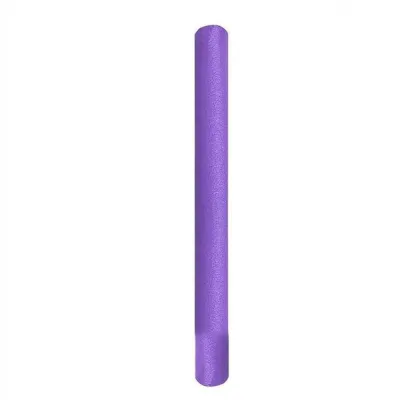
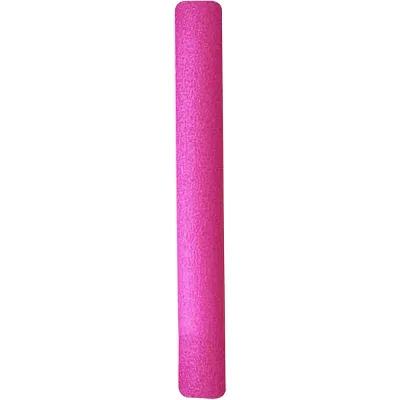
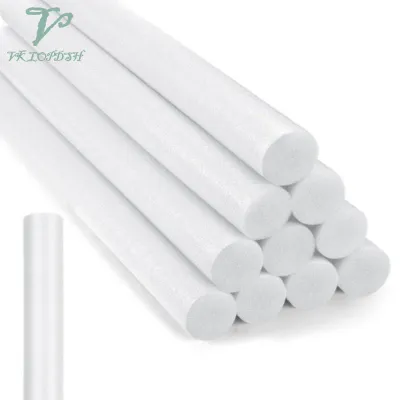
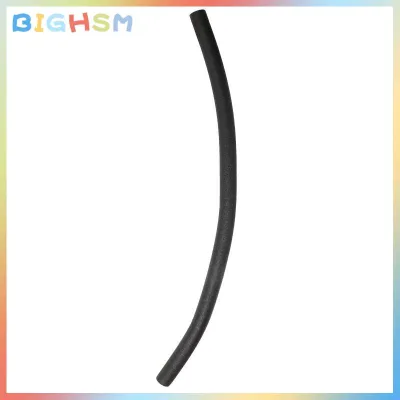
![[COD] CISWGE SPORTS 1Pcs Flexible Foam Swim Noodles High Buoyancy Colorful Hollow for Family Water Activity Kids Adult Pool Play](https://img.lazcdn.com/g/p/98c9061aef623373ca612eb847a07b49.jpg_400x400q80.jpg_.webp)
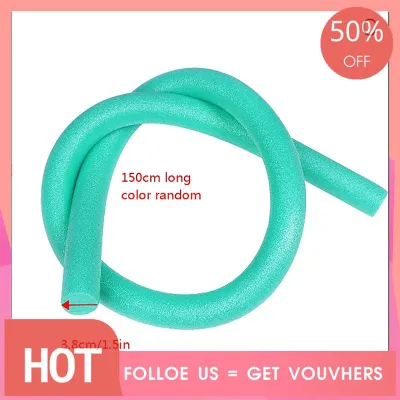
Prices are valid at publication and may change. Please refer to the product page for the latest price.
For adult water aerobics and fitness, the pool noodle serves as a source of resistance and support. Water aerobics exercises rely on the natural buoyancy of the foam to create drag when pushed beneath the surface. This requires a much firmer, denser noodle that can withstand repeated submersion without bending excessively or breaking. Adults also require greater overall buoyancy to support their body weight during deep-water suspension exercises.
For swim technique practice, such as kickboard drills or body alignment training, the noodle acts as a targeted flotation aid. It must provide stable, reliable support under the arms or hands to allow the swimmer to focus entirely on their leg kick and core positioning. Standard recreational noodles often bend too much under this pressure, causing the swimmer’s upper body to sink and disrupting their form.
Your physical profile—specifically your weight, age, and swimming skill level—directly dictates the amount of buoyancy and physical support you need. Heavier individuals require thicker, denser noodles to remain suspended, while beginners need highly stable flotation aids that do not roll or slip easily.
Crucially, you must recognize that a pool noodle is a recreational flotation aid and training tool, not a certified life-saving device. It does not possess the safety features, secure fastening, or guaranteed buoyancy of a certified personal flotation device (PFD) or life jacket. If you or your child cannot swim confidently, a foam noodle must never be used as a substitute for proper swim training, active adult supervision, or certified safety gear.
Match Noodle Specifications to Your Use Case
Size and Length
Physical dimensions play a critical role in how a pool noodle performs in the water. Standard retail noodles typically measure between 48 and 60 inches (approximately 120 to 150 centimeters) in length. While this standard length is highly versatile for general lounging and adult use, it can be unwieldy for young children or for specific isolation exercises. Shorter noodles, ranging from 30 to 36 inches, are much easier for children to control and are highly effective for targeted physical therapy or fitness drills where you only need support under a specific joint or limb.

The diameter of the noodle determines both grip comfort and water displacement. Most standard noodles have a diameter of 2.5 to 3 inches. This size is highly accessible, fitting comfortably in the hands of older children and average-sized adults. However, for larger adults or those seeking maximum flotation support, “jumbo” noodles with a diameter of 3.5 to 4 inches are available. These wider noodles displace significantly more water, providing substantially higher buoyancy, though they require a wider hand span and more grip strength to hold securely.
When choosing a length, consider your arm span and height. For exercises where you wrap the noodle around your back and under your arms, the noodle must be long enough to extend fully past your armpits to prevent slipping. A noodle that is too short will constantly slide out of position, disrupting your workout or practice session.
Density and Buoyancy
Foam density is the primary factor determining how much weight a noodle can support and how much physical resistance it provides. Soft, highly compressible polyethylene foam is the most common material found in budget-friendly noodles. This foam is highly flexible and comfortable against the skin, making it excellent for young children’s play and gentle, low-impact water relaxation. However, it compresses easily under pressure, meaning it will sink lower in the water when supporting an adult’s weight.
In contrast, firm, high-density foam noodles are engineered to resist compression. These noodles are essential for adult fitness routines and rigorous kickboard drills, as they maintain their shape and buoyancy even under significant physical load. High-density foam provides greater resistance when forced underwater, allowing you to perform highly effective upper-body and core strengthening exercises. The trade-off is that these noodles require more muscular effort to submerge and control, which may quickly fatigue beginners or younger users.
To ensure safety and performance, always check the manufacturer’s stated weight limits and buoyancy ratings on the product label. Do not rely on visual estimates or color-coded designs, as two identical-looking noodles can have vastly different densities and weight capacities depending on their internal foam structure.
Shape and Core Design
The internal structure of a pool noodle determines its durability, flexibility, and stability. Solid core noodles are manufactured without any hollow space inside. This solid construction offers the maximum possible buoyancy and structural durability. Because there is no central cavity, solid core noodles are highly resistant to bending, snapping, or collapsing under heavy weight, making them the superior choice for adult fitness and long-term use.
Hollow core noodles feature a circular hole running through the center. This design makes the noodle lighter, highly flexible, and easy to bend into loops or curves, which is highly popular for creative children’s games and easy packing. However, the hollow center reduces the overall volume of foam, resulting in lower buoyancy and a higher tendency to kink or tear under heavy stress.
For specialized activities, flat or half-round (D-shaped) noodles offer distinct advantages. A D-shaped noodle features one flat side and one rounded side. This flat surface prevents the noodle from rolling against your body, the pool floor, or the pool wall during exercises. This stability is highly beneficial for water aerobics, where rolling gear can cause loss of balance. It also allows the noodle to serve as a highly stable, non-slip alternative to a traditional kickboard during swim practice. Matching the shape of the noodle to your diagnosed activity ensures a much safer and more effective pool experience.
Verify Material Quality and Safety Boundaries
Evaluating the physical construction and material safety of a pool noodle before purchasing is essential for ensuring both product longevity and user safety. The most critical material specification to look for is a closed-cell foam structure. Unlike open-cell foam, which acts like a sponge and absorbs water, closed-cell foam consists of sealed, independent gas pockets. This structure completely blocks water absorption, ensuring the noodle remains lightweight and maintains its buoyancy throughout hours of use. Furthermore, because closed-cell foam does not retain moisture internally, it drastically reduces the risk of mold, mildew, and bacterial growth—a vital consideration in hot, humid climates like the Philippines where micro-organisms thrive.
Chemical safety is another paramount consideration, particularly for products used by young children who may accidentally bite, chew, or hold the foam close to their faces. Always check the product packaging or manufacturer specifications for non-toxic, BPA-free, and phthalate-free material declarations. High-quality manufacturers will clearly state these safety compliance standards on their labels.
Perform a thorough physical inspection before buying or using any foam noodle. Run your hands along the length of the noodle to check for smooth, consistent edges and a uniform foam density. Avoid noodles that exhibit hard lumps, uneven soft spots, or visible air pockets, as these defects indicate poor manufacturing and represent weak points where the noodle is likely to snap. Premium models often feature a durable outer vinyl or polyurethane coating. This protective layer shields the inner foam from chlorine, salt, and physical abrasions, preventing the foam from peeling, flaking, or crumbling into the pool water.
Finally, always respect the safety boundaries of this equipment. A foam noodle must never, under any circumstances, be relied upon as a substitute for active adult supervision or certified personal flotation devices. In deep water, open water, or pools with active currents, a noodle can easily slip from a swimmer’s grasp, leaving them without support. Equipment cannot replace proper swim training, sound judgment, and certified safety gear.
Maintain and Store Your Foam Noodle
Proper care and storage are essential to maximize the lifespan of your pool noodle, especially when dealing with the intense humidity, salt air, and strong UV radiation typical of tropical environments. After every pool or beach session, establish a simple maintenance routine: rinse the noodle thoroughly with clean, fresh tap water. This step is crucial for removing residual chlorine, salt, sunscreen oils, and pool chemicals, all of which can slowly break down the foam’s cellular structure and cause it to degrade prematurely.
Once rinsed, always air-dry the noodle completely in a shaded, well-ventilated area. While it may be tempting to leave pool toys out in the sun to dry quickly, the intense tropical sunlight is highly destructive to polyethylene foam. Prolonged direct UV exposure causes the foam to fade, lose its flexibility, and become extremely brittle, leading to cracking and crumbling.
For long-term storage, keep your pool noodles in a cool, dry, and well-ventilated space. Avoid storing them in direct contact with sharp objects, pool equipment brackets, or heavy items. Because foam is highly susceptible to compression memory, placing heavy objects on top of your noodles will leave permanent dents and flat spots, permanently reducing their structural integrity and buoyancy. Keeping them vertically in a dedicated mesh bin or horizontally on a flat shelf will keep them in peak condition for your next swim.
Frequently Asked Questions (FAQ)
Can adults use standard pool noodles for swimming practice?
Standard, low-density hollow noodles are generally designed for children’s play and do not provide sufficient buoyancy or structural resistance to support an adult’s body weight during active swimming practice. For adult kickboarding, stroke drills, or water resistance training, it is highly recommended to use high-density, solid-core, or specialized D-shaped noodles. These options provide the necessary firmness and support to maintain proper body alignment in the water.
How do I know if a pool noodle is safe for toddlers?
To verify if a pool noodle is safe for toddlers, first check the product label for certified non-toxic, BPA-free, and phthalate-free material declarations to ensure it is safe if accidentally chewed. Choose shorter, narrower noodles (around 30 inches long with a 2.5-inch diameter) that small hands can easily grip and control. Always remember that a pool noodle is a toy, not a safety flotation device; toddlers must always wear certified life jackets and remain under direct, arm’s-reach adult supervision.
Community discussion
Share your experience or ask a question. Comments are reviewed before publication.