
Choosing the right swimwear and flotation support for your daughter requires balancing comfort, coverage, and water safety. The ideal choice depends on her swimming proficiency, the specific water environment, and how well the gear fits her growing body. By focusing on snug-fitting fabrics, sun-protective designs, and certified flotation devices, you can ensure she stays secure and comfortable during every aquatic adventure.
Understanding Your Daughter's Water Activity and Safety Needs
In a tropical climate, water activities are a staple of family life, whether it is a weekend trip to a beach resort, swimming lessons at a local pool, or playing in a backyard pool. Ensuring your daughter has the right gear is essential for both her enjoyment and her safety. The choice between a standard swimsuit, a protective rash guard, or a dedicated flotation device depends entirely on her swimming skills and the specific water environment.
For structured swimming lessons, a streamlined swimsuit is usually the most practical choice because it minimizes drag and allows the instructor to observe her body alignment. Casual beach play, on the other hand, exposes her skin to intense tropical sun, abrasive sand, and saltwater, making a long-sleeved rash guard highly beneficial. When activities move to open water, deep pools, or boat rides, a reliable salbabida for kids girls becomes an indispensable safety requirement to provide necessary buoyancy.
Products mentioned in this guide
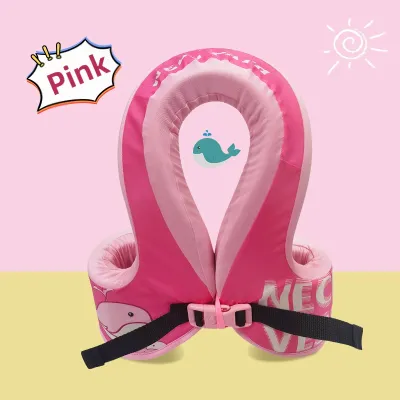
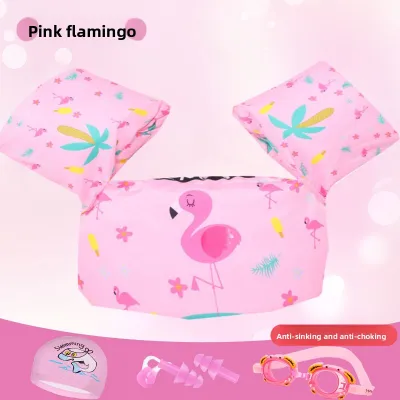
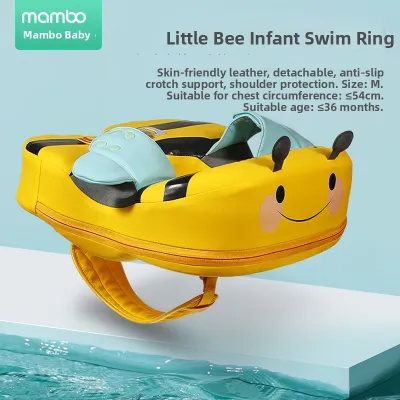
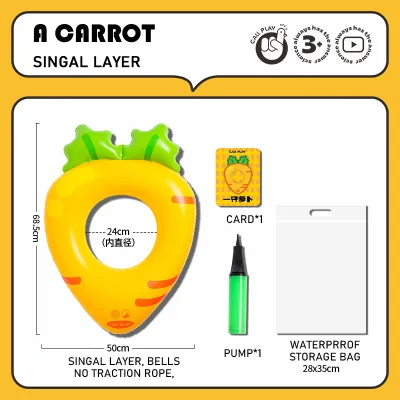
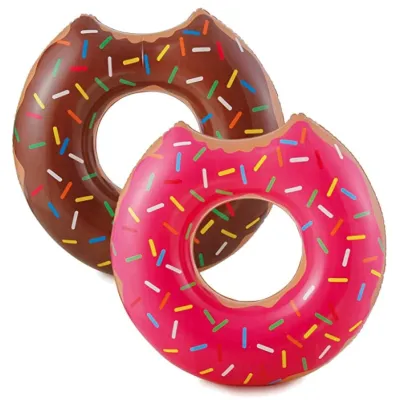
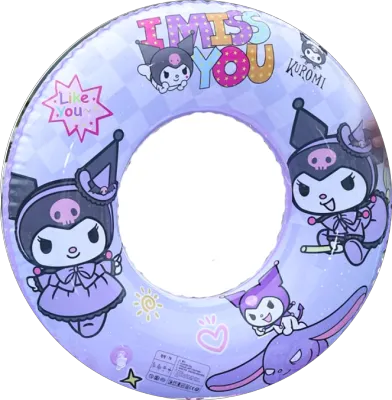
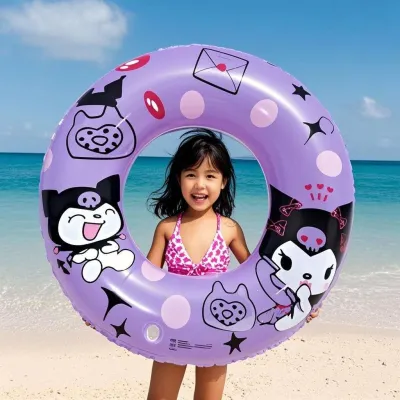
Prices are valid at publication and may change. Please refer to the product page for the latest price.
It is vital for parents to recognize that no flotation device can replace active adult supervision. A salbabida is designed to assist with buoyancy, but it is not a guarantee of absolute safety. Parents must remain within arm’s reach of young or inexperienced swimmers at all times, keeping a watchful eye on their movements regardless of the gear they are wearing.
Step 1: Selecting the Right Swimsuit Style and Coverage
Selecting the right style and coverage for your daughter’s swimsuit involves evaluating how she moves and how much sun exposure she will face. One-piece swimsuits offer a classic, secure fit that stays in place during active swimming, diving, and sliding. They are highly recommended for lessons and high-energy pool games because there are no separate pieces that can shift or ride up.

Two-piece sets and tankinis offer the convenience of easier bathroom breaks, which is a major practical consideration for younger children. However, they can sometimes shift during active play, potentially exposing skin to the sun or causing discomfort. If you choose a two-piece, look for designs with wide elastic bands and secure fits that do not slip easily when wet.
Full-body rash guards and swim shirts provide excellent coverage, especially in regions with high UV indexes. Long sleeves and high necklines shield sensitive skin from direct sunlight, significantly reducing the risk of sunburn and minimizing the need to constantly reapply sunscreen to her torso. When shopping, look for fabrics labeled with a high Ultraviolet Protection Factor (UPF) to ensure effective sun defense.
Pay close attention to the cut of the neckline, leg openings, and back design. High necklines prevent water from scooping into the front of the suit during active play, while medium-cut leg openings offer comfortable coverage without riding up or restricting leg movement. Racerback or cross-back strap designs are generally superior to straight vertical straps because they lock securely over the shoulder blades, preventing the straps from slipping down her arms while she swims.
Step 2: Evaluating Fit, Comfort, and Fabric for Growing Girls
A swimsuit must fit snugly to perform well, but it should never be so tight that it restricts movement or causes physical discomfort. To ensure a proper fit, perform a simple tension test on the straps and leg openings before your daughter enters the water. Slide two fingers under the shoulder straps; they should feel firm and secure against her skin without digging in or leaving deep red marks.
Next, check the leg openings to ensure the elastic sits flat against her thighs. If there is a visible gap, the suit is too large, which allows water to scoop inside, create drag, and cause the fabric to sag. Conversely, if the elastic pinches or leaves red indentations, the suit is too small and will likely cause painful chafing during active play.
Pay attention to the internal construction of the swimwear. Look for flatlock seams, which are stitched flat against the fabric to eliminate raised edges that rub against sensitive skin. Tagless labels or heat-sealed care instructions are also highly preferable, as traditional fabric tags can become stiff and scratchy when exposed to chlorine and saltwater, leading to constant irritation.
Remember that swimsuit fabrics, typically nylon-spandex blends, naturally stretch and loosen slightly when they become wet. For this reason, avoid the common temptation to “size up” to allow room for growth. An oversized swimsuit will sag, hold excess water, drag her down, and potentially slip off, compromising both her comfort and her safety in the water. Always select a snug, true-to-size fit for her current measurements.
Step 3: Choosing a Safe Salbabida for Flotation Support
When looking for a salbabida for kids girls, safety must be the absolute priority. In local contexts, the term “salbabida” is often used broadly to describe everything from inflatable rings and arm bands to certified life jackets. For genuine flotation support and safety, parents must distinguish between recreational water toys and certified personal flotation devices.
Recreational inflatable toys, such as arm bands or swim rings, are not safety devices. They can easily puncture, slip off wet skin, or deflate unexpectedly. Furthermore, they do not keep a child’s head reliably above water if she panics. A certified life vest or flotation jacket, marked with official safety certifications from maritime or coast guard authorities, is designed to keep the wearer buoyant and upright in the water.
Always verify the manufacturer’s weight and chest size limits printed on the product label. Never select a salbabida based solely on general age recommendations, as children of the same age can vary significantly in size and weight. Before purchasing, weigh your daughter and measure her chest circumference just under her armpits, then match these measurements directly to the specifications on the safety label.
A secure closure system is critical to prevent the flotation device from failing in the water. Look for a vest equipped with a durable crotch strap, which runs between the legs and buckles securely at the front. This strap prevents the vest from riding up over your daughter’s chin and face when she enters the water, ensuring her airway remains clear. Additionally, check for heavy-duty, adjustable chest straps with quick-release buckles that allow you to customize the fit to her body shape.
Step 4: Verifying Fit and Safety Before Entering the Water
Before your daughter steps into the pool or ocean, it is essential to perform a quick safety and fit check on dry land and in shallow water. Start with a dry-land mobility test to ensure she can move freely. Have her put on her swimsuit and salbabida, then ask her to perform a few simple movements: lifting her arms straight up, bending over to touch her toes, and taking deep breaths.
During these movements, observe how the gear behaves. If the salbabida slides up to touch her ears or chin when she raises her arms, the straps need to be tightened. If the straps are fully tightened and the vest still rides up, the device is too large and must be replaced with a smaller size. She should be able to move her arms and legs without any restriction or pinching.
Once the dry-land check is complete, conduct a shallow-water test in a controlled environment where you can stand directly next to her. Let her gently float on her back and stomach while you observe the fit. The swimsuit should remain securely in place without sagging or shifting, and the salbabida should keep her chin comfortably and consistently above the water surface without tilting her body awkwardly.
If you notice the gear shifting, riding up, or causing her to struggle to maintain a comfortable position, stop the activity immediately. Exit the water to adjust the straps or replace the gear with a better-fitting alternative. Taking these few minutes to verify fit ensures a safe, comfortable, and worry-free swimming experience for both you and your daughter.
Frequently Asked Questions (FAQ)
How often should I replace my daughter's swimsuit or salbabida?
Swimsuits generally need replacement when the fabric loses its elasticity, becomes thin or translucent, or begins to sag when dry. Chlorine, saltwater, and intense tropical sun break down spandex fibers over time, compromising the fit and coverage. A salbabida must be replaced immediately if you observe any physical damage, such as ripped fabric, broken buckles, frayed straps, or if your daughter exceeds the weight or chest limits specified on the manufacturer’s label.
Can my daughter wear a regular swimsuit under a salbabida?
Yes, she should wear a snug-fitting swimsuit or rash guard underneath her salbabida. This layer protects her skin from direct friction against the vest’s synthetic materials, preventing chafing and irritation. Avoid placing loose-fitting clothing, heavy cotton t-shirts, or oversized swimwear under the vest, as these fabrics absorb water, become heavy, bunch up, and can cause severe skin irritation or compromise the secure fit of the flotation device.
Community discussion
Share your experience or ask a question. Comments are reviewed before publication.