
Finding the right swimsuit style is a balance of understanding your body proportions, matching the cut to your planned water activity, and choosing support features that make you feel secure. For many adults, building confidence in the water also involves pairing the right swimwear with a reliable floatation aid, such as a salbabida for adult, to ensure safety and relaxation go hand-in-hand. Whether you are prepping for a weekend in Batangas, exploring the lagoons of El Nido, or swimming laps in a local sports complex, understanding how cuts and buoyancy tools work together allows you to enjoy the water without hesitation.
Swimwear should never feel like a restriction; instead, it should serve as functional gear that supports your body shape and matches your skill level. By selecting the right cuts and integrating proper safety equipment, you can focus on the joy of swimming rather than adjusting sliding straps or worrying about deep water.
Assess Your Body Shape and Water Activity Needs
Before browsing online catalogs or visiting a local department store, take a moment to assess your natural proportions. Stand in front of a full-length mirror in neutral lighting to perform a visual body shape check. Rather than focusing on exact tape measurements, observe the relationship between your shoulders, waist, and hips.
Products mentioned in this guide
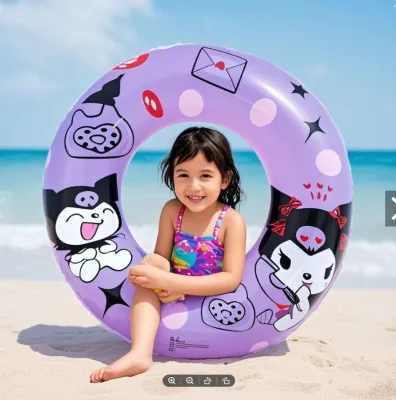
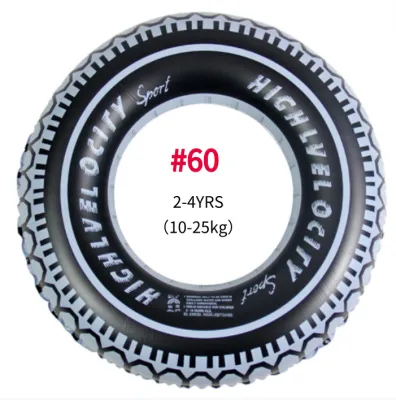
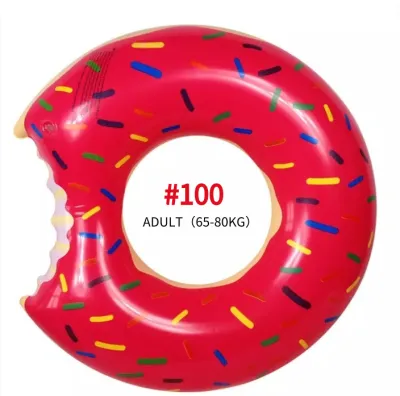
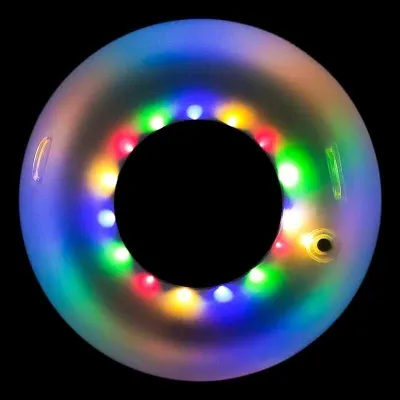
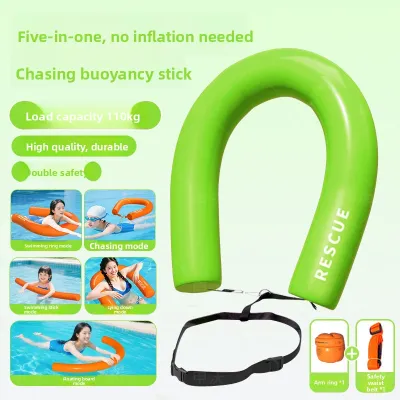
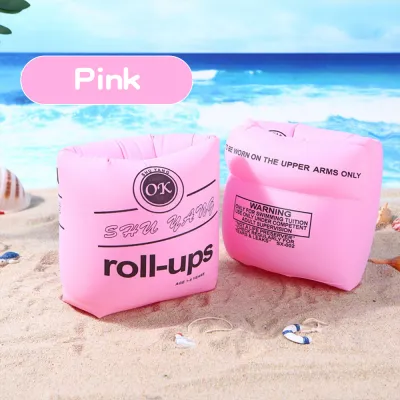
Prices are valid at publication and may change. Please refer to the product page for the latest price.
A pear shape typically features hips that are wider than the shoulders and a defined waist. An apple shape carries weight primarily around the midsection with narrower limbs. An hourglass shape presents a balanced bust and hip ratio with a highly defined waist, while a rectangular shape shows a more uniform width from the shoulders down to the hips. Recognizing these baseline proportions helps you understand where fabric cuts can add visual volume or streamline your silhouette.
Forget restrictive styling rules that dictate what you must wear. The best swimsuit is the one that aligns with your personal comfort and confidence zones. Decide which areas you want to highlight, support, or minimize. If you prefer high bust support or want to draw attention to your shoulders and collarbones, your choice of necklines and straps will differ from someone who prioritizes complete midsection coverage. Your comfort is the ultimate metric for fit, and choosing a style that matches your confidence level ensures you feel relaxed when stepping onto the sand or pool deck.
Your destination and planned activities determine your gear requirements. Lounging in a resort pool in Tagaytay requires very different support than battling the strong surf of La Union or snorkeling in the deep waters of Honda Bay. Active swimming demands secure straps, drag-reducing cuts, and durable fabrics that resist chlorine degradation.
Meanwhile, tidal currents and open-water beach activities in the Philippines call for swimwear that stays put under pressure, often paired with a buoyancy aid to manage fatigue. Matching your swimsuit to the venue ensures you remain safe, comfortable, and prepared for the specific water conditions you will encounter.
Match Swimsuit Cuts to Your Body Type
Once you understand your body shape and plans, you can dive into specific swimsuit designs. Different cuts offer unique physical support and visual proportions. Let’s break down how one-piece suits, tankinis, and two-piece options perform across different body profiles.

One-Piece Swimsuits and Tankinis
One-piece swimsuits and tankinis are highly effective for apple and rectangular body shapes. For apple shapes, a unified piece provides a smooth, continuous line down the torso, offering structural support where it is needed most. For rectangular shapes, a one-piece can visually break up the straight silhouette, creating the illusion of curves through strategic cutouts, side detailing, or waist-defining patterns.
Look for strategic design features such as ruching (gathered fabric) across the stomach area, which naturally diffuses light and provides comfortable tummy control without tight, unbreathable compression. Color blocking—such as dark side panels with a lighter central strip—visually narrows the torso.
Mesh panels offer a stylish touch while allowing airflow, which is highly beneficial in the humid Philippine climate. High-neck one-pieces are also excellent for protecting the chest from intense sun exposure during long days on a boat.
The tankini serves as a versatile middle ground for those who want the full coverage of a one-piece but require a more customizable fit. If you have different sizes for your top and bottom—a common scenario for pear and hourglass shapes—tankinis allow you to mix and match sizes easily. They also offer unmatched convenience for bathroom breaks and are highly practical for long beach days where you might transition from swimming to dining at a beachside cottage.
Two-Piece Swimsuits and Bikinis
Two-piece swimsuits and bikinis are excellent for hourglass and pear shapes because they celebrate and accommodate natural curves. Because these shapes have distinct differences between bust and hip measurements, buying separate tops and bottoms prevents the fabric pulling or sagging that can occur in one-piece suits. This independent sizing guarantees a secure, customized fit that respects your actual proportions.
Support is crucial, especially during active movement. If you have a fuller bust, look for underwire tops, wide under-bust bands, or thick halter straps that distribute weight evenly across your shoulders and back. For smaller busts, triangle tops or bandeau styles can offer comfort without excess fabric, but ensure they have adjustable straps if you plan to swim in active surf. Avoid thin, non-adjustable straps if you plan to engage in beach sports, as they can easily slip.
Bottom cuts dramatically alter your visual proportions and security. High-waisted bottoms sit at the natural waist, highlighting the narrowest part of your torso while offering secure coverage for the lower stomach. Boy shorts provide maximum coverage and are excellent for active beach volleyball or snorkeling, while classic bikini cuts offer a timeless balance of coverage and leg-lengthening lines. High-cut legs can visually elongate the thighs, making them a popular choice for shorter frames.
Integrating an Adult Salbabida for Buoyancy and Confidence
Swimwear is only part of the equation when it comes to enjoying the water safely. An adult salbabida—whether a traditional swim ring, a floatation belt, or a life vest—is a vital tool for safety, skill-building, and relaxation.
You should consider using a salbabida for adult if you experience rapid fatigue while treading water, are recovering from a physical injury that limits your limb mobility, are still learning basic swimming strokes, or simply want to float effortlessly in deep resort pools without physical exertion. Recognizing your physical limits is a sign of smart watermanship, not a lack of ability. However, remember that floatation equipment cannot replace proper training, water safety skills, or sober judgment.
Not all floatation aids are created equal, and you must match the device to your specific environment and skill level. For open-water excursions, boat rides, or snorkeling in deep coastal waters, a Coast Guard-approved life jacket or personal floatation device (PFD) is absolutely mandatory. These devices are designed to keep your head above water even in rough currents.
For recreational pool lounging, light water aerobics, or calm beach shores, a recreational floatation belt, swim ring, or inflatable noodle provides comfortable support without the bulk of a heavy vest. Always check the manufacturer’s weight capacity, load limits, and safety certifications before entering the water, as overloading a floatation device can compromise its buoyancy.
To ensure comfort and safety, your swimwear and floatation device must work in harmony. When wearing a salbabida for adult over your swimsuit, check for potential friction points. A sleek one-piece or a secure tankini provides the smoothest base, preventing the straps or edges of a life vest from rubbing directly against your skin.
If you wear a bikini, ensure the ties and hardware do not sit directly under the straps of your floatation aid, as the pressure can cause painful chafing or bruising. Adjust the straps of your floatation device so it fits snugly over your swimwear without riding up or restricting your arm movement.
Verify the Fit and Function Before You Swim
Before heading out to the beach or pool, test your swimsuit’s fit at home. Put on the suit and perform a series of active movements: stretch your arms overhead, twist your torso, do a few deep squats, and walk around. Check if the straps slip down, the leg openings ride up, or the fabric gapes at the bust. If you feel restricted or find yourself constantly adjusting the fabric, you may need to size up or choose a different cut. A swimsuit should feel snug but never painful or restrictive.
If you are using a life vest or floatation aid, perform a quick safety check. Fasten all buckles and adjust the straps to a snug fit. Have a partner gently lift the vest by the shoulder straps. If the vest slides up past your chin or covers your ears, it is too loose or too large. A properly fitted floatation aid should stay securely in place around your torso, ensuring it will keep your head safely above water when you step into the pool or sea. Never enter deep water with an unverified or poorly fitting floatation device.
To protect your investment, check the care label on your swimwear. Look for materials labeled as chlorine-resistant or UV-resistant, which hold up better under the intense Philippine sun. After swimming, always rinse your swimsuit and floatation gear in cool, fresh water to remove chlorine, salt, and sand.
Avoid wringing your swimsuit aggressively or drying it in direct sunlight, as high heat and UV rays quickly break down the elastic fibers and fade the colors. Lay it flat in a shaded, well-ventilated area to dry to prevent mold and mildew in high humidity.
Frequently Asked Questions (FAQ)
Can I wear a salbabida over any type of swimsuit?
Yes, you can wear a salbabida for adult over any swimsuit style, but sleek one-pieces or secure tankinis generally offer the most comfortable and chafe-free experience. These styles prevent the straps of a life vest or floatation belt from rubbing directly against your bare skin or catching on loose bikini ties.
How do I prevent my swimsuit from fading in chlorinated pools?
To prevent fading and preserve elasticity, rinse your swimsuit in cool, fresh water immediately after leaving the pool. Hand wash it using a mild detergent, avoid twisting or wringing the fabric aggressively, and lay it flat to dry in a shaded, well-ventilated area rather than exposing it to direct sunlight or a machine dryer.
Are high-waisted bikini bottoms suitable for active swimming?
High-waisted bikini bottoms are excellent for light swimming, lounging, and beach activities, but they may not be ideal for high-intensity lap swimming or water sports. During vigorous movement, the high waistband can roll down or trap water, creating drag. For active water sports, a secure, lower-rise athletic cut is generally more functional.
Community discussion
Share your experience or ask a question. Comments are reviewed before publication.