
Selecting the right tactical groin protector is one of the most critical decisions you will make for your combat sports journey, directly impacting both your physical safety and your ability to move freely during intense training. Unlike standard athletic cups designed for team sports, tactical groin protectors are engineered to withstand multi-directional impacts, grappling friction, and high-velocity strikes. Finding the ideal balance between robust coverage and unrestricted mobility requires a systematic evaluation of your training discipline, the specific coverage area needed, and the security of the retention system.
In warm, humid environments like the Philippines, selecting a model with advanced ventilation and moisture-wicking properties is equally critical to prevent skin irritation and maintain focus during long sparring sessions. High humidity accelerates sweat buildup, which can cause inferior materials to slip, chafe, or degrade prematurely. Investing in a high-quality, well-ventilated protector ensures that you can train comfortably and safely under tropical conditions.
It is vital to remember that no piece of protective equipment can substitute for controlled sparring, proper defensive technique, and mutual respect between training partners. Protective gear serves as a secondary line of defense against accidental strikes, not a license to engage in reckless training behavior. Before stepping onto the mat, ensure you understand the limits of your gear and prioritize technical proficiency over reliance on armor.
Products mentioned in this guide
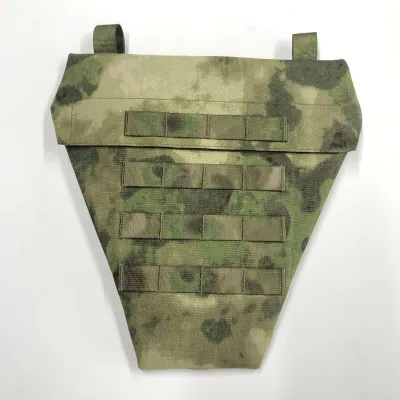
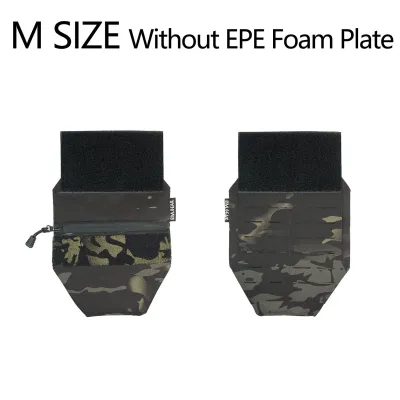
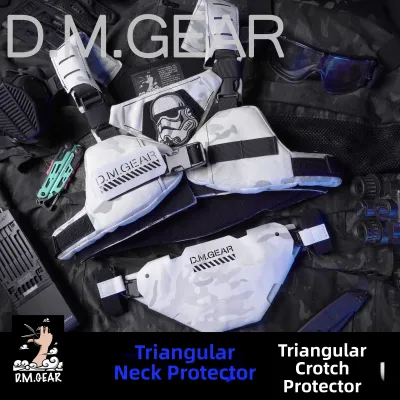
Prices are valid at publication and may change. Please refer to the product page for the latest price.
What Defines a Tactical Groin Protector in Combat Sports?
To choose the right gear, you must first understand what distinguishes a tactical groin protector from a standard athletic cup. Standard cups are typically simple plastic inserts slipped into a basic pocket within compression shorts. While suitable for sports like baseball or light contact, they often lack the structural integrity, coverage, and secure anchoring required for the dynamic, multi-directional forces of combat sports.
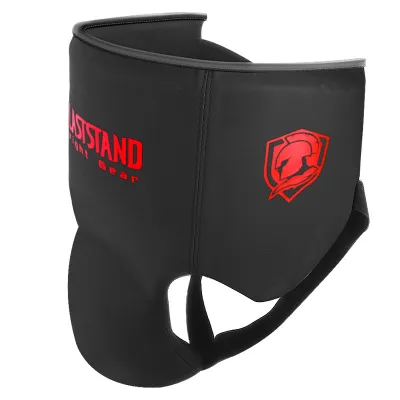
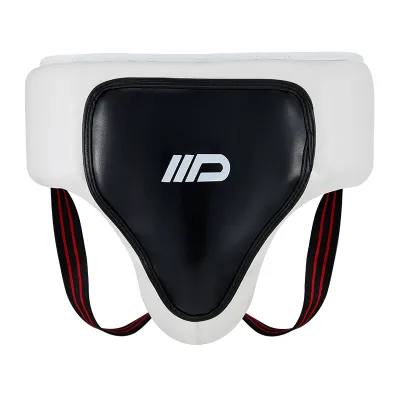
A tactical groin protector features a reinforced outer shell, often constructed from high-impact polymers, carbon fiber composites, or even lightweight metals. This shell is paired with an integrated, heavy-duty strapping system—such as a wide, high-tension elastic waistband and adjustable leg loops—that anchors the protector firmly against the pelvis. This specialized construction ensures that the cup remains centered over the vital areas even during high kicks, deep lunges, or intense grappling scrambles.
These protectors are primarily designed for high-impact scenarios where the risk of accidental, forceful low blows is elevated. This includes full-contact sparring in striking arts, weapon-based martial arts training where training blades or sticks are used, and tactical simulation drills. In these environments, a standard cup can easily shift upon impact, leading to severe injury if the edge of the cup is driven into the very tissue it is meant to protect.
Choosing a tactical groin protector involves an inherent trade-off between maximum physical protection and unrestricted mobility. A larger, more heavily padded protector offers superior coverage, shielding not only the groin but also the lower abdomen and the inguinal crease. However, this added bulk can restrict deep hip flexion, making it more difficult to execute high kicks or transition smoothly on the ground. Conversely, a minimalist, low-profile cup offers excellent mobility but leaves the surrounding soft tissues vulnerable to stray strikes. Balancing these two factors depends heavily on your specific training style and personal comfort.
Core Features to Evaluate for Maximum Protection and Mobility
When comparing different tactical groin protectors, you should systematically evaluate several key design elements to ensure the gear meets your performance and safety requirements.

Protection Level and Shell Design
The core of any groin protector is its outer shell. You should verify the manufacturer’s specifications regarding the shell material, looking for high-impact polymers or carbon fiber composites that offer high rigidity without excessive weight. The shape of the shell must be anatomically contoured to distribute the force of an impact away from sensitive areas and onto the surrounding pelvic bone. Look for designs that feature a rubberized or foam-padded perimeter, which acts as a shock absorber to cushion the transition between the hard shell and your body.
Coverage Area
Different models offer varying degrees of coverage. Standard designs focus solely on protecting the immediate groin area, while extended tactical models feature a high-rise waist to shield the lower abdominal wall from low-blowing front kicks. Some advanced designs also include lateral flared edges to protect the hips and upper thighs. Assess your training risks to decide if you require the comprehensive safety of an extended-coverage model or the streamlined freedom of a classic cup design.
Strapping and Suspension Systems
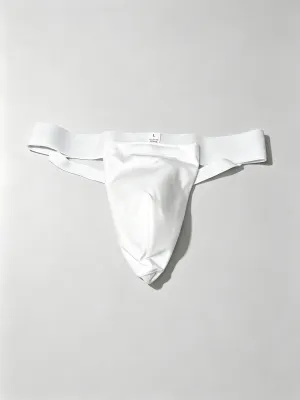
A protector is only as effective as the system that holds it in place. Look for wide, heavy-duty elastic waistbands that distribute pressure evenly across your hips without digging into your skin. Adjustable leg straps or a jock-style harness are essential for anchoring the lower portion of the cup, preventing it from riding up or shifting laterally during lateral movements. Ensure the hardware, such as buckles or hook-and-loop fasteners, is low-profile and securely stitched to prevent scratching or catching on your training clothing.
Breathability and Moisture Management
In tropical climates, heat and sweat accumulation can quickly turn a training session into an uncomfortable ordeal. Look for protectors that feature integrated ventilation channels or perforated shells that allow air to circulate. The inner lining should be constructed from moisture-wicking, antimicrobial fabrics that draw sweat away from the skin and dry quickly. Removable liners are highly advantageous, as they allow you to wash the fabric components thoroughly after every session, preventing the buildup of odor-causing bacteria.
Sizing and Fit: Preventing Dangerous Shifting During Sparring
An improperly fitted groin protector is not just uncomfortable; it can be actively dangerous. If the cup is too loose or shifts out of position, an impact can cause the hard edge of the shell to press directly into sensitive tissue, potentially causing more harm than if you were wearing no protection at all.
To find the correct size, start by taking accurate measurements of your waist and hips using a flexible measuring tape. Most manufacturers provide detailed sizing charts that correlate these measurements with specific cup and waistband sizes. Do not rely on your standard pants size, as athletic gear sizing can vary significantly between brands. If your measurements fall between two sizes, consider the shape of your thighs and hips; those with a more muscular build may need to size up to prevent the straps from pinching.
Once you receive your protector, perform a practical “movement test” in a safe, clean environment before using it in training. Put on the gear over your underwear and perform a series of dynamic movements that mimic your actual training routine. Execute several high roundhouse kicks, perform a deep squat or sprawl, and try shrimping or guard transitions on a clean mat. The protector should remain firmly centered throughout these movements without requiring manual adjustment.
During your movement test, stay alert for warning signs of a poor fit. Pinching or digging along the edges of the cup indicates that the shell is too small or poorly shaped for your anatomy. If you notice gaps between the padded perimeter of the protector and your body, the cup is too large or the strapping system is too loose, which will allow the gear to shift upon impact. Finally, if you experience numbness, tingling, or restricted blood flow in your thighs, the leg straps are too tight and must be adjusted or resized.
Matching the Protector to Your Specific Martial Art Discipline
Your choice of tactical groin protector should align closely with the unique physical demands, common strikes, and rules of your specific martial art.
Striking Arts
In striking disciplines like Muay Thai, kickboxing, and boxing, the risk of receiving powerful, high-velocity kicks and knee strikes to the lower body is high. For these arts, prioritize protectors that offer extended lower abdomen coverage and thick, high-density foam padding around the edges of the shell. The design should be robust enough to absorb and disperse heavy impact forces, even if it means sacrificing a small amount of ground-grappling mobility.
Grappling and MMA
Disciplines like Brazilian Jiu-Jitsu, wrestling, and Mixed Martial Arts (MMA) involve constant close-contact ground work, guard transitions, and takedowns. A bulky, high-profile protector will snag on your opponent’s clothing, interfere with your guard retention, or make it difficult to close your guard. For these arts, choose a low-profile, streamlined design with a secure, flush-fitting strapping system that moves seamlessly with your hips and does not create a barrier during close-contact grappling.
Traditional Martial Arts
Arts such as Taekwondo and Karate emphasize rapid footwork, high-flying spinning kicks, and sudden changes of direction. In these disciplines, weight and flexibility are the primary concerns. A heavy, restrictive protector will slow down your kicks and fatigue your hip flexors. Look for lightweight, highly flexible protectors that balance basic impact resistance with maximum freedom of movement, allowing you to execute fast, snapping kicks without restriction.
Final Pre-Purchase Checklist for Safety and Durability
Before finalizing your purchase on any online marketplace or at a local specialty sports store, run through this verification checklist to ensure you are investing in a safe, durable product.
- Verify Manufacturer Specifications: Check the product label or official online listing for detailed information on the materials used, impact resistance ratings, and intended sport usage. Avoid products that lack clear material specifications.
- Check for Safety Certifications: Look for recognized sports safety standards or compliance marks relevant to combat sports protective equipment. These marks indicate that the product design has undergone standardized testing for impact dispersion.
- Review Return and Exchange Policies: Because groin protectors are personal hygiene items, many retailers have strict limitations on returns. Verify if the seller allows exchanges for sizing issues, and keep all original packaging and tags intact during your initial home fitting.
- Analyze User Feedback: Read customer reviews specifically looking for mentions of long-term durability. Pay close attention to comments regarding strap fraying, shell cracking under impact, or issues with the cup shifting during active sparring. Consistent complaints in these areas are a strong indicator to look elsewhere.
Frequently Asked Questions (FAQ)
How should I clean and maintain a tactical groin protector?
To maintain proper hygiene and extend the lifespan of your protector, separate the removable cup from the fabric strapping system or liner after every training session. Hand wash the fabric components in cool water using a mild, non-abrasive detergent to preserve the elasticity of the straps. Wipe down the hard outer shell with a damp cloth and a mild sanitizing solution or soap. Allow all components to air-dry completely in a well-ventilated area away from direct sunlight or high heat sources, as excessive heat can warp the plastic shell and degrade the elastic fibers.
When is it time to replace my groin protector?
You should inspect your protective gear regularly for visible signs of wear and structural compromise. Replace your protector immediately if you notice hairline cracks in the hard shell, frayed or stretched-out elastic straps that no longer hold the cup securely, or compressed foam padding that fails to rebound. Additionally, any major, direct impact that causes visible deformation, deep gouges, or cracking requires immediate replacement, as the structural integrity of the shell has been compromised and will not offer adequate protection against subsequent strikes.
Community discussion
Share your experience or ask a question. Comments are reviewed before publication.