
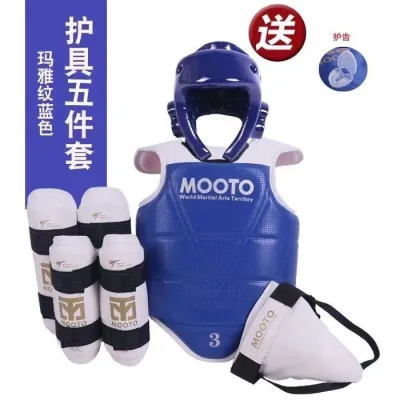
Starting Taekwondo training in the Philippines requires a clear understanding of the protective equipment needed to practice safely. A complete beginner’s Taekwondo armor gear set typically consists of a chest protector (hogu), headgear, shin guards, and forearm guards, often accompanied by supplementary items like groin guards and mouthguards. While this gear is designed to absorb impact and minimize minor injuries during sparring (kyorugi), it is important to recognize that protective equipment cannot replace proper training, physical conditioning, or defensive judgment. Beginners must always train under the direct supervision of a certified instructor and stop sparring immediately if they experience dizziness, severe pain, or if their gear shifts out of place. Selecting the right set involves evaluating comfort, verifying safety standards, and ensuring a precise fit to match the tropical climate and training conditions of local dojangs.
What to Expect in a Complete Taekwondo Armor Set
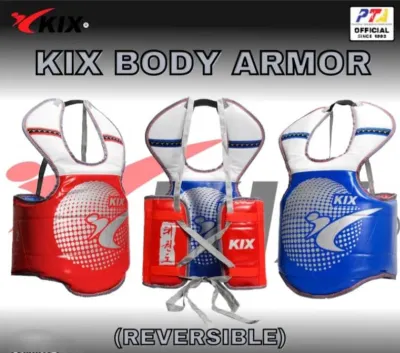
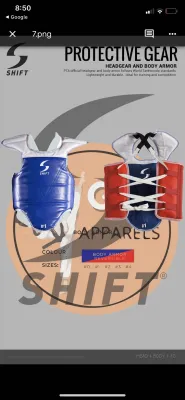
Understanding the components of a complete Taekwondo armor gear set ensures you do not overlook critical protective pieces before your first sparring session. The central component of any set is the hogu, or chest protector. This reversible vest—typically colored red (hong) on one side and blue (cheong) on the other—covers your torso, ribs, and collarbones. Its primary role is to absorb and distribute the force of trunk kicks, which are the most common scoring strikes in Taekwondo.
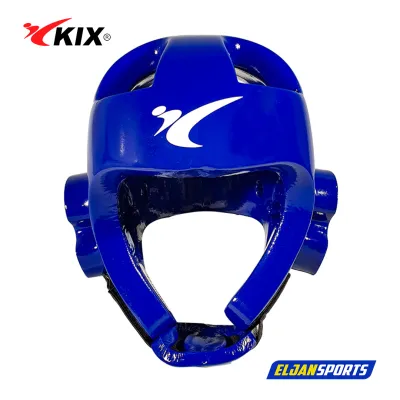
Headgear is another indispensable piece of equipment designed to protect the skull, temples, and ears from accidental high kicks. Even in light sparring, head contact can occur, making a well-fitted helmet essential for dampening impact. Beginner headgear is usually constructed from dipped foam or dense polyurethane, providing a lightweight barrier that does not severely limit your field of vision.
Products mentioned in this guide
Prices are valid at publication and may change. Please refer to the product page for the latest price.
To protect your limbs during blocks and exchanges, a complete set must include matching arm and shin guards. Forearm guards shield the ulna when blocking incoming kicks, while shin guards protect the tibia during offensive kicks and defensive collisions. These guards are typically separate pieces secured by elastic straps, allowing them to contour closely to your limbs.
Finally, a truly comprehensive beginner set should include supplementary items, or you must budget to purchase them separately. These items include a groin guard (essential for both male and female practitioners), sparring gloves to protect the knuckles and wrists, and a mouthguard to protect the teeth and jaw. Before purchasing a bundled set, always read the product description carefully to verify which of these accessories are included in the package.
How to Evaluate Taekwondo Armor Gear for Comfort and Mobility
When choosing your first gear set, balancing protection with mobility is key to developing proper technique. Heavy or overly rigid armor can restrict your movement, making it difficult to execute quick pivots, high kicks, or rapid footwork. Beginners should look for gear that utilizes high-density, lightweight foam padding that offers sufficient impact resistance without adding unnecessary bulk to the body.

The closure systems used on the gear significantly affect both convenience and security during intense training. Velcro straps are highly popular for limb guards because they allow for quick adjustments and easy self-fitting. However, traditional tie-up strings on a hogu offer a more customizable and secure fit that is less likely to shift during active movement, though they often require a classmate or coach to help you tie them.
In the warm and humid climate of the Philippines, breathability and moisture management are critical factors for comfort. Training in non-air-conditioned dojangs can lead to heavy sweating, which can cause gear to slip or irritate the skin. Look for chest protectors and headgear that feature built-in ventilation holes, mesh panels, or moisture-wicking inner linings that help channel sweat away from your body.
Ergonomic design is another feature that separates high-quality gear from poorly constructed alternatives. High-quality shin and forearm guards are pre-curved to match the natural contour of your limbs, preventing the edges from digging into your joints. A well-designed hogu will feature contoured shoulder cuts and a tapered waist, allowing your arms to swing freely during blocks and your hips to rotate without restriction.
How to Verify Safety Standards and Material Quality
Before investing in a Taekwondo armor gear set, you must verify that the materials and construction meet recognized safety benchmarks. If you plan to participate in official tournaments sanctioned by the Philippine Taekwondo Association (PTA) or international bodies, look for gear that carries the World Taekwondo (WT) approved logo. This logo indicates that the gear has undergone standardized testing for impact absorption and coverage.
Even for casual dojang practice, evaluating the foam density is crucial for your safety. High-quality protective gear typically utilizes multi-layer EVA (Ethylene-Vinyl Acetate) foam or shock-absorbing polyurethane. You can verify the quality of the padding by pressing firmly on the foam; it should feel dense and spring back to its original shape immediately, rather than feeling soft, spongy, or bottoming out easily under pressure.
The outer shell of the gear must be durable enough to withstand repeated friction, sweat, and impact. Look for covers made from premium PU (polyurethane) leather or heavy-duty vinyl. These synthetic materials are highly resistant to tearing from sharp toenails or rough mats, and they do not absorb moisture, making them much easier to clean and sanitize after a grueling workout.
Inspect the stitching and reinforcement points of the gear before making a purchase. Pay close attention to the areas where straps are anchored to the hogu or limb guards, as these stress points experience the most tension during use. Double-stitched seams and reinforced cross-stitching at strap attachments are reliable indicators of a durable product that will not unravel after a few months of regular sparring.
Step-by-Step Guide to Measuring and Fitting Your Gear
An improper fit can compromise the protective capabilities of your armor and restrict your movement. To ensure you order the correct size, start by taking accurate measurements of your body. For the hogu, measure your chest circumference at the widest point and the distance from your collarbone to your hip bone, then compare these figures against the manufacturer’s sizing chart, which typically ranges from size 0 (for young children) to size 5 or larger.
To fit your headgear correctly, wrap a flexible measuring tape around the widest part of your head, about one inch above your eyebrows. When trying on the helmet, it should sit snugly against your forehead and temples without causing painful pressure points. Ensure the chin strap secures the helmet firmly so it does not slide over your eyes when you move, while still allowing you to open your mouth comfortably to breathe and speak.
For limb guards, measure the length of your shin from just below the kneecap to the top of your ankle, and your forearm from the elbow joint to the wrist. The guards should cover the entire length of the bone to maximize protection. However, they must not overlap your knee, ankle, or elbow joints, as this will restrict your flexibility and cause discomfort during dynamic movements.
When you are between sizes on a manufacturer’s chart, consider how the gear will be worn. Because you will wear a dobok (uniform) underneath your armor, a slightly larger hogu may provide better coverage, provided it does not ride up against your throat when you sit or bend. For limb guards, a snugger fit is generally preferred to prevent the pads from spinning or sliding down your arms and legs during active exchanges.
Smart Purchasing Tips for Online and Local Sports Stores
Finding a reliable Taekwondo armor gear set in the Philippines involves comparing local physical stores with online marketplaces. Visiting a local sporting goods store or a specialized martial arts distributor allows you to try on the gear in person, ensuring a perfect fit before spending your money. However, online platforms often offer a wider selection of beginner bundles, which can be more cost-effective.
If you decide to purchase your gear online, always check the retailer’s return and exchange policies. Because protective gear must fit precisely to be safe, you need to ensure the seller allows hassle-free exchanges if a component of the set does not fit your body shape. Look for sellers who offer clear sizing assistance and have positive customer reviews regarding their return process.
Be meticulous when reading online product descriptions to verify the completeness of the set. Some listings may use images of a fully geared practitioner but only include the hogu and headgear in the actual package. Make a checklist of the items you need—hogu, headgear, shin guards, forearm guards, groin guard, and mouthguard—and confirm which items are included to avoid unexpected extra costs.
Finally, consider budgeting for a dedicated, ventilated gear bag to carry your equipment. Taekwondo armor is bulky, and packing damp gear into a sealed plastic bag in the Philippine heat will quickly lead to unpleasant odors and material degradation. A mesh gear bag allows air to circulate, helping your equipment dry out naturally on your journey home from the dojang.
Frequently Asked Questions (FAQ)
How should I clean and maintain my taekwondo armor gear?
To maintain hygiene and prolong the lifespan of your gear, wipe down all PU leather and vinyl surfaces with a damp cloth and mild, diluted soap after every training session. Avoid using harsh chemical bleach or abrasive cleaners, as these can degrade the synthetic outer shell and break down the internal shock-absorbing foam. Once wiped clean, allow all pieces to air-dry completely in a well-ventilated indoor area away from direct sunlight, which can warp the plastic and dry out the synthetic covers.
Do beginners need WT-approved gear for regular training?
Beginners do not strictly need WT-approved gear for daily training and basic dojang sparring, as non-approved gear from reputable manufacturers offers sufficient protection at a more accessible price point. However, if you plan to enter local tournaments or promotional tests sanctioned by official bodies, WT-approved equipment is usually mandatory. Always consult your specific instructor or dojang head before purchasing your set to ensure you comply with their school-specific safety and branding guidelines.
Community discussion
Share your experience or ask a question. Comments are reviewed before publication.