
Choosing the right kicking pad for Taekwondo in the Philippines requires balancing your personal training goals, your role during practice, and the demanding tropical climate. Whether you are training in a local dojang, practicing at home, or coaching competitive athletes, the equipment you select directly impacts both your skill development and your physical safety. The ideal pad must absorb high-velocity impact, provide clear tactile feedback, and withstand the intense humidity and sweat characteristic of training in the country.
To make an informed purchase, you must evaluate the pad’s structural design, internal foam composition, and handle ergonomics. A poor choice can lead to premature gear failure, inadequate shock absorption, and preventable joint injuries for both the kicker and the pad holder. By understanding how different targets serve specific training modalities, you can select gear that elevates your performance while keeping your training sessions safe and productive.
This guide breaks down the essential categories of Taekwondo targets, details how to match equipment to your specific experience level, and outlines the critical material features required to survive local weather conditions. With the right knowledge, you can confidently navigate local and online retail options to find the perfect training companion.
Products mentioned in this guide
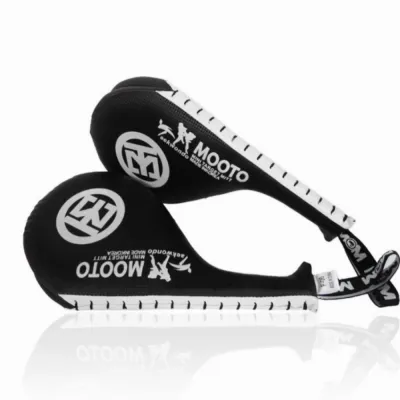
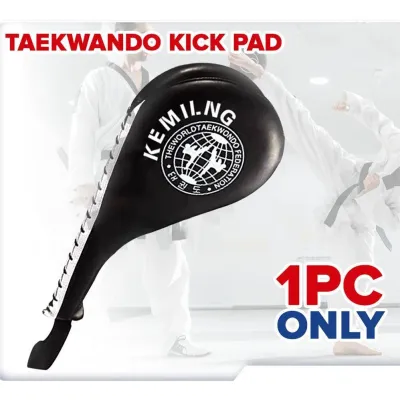
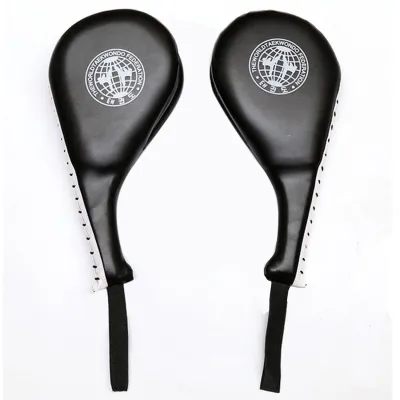
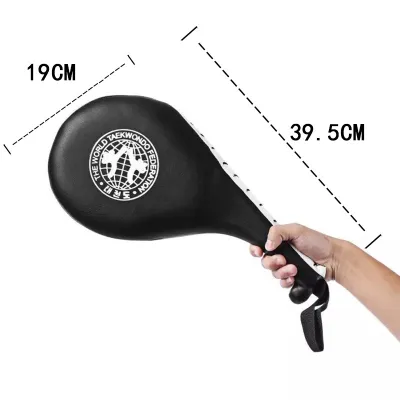
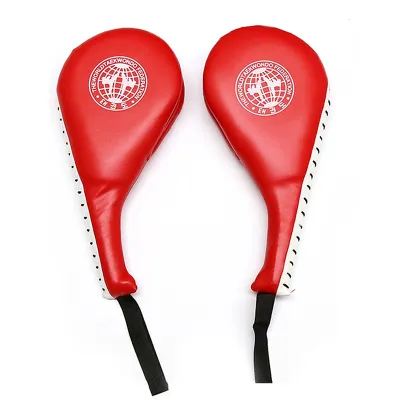
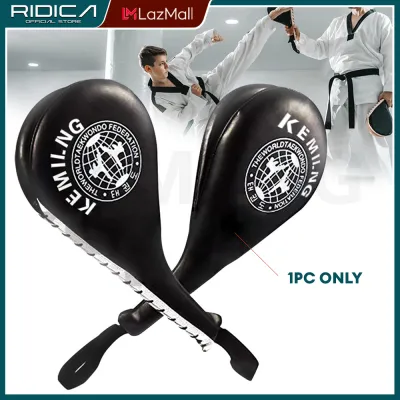
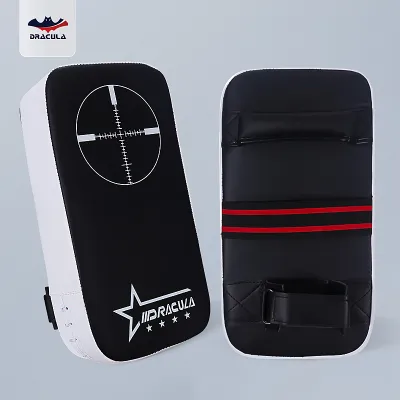
Prices are valid at publication and may change. Please refer to the product page for the latest price.
Quick Answer: How to Choose Your Taekwondo Kicking Pad
Selecting the right Taekwondo kicking pad depends primarily on your training environment, your experience level, and whether you are striking or holding. For solo practitioners and those focusing on speed, precision, and rapid combinations, the classic double-leaf “clapper” paddle is the standard choice. It provides a distinct popping sound when struck with correct technique, offering immediate feedback on your accuracy and foot placement without requiring a heavy-duty holder.
If your focus shifts to power development, heavy roundhouse kicks, or spinning techniques, you require a round focus pad or a Thai-style kick shield. These designs feature much thicker, denser foam cores that disperse high-impact forces, protecting the holder’s wrists, elbows, and shoulders from repetitive strain. For realistic sparring simulation, wearable chest protectors (hogu) or heavy body shields are necessary, as they allow the striker to practice full-force torso attacks while the partner moves dynamically.
Beyond the shape of the pad, you must prioritize high-quality multi-layered foam and a secure, ergonomic handle system. In the humid Philippine climate, choosing moisture-resistant synthetic leather covers is vital to prevent sweat absorption, mold, and material peeling. Budget single-target paddles typically range from ₱400 to ₱900, while premium, high-density shields designed for intense coaching can range from ₱1,500 to over ₱4,000. Investing in the correct density and handle configuration ensures that your gear protects your joints and lasts through years of rigorous training.
Types of Taekwondo Kicking Pads and Their Uses
Understanding the diverse landscape of Taekwondo targets is the first step toward optimizing your training sessions. Each pad type is engineered for specific biomechanical feedback, safety requirements, and tactical drills.

Square and Rectangular Target Pads
Standard square and rectangular target pads, often referred to as clapper targets or paddle targets, are the foundation of daily Taekwondo practice. These pads are uniquely designed with either a single or double flexible leaf structure attached to a rigid handle. The double-leaf design is particularly valued because it produces a loud, satisfying clap when struck with flat, correct foot alignment. This auditory cue is highly effective for correcting form, as a dull thud immediately signals that the angle of your foot or the point of impact was off.
These targets are highly versatile and are primarily used for practicing basic kicks, such as the front kick (ap chagi), roundhouse kick (dollyo chagi), and fast whip-like combinations. Because they are lightweight and easy to maneuver, a partner can rapidly change the target’s height and angle, simulating a dynamic opponent. This makes them indispensable for agility drills, reaction training, and precision placement.
When choosing a square or paddle target, look for a clear, high-contrast target zone in the center. This visual aid helps train your peripheral vision and focus during high-speed movement. While these pads are excellent for speed and form, they are not designed to absorb maximum-force power kicks, as the thin profile transfers a significant portion of the impact directly to the holder’s arm.
Round Pads and Thai-Style Shields
For power development and heavy impact conditioning, round focus pads and large cylindrical or rectangular Thai-style shields are the industry standard. These pads feature a thick, curved, or flat profile packed with multiple layers of dense, shock-absorbing foam. The curved design of a kick shield is especially beneficial because it naturally channels the force of a roundhouse or back kick outward, preventing the pad from sliding or twisting out of the holder’s grip.
These heavy-duty shields are essential for practicing advanced, high-impact techniques such as the spinning back kick (dwit chagi) and the jump turning kick. Because these kicks generate immense kinetic energy, striking a thin paddle target can easily sprain the holder’s wrist or elbow. A thick shield allows the holder to brace their entire body weight against the impact, distributing the force evenly across their chest, shoulders, and core.
Furthermore, these pads are ideal for continuous combination drills where the striker moves forward with successive heavy kicks. The robust construction ensures the pad does not deform easily, allowing for rapid, repeated strikes. If your training regimen involves building raw power, stamina, and impact conditioning, a dedicated kick shield is an essential addition to your gear bag.
Chest Protectors (Hogu) and Body Pads
Wearable chest protectors, known traditionally as hogu, and large body shields held by coaches serve a highly specialized role in Taekwondo training. The hogu is a padded vest worn directly on the torso, featuring red and blue target zones. It is designed specifically for sparring (kyorugi) simulation, allowing practitioners to strike a live, moving target with realistic force while maintaining a safe training environment.
While a hogu is mandatory for competitive sparring practice, instructors often utilize large, ultra-thick coaching body shields for full-power tactical drills. These body shields are held against the torso using heavy-duty shoulder straps and waist belts, completely freeing the coach’s hands to simulate counter-attacks or guide the student’s movement. This setup allows the striker to practice deep, penetrating body kicks with maximum power without injuring the instructor.
Because chest protectors and body pads are designed for full-body contact, they require exceptional shock-dispersion technology. They are generally heavier and more cumbersome than hand-held targets, making them specialized tools for advanced students, competitors, and dojang instructors rather than everyday gear for casual home practice.
Matching the Pad to Your Training Level and Role
Your experience level, physical build, and role during training dictate the specific physical properties your kicking pad should possess. Using gear that does not match your current capabilities can lead to injury or stall your technical progress.
Beginners and Children
Beginners and young children require kicking pads that prioritize safety, ease of use, and light weight. For children, holding a heavy, dense pad can quickly lead to fatigue, poor posture, and accidental injuries if a kick misses the target. Therefore, pads designed for this demographic should be thin, lightweight, and highly flexible, allowing the holder to maintain control without straining their wrists.
For novice practitioners, the primary goal is to build confidence and learn correct foot contact. Overly dense or hard pads can cause pain upon impact, discouraging young students and leading to a fear of striking. Opt for targets with a softer outer foam layer that cushions the foot while still providing enough resistance to teach proper tension.
Safety features are paramount when selecting gear for beginners. Ensure the target paddle features a secure, padded wrist strap. This strap prevents the pad from flying out of the holder’s hand during an accidental misfire or an off-center kick. By choosing user-friendly, lightweight targets, you create a safe and encouraging environment for early skill development.
Intermediate to Advanced Practitioners
As you transition to intermediate and advanced levels, your kicking power and speed increase dramatically. At this stage, lightweight beginner pads are no longer sufficient, as they will fail to absorb the force of your strikes, putting your partner’s joints at risk. Advanced students need denser foam cores and more robust target shapes to handle complex, high-velocity combinations.
Intermediate practitioners should look for curved round pads and medium-sized kick shields. These shapes allow you to practice rapid transitions between high and low kicks, spinning techniques, and defensive counter-kicks. The increased density of the foam provides the necessary resistance to condition the shins and insteps, preparing you for competitive sparring.
For the pad holder, ergonomics become a critical factor. Advanced pads must feature reinforced, padded handles and secure forearm straps. These components keep the pad locked in alignment with the holder’s arm, preventing the wrist from bending backward upon impact. Investing in intermediate-to-advanced gear ensures that both you and your training partner can push your limits safely.
Instructors and Heavy Hitters
Instructors, coaches, and heavy-weight competitors face the highest risk of repetitive strain injuries due to the sheer volume of high-impact kicks they absorb daily. Holding pads for hours during dojang sessions can lead to chronic joint pain in the elbows, shoulders, and wrists if the equipment is inadequate. For these individuals, premium, professional-grade gear is non-negotiable.
Instructors require extra-thick, multi-layered shields featuring high-density EVA or polyethylene foam cores. These materials are engineered to disperse the kinetic energy of full-power adult kicks across a wide surface area, minimizing the shock transferred to the holder’s skeleton. Ergonomic, multi-angle handles are also crucial, allowing the coach to switch holding positions quickly without awkward wrist contortions.
Additionally, heavy hitters and coaches should look for pads with reinforced stitching, riveted handles, and heavy-duty air release valves. These valves allow air to escape from the pad upon impact, preventing the seams from bursting under extreme pressure. While professional-grade pads represent a higher initial investment, their durability and joint-protecting capabilities are essential for long-term coaching careers.
Key Features to Evaluate Before Purchasing
When shopping for a Taekwondo kicking pad, you should not rely solely on product photos, which can often be misleading. Instead, carefully evaluate the technical specifications and construction details of the gear.
Foam Density and Layering
The internal foam construction is the most critical component of any kicking pad. High-quality pads utilize a multi-layered foam system to balance comfort and safety. Typically, the outermost layer consists of a softer, low-density foam that cushions the impact on the striker’s foot and generates a clean sound. Beneath this surface lies a thick, high-density core designed to absorb and disperse the bulk of the kinetic energy.
When evaluating a pad, check if the manufacturer specifies the use of high-density EVA (Ethylene-Vinyl Acetate) or PE (Polyethylene) foam. Avoid pads that use cheap, single-layer sponge filler, as these compress completely under moderate force, offering virtually no protection. A simple way to test density is to press your thumb firmly into the pad; it should offer significant resistance and immediately spring back to its original shape without leaving a deep indentation.
Cover Material and Climate Suitability
In the tropical climate of the Philippines, high humidity and intense sweat are constant challenges during training. The cover material of your kicking pad must be highly durable, non-porous, and easy to clean to prevent the buildup of bacteria, mold, and unpleasant odors.
- Genuine Leather: Offers unmatched durability and a natural feel, but it requires regular maintenance and is highly susceptible to moisture damage if not dried properly. It is also the most expensive option.
- Polyurethane (PU) Synthetic Leather: The most popular choice for modern kicking pads. High-grade PU is highly durable, flexible, and completely water-resistant, making it easy to wipe clean after a sweaty session. It resists cracking and peeling under humid conditions.
- PVC Vinyl: A budget-friendly synthetic option that is highly water-resistant. However, low-quality PVC can become stiff and brittle over time, especially when exposed to sweat and heat, leading to cracking along the seams.
For most practitioners training in local dojangs, a high-quality PU synthetic leather cover offers the best balance of durability, moisture resistance, and value.
Handle and Strap Design
The interface between the holder and the pad determines how safely and comfortably the gear can be managed. A poorly designed handle can cause the pad to twist violently when struck off-center, leading to wrist sprains or elbow hyperextension. Look for pads that feature ergonomic, pre-curved handles that fit naturally into the palm.
For larger kick shields, a multi-strap system is essential. This typically includes a rigid, reinforced handle at the top and one or two adjustable hook-and-loop forearm straps. The forearm straps should be wide and padded to distribute pressure evenly and prevent the straps from digging into your skin. Metal-reinforced rivets or heavy-duty nylon cross-stitching at the handle attachment points are also vital indicators of a pad’s structural integrity.
Weight and Portability
Balancing the weight of a pad against its protective capabilities is a common trade-off. While thicker, denser pads offer superior shock absorption, they are also significantly heavier. Holding a heavy shield for extended periods can cause shoulder fatigue, which in turn compromises the holder’s form and increases the risk of holding the pad at an incorrect, unsafe angle.
Before purchasing, check the exact weight and dimensions listed in the product description. If you must travel frequently to different training venues or commute via public transportation, look for lightweight yet high-density materials that offer excellent protection without adding excessive bulk to your gear bag. Many modern manufacturers offer compact, high-performance shields designed specifically for mobile coaches and athletes.
Navigating the Local Market: Where and How to Buy
Finding high-quality Taekwondo gear in the Philippines requires a strategic approach, as product availability and quality can vary widely between physical stores and online platforms.
To begin your search, visit specialized martial arts supply stores or major sporting goods retailers located in urban hubs like Metro Manila, Cebu, or Davao. Purchasing from a physical store allows you to personally inspect the pad’s foam density, test the grip ergonomics, and check the quality of the stitching before spending your money. If you are training under a certified dojang, consult your instructor (Sabomnim) first; they often have direct partnerships with reputable local distributors or can recommend trusted brands that comply with national training standards.
If you choose to shop on online marketplaces, you must exercise caution to avoid low-quality counterfeits. Focus on official brand storefronts or highly rated preferred sellers specializing in martial arts equipment. Always read the user reviews carefully, filtering for feedback that specifically mentions long-term durability, seam strength, and shock absorption. Be wary of listings with generic descriptions that fail to specify the foam type or cover material.
Lastly, verify the seller’s return and warranty policies. Because kicking pads are subjected to extreme physical stress, a manufacturing defect in the stitching or foam bonding can cause the pad to fail within the first few sessions. A reliable seller should offer a clear return window for defective items, ensuring your investment is protected.
Frequently Asked Questions (FAQ)
Can I use a boxing focus mitt for Taekwondo kicking practice?
While boxing focus mitts are excellent for hand-eye coordination and punching drills, they are not suitable for standard Taekwondo kicking practice. Focus mitts are significantly smaller and thinner than kicking targets, meaning they lack the surface area and shock absorption required to handle the immense force of a roundhouse or back kick.
Attempting to use boxing mitts for full-power kicks poses a high risk of injury. The striker is more likely to miss the target and strike the holder’s hand or wrist directly, while the holder’s joints will absorb excessive, unfiltered shock. Save focus mitts for light, high-speed footwork or hand-strike drills, and always use dedicated kicking pads for your kicking practice.
How do I clean and maintain my kicking pad in a humid climate?
To prevent mold, bacteria, and foul odors from developing in a humid environment, you must clean your kicking pad after every training session. Begin by wiping down the entire outer surface with a damp cloth and a mild soap solution or specialized, non-abrasive sports gear disinfectant wipes. Avoid using harsh chemical solvents, as these can dry out and crack synthetic leather covers.
After wiping, dry the pad thoroughly with a clean towel and leave it to air dry in a well-ventilated, shaded indoor area. Never leave your pads in a closed, damp gym bag or expose them to direct, intense sunlight for extended periods. Direct sunlight can degrade the internal foam structure and cause synthetic covers to peel and crack, while enclosed spaces promote rapid mold growth.
What is the ideal thickness for a general-purpose Taekwondo kicking pad?
For a general-purpose Taekwondo target pad, an ideal thickness ranges between 2 to 4 inches. This range provides a balanced compromise between tactile feedback and shock absorption, making it suitable for a wide variety of standard kicking drills.
Pads closer to 2 inches in thickness are lightweight and offer excellent auditory feedback (the clapper sound) for speed and precision training. Conversely, pads closer to 4 inches are better suited for power development and protecting the holder’s arm during heavy strikes. When choosing, evaluate whether your primary training focus is on rapid, technical accuracy or raw impact power, and select the thickness that aligns with those goals.
Community discussion
Share your experience or ask a question. Comments are reviewed before publication.