
Quick Guide: Matching Your Training Level to Pad Specifications
To find the ideal kicking pad taekwondo with stand, you must align the equipment’s target size, foam density, and base stability with your current skill level, kicking power, and training environment. A one-size-fits-all approach fails because martial arts training demands specific physical feedback. A beginner practicing a basic front kick (ap chagi) has vastly different impact and accuracy needs compared to an advanced practitioner executing high-velocity spinning hook kicks (dwi huryeo chagi).
The core decision matrix revolves around balancing target precision with structural stability. Beginners require larger targets and forgiving, medium-density foam to build confidence, protect developing joints, and prevent injuries from off-center strikes. Conversely, advanced martial artists require high-density, multi-layered foam cores to absorb heavy impact without bottoming out, paired with smaller, specialized targets that demand precision. The structural stability of the stand must also scale with the force of the kick. If the base cannot withstand the kinetic energy, the equipment will slide, tilt, or tip over, disrupting training or causing injury.
Selecting the correct specifications prevents chronic joint strain and accelerates skill acquisition. When training at home or in a local dojang, the physical space and floor type also dictate the type of stand required. By matching your specific training profile to the appropriate gear, you ensure a safer, more productive practice session that mimics the dynamic nature of Taekwondo sparring.
Products mentioned in this guide
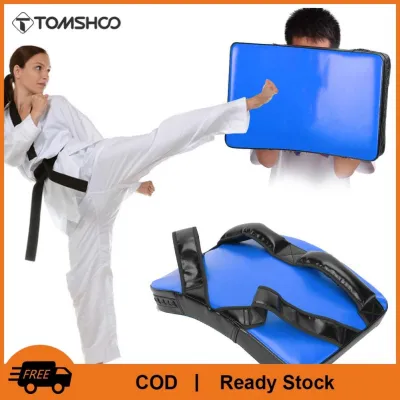

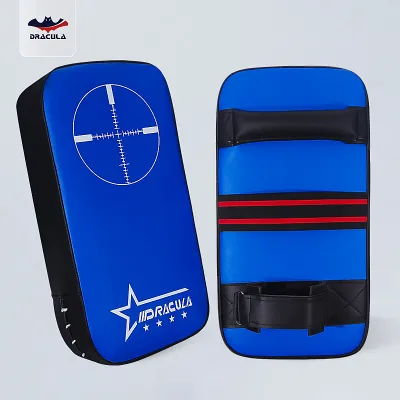
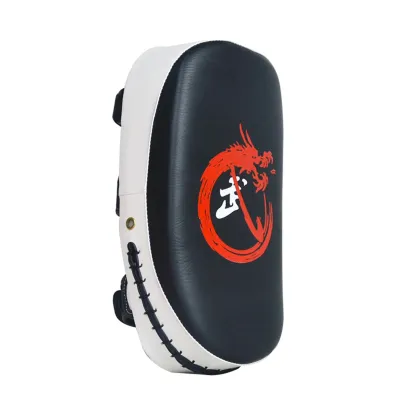
Prices are valid at publication and may change. Please refer to the product page for the latest price.
Choosing the Right Kicking Pad Taekwondo with Stand by Skill Level
Selecting the appropriate kicking pad taekwondo with stand requires a realistic assessment of your current technical proficiency, physical strength, and training goals. The pad’s primary role is to simulate a training partner’s target while protecting your feet, shins, and joints from chronic strain. Using equipment that is poorly matched to your skill level can hinder your progress or lead to unnecessary injuries.

Beginner to Intermediate: Building Technique and Confidence
For those starting their Taekwondo journey or transitioning into intermediate colored belt ranks (such as yellow, green, or blue belt), the primary focus is developing muscle memory, proper foot positioning, and spatial awareness. During this phase, accuracy is still developing. Striking a target that is too small or rigid can result in painful misses, stubbed toes, or hyper-extended ankles.
Therefore, beginners should look for target pads with a larger surface area. A wider target provides a forgiving margin of error, allowing you to focus on the mechanics of the kick—such as chambering the knee, rotating the standing foot, and extending the leg—without the anxiety of missing the pad entirely. This design builds confidence and encourages proper form before transitioning to high-speed drills.
The internal padding is equally critical. Medium-density foam is highly recommended for this level. It offers sufficient resistance to give an audible “crack” or feedback upon a clean strike, which is highly motivating for students, while absorbing enough shock to prevent the force from traveling back up the leg and straining the knees or hips. This balance of feedback and cushioning is essential for younger practitioners whose bones and joints are still developing.
Additionally, intermediate training often involves practicing kicks at various levels, from low groin strikes to mid-section roundhouse kicks (ap dollyeo chagi). Equipment with an adjustable height mechanism is essential. Look for systems that allow easy height modification so the pad can grow with younger practitioners or adapt to different drill requirements. In the Philippines, where family members of different ages and heights often share training equipment at home, a highly adjustable stand ensures everyone can train safely.
Advanced and Professional: High-Impact Resistance and Precision
As practitioners progress to red belt, black belt, or competitive sparring levels, the training objectives shift from basic execution to maximum power, speed, and pinpoint precision. At this stage, large, flat targets are no longer sufficient because they do not replicate the small, moving targets encountered in actual competition.
Advanced users should opt for smaller, specialized target zones, such as curved, angled, or paddle-style pads mounted on the stand. These designs force the kicker to refine their targeting, ensuring that every strike lands precisely on the sweet spot. Curved surfaces also help deflect the force naturally, mimicking the contours of an opponent’s body and allowing for more realistic angles of attack.
To handle the immense kinetic energy of adult black belts, the foam core must be composed of high-density, multi-layered materials. Cheap, single-layer foam will quickly compress completely under high-impact kicks, a phenomenon known as “bottoming out.” When a pad bottoms out, the shock is transferred directly back to the kicker’s foot or into the central metal pole of the stand, risking bone bruises, joint damage, or stress fractures. Multi-layered foam, often combining closed-cell ethylene-vinyl acetate (EVA) and open-cell polyurethane, distributes the impact across a wider volume, preserving both the equipment and the athlete’s joints.
Furthermore, high-frequency, high-power training sessions put immense strain on the outer shell and seams. Advanced gear must feature reinforced, double- or triple-stitched seams and heavy-duty, tear-resistant outer covers. Look for double-layered vinyl or specialized synthetic leathers that can withstand thousands of high-velocity impacts without splitting open. This durability is especially important in humid tropical environments, where sweat and moisture can weaken stitching over time.
Evaluating Stand Stability and Base Design for Your Kicking Force
A high-quality target pad is useless if the stand tips over every time you deliver a powerful roundhouse kick. The stability of a freestanding kicking pad relies entirely on its base design, the weight of the ballast, and how the system manages the kinetic energy of your strikes. Understanding these engineering elements will help you choose a stand that remains securely in place during intense workouts.
There are three primary base configurations available on the market:
- Weighted Circular Bases: These are large, hollow plastic domes that you fill with water or sand. They are highly common and versatile, offering a low center of gravity and excellent stability when fully loaded.
- Wide Multi-Leg Stands: Often made of heavy-duty steel, these bases use extended metal legs that spread the weight over a larger footprint. They do not require sand or water but take up more floor space and can be harder to move.
- Suction-Cup Mounts: These bases feature multiple heavy-duty suction cups attached to the bottom of a flat plate. They are exceptionally stable but require a perfectly smooth, non-porous floor to function.
Your choice of base should directly correlate with your kicking power and the floor surface of your training area. For home training in the Philippines, where tiled floors (such as ceramic, granite, or polished marble) are highly common, a base equipped with strong suction cups can provide excellent stability without sliding. However, if you are training on textured concrete, outdoor patios, or interlocking foam mats, suction cups will not seal; in these environments, a heavy, sand-filled circular base is mandatory.
When using a fillable base, sand is highly preferred over water. Sand is denser than water, providing roughly 1.5 times more weight for the same volume, which dramatically reduces base movement during heavy kicks. In tropical climates, water left inside a plastic base for long periods can also encourage algae growth or slowly leak if the base develops micro-fissures. If you must use water, adding a small amount of mild disinfectant can help prevent bacterial buildup.
The connection between the base and the target pole is another critical engineering point. Many high-quality stands feature a spring-loaded return mechanism or a flexible rubber collar at the bottom of the central pole. This flexible joint acts as a shock absorber, allowing the pole to bend slightly upon impact and quickly spring back into position. This action dissipates a significant portion of the kicking force, preventing the entire base from sliding across the floor or tipping over. Rigid metal poles without any flex transfer 100% of the impact directly to the base, requiring a much heavier ballast to remain stationary.
Before executing any full-power kicks on a newly assembled stand, always perform a safety check:
- Gently push the top of the pad to ensure the base remains firmly planted and does not wobble excessively.
- Verify that the floor surface is clean and dry; dust or moisture under suction cups or rubber feet will cause the stand to slide unexpectedly.
- Start with light, low-impact kicks (such as a basic front kick) to observe how much the stand moves, gradually increasing power only when you are certain of its stability.
- If the stand slides or tilts, stop training immediately and inspect the base weight or floor contact points before continuing.
Essential Features to Verify Before Purchasing
To ensure you get the best value and a safe training experience, carefully evaluate these technical specifications before finalizing your purchase:
- Cover Material: The outer cover takes the brunt of every strike, as well as exposure to sweat and environmental moisture. Look for high-grade Polyurethane (PU) or Microfiber synthetic leathers. These materials offer excellent tensile strength and are highly resistant to cracking under repeated flexing. In the high-humidity environment of the Philippines, sweat can quickly degrade cheap PVC covers, causing them to peel and crack. Always check the manufacturer's care instructions; do not assume a cover is fully waterproof or mold-resistant unless explicitly stated.
- Height Adjustability: A reliable kicking pad taekwondo with stand must adapt to different kicking heights. Ensure the telescopic adjustment system uses a solid steel locking pin that passes completely through the inner and outer tubes. Avoid stands that rely solely on friction-based twist knobs, as the repeated vibration from heavy kicks will cause friction locks to slip, leading to the pad collapsing mid-combination.
- Portability and Storage: If you do not have a dedicated home gym or dojang space, you will need to move or store the equipment after training. Check if the target pad is easily detachable from the central pole and if the base has built-in wheels or handles. A fully loaded sand base can weigh over 50 kilograms, making it incredibly difficult to move without integrated wheels.
- Warranty and Support: High-impact training gear is subject to extreme wear and tear. Review the manufacturer’s warranty terms specifically regarding foam deformation, weld failures on the steel pole, and base cracking. A reputable brand will offer at least a six-month to one-year warranty on structural components, giving you peace of mind that the equipment is built to last.
When comparing prices in the local market, expect broad price bands. Budget-friendly home setups typically range from ₱2,500 to ₱5,000, while professional-grade, heavy-duty stands can exceed ₱10,000. Investing in a mid-to-high-range option often saves money in the long run by avoiding early material failures.
Frequently Asked Questions (FAQ)
Can a Taekwondo kicking pad with stand be used for other martial arts?
Yes, a kicking pad taekwondo with stand can be highly effective for other martial arts, including Karate, Kickboxing, Krav Maga, and general cardio fitness workouts. The adjustable height and spring-loaded targets make it excellent for practicing high kicks, direct strikes, and speed drills across various disciplines.
However, there are distinct limitations to keep in mind. Standard Taekwondo stands are designed for rapid, snapping kicks that impact the mid-to-high target zones. They are generally not engineered to withstand the heavy, downward low-thigh kicks (low kicks) characteristic of Muay Thai or full-contact kickboxing, unless the manufacturer explicitly rates the stand for low-impact leg strikes. Attempting heavy low kicks on a high-mounted target can bend the central pole or damage the spring mechanism. Additionally, the target pads are usually too narrow and springy to serve as effective targets for complex boxing combinations that require wide, stationary surfaces for hooks and uppercuts.
How do I maintain the foam and cover to extend the pad's lifespan?
Proper maintenance is crucial for preventing hygiene issues and material degradation, especially in warm, humid climates. After every training session, wipe down the synthetic leather cover with a clean, damp microfiber cloth and a mild soap solution to remove sweat, skin oils, and dust. Avoid using harsh chemical detergents, bleach, or alcohol-based sanitizers, as these can strip the protective coating of the PU leather, leading to premature cracking and peeling.
Always store the kicking stand indoors and away from direct sunlight. Prolonged exposure to ultraviolet (UV) rays and extreme heat (such as on an open balcony or next to a sunny window) will dry out the synthetic cover and cause the internal foam to lose its elasticity and become brittle.
Additionally, perform a weekly structural check. Inspect and tighten all base bolts, check that the locking pins are fully engaged, and apply a small amount of silicone lubricant to the spring mechanism if it begins to squeak or feel stiff. This simple routine ensures the equipment remains safe, stable, and ready for your next training session.
Community discussion
Share your experience or ask a question. Comments are reviewed before publication.