
Selecting the right taekwondo shield depends primarily on three factors: the age and skill level of the striker, the training focus (such as speed versus power), and whether you have a partner to hold the target. Matching these requirements to the correct equipment type ensures training safety, prevents joint strain for the holder, and provides the necessary physical feedback for the kicker. Choosing the wrong type can lead to premature equipment failure, wrist or elbow injuries, or poor striking habits.
Understanding Taekwondo Training Shields and Targets
To make an informed choice, you must first understand the primary categories of taekwondo targets and how their construction influences performance. The three main types are thick kick shields, paddle targets, and focus mitts. Kick shields are large, heavily padded blocks designed to absorb high-velocity, high-mass impacts from kicks like the roundhouse (dollyo chagi) or side kick (yop chagi). Paddle targets, often called clappers, feature a flexible, split-leaf design that produces a loud “smack” when struck with clean technique, making them ideal for speed and accuracy drills. Focus mitts are small, curved hand pads primarily used for hand strikes and high-precision, low-impact footwork.
The internal core material determines how well a target distributes force. High-density foam cores offer excellent shock absorption and structural integrity, while multi-layered EVA (ethylene-vinyl acetate) foam provides a lightweight yet firm barrier that resists packing down over time. The outer cover material dictates wear resistance. Polyurethane (PU) leather is highly popular due to its balance of flexibility and tear resistance, while heavy-duty vinyl covers offer a waterproof barrier that is easy to clean. Rather than relying on brand marketing, always verify the manufacturer’s listed foam density, total thickness, and strap reinforcement methods to ensure the gear matches your intended impact levels.
Products mentioned in this guide
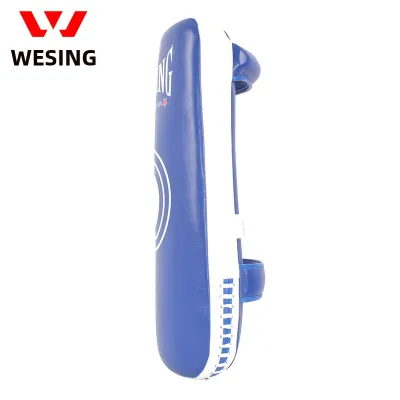
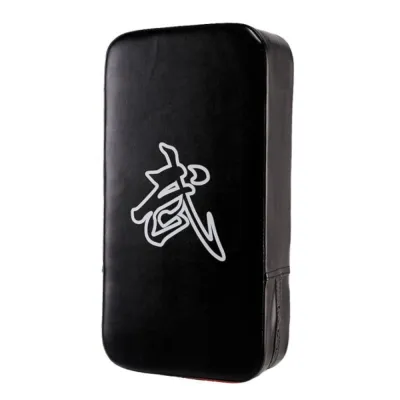
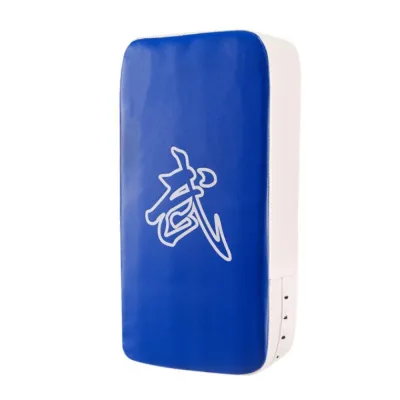
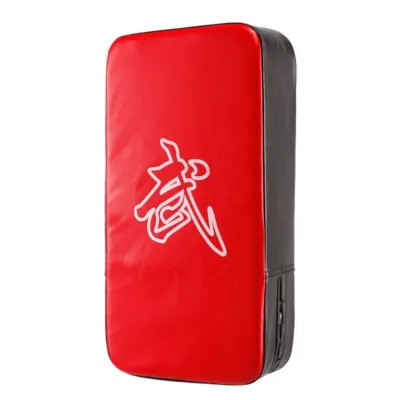
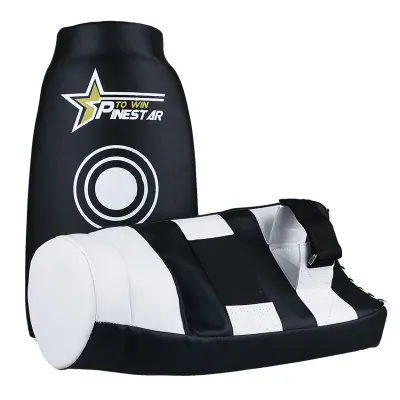
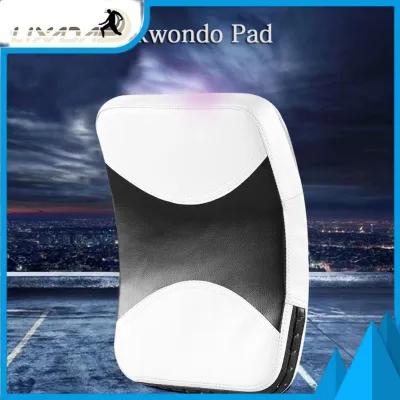
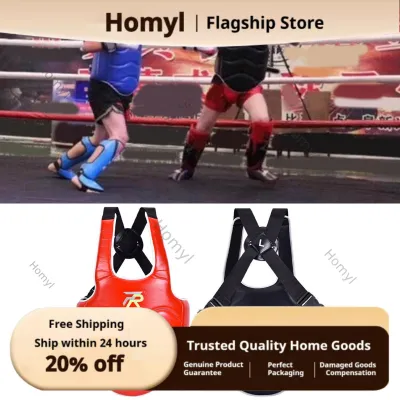
Prices are valid at publication and may change. Please refer to the product page for the latest price.
Choosing Shields for Coaching Children and Beginners
Training young children and novice practitioners requires equipment that prioritizes high repetition, precise feedback, and holder comfort. During prolonged youth training sessions, holding heavy gear can quickly fatigue a coach’s or parent’s arms, leading to dropped targets and unsafe striking angles. For this scenario, lightweight paddle targets or compact, miniature kick shields are highly recommended. These smaller targets allow the holder to move rapidly, simulating dynamic targets without putting excessive strain on the shoulders and wrists.

Audible feedback is a powerful pedagogical tool when working with beginners. Paddle targets excel here; their split-design leaves slap together upon impact, producing a sharp, satisfying sound. This distinct audio cue instantly confirms to the student that they have hit the target with the correct flat surface of the instep, boosting motivation and reinforcing proper muscle memory without requiring constant verbal correction.
When selecting a compact shield or paddle for beginner training, prioritize ergonomic handle designs and secure forearm straps. Novices often strike with unpredictable angles and inconsistent control, which can twist the target violently in the holder’s grip. Look for handles wrapped in non-slip materials and adjustable hook-and-loop straps that stabilize the holder’s wrist. Before purchasing, physically check the target’s weight and the thickness of the handle padding to ensure it can be held comfortably for extended sessions.
Selecting Shields for Adult Sparring and Power Kicking
Adult sparring preparation and power-focused kicking drills demand heavy-duty kick shields designed to withstand maximum force. When an adult practitioner executes a full-power roundhouse, back kick (dwit chagi), or spinning hook kick, the kinetic energy is substantial. To safely absorb these forces, you need a large, thick kick shield, typically in a rectangular or curved shape. The curved design is particularly effective as it naturally funnels the strike toward the center of the pad, reducing the risk of the foot slipping off the side.
The core of an adult power shield must feature high-density foam or multi-layered composite padding to prevent the striker’s foot from bottoming out—a dangerous scenario where the foam fully compresses, transferring the remaining impact directly onto the holder’s body or the striker’s bones. Look for shields with reinforced, double-stitched seams and heavy-duty metal rivets at stress points to handle the sudden air pressure changes inside the shield during impact.
Stability during heavy impact relies entirely on the shield’s grip configuration. A high-quality power shield should feature multiple heavy-duty handles, typically a top handle for vertical holding and dual back straps for forearm placement. This configuration allows the holder to secure the shield close to their torso. Remember, no shield can completely eliminate the risk of injury; the holder must maintain a braced, active stance with knees slightly bent and core engaged, and both participants should wear appropriate protective gear, such as shin and instep guards, during high-impact practice.
Setting Up Shields for Solo Kicking Practice
When training without a partner, standard hand-held shields are impractical, requiring alternative mounting and support configurations. Solo practitioners can choose between standalone kicking shields with heavy, fillable bases, wall-mounted strike pads, or heavy bags designed with integrated target zones. Each setup offers distinct advantages and trade-offs depending on your training space and the intensity of your workouts.
Standalone kicking shields feature a spring-loaded or flexible neck attached to a hollow plastic base that can be filled with water or sand. These units are highly versatile because they allow you to adjust the target height to practice head-height or body-height kicks. However, they have a physical limit: under the force of heavy, adult-level kicks, standalone targets can tip over or slide across the floor, especially on smooth tiles or laminated wood. Wall-mounted strike pads, conversely, save valuable floor space and remain completely stable during heavy impacts. The trade-off is their permanent nature; they require drilling and secure installation into solid wall studs or masonry.
Before setting up a solo training station, carefully assess your venue. If choosing a standalone model, verify the manufacturer’s recommended base weight when fully filled—typically at least 60 to 100 kilograms of sand is needed for adult-level stability. For wall-mounted systems, ensure you use heavy-duty masonry anchors or lag bolts secured directly into structural studs. Installing a high-impact strike pad into simple drywall without stud backing will result in structural failure and costly wall damage.
Cross-Scenario Compatibility: Can One Shield Do It All?
While owning a single, multi-purpose shield is highly appealing for budget-conscious practitioners, attempting to use one piece of gear for every training scenario introduces significant compromises. A medium-sized, semi-thick kick shield is often marketed as a universal solution, but it struggles to perform optimally at either end of the training spectrum. It is generally too heavy and cumbersome for fast-paced children’s speed drills, leading to rapid coach fatigue, yet it lacks the thickness and surface area required to safely absorb full-force adult kicks.
Furthermore, hand-held shields cannot be safely or effectively adapted for solo training without specialized mounting brackets, and rigging makeshift mounts poses a severe injury risk. For a versatile and safe home setup in the Philippines, investing in a practical two-piece equipment combination is highly recommended. A combination of one large, heavy-duty curved kick shield (costing approximately ₱1,500 to ₱3,500) for power work and a pair of lightweight paddle targets (ranging from ₱500 to ₱1,200) for speed and accuracy provides a comprehensive training kit that ensures safety, proper technique, and equipment longevity.
Safety Checks and Maintenance for Training Shields
Operating in a tropical climate like the Philippines, where high humidity and intense heat are common, accelerates the wear and tear on synthetic training gear. Regular safety inspections and diligent maintenance are critical to extending the lifespan of your shields and ensuring the safety of both striker and holder. Before every training session, perform a quick visual and tactile check. Inspect the seams for split stitching, look for cracked or peeling cover material, and verify that the handle rivets and forearm straps are securely attached without signs of fraying.
To maintain hygienic conditions and prevent material degradation, clean your shields after every use. Sweat contains salts and acids that can break down PU leather and vinyl over time, while trapped moisture in a humid environment quickly leads to mold, mildew, and unpleasant odors. Wipe down the entire exterior surface with a microfiber cloth dampened with mild soap and warm water. Avoid harsh chemical disinfectants, bleach, or alcohol-based cleaners, as these strip the protective plasticizers from the synthetic covers, causing them to stiffen and crack.
After cleaning, dry the shields thoroughly with a clean towel and store them in a cool, well-ventilated indoor space away from direct sunlight. Never leave training shields in a hot car or exposed to the sun on a balcony, as extreme heat can warp the internal foam cores and melt the adhesives holding the layers together. If you notice that a shield’s foam has permanently compressed, feels soft or “mushy,” or no longer springs back after an impact, retire the shield immediately to prevent impact injuries.
Frequently Asked Questions (FAQ)
What is the difference between a kick shield and a Thai pad?
Taekwondo kick shields are wider, flatter, and designed primarily to absorb the broad impact of foot strikes like roundhouses and side kicks, featuring handles that allow the holder to position the pad against their body. Thai pads are narrower, thicker, and stiffer, designed to fit snugly along the holder’s forearms to absorb high-impact elbow, knee, and shin strikes common in Muay Thai.
How do I properly hold a kick shield to avoid injury?
To hold a kick shield safely, stand in a stable, braced stance with your knees slightly bent and one foot back for balance. Hold the shield firmly against your forearm and side, keeping your elbows slightly bent rather than locked to absorb the shock. Exhale actively at the moment of impact to engage your core, and never hold the shield directly in front of your face or throat.
Community discussion
Share your experience or ask a question. Comments are reviewed before publication.