
Choosing the right taekwondo shin guards requires matching your current sparring intensity and skill level with the appropriate padding density, coverage area, and secure closure systems. As you progress from light technical drills to full-contact sparring, your protective needs evolve from lightweight, flexible guards that prioritize mobility to denser, shock-absorbing gear designed to withstand heavy impacts. By evaluating these structural features alongside precise physical measurements, you can find a pair that stays securely in place and keeps you safe on the mats.
In tropical environments like the Philippines, where high humidity and intense heat lead to heavy sweating during training sessions, factors like breathability, secure strap systems, and easy-to-clean materials become just as critical as impact absorption. Matching your gear to your specific stage of practice ensures both safety on the mats and the mobility needed to execute fast, precise kicks.
Assess Your Training Level and Sparring Intensity
To select the most effective protective gear, you must first evaluate how you train on a weekly basis. Taekwondo training generally falls into three distinct categories of contact: light technical drills, moderate sparring, and full-contact competition. If your classes primarily consist of shadow sparring, form practice (poomsae), and light paddle kicking, your risk of shin-to-shin contact is low. For this level of training, a lightweight slip-on guard is often sufficient, as it provides a basic barrier against accidental bumps without restricting your movement.
Products mentioned in this guide
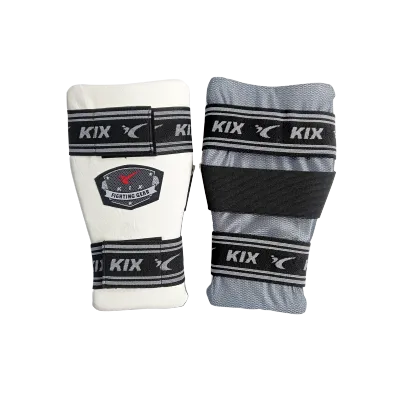
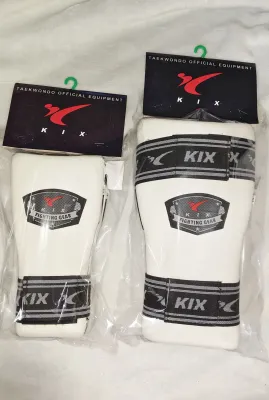
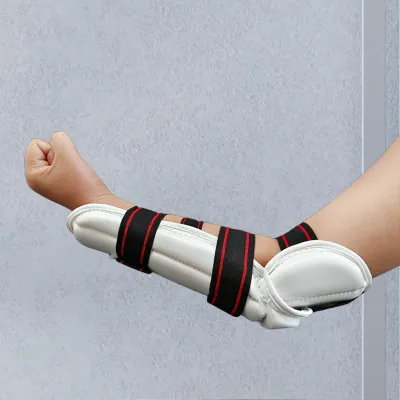
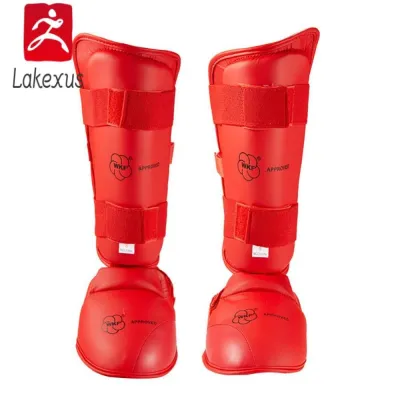
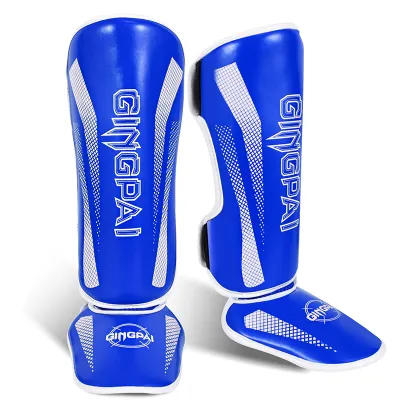
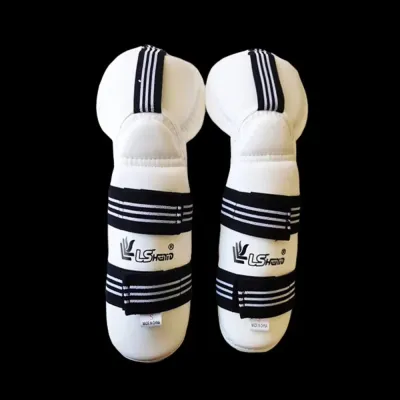
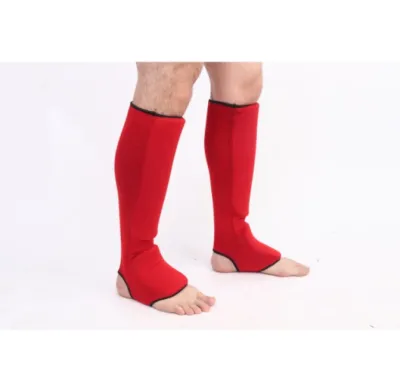
Prices are valid at publication and may change. Please refer to the product page for the latest price.
As you transition into moderate sparring, the intensity increases. Partner drills where you actively block kicks with your shins require a higher level of shock absorption. At this stage, you need guards with thicker, denser foam padding to prevent painful bone bruises and deep muscle contusions. If you are preparing for full-contact competition, your gear must meet even stricter standards. Advanced sparring involves high-velocity kicks where both you and your opponent are striking with significant force, making heavy-duty protection non-negotiable.
Your experience level also dictates your protection priorities. Beginners often benefit from maximum coverage because they are still learning how to position their legs correctly to block and strike. This extra coverage builds confidence on the mat, allowing novice practitioners to focus on technique rather than the fear of pain. Conversely, advanced practitioners must carefully balance impact absorption with kicking mobility. They require streamlined guards that protect the vital areas of the shin and instep without adding unnecessary bulk that could slow down their rapid, high-altitude kicks.
Finally, always check your dojo’s specific requirements or your organization’s official competition regulations before making a purchase. Many martial arts schools have strict dress codes that dictate the color and style of protective gear allowed on their mats. Furthermore, if you plan to compete in tournaments sanctioned by World Taekwondo (WT) or the International Taekwon-Do Federation (ITF), you must use gear that carries their official approval stamps. Purchasing unapproved designs could result in being disqualified from sparring matches before you even step onto the mat.
Key Features to Evaluate in Taekwondo Shin Guards
When shopping for a shin guard, understanding the structural and material trade-offs will help you make an informed decision. The first major feature to compare is the coverage area. Standard shin guards protect only the front of the shin bone, leaving the top of the foot exposed. However, many taekwondo practitioners prefer shin-instep guards, which feature an attached padded sleeve that covers the metatarsal bones of the foot. If your sparring style involves a lot of roundhouse kicks where the top of your foot frequently contacts your opponent’s elbows or guard, integrated instep protection is highly recommended. Some designs also offer extended calf coverage or ankle wraps, which provide extra lateral stability at the cost of a slightly heavier feel.

Padding density and thickness are the primary factors governing shock absorption. Most high-quality martial arts guards utilize high-density EVA (ethylene-vinyl acetate) foam, which is excellent at dispersing impact energy. However, thicker padding naturally adds weight and can restrict your range of motion. You must decide whether you prioritize maximum speed or maximum protection. If you rely on quick, evasive footwork and rapid counter-kicks, a slightly thinner, high-density guard may suit you best. If you prefer to stand your ground and block heavy incoming strikes, prioritizing thicker, multi-layered padding is the safer choice.
The closure system is what keeps the guard from shifting during dynamic movement. There are three primary closure styles available:
- Elastic sleeves: These slide over your foot and calf like a sock. They offer a very low-profile, secure fit that rarely shifts, but they can be incredibly difficult to pull on and off, especially when your skin is sweaty.
- Velcro straps: These use hook-and-loop straps that wrap around the back of your calf. They are highly adjustable, easy to put on, and allow you to tighten or loosen the guard quickly between rounds. However, low-quality Velcro can lose its grip over time or scratch your sparring partners if the rough edges are exposed.
- Lace-up options: While less common in traditional taekwondo, some hybrid guards use laces to provide an incredibly secure, custom fit, though they take much longer to secure.
Rather than assuming a guard will perform well based solely on a recognizable brand name or flashy marketing terms, make it a habit to check the manufacturer’s product labels. Look for specific details regarding the material composition of the outer shell—such as durable synthetic polyurethane (PU) leather—and any stated impact-resistance specifications. This verification step ensures you are paying for genuine protective capability rather than just a logo.
Sizing and Fit: Ensuring Comfort and Stability
A shin guard can only protect you if it stays in the correct position. To find your ideal size, you must take accurate physical measurements rather than guessing based on your height or clothing size. Start by measuring your shin length: use a flexible measuring tape to measure the distance from just below your kneecap down to the top of your ankle bone. Next, measure the circumference of the widest part of your calf. Keep these numbers handy and compare them directly to the sizing chart provided by the specific brand you are considering, as sizing standards can vary significantly between manufacturers.
Once your guards arrive, perform a physical fit check before using them in class. Put the guards on and stand up. The top of the guard should sit roughly one to two inches below your kneecap. If the guard pushes against your kneecap when you bend your leg, it is too long and will restrict your movement or slide down during kicks. The bottom of the guard should cover the lower shin without pressing into the top of your foot when you flex your ankle. Walk around, perform a few light kicks, and ensure the straps do not pinch your skin or restrict blood flow to your feet.
It is also important to try the guards on using the exact footwear configuration you use during training. If your dojo requires you to train barefoot, test the guards barefoot to ensure the bottom straps do not slip under your heel and cause you to lose your footing on the mat. If you train in specialized martial arts shoes, wear those shoes while adjusting the straps. The presence of a shoe can alter how the lower portion of the guard sits against your ankle, and you want to ensure there is no uncomfortable bunching or rubbing.
If your measurements fall directly between two standard sizes, you will need to decide whether to size up or size down. In most cases, it is highly recommended to size down. A shin guard that is slightly too short will still cover the vast majority of your shin bone and can be secured tightly. Conversely, a guard that is too long will constantly shift, slide down over your foot, or push up against your knee, distracting you during sparring and creating a safety hazard. Prioritize a secure, immovable strap placement over matching the exact length of your shin.
Maintenance and Care for Longevity
Proper maintenance is essential to preserve the protective qualities of your shin guards and prevent the buildup of unpleasant odors. In tropical climates like the Philippines, where high humidity and intense heat lead to heavy sweating, post-training care is especially critical. Never leave your damp shin guards stuffed inside a closed gym bag after a workout. This dark, moist environment is the perfect breeding ground for bacteria and mold, which will quickly ruin the materials. As soon as you get home, take your guards out of your bag and hang them in a well-ventilated indoor area to air dry completely. Keep them out of direct sunlight, as intense UV rays can dry out and crack synthetic leather shells.
For regular cleaning, wipe down both the inner lining and the outer shell with a damp cloth and a mild, diluted soap. Avoid using harsh chemical cleaners, bleach, or alcohol-based sprays, as these substances can break down the synthetic materials and degrade the internal foam padding. Never submerge your shin guards in water or wash them in a washing machine. Saturating the internal foam can cause it to lose its shape, clump together, or lose its shock-absorbing properties permanently.
When storing your dry gear, keep it in a ventilated mesh bag rather than a solid plastic one. Avoid storing your guards in areas exposed to extreme heat, such as the trunk of a car parked in the sun, as excessive heat can warp the plastic inserts and melt the adhesives holding the guard together.
Finally, learn to recognize the observable signs of wear that indicate your guards need to be retired. Inspect your gear weekly for permanently compressed foam that no longer rebounds when pressed, severely frayed or loose Velcro straps that slip during movement, or deep cracks in the outer vinyl or leather. If the padding feels thin or soft to the touch, the guard can no longer provide adequate shock absorption. Continuing to use compromised gear poses a serious safety risk to both you and your sparring partners, meaning it is time to replace them immediately.
Frequently Asked Questions (FAQ)
Can I use Muay Thai shin guards for Taekwondo sparring?
Muay Thai shin guards are generally not recommended for Taekwondo sparring due to differences in design and training philosophy. Muay Thai guards are built to withstand heavy, low-line leg kicks, meaning they are significantly thicker, wider, and heavier. While they offer excellent protection, this added bulk will severely slow down your kicking speed and agility, which are the cornerstones of Taekwondo. Furthermore, the extra weight can lead to rapid leg fatigue during fast-paced point-sparring rounds. Many Taekwondo dojos and official tournaments also strictly prohibit Muay Thai guards due to safety regulations and the lack of official brand approvals. Always check with your instructor or the tournament ruleset before using cross-discipline gear.
How often should I replace my taekwondo shin guards?
There is no set calendar timeline for replacing your shin guards, as their lifespan depends entirely on your training frequency, sparring intensity, and maintenance habits. A casual practitioner training once a week may get several years of use out of a single pair, whereas a competitive athlete training daily might need to replace theirs within a year. Instead of relying on a timeline, monitor the physical condition of the gear. If you observe permanently compressed foam, torn straps, or cracked outer shells, the guards have lost their ability to absorb impact safely. Using compromised gear increases your risk of injury, so you should replace them as soon as these signs of wear appear.
Community discussion
Share your experience or ask a question. Comments are reviewed before publication.