
Selecting the right tape for your bowling fingers is a balancing act between protecting your skin from friction and maintaining a consistent, clean release. The ideal choice depends on your primary goal: preventing painful blisters, stabilizing vulnerable finger joints, or managing sweat in humid environments. By understanding how different materials interact with your skin and the bowling ball’s surface, you can customize your grip to match your physical needs and playing style.
This guide breaks down the primary categories of protective tape, evaluates their material properties, and outlines key selection criteria. You will also find practical application tips to ensure your tape stays secure throughout your games without violating lane etiquette or damaging your equipment.
Understanding Your Finger Protection Needs
Identifying your specific physical challenges on the lanes is the first step toward choosing the right tape. During the release phase, your fingers—typically the middle and ring fingers—experience intense friction as they lift and rotate the ball. This repetitive rubbing can quickly lead to painful blisters, raw skin, or torn calluses, especially during long practice sessions or multi-game tournaments. If your skin is prone to tearing, your primary focus should be finding a tape that acts as a durable, low-friction barrier.
Products mentioned in this guide
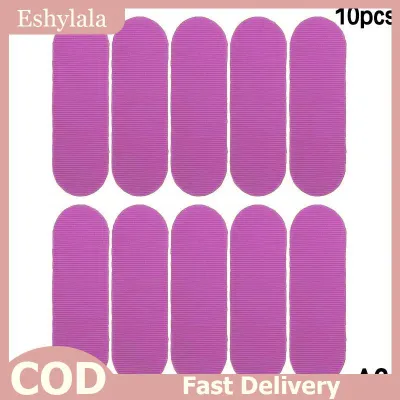
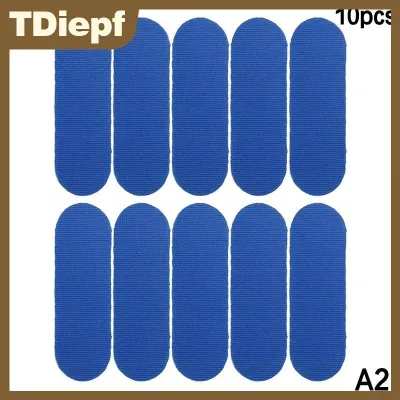
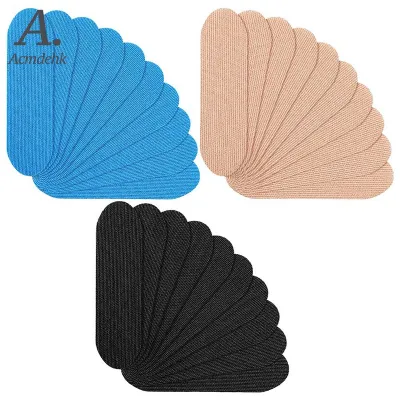
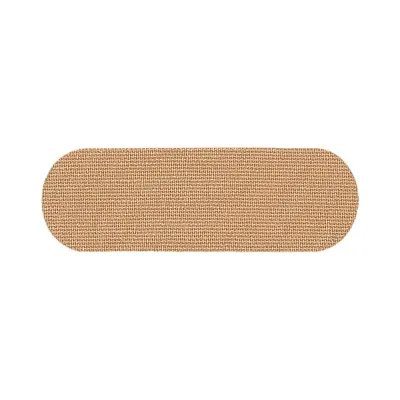
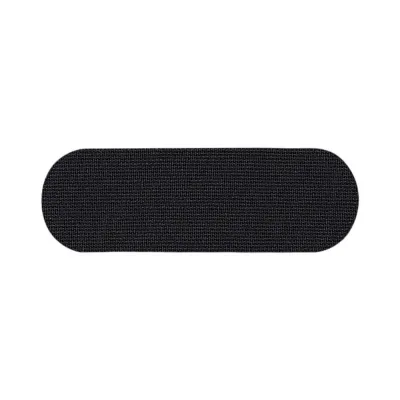
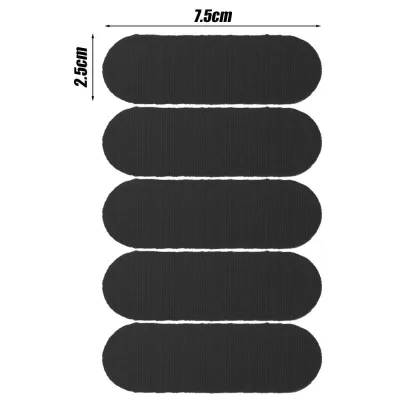
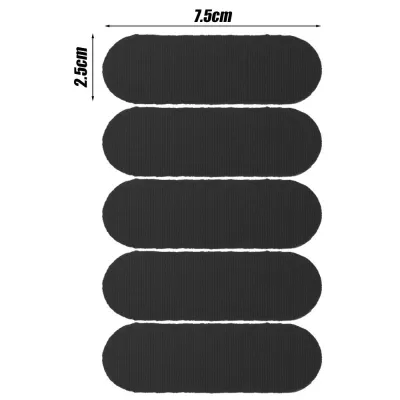
Prices are valid at publication and may change. Please refer to the product page for the latest price.
Beyond skin protection, some bowlers require structural support for their finger joints. The physical strain of delivering a heavy bowling ball, particularly for those who use high-revolution releases, can put significant stress on the proximal interphalangeal joints. If you experience minor joint soreness or want to prevent hyperextension during the release, you need a tape that offers rigidity and limits joint movement. Using a flexible tape when you actually need joint stabilization can lead to continued discomfort and potential strain.
Environmental factors also play a major role in how tape performs. In tropical climates like the Philippines, high humidity and warm temperatures inside bowling centers can cause hands to sweat excessively. This moisture quickly degrades standard adhesives, causing the tape to slip, peel, or bunch up mid-swing. If you tend to sweat heavily, you must prioritize tapes with moisture-resistant adhesives and breathable fabrics that maintain their bond even when exposed to wetness.
Comparing Tape Types for Bowling
To find the right balance of protection and performance, you must evaluate the three primary categories of tape used on the lanes. Each type offers distinct material properties, adhesive strengths, and flexibility levels tailored to specific mechanical demands. Matching these characteristics to your diagnosed needs will help you maintain a consistent release and protect your hands from injury.

Bowling-Specific Finger Tape
Bowling-specific finger tapes are engineered specifically to handle the unique friction and release mechanics of the sport. These tapes are typically made from textured cotton or synthetic fabrics designed to mimic or enhance the natural texture of your skin. Many manufacturers offer these tapes in varying thicknesses and textures, often color-coded to indicate different release speeds. For example, a smoother texture allows for a faster release, while a rougher texture provides more grip and control.
These tapes are highly effective for protecting existing calluses, preventing raw spots, and adjusting the fit of your finger holes. Because they are designed specifically for bowling, their adhesives are formulated to resist lane oil and sweat without leaving a gummy residue on the ball’s coverstock. They are thin enough to be layered, allowing you to fine-tune the snugness of your finger inserts as your fingers swell or shrink during a match.
However, bowling-specific tapes have clear limitations when it comes to structural support. Because they are designed to be flexible and lightweight, they do not provide the rigidity needed to immobilize or support weak joints. If you are recovering from a minor finger sprain or need to prevent joint hyperextension, these specialized tapes will not offer sufficient stability on their own.
Standard Athletic and Zinc Oxide Tape
Standard athletic tape, often coated with a strong zinc oxide adhesive, is a staple in sports first-aid kits. This tape is made from rigid, non-stretch cotton or synthetic blends designed to limit joint movement and provide heavy-duty protection. It is highly durable and can withstand significant abrasion without wearing through, making it a reliable barrier against deep blisters and skin tears.
If your primary goal is to immobilize a minor joint strain or support a weak finger, rigid athletic tape is an excellent option. It can be wrapped securely around the joint to prevent hyperextension and provide a solid sense of stability during the swing. The zinc oxide adhesive is exceptionally strong, ensuring the tape remains firmly in place even under heavy physical stress.
Despite its protective benefits, rigid athletic tape can significantly restrict your finger flexion. If applied incorrectly, this lack of stretch can alter your natural release, reduce your ability to generate revolutions, and make the ball feel awkward in your hand. Additionally, the heavy adhesive used in standard athletic tapes can leave a sticky residue on your skin and inside the bowling ball’s finger holes, requiring thorough cleaning after your session.
Kinesiology and Stretchable Tape
Kinesiology tape is made from elastic cotton or synthetic blends designed to stretch and move dynamically with your skin. It features a wave-patterned adhesive that allows for breathability and flexibility, providing light compression and sensory feedback without restricting your range of motion. This tape is highly popular among athletes who want to maintain full joint mobility while receiving mild muscle and tendon support.
For bowlers, stretchable tape is ideal for covering larger areas of the hand, wrist, or fingers where rigid tape would feel too restrictive. It provides a comfortable, low-profile barrier against light friction while allowing your fingers to flex naturally during the release. The elastic properties of the tape can also help reduce muscle fatigue by providing gentle support to the tendons in your hand.
The primary drawback of kinesiology tape in a bowling context is its lower abrasion resistance. Because the fabric is designed to stretch, the constant friction against the sharp edges of a bowling ball’s finger holes can cause the edges of the tape to roll up, fray, or wear through quickly. If you use a high-friction release or play on rough lane conditions, you may find yourself needing to replace stretchable tape more frequently than other types.
Key Selection Criteria and What to Check
Before purchasing any tape for bowling, you should evaluate several key specifications to ensure compatibility with your skin, your equipment, and your playing style. Adhesive strength and skin sensitivity are critical factors to consider. If you have sensitive skin or a latex allergy, look for hypoallergenic, latex-free options. It is always wise to test a small piece of tape on your forearm for a few hours before applying it to your fingers for a full bowling session to check for redness or irritation.
Thickness and texture must be balanced carefully against the size of your bowling ball’s finger holes. A tape that is too thick can make your finger inserts feel tight, forcing you to squeeze the ball and ruin your release consistency. Conversely, a tape that is too thin might not provide enough protection, requiring you to use multiple layers. Check the product packaging for thickness indicators and choose a texture that matches your release preferences.
Residue management is another essential consideration. High-quality tapes use adhesives that bond securely to the skin but peel off cleanly without leaving a sticky film. Cheap or unapproved tapes can leave a gummy residue on your fingers that transfers to the inside of your bowling ball’s inserts, altering your grip and attracting dirt. Always read the manufacturer’s labels to verify how easily the adhesive cleans off both skin and equipment.
When shopping at local pro shops or online marketplaces, expect to pay anywhere from ₱250 to ₱600 per roll depending on the brand and specialization. Always read the product labels for intended use, wear time, and removal instructions. Choosing a tape specifically rated for athletic use ensures that the adhesive can withstand the physical demands of bowling without breaking down prematurely.
Application Tips and Lane Etiquette
Proper application is key to getting the most out of your protective tape. When wrapping your fingers, always ensure your skin is clean, dry, and free of oils or lotions. Apply the tape with your finger slightly bent to mimic its position during the swing; this prevents the tape from pulling too tightly against your skin or restricting blood circulation when you grip the ball. Avoid wrapping the tape so tightly that your fingertips feel cold or numb, as this destroys your feel for the ball.
Maintaining lane etiquette is crucial when using tape. If your tape begins to peel or fray during a game, replace it immediately. Loose edges can transfer adhesive residue to the bowling ball’s coverstock or, worse, onto the lane surface. This residue can alter how your ball reacts to the lane oil and may violate bowling center rules regarding foreign substances. Keep a small pair of scissors and a clean microfiber towel in your bag to trim loose edges and wipe down your ball.
When removing the tape after your session, peel it off slowly in the direction of hair growth to avoid tearing or irritating the skin. If the adhesive is stubborn, apply a small amount of baby oil or warm, soapy water to loosen the bond before peeling. Applying a moisturizing lotion after removal helps restore the skin’s natural barrier and prepares your hands for your next session.
Finally, remember that tape is a protective barrier, not a medical cure. If you experience persistent, sharp pain in your finger joints, deep blisters that show signs of infection, or severe skin tearing, stop bowling immediately. Equipment and tape cannot replace proper physical recovery or professional medical advice. Consult a healthcare professional to address ongoing pain or severe hand injuries.
Frequently Asked Questions (FAQ)
Can I use regular medical tape for bowling?
While standard medical tape from a first-aid kit can cover minor cuts in an emergency, it is generally not suitable for regular bowling use. Medical tape typically lacks the abrasion resistance required to withstand the repeated, high-velocity friction of a bowling ball release. The adhesive is also prone to breaking down quickly when exposed to sweat and lane oil, which can cause the tape to slide off or leave a sticky, difficult-to-clean residue on your fingers and inside the ball’s finger holes.
How do I remove tape residue from my bowling ball?
To remove sticky residue from your bowling ball, always check the ball manufacturer’s care instructions first to avoid damaging the coverstock. Use an approved bowling ball cleaner and a clean microfiber towel to gently rub the affected area until the residue lifts. Avoid using harsh household solvents, abrasive scrubbing pads, or unapproved chemicals, as these can strip the ball’s finish, alter its performance, and potentially void the manufacturer’s warranty.
Community discussion
Share your experience or ask a question. Comments are reviewed before publication.