
Selecting the right tennis bag for your child is a balance of matching their physical size, their racket length, and the actual gear they need to carry to the court. A bag that is too large can strain a young player’s developing spine, while one that is too small forces them to cram damp shoes and delicate rackets together, leading to premature wear on their equipment. By aligning the bag’s dimensions with your child’s age, height, and playing frequency, you can ensure they carry their gear comfortably and safely.
Match the Bag to Your Child's Tennis Racket Length
To find a bag that fits, start by measuring your child’s current tennis racket. Junior rackets are sized by length, typically ranging from 19 inches for toddlers up to 26 inches for older children transitioning to adult frames. Use a tape measure to find the distance from the very bottom of the handle’s butt cap to the top edge of the racket head. This measurement represents the absolute minimum internal length your child’s tennis bag must accommodate.
When shopping, always check the manufacturer’s interior compartment specifications rather than relying solely on the overall exterior dimensions of the bag. Many bags feature external design elements, thick padding, or structural curves that reduce the actual usable space inside. If a bag’s interior compartment is even slightly shorter than the racket, the zipper will not close completely. This leaves the racket handle exposed to dust, moisture, and sudden rain showers, which can ruin the grip tape and degrade the underlying handle material. Conversely, a compartment that is excessively long allows the racket to slide around during transit, increasing the risk of frame scratches or structural damage.
Products mentioned in this guide
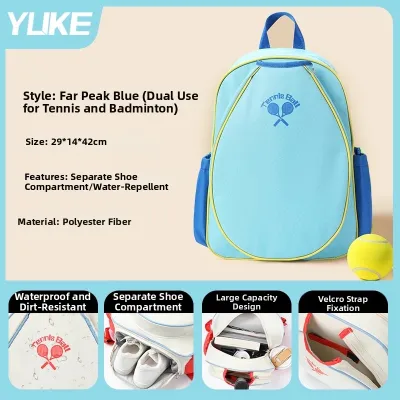
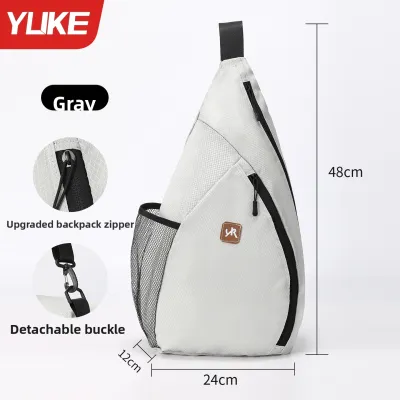
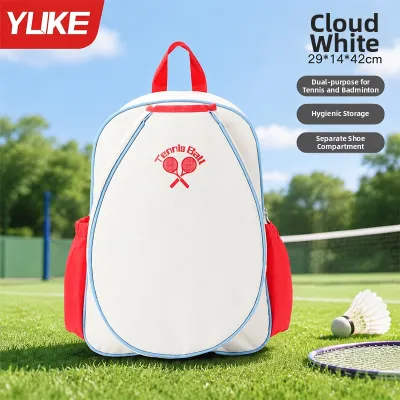
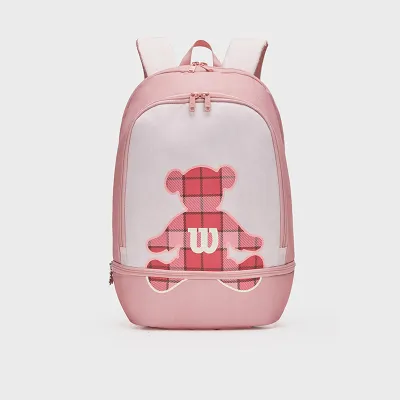
Prices are valid at publication and may change. Please refer to the product page for the latest price.
Your child’s playing level also dictates the bag’s capacity. For casual players who attend weekly lessons or play friendly weekend matches, a single-racket backpack is usually sufficient. However, if your child participates in competitive school leagues or local tournaments, they will likely need to carry two or three rackets. Having a backup racket is essential in case a string breaks mid-match. For these players, look for multi-racket bags designed specifically for juniors, which offer dedicated slots to keep multiple frames organized and protected from rubbing against one another.
Estimate the Daily Gear Volume and Compartment Needs
Beyond the racket, a tennis bag must accommodate a variety of daily essentials. Before choosing a bag size, list the exact items your child brings to every practice session. A typical junior player’s gear checklist includes court shoes, extra overgrips, a large water bottle, a small towel, a can of tennis balls, sunscreen, and a light snack. If the bag lacks dedicated compartments for these items, they will end up piled together in one large space, making it difficult for your child to find what they need quickly.

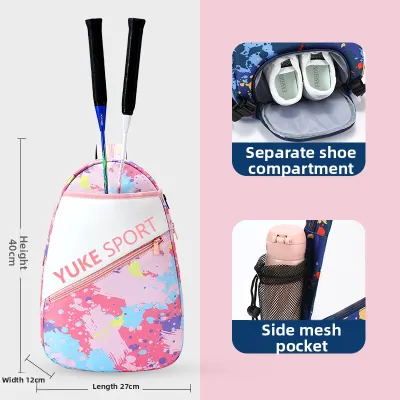
Prioritize bags that feature a dedicated, ventilated shoe compartment. In tropical climates like the Philippines, high humidity and intense heat cause feet to sweat heavily during play. Storing damp court shoes in the same sealed compartment as clean clothing or tennis rackets creates a breeding ground for bacteria, mold, and unpleasant odors. A ventilated compartment allows air to circulate, helping the shoes dry out while keeping dirt, clay, and moisture completely separate from the rest of the gear.
While it may be tempting to buy a larger bag to ensure you never run out of space, avoiding excessively large capacities is crucial for a junior player’s physical well-being. Large bags encourage overpacking. Children will naturally fill empty space with unnecessary items, such as extra toys, heavy electronics, or multiple water bottles they do not need. This added weight can cause shoulder fatigue and muscle strain before your child even steps onto the court, ultimately hindering their performance and enjoyment of the sport.
Align the Bag Dimensions with Your Child's Height and Age
To ensure a safe and comfortable fit, you must align the bag’s physical dimensions with your child’s height and torso length. Measure your child’s back from the base of the neck down to the top of the hip bone. Compare this measurement against the exterior height of the tennis bag. The bag should rest comfortably on their back without extending below the waistline or rising above the shoulders. A bag that hangs too low will bounce against the child’s thighs and buttocks as they walk, disrupting their natural stride and causing them to lean forward to compensate for the awkward weight distribution.
Carrying styles should also be matched to the child’s age and physical development. For younger or smaller juniors, ergonomic backpack straps are the most suitable option. Dual shoulder straps distribute the weight of the gear symmetrically across both shoulders, which helps maintain proper posture and prevents lateral spinal curvature. For older, taller teenagers who carry heavier gear, single-shoulder duffel bags or traditional three-pack sling bags may be acceptable, but dual backpack straps remain the recommended choice for long-term comfort and spinal health.
When evaluating backpack-style bags, look for adjustable, padded sternum and waist straps. A sternum strap fastens across the chest, preventing the shoulder straps from slipping off narrow shoulders during movement. A waist strap helps transfer a portion of the bag’s weight from the shoulders to the hips, stabilizing the load and reducing the strain on the lower back. Ensure all straps feature thick, breathable mesh padding to prevent chafing and allow heat to escape during warm-weather travel.
Common Sizing and Fit Mistakes to Avoid
One of the most common mistakes parents make is assuming that standard adult tennis bags are suitable for tall teenagers without verifying the actual fit. Even if a teenager has reached a height similar to an adult, their skeletal structure is still developing. Adult bags often feature wider shoulder strap spacing designed for broader chests. When worn by a teenager, these wide straps can slip, rub against the neck, or force the shoulders into an unnatural position, leading to discomfort and poor posture.
Another frequent oversight is ignoring the empty weight of the bag itself. Heavily padded bags with rigid structural inserts, metal zippers, and multiple heavy-duty compartments can weigh a significant amount before any gear is placed inside. For younger children, this baseline weight can be exhausting. Look for bags constructed from lightweight yet durable materials, such as high-density polyester or ripstop nylon, which provide structural integrity without adding unnecessary bulk.
Finally, do not overlook the importance of insulated or thermal-lined pockets. In hot, tropical environments, extreme heat can quickly degrade racket string tension, causing the strings to lose their elasticity and control. High temperatures can also melt the adhesive on replacement grips, causing them to slip during play. A bag with a verified thermal-lined compartment protects rackets from temperature spikes and keeps your child’s water bottle cool, ensuring they stay hydrated and their equipment remains in optimal playing condition.
Frequently Asked Questions (FAQ)
Can a junior player use an adult-sized tennis bag?
A junior player should only transition to an adult-sized tennis bag once they reach a height of approximately 150 centimeters and are regularly playing with a full-sized 27-inch adult racket. Before reaching this milestone, the physical length of an adult bag will likely cause it to drag on the ground or bounce awkwardly against the back of their legs. If you do consider an adult bag for an older teen, always verify that the shoulder straps can be shortened enough to keep the bag positioned high and tight against their back.
Does a kids' tennis bag need thermal protection?
While casual players who only practice indoors or during cool mornings may not strictly require it, thermal protection is highly recommended for children playing in hot, humid climates. Intense heat can stretch synthetic strings, weaken racket frames over time, and cause grip tape adhesives to fail. If your child participates in outdoor training sessions or travels to weekend tournaments where bags are left in direct sunlight, choosing a bag with a verified thermal-lined compartment is a smart investment to protect their gear.
Community discussion
Share your experience or ask a question. Comments are reviewed before publication.