
Choosing the right tennis bag starts with an honest assessment of what you actually carry to the court. Rather than defaulting to the largest option available, evaluating your specific racket count and daily gear load ensures you select a bag that protects your equipment without adding unnecessary bulk. This guide will help you inventory your needs and match them to the correct capacity and features.
Inventory Your Regular Court Gear
Begin by laying out all your gear on a flat surface to see exactly what goes to the court. Your primary and backup rackets form the baseline of your storage needs. Carrying at least two rackets is standard practice for players who want a backup in case a string breaks mid-match, as playing with a different frame model can disrupt your rhythm and swing mechanics.
Next, look at your footwear. Tennis shoes carry clay, hard-court dust, and sweat, making isolated storage highly desirable. Check if you need a bag with a dedicated compartment to keep dirty soles away from clean clothes and rackets. Without a separate pocket, court grit can easily migrate into your racket grips and scratch your frames.
Products mentioned in this guide
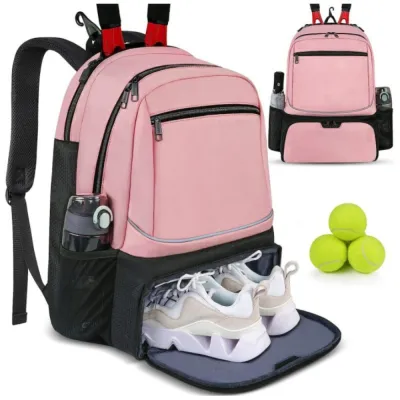
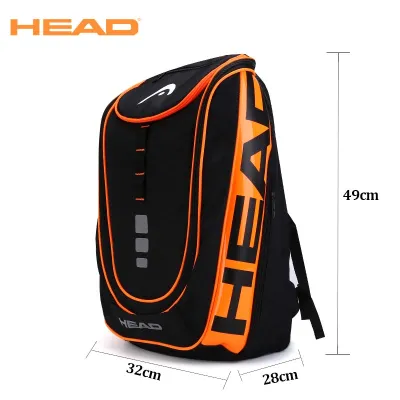
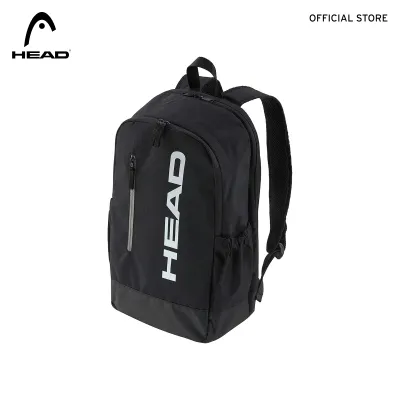
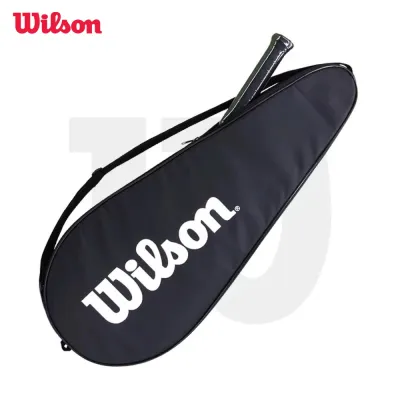
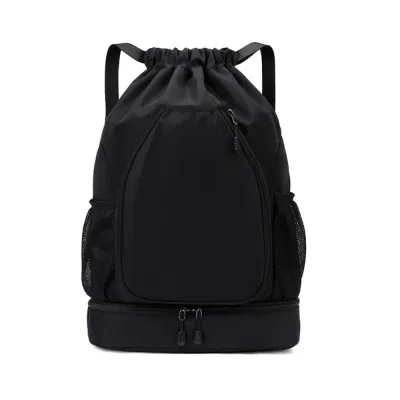
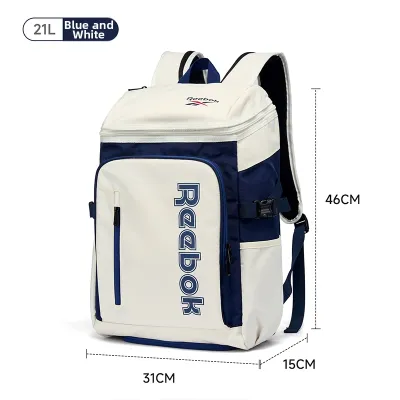
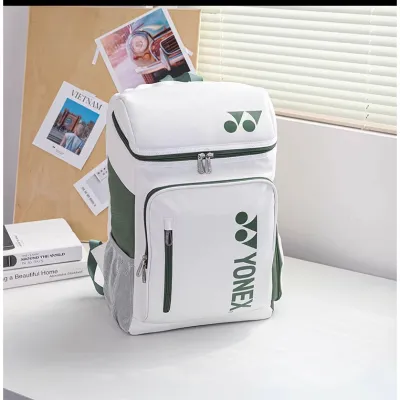
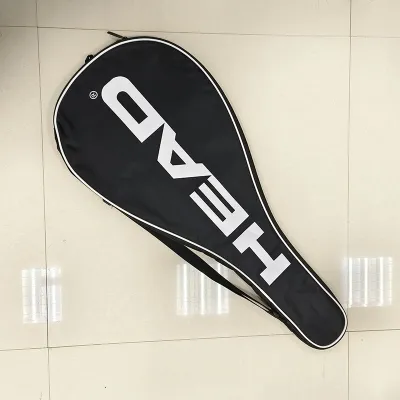
Prices are valid at publication and may change. Please refer to the product page for the latest price.
Apparel requirements vary by how long you spend at the club. A typical session might require space for a change of clothes, a warm-up jacket, extra socks, and wristbands. These items quickly bulk up a bag, especially when damp after an intense match. If you plan to shower at the venue, you will also need to account for the physical volume of a bath towel and toiletries.
Finally, list your essential accessories. This includes tennis ball cans, replacement overgrips, a towel, and a reusable hydration bottle. Grouping these smaller items helps you determine how many accessory pockets you will need to keep your gear organized. Smaller items like dampeners, finger tape, and keys can easily get lost at the bottom of a large compartment if your bag lacks dedicated utility pockets.
Match Your Gear to Standard Tennis Bag Capacities
Tennis bags are categorized by the maximum number of rackets they can hold, typically ranging from 3-pack to 12-pack sizes. However, these numbers assume you are only packing rackets. If you carry other gear, you must scale up your bag size accordingly to avoid crushing your equipment.

A 3-pack tennis bag is designed for light travel, making it ideal for players carrying one or two rackets and minimal daily essentials. If you only need to pack your keys, a phone, and a single can of balls alongside your rackets, this compact size keeps your load light and manageable. It is a popular choice for casual players who dress at home and head straight to the court.
A 6-pack tennis bag offers a practical middle ground for recreational and club players. It comfortably accommodates two to four rackets in one compartment, leaving the second main compartment free for a change of clothes, a towel, and shoes. This size provides enough versatility for players who head straight to the court after work or school and need to carry a complete change of attire.
For competitive players and tournament travelers, a 9-pack to 12-pack bag becomes necessary. These large bags are built to hold four or more rackets while leaving ample room for multiple changes of apparel, backup strings, training aids, and extensive recovery gear. They ensure you never run out of space during multi-day events where you must prepare for varying weather conditions and long wait times between matches.
Select Essential Features Based on Your Commute and Storage Needs
Once you establish the right capacity, look closely at the structural features that match your daily routine. Thermal protection compartments are designed to shield your racket frames and strings from extreme temperature fluctuations. You should verify the manufacturer’s specifications to understand the exact heat-resistance limits of these lined compartments, as excessive heat can cause string tension to drop rapidly.
Dedicated shoe pockets and wet-dry separation zones are crucial for maintaining hygiene inside your bag. A ventilated shoe compartment keeps court grime isolated and allows moisture to escape, while water-resistant wet pockets prevent sweat-soaked shirts from dampening your clean gear. This separation is particularly important if you leave your bag packed for several hours after playing.
Your commute style dictates the ideal carrying system. If you travel by motorcycle, bicycle, or public transit, look for adjustable backpack straps with chest clips to distribute weight evenly across your shoulders. For players who drive directly to the court, traditional shoulder straps or grab handles may offer quicker access and easier loading into a car trunk.
Material durability directly impacts how well your bag holds up against rough court surfaces. Check product labels for specific fabric ratings, such as denier count or water-resistance coatings, to ensure the exterior can withstand occasional scrapes and light rain. A reinforced base can also prevent wear when the bag is repeatedly placed on abrasive concrete courts.
Adjust Your Choice for Climate and Play Frequency
Playing conditions play a significant role in how much gear you must carry. In the humid tropical climate of the Philippines, players often need to pack multiple dry shirts, extra grip wraps, and larger hydration flasks to stay comfortable during long matches. This extra volume can easily turn a 3-pack bag into a tight squeeze, making a 6-pack a more practical baseline for local players.
Your play frequency also influences your decision. Daily players and tournament competitors require durable, high-capacity bags that can handle constant wear and tear while holding multiple backup rackets. Conversely, casual weekly players who only play for an hour or two can often manage with a streamlined setup that focuses on portability.
Keep in mind that choosing a slightly smaller bag can sometimes work to your advantage. Opting for a compact size encourages regular gear audits, preventing you from carrying expired tennis balls, heavy waterlogged towels, and unnecessary accessories that only add dead weight to your shoulders. A lighter bag reduces physical fatigue before you even step onto the court.
Frequently Asked Questions (FAQ)
Can I Use a Regular Backpack Instead of a Dedicated Tennis Bag?
While a standard school or travel backpack can hold a racket, it is rarely ideal for regular play. Standard backpacks usually leave the racket handle exposed to the elements, which can damage the grip during transit. Additionally, they lack specialized thermal linings to protect your strings and are not balanced to distribute the top-heavy weight of a tennis racket comfortably.
How Do I Clean and Maintain My Tennis Bag?
To clean your tennis bag, start by completely emptying all compartments and shaking out any loose court debris. Spot clean the exterior and interior linings using a soft cloth, warm water, and mild soap. Always air dry the bag completely in a shaded, well-ventilated area away from direct heat sources, and check the manufacturer’s care label for specific washing restrictions.
Community discussion
Share your experience or ask a question. Comments are reviewed before publication.