
Choosing the right tennis bag size is a balancing act between your current gear inventory, your playing frequency, and your daily transportation methods. A bag that is too small forces you to cram rackets and dirty shoes together, risking damage to expensive strings and frames. Conversely, an oversized tournament bag can become a heavy, cumbersome burden that strains your shoulders during your daily commute.
To make an informed decision, you must look past simple marketing labels and evaluate how a bag’s physical dimensions, compartment layouts, and specialized features align with your routine. Whether you are a casual weekend player or a competitive athlete training multiple times a week, selecting the correct capacity ensures your equipment remains protected and organized.
Understanding Tennis Bag Capacity Labels
Tennis bag manufacturers typically categorize their products using racket-count labels, such as 3-pack, 6-pack, 9-pack, or 12-pack options. However, these labels can be highly misleading for players who carry more than just rackets. A “3-pack” bag, for example, is designed to hold three bare rackets tightly together; if you add a pair of shoes, a can of balls, and a change of clothes, that same bag may only have room for a single racket.
Products mentioned in this guide
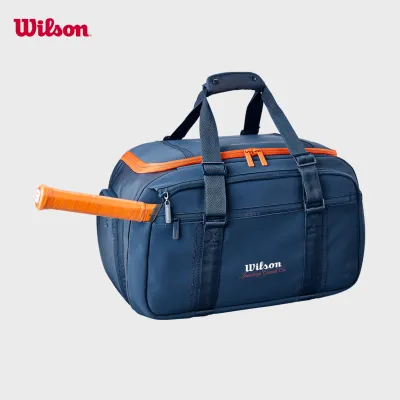
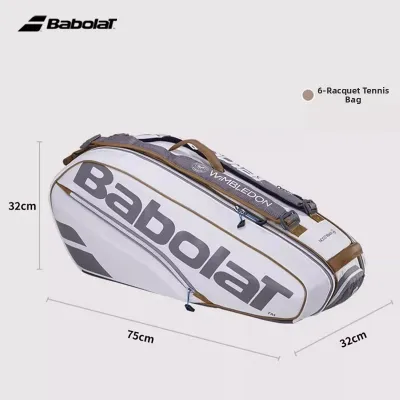
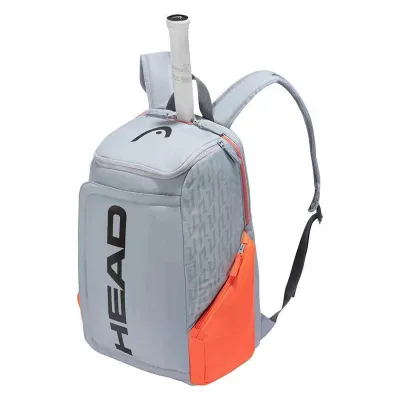
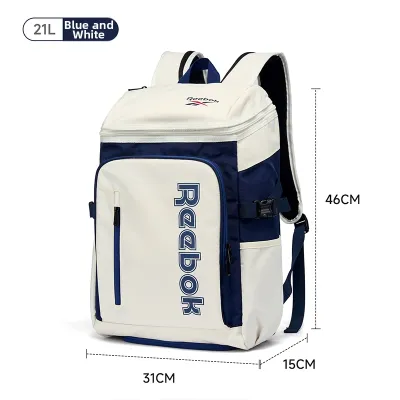
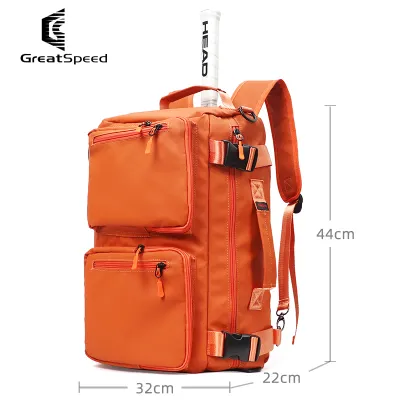
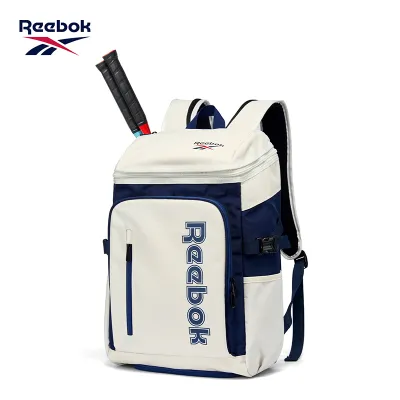
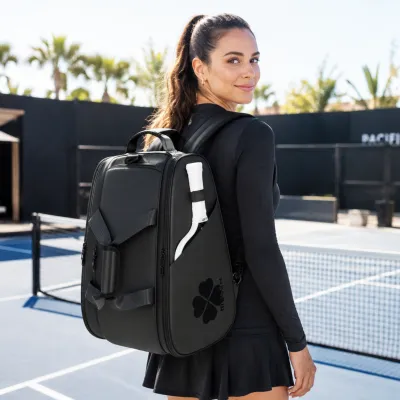
Prices are valid at publication and may change. Please refer to the product page for the latest price.
As you progress from compact single-racket slings to massive multi-compartment tournament bags, the actual volume in liters increases significantly. Slings and backpacks generally offer 15 to 30 liters of space, which is ideal for light travel. Club bags (6-pack to 9-pack) expand this to 40 or 60 liters, while professional tournament bags (12-pack or larger) can exceed 80 liters of carrying capacity.
Before purchasing, always verify the actual physical dimensions (length, width, and height) provided by the manufacturer. Compare these measurements against your longest racket—standard adult rackets are 27 inches (approx. 68.6 cm) long—and ensure the main compartments can accommodate your gear without forcing the zippers.
Matching Bag Size to Your Racket Count
Your racket count is the primary baseline for your bag selection. While a beginner may only carry one racket, intermediate and advanced players often bring two or more identical frames to the court. Carrying backup rackets is a practical necessity to ensure you can continue playing if a string breaks mid-match or if you experience a sudden loss of string tension.

In tropical environments with high humidity and intense heat, protecting your rackets is critical. Extreme temperatures can cause synthetic strings to lose tension rapidly and can even warp composite frame materials over time. When selecting a bag, verify if it features dedicated thermal-lined compartments designed to shield your equipment from external temperature spikes.
You should also evaluate how the rackets are stored within the bag. Dedicated exterior racket sleeves keep your frames separated from your dirty gear but leave the handles exposed to dust and sudden rain showers. Internal compartments offer full-coverage protection, keeping your entire racket dry and secure, though they require a larger overall bag footprint.
Factoring in Shoes, Apparel, and Daily Accessories
A tennis bag must accommodate more than just your rackets; it needs to organize your entire court wardrobe. Playing in hot, humid climates leads to heavily soiled apparel and damp shoes. Storing these items directly alongside your clean gear or rackets can cause mold growth and unpleasant odors.
To prevent this, look for bags equipped with a dedicated, ventilated shoe compartment and separate wet/dry pockets. These compartments isolate dirty footwear and sweat-soaked shirts, allowing air to circulate and moisture to escape. If a bag lacks ventilation, you will need to verify if it has enough internal volume to fit separate waterproof dry bags.
Daily hydration and nutrition also require dedicated space. Ensure the bag has external mesh sleeves or insulated side pockets capable of holding large water bottles or sports drinks securely. Small personal items like keys, smartphones, wallets, and extra grip tapes should go into dedicated accessory pockets so they do not get lost at the bottom of a deep main compartment.
Adjusting for Playing Frequency and Travel
Your weekly court schedule and how you travel to the venue play a massive role in determining the ideal bag size. A casual player who hits the court once a week for social doubles needs far less gear than a competitive junior player attending daily coaching sessions or multi-day regional tournaments.
Consider your transit constraints carefully. If you commute using public transportation, ride a motorcycle, or navigate crowded city streets, a bulky 12-pack bag is highly impractical and safety-hazardous. For these scenarios, a streamlined tennis backpack or a compact 3-pack bag with ergonomic backpack straps is much easier to manage and keeps your hands free.
If you travel frequently for matches, a modular system might serve you better than a single giant bag. Combining a standard tennis backpack for light training days with a larger duffel bag for weekend tournaments allows you to scale your carrying capacity up or down. This flexibility prevents you from hauling a massive, half-empty bag to a quick one-hour practice session.
Common Sizing Mistakes to Avoid
One of the most common mistakes is buying an oversized bag under the assumption that more space is always better. Large bags naturally invite clutter; you may find yourself carrying unnecessary cans of old balls, heavy training aids, and expired snacks. This extra weight puts uneven strain on your shoulders and back, increasing the risk of fatigue before you even step onto the court.
Conversely, do not underestimate the physical bulk of seasonal or utility gear. Even in warm climates, you may need to pack extra towels, a lightweight windbreaker for sudden evening breezes, or a compact umbrella. A bag that is too small will bulge at the seams, putting excessive pressure on the zippers and seams, which can lead to premature tearing.
Finally, always inspect the quality of the carrying system. As bag capacity increases, the weight of your gear multiplies. Verify that the shoulder straps feature thick, high-density foam padding and adjustable chest straps to distribute the load evenly across your torso. A durable, water-resistant base material is also essential to protect your bag when placing it on rough, damp concrete court surfaces.
Frequently Asked Questions (FAQ)
Can I use a regular backpack instead of a dedicated tennis bag?
While you can physically fit a racket into a standard school or travel backpack, it is not recommended for regular use. Standard backpacks lack the specific length and shape required to support a tennis racket, leaving the handle sticking out at an awkward angle. This exposure increases the risk of the racket falling out, getting scratched, or absorbing moisture during a sudden downpour. Furthermore, regular backpacks do not feature thermal lining or dedicated shoe compartments, meaning your dirty court shoes will sit directly against your clean items.
How do I clean and maintain a large tennis bag?
To extend the lifespan of your tennis bag, establish a regular cleaning routine. Begin by completely emptying all compartments, shaking out loose dirt, clay, and court debris. Wipe down both the interior and exterior surfaces using a soft cloth dampened with lukewarm water and a mild, non-abrasive soap. Always check the manufacturer’s care label for specific washing instructions, and avoid machine washing or tumble drying unless explicitly permitted, as high heat can damage thermal linings and water-resistant coatings. Allow the bag to air dry completely in a shaded, well-ventilated area before packing your gear back inside.
Community discussion
Share your experience or ask a question. Comments are reviewed before publication.