
Setting up camp in the Philippines means preparing for highly diverse environments, from loose coastal sands to hard volcanic mountain soils. The standard pegs bundled with your tent are rarely designed to handle all of these conditions safely.
To keep your shelter secure against sudden tropical gusts and heavy downpours, you must match your tent pegs to the specific ground conditions of your campsite. Choosing the right pegs for tent setups involves understanding how different shapes and materials interact with various soil densities.
Understanding Tent Peg Shapes and Materials
To select the right gear, you must first understand how a peg’s physical design and material composition influence its performance. Different shapes are engineered to grip the ground in distinct ways, utilizing soil tension and surface area to resist the pulling force of your tent’s guy lines.
Products mentioned in this guide
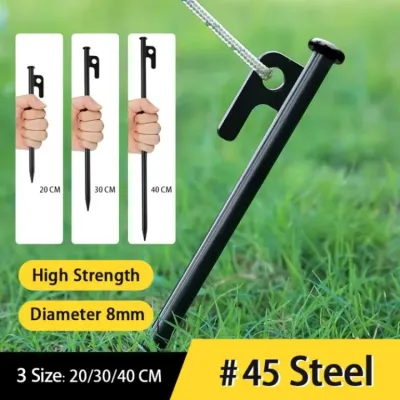
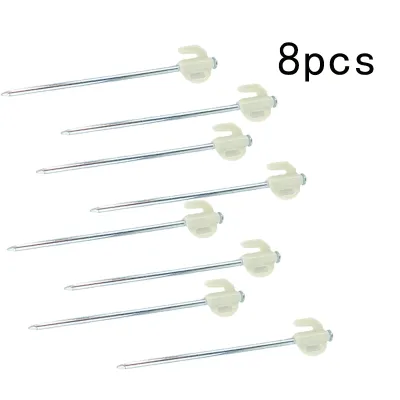
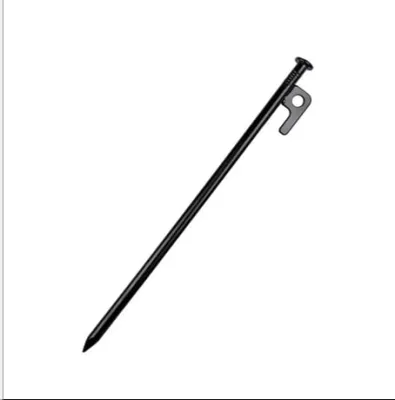
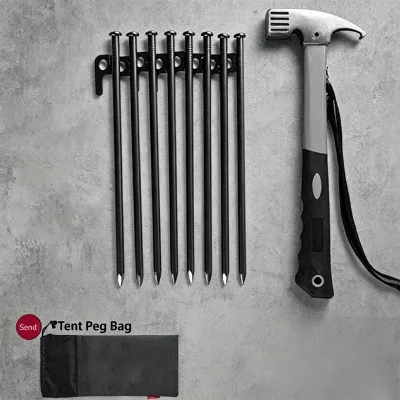
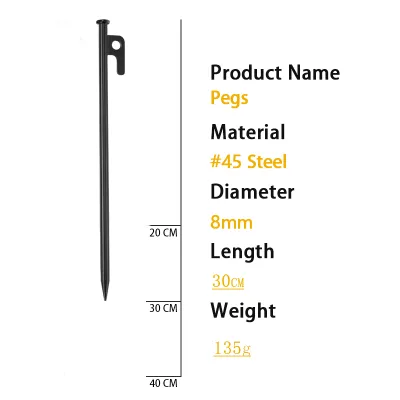
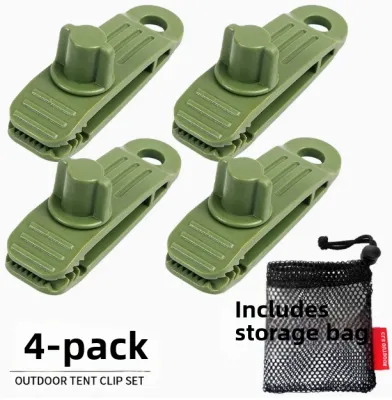
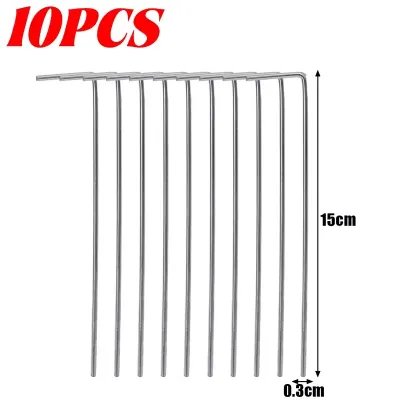
Prices are valid at publication and may change. Please refer to the product page for the latest price.
Y-Stakes: These pegs feature a three-sided cross-section that offers excellent surface area and multi-directional holding power. They resist twisting in the ground and are highly versatile for mixed soils.
V-Stakes: With a simple V-shaped profile, these pegs stack easily to save space and offer a wide surface area that performs well in medium-to-soft soils.
Nail Pegs: These are straight, cylindrical stakes with a reinforced head, designed to be driven directly into hard, compacted ground or rocky surfaces.
Screw Pegs: Featuring threaded shafts, these pegs are twisted into the ground to maximize grip in loose or muddy conditions.
The material of your pegs determines their weight, strength, and resistance to bending. Aluminum is the most common choice, offering a balanced combination of lightweight packability and decent strength for general camping.
Steel pegs are incredibly durable and heavy, making them ideal for driving into hard, rocky ground where lighter pegs would bend, though they add significant weight to your pack. Titanium pegs provide an exceptional strength-to-weight ratio, resisting bending while remaining light, though they generally require a higher initial investment.
Before embarking on any camping trip, perform a thorough visual inspection of your peg collection. Check each stake for structural bending, hairline cracks along the shaft, and blunted tips that could make insertion difficult. Run your fingers along the edges to identify any sharp burrs that might fray your tent loops or guy lines during setup.
Choosing Tent Pegs for Sandy Beaches and Loose Soil
Coastal camping on sandy beaches presents a unique challenge because loose, dry sand has very low density and shear strength. Standard thin pegs will easily pull out under the slightest tension from wind or shifting tent fabric.

To secure your shelter in these environments, you need specialized pegs designed to maximize surface area and friction. Look for wide, elongated sand pegs, often featuring a curved U-shape or a spiral design.
These profiles allow the shifting sand to settle over the peg, using the weight of the sand itself to hold the stake in place. The increased surface area distributes the pulling force across a wider section of loose soil, preventing the peg from slicing through the sand when the wind blows.
If you find yourself on extremely fine, dry sand where even specialized sand pegs fail to hold, you must transition to alternative anchoring methods. A deadman anchor involves tying your guy line around a wide peg, a large drift log, or a heavy rock, and burying it horizontally deep in the sand.
Alternatively, filling heavy-duty sandbags and burying them or weighing down the corners of your tent can provide a highly stable anchor system that does not rely on ground penetration.
When inserting pegs into sand, drive them at a 45-degree angle pointing away from the tent, pushing them as deep as possible until the head is flush with or buried beneath the surface. To remove them without damage, gently clear the sand around the head first rather than pulling straight up on the guy line, which can bend the peg or snap the attachment loop.
Selecting Tent Pegs for Rocky and Hard Ground
Securing a tent on rocky mountain ridges or highly compacted clay trails requires pegs that can withstand high impact forces without bending or breaking. Standard aluminum pegs will quickly deform when struck against hidden rocks, leaving you with useless, bent metal and an unstable shelter.
For these challenging surfaces, heavy-duty nail pegs made of hardened steel or high-grade titanium are the most reliable choice. These pegs feature a slim, straight profile that minimizes resistance as they penetrate hard ground, combined with a thick, reinforced head that can take direct strikes from a camp mallet or a flat rock.
The sharp, pointed tips are designed to find and wedge into tiny cracks and crevices within the rock structure. When budgeting around ₱50 to ₱150 per peg for high-quality titanium or steel options, you ensure your kit can handle tough mountain terrains.
When pitching on rocky ground, take your time to probe the soil gently before driving a peg home. If you hit a solid obstruction, do not try to force the peg through with heavy blows; instead, extract it and adjust the angle or move the placement slightly to find a gap between the rocks.
You can also look for natural micro-fractures in large rock slabs where a slim nail peg can be wedged securely. Always prioritize safety when working with hard ground.
If a peg refuses to penetrate after several firm taps, stop immediately to avoid shattering the peg or causing metal fragments to splinter off. If the ground is completely impenetrable, bypass pegs entirely and secure your guy lines around heavy, stable boulders using secure knots, ensuring the rocks are heavy enough to resist your tent’s wind load.
Picking Tent Pegs for Forest Floors and Mixed Terrains
Forest campsites and established grasslands present a mixed bag of soil conditions, often combining soft topsoil, dense clay, decaying leaf litter, and a network of tough tree roots. Your pegs must offer a balance of penetration power to pierce through organic debris and holding strength to grip the variable soil layers beneath.
Standard Y-stakes and V-stakes serve as excellent baseline options for these mixed environments. Their multi-sided profiles cut through leaf litter and soft topsoil easily, while the wide surface area provides solid resistance once embedded in the firmer clay or dirt layers below.
They offer enough structural rigidity to push past minor obstructions without bending. Before driving your pegs into a forest floor, clear away the loose surface layer of leaves, twigs, and organic mulch to expose the actual soil.
This ensures your peg grips solid ground rather than loose debris that will easily slide under tension. If you encounter a shallow tree root while inserting a peg, do not attempt to force the stake through it, as this can damage both your gear and the tree’s root system.
Instead, angle the peg slightly to bypass the root, or adjust the length of your guy line to place the peg in a clear patch of soil. Driving the peg at a 45-degree angle away from the tent helps it hook under deeper soil structures, maximizing its holding power in mixed forest terrain.
Cross-Terrain Compatibility and Packing Strategies
Carrying a massive collection of every peg type is impractical, especially when backpacking through changing elevations and varied landscapes. A smarter approach is to build a versatile, lightweight peg kit tailored to your planned itinerary while keeping weight to a minimum.
A highly effective mixed-kit strategy involves packing a primary set of six to eight versatile Y-stakes for general use, supplemented by four heavy-duty nail pegs for rocky spots and a few lightweight sand anchors if you anticipate coastal stops. This combination ensures you can adapt to unexpected ground conditions without carrying unnecessary bulk.
When packing your gear, pay close attention to how you store your pegs to prevent damage to your tent fabric, sleeping pad, or backpack liner. Always store pegs in a dedicated, heavy-duty roll-up pouch or a reinforced canvas bag, keeping the sharp tips pointed away from delicate gear.
Placing the peg bag in the center of your pack, wrapped inside your footprint or tarp, provides an extra layer of protection against accidental punctures.
Tropical humidity can quickly degrade your gear, making post-trip maintenance essential. After every camping trip, wash your pegs thoroughly with fresh water to remove mud, salt residue, and organic matter.
Dry them completely under the sun or with a clean towel before storing them in a dry, well-ventilated space to prevent corrosion and mold growth, ensuring they remain strong and ready for your next outdoor adventure.
Frequently Asked Questions (FAQ)
Can I use the same tent pegs for both beach and mountain camping?
Using a single type of peg for both beach and mountain camping is highly inefficient and can compromise your safety. Beach camping requires wide, long pegs to grip loose sand, which are far too bulky and soft to penetrate rocky mountain soils.
Conversely, thin, heavy-duty mountain nail pegs will instantly pull out of soft sand. For casual campers visiting mixed, moderate terrains, a set of sturdy aluminum Y-stakes offers a reasonable compromise, but extreme environments always demand specialized pegs.
What should I do if my tent peg bends during insertion?
If a tent peg bends, immediately assess the severity of the damage before attempting to reuse it. A slightly bent aluminum or steel peg can sometimes be gently tapped back into shape using a flat rock or mallet against a hard, flat surface.
However, if the metal shows signs of cracking, severe discoloration, or deep creasing, its structural integrity is compromised. Discard damaged pegs to prevent them from snapping unexpectedly under high wind tension, which could collapse your tent or cause injury.
Community discussion
Share your experience or ask a question. Comments are reviewed before publication.