
When planning an outdoor adventure in the Philippines, your choice of shelter is only as reliable as the anchor holding it to the ground. Selecting the right tent stake depends entirely on the soil density, wind exposure, and weather conditions of your campsite. From the loose coastal sands of Anawangin Cove to the compacted, rocky ridges of Mount Pulag, using the wrong type of anchor can cause your shelter to fail during sudden tropical downpours or heavy monsoonal gusts. To ensure your tent remains secure, you must match your stakes to the unique physical properties of the terrain you plan to explore.
Why Terrain Dictates Your Tent Stake Choice
A tent stake functions as a mechanical anchor, transferring the physical loads of wind and tension from the tent’s canopy and guylines down into the earth. The ground must provide enough friction and resistance to counteract these forces, which is why a single, default peg cannot perform reliably in every environment.
Three primary variables determine how a stake interacts with the ground: surface area, material rigidity, and penetration depth. Loose soil requires a large surface area to build friction, whereas hard, rocky ground demands high material rigidity to penetrate without bending. Additionally, the depth of penetration determines how stable the anchor remains when the upper layers of soil become saturated by heavy tropical rain. Because the diverse camping landscapes of the Philippines feature rapidly shifting soil conditions, understanding these variables is essential for preventing structural tent failure.
Products mentioned in this guide
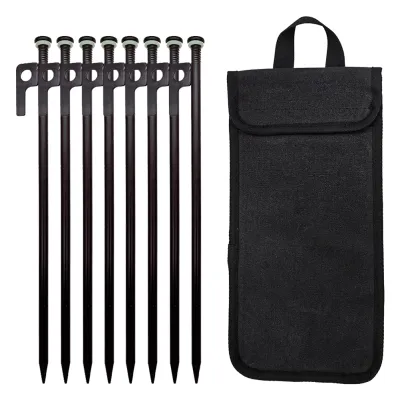
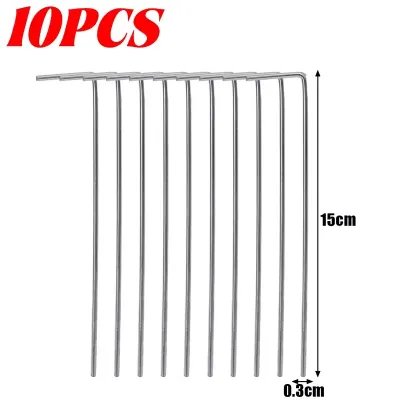
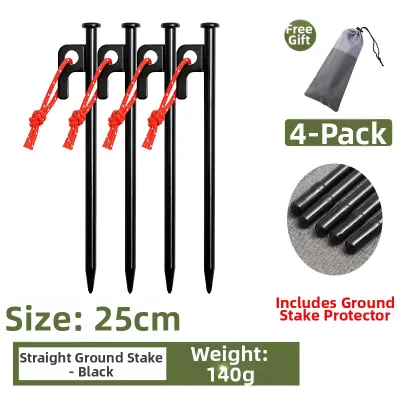
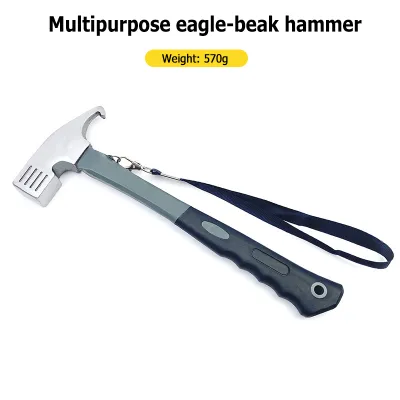
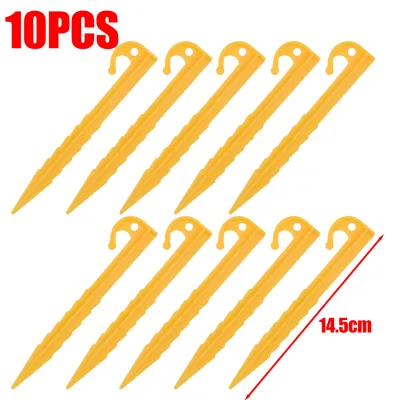
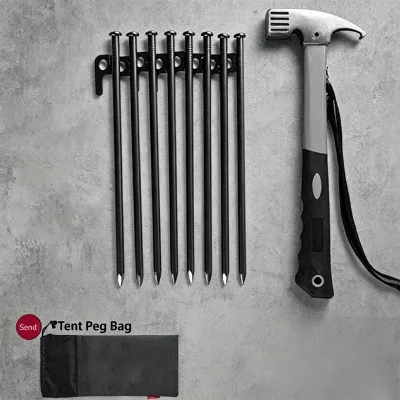
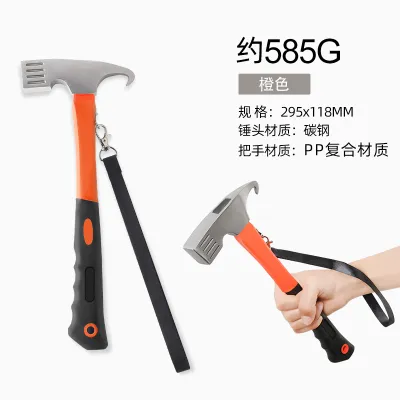
Prices are valid at publication and may change. Please refer to the product page for the latest price.
Sand and Beach Camping: Choosing a Tent Stake for Loose Soil
Sand Stakes and Wide-Surface Designs
Standard thin wire stakes fail immediately on sandy shores because they lack the surface area to create friction in loose, shifting grains. When wind pulls on the guylines, a thin pin slices easily through the sand, causing the tent to collapse.

Dedicated sand stakes solve this issue through wide, curved profiles, often resembling a U-shape or a wide V-shape, sometimes featuring perforated holes along the spine. These holes allow sand to pack inside the stake itself, utilizing the weight of the surrounding sand to increase holding power. In terms of materials, heavy-duty plastics or wide aluminum alloys are preferred. These stakes are significantly longer than standard designs—often measuring 12 inches (approx. 30 cm) or more—allowing them to reach the deeper, damp, and more compacted layers of sand that lie beneath the dry surface.
Alternative Anchoring Methods for Beaches
When facing extreme coastal winds or incredibly fine, dry sand where even specialized stakes struggle to hold, alternative anchoring techniques become essential. The “deadman anchor” is a highly reliable camping method that uses buried objects to secure your guylines.
To construct a deadman anchor, tie your guyline securely around a filled stuff sack (packed with sand or heavy gravel), a large piece of driftwood, or a heavy rock. Dig a trench at least 12 to 18 inches deep, place the anchored object inside, and bury it completely, compacting the sand on top. Ensure the guyline exits the trench at a low, shallow angle pointing back toward the tent. This orientation forces the tension to pull horizontally against the compacted sand barrier rather than pulling the buried object directly upward.
Mountain and Rocky Ground: Stakes for Hard Surfaces
Nail Stakes and Heavy-Duty Metal Pins
Pitching a tent on high-altitude ridges, such as the compacted trails of Mount Apo or Mount Dulang-Dulang, presents the opposite challenge of beach camping. The ground here is often a dense mix of clay, gravel, and solid rock, which will easily bend soft aluminum or plastic pegs.
Nail stakes—which are thin, cylindrical pins made of hardened steel or titanium—are designed specifically to drive straight into these unyielding surfaces. Their slim profile minimizes resistance as they slide past subterranean obstructions, while the high-strength metals resist bending under the force of a mallet. The primary trade-off with these heavy-duty pins is their limited surface area, which provides minimal holding power in soft or wet soil. When selecting nail stakes, look for options with a chisel-pointed tip to help split hard dirt and a robust, flat head that can endure repeated strikes without deforming.
Anchoring on Solid Rock and Shallow Soil
On solid bedrock or shallow soil where the underlying rock layer prevents any stake from penetrating more than an inch, attempting to force a stake down will only damage your gear. In these environments, you must pivot to non-penetrating anchoring methods.
Instead of driving stakes, locate heavy boulders, stable rock formations, or exposed tree roots to serve as natural anchor points. Wrap your guylines securely around these features, utilizing a clove hitch or a similar adjustable knot to maintain tension on the tent body. Because sharp volcanic rock or rough granite can quickly fray nylon cords under wind-induced friction, always pad your guylines. You can wrap a spare piece of fabric, a section of old webbing, or even thick leaves around the cord where it contacts sharp rock edges to prevent sudden tension loss.
Grassland and Forest Floors: Stakes for Soft to Medium Soil
Y-Stakes and V-Stakes for Balanced Holding Power
Grassy fields, loamy forest floors, and established campsites—such as those found in the foothills of Mount Pulag or municipal eco-parks—offer medium-density soil. This is the most common camping terrain, requiring a balance between penetration ease and holding power.
Y-stakes and V-stakes, typically extruded from aircraft-grade aluminum, are the industry standards for these conditions. The three-sided “Y” profile or the folded “V” profile provides exceptional structural rigidity, preventing the stake from twisting or bending when driven into the earth. These designs offer a high surface-area-to-weight ratio, ensuring excellent friction against loose dirt while remaining light enough for multi-day backpacking trips. Look for stakes around 7 to 8 inches in length with a pronounced notch near the head to prevent guyline loops from slipping off under tension.
Shepherd Hook Stakes for Ultralight Setups
Shepherd hook stakes are thin, lightweight wire pegs with a curved top, often made of titanium or aluminum. Their main appeal is their minimal weight and pack volume, making them a favorite among ultralight backpackers who monitor every gram in their packs.
However, these stakes have severe limitations: their thin wire profile provides very little surface area, meaning they pull out easily in moderate winds or damp, muddy soil. They are also highly prone to bending if they strike a hidden root or stone while being driven into the ground. Reserve shepherd hook stakes strictly for calm weather conditions, established campgrounds with clear, soft soil, and lightweight shelters that do not require high guyline tension to remain structurally sound.
Cross-Terrain Compatibility: Do You Need a Universal Stake?
While many manufacturers advertise a “universal” tent stake—usually a standard 7-inch aluminum Y-stake—no single design can perform perfectly across all environments. A stake optimized for the hard clay of a mountain ridge will fail on a windy beach, and a wide sand stake is impossible to drive into compacted gravel.
Relying on a single type of stake across diverse Philippine landscapes introduces unnecessary risk. For instance, if you take standard Y-stakes to the sandy shores of Zambales, you risk your tent blowing away; if you take shepherd hooks to a rocky mountain peak, you will likely end up with a handful of bent, useless metal wires.
A modular approach is highly recommended for active campers. Build a mixed stake kit containing a primary set of six to eight versatile aluminum Y-stakes for general use, supplemented by four heavy-duty titanium nail stakes for rocky ground and four wide sand stakes for coastal trips. Budget-wise, high-quality aluminum Y-stakes typically range from ₱300 to ₱800 for a pack of six on local ecommerce platforms, making a mixed kit a highly affordable investment in your safety and comfort. To streamline your camp setup, especially in low-light conditions or during sudden rain, color-code your stakes using bright reflective pull-cords or colored electrical tape. This allows you to quickly identify and deploy the correct anchor type for the specific ground conditions you encounter.
Essential Tips for Pitching and Securing Stakes in the Field
Before setting up camp, always check localized weather advisories from PAGASA. In the Philippines, severe weather can develop rapidly; if a tropical storm warning is active, cancel or postpone your trip rather than relying solely on high-quality gear, as equipment cannot replace proper safety judgment.
To maximize the holding power of any tent stake, you must drive it into the ground at the correct angle. Always insert the stake at a 45-degree angle pointing away from the tent, which aligns the stake perpendicular to the pulling force of the guyline, maximizing soil resistance. Avoid driving stakes straight down vertically, as this allows the tension of the guyline to slowly pull the stake upward and out of the ground. When driving the stake, use a dedicated rubber mallet, a flat-faced stone, or the heel of a sturdy hiking boot, ensuring you apply smooth, direct pressure.
Before driving a stake, take a moment to clear the immediate surface of loose leaves, twigs, and visible stones. If you feel solid resistance beneath the surface, do not force the stake; pull it out slightly, adjust the angle, or move the placement slightly to avoid striking a root or rock that could bend the metal. After returning from a humid or coastal camping trip, proper maintenance is crucial to prevent corrosion and extend the lifespan of your gear. Wash away all mud, salt residue, and sand with fresh water, dry each stake thoroughly with a clean cloth, and inspect them for micro-bends or structural fatigue before storing them in a dry place.
Frequently Asked Questions (FAQ)
How do I safely straighten a bent aluminum tent stake?
Before attempting a repair, closely inspect the bend. Minor, gradual curves can often be safely corrected, but if the metal shows a sharp kink, crease, or hairline crack, the structural integrity of the aluminum alloy has been compromised, and the stake should be replaced.
To straighten a minor bend, place the stake on a flat, hard surface such as a wooden block or a smooth log. Gently tap the high point of the curve with a rubber mallet or a smooth, heavy stone, rotating the stake slightly between taps to distribute the pressure evenly. Avoid using pliers, heavy metal hammers, or open flames to heat the metal. Excessive force or heat can weaken the tempered aluminum alloy, making it highly brittle and prone to snapping under tension during your next camping trip.
Can I use wooden pegs instead of metal tent stakes?
Carving wooden pegs from fallen branches is a classic bushcraft skill that offers a biodegradable, zero-cost solution in survival scenarios or casual, low-stakes backyard camping. They can serve as an effective temporary backup if you lose your primary stakes in the field.
However, wooden pegs are highly impractical for modern, active camping. They are bulky, heavy to carry in a backpack, prone to splitting when struck with a mallet, and will quickly rot or swell when exposed to the high humidity and wet soils common in tropical climates. For reliable shelter security, modern metal or composite stakes are vastly superior. They offer predictable strength, lightweight packs, and long-term durability, ensuring your tent remains anchored even when weather conditions deteriorate.
Community discussion
Share your experience or ask a question. Comments are reviewed before publication.