
Selecting the correct thermal suit thickness is a critical decision that balances warmth, comfort, and safety underwater. The right choice depends on a combination of water temperature, dive depth, duration, and your personal physiological factors. Rather than relying on generic rules of thumb, this guide will help you evaluate your specific diving scenarios and interpret manufacturer specifications to find the appropriate thermal protection for your needs.
Understand the Trade-Off Between Warmth and Mobility
To make an informed decision, you must first understand how a thermal suit functions. Neoprene, the primary material used in wetsuits, is a synthetic rubber filled with microscopic nitrogen gas bubbles. When you enter the water, a tiny amount of water slips inside the suit and is trapped against your skin. Your body heats this thin layer, while the gas-filled neoprene acts as an insulating barrier that slows down the transfer of your body heat into the colder surrounding ocean.
However, increasing this insulating barrier introduces a distinct trade-off with physical mobility. Thicker neoprene—such as 5mm or 7mm material—offers greater insulation but becomes significantly stiffer. Every bend of your elbow, kick of your fin, and reach for your gear requires more physical effort when fighting against a thick layer of compressed rubber.
Products mentioned in this guide
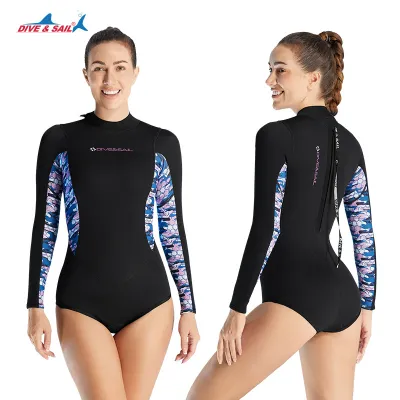
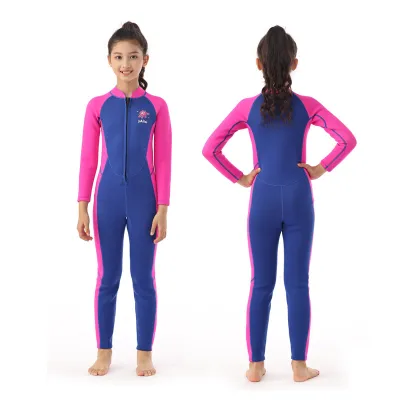
Prices are valid at publication and may change. Please refer to the product page for the latest price.
This restriction in mobility directly impacts your dive performance. The extra physical exertion required to move in a restrictive suit increases your heart rate and metabolic demand. Consequently, you will consume your breathing gas much faster, potentially shortening your dive time. The added fatigue can also reduce your situational awareness, making it essential to choose the thinnest suit that still keeps you safely warm.
Identify Your Personal and Environmental Variables
Determining the ideal thickness requires looking beyond the surface water temperature. While a tropical destination like the Philippines might boast surface temperatures of 28°C to 30°C, water temperatures can drop significantly as you descend. Thermoclines—abrupt boundaries between warm surface water and colder deep water—are common in many diving environments. A suit that feels adequately warm at 5 meters may leave you shivering at 25 meters when you cross into a cooler current.

Your dive profile and schedule also dictate your thermal needs. A single, shallow 30-minute dive requires far less insulation than a deep, 60-minute multi-level dive. Additionally, if you are participating in a multi-day diving trip or a liveaboard excursion where you complete three to four dives a day, your body will experience cumulative heat loss. Even in warm tropical waters, your core temperature may not fully recover during surface intervals, meaning a suit that felt warm on day one might feel inadequate by day three.
Personal physiological factors are equally influential. Every individual processes heat differently. Your metabolic rate, body composition, age, and circulation all affect how quickly you feel the cold. A diver with a lower body fat percentage or a slower resting metabolic rate will generally require a thicker thermal suit than someone who naturally generates more body heat. Furthermore, underwater photographers who remain relatively still to capture shots will lose heat much faster than active divers who are constantly swimming.
Use Manufacturer Temperature Guides for Thickness Selection
When shopping for a thermal suit, you will often encounter generic temperature-to-thickness charts. While these charts offer a starting point, they should not be treated as absolute rules. Neoprene quality and construction techniques vary wildly across different brands. A high-grade, limestone-based neoprene with an advanced thermal inner lining can offer the same insulation as a thicker, lower-grade petroleum-based neoprene suit. Therefore, relying solely on generic charts can lead to purchasing a suit that is either too cold or unnecessarily bulky.
Another critical factor to consider is depth compression. Because neoprene relies on trapped gas bubbles for insulation, it is highly susceptible to ambient pressure. As you descend, the increasing water pressure compresses these bubbles, flattening the neoprene. At a depth of 30 meters, a 5mm suit can compress to less than half its original thickness, drastically reducing its ability to retain heat. If you regularly plan deep dives, you must account for this compression by selecting a slightly thicker suit or choosing specialized compressed neoprene models designed to resist pressure.
To ensure accuracy, always consult the specific manufacturer’s temperature and thickness guide for the exact model you intend to purchase. Reputable brands conduct extensive testing on their specific material blends, seam styles, and inner linings to provide tailored temperature recommendations. Comparing these manufacturer-specific guides with your typical diving depths and local water conditions will give you the most reliable estimate of how the suit will perform in the real world.
Factor in Suit Style, Seals, and Fit for Real-World Warmth
The style of your thermal suit plays a major role in how well it retains heat. Shorties, which feature short sleeves and cut-off legs, are highly flexible and easy to don, making them popular for warm-water snorkeling and shallow tropical dives. However, they leave your extremities exposed to both the cold and potential marine stings. Full suits cover your entire body, providing comprehensive thermal protection and defense against environmental hazards. For highly variable conditions, two-piece suits or modular systems—such as a full suit paired with a hooded vest—allow you to adjust your insulation level from dive to dive.
Regardless of the style or thickness you choose, the fit of the suit is the single most important factor determining its thermal efficiency. A thermal suit must fit like a second skin. If the suit is too loose, water will continuously flow in through the neck, wrists, and ankles, flushing out the warm layer of water your body has heated. This constant circulation of cold water rapidly strips away your body heat, rendering even a thick suit ineffective. Conversely, a properly fitted 3mm suit that minimizes water movement will often keep you warmer than a poorly fitted 5mm suit.
Pay close attention to the design of the seals and zippers. High-quality suits feature specialized seals at the neck, wrists, and ankles made from smooth, high-grip materials like glide skin. These seals cling gently to your skin to create a watertight barrier that blocks flushing. Additionally, look for suits with heavy-duty zippers backed by internal neoprene flaps. These flaps prevent cold water from seeping directly through the zipper teeth and running down your spine, keeping your core warm throughout the dive.
Verify Product Specifications Before Purchasing
Before making your final purchase, carefully review the product specifications to ensure the suit’s construction matches your diving needs. Start by checking the material composition. Modern high-quality suits often utilize limestone-derived neoprene, which is more durable, flexible, and environmentally friendly than traditional petroleum-based options. Additionally, look for advanced interior linings, such as quick-drying plush or infrared-reflecting fabrics, which enhance warmth without adding physical bulk or weight.
Next, examine the seam construction, as this directly affects both water tightness and durability. Flatlock stitching is common in thinner suits designed for warm water; however, because the needle passes entirely through the neoprene, these seams are not waterproof and will allow water to seep in. For cooler conditions, prioritize suits with glued and blind-stitched (GBS) seams. In GBS construction, the neoprene panels are glued together and then stitched only halfway through the material, creating a completely watertight seal. High-end suits may also feature liquid-taped or welded seams for high durability and water exclusion.
Finally, confirm the manufacturer’s care and maintenance instructions to protect your investment. Neoprene is sensitive to heat, chlorine, and ultraviolet radiation. To maintain the suit’s elasticity and thermal integrity, you must rinse it thoroughly with fresh water after every dive, dry it inside out in a shaded area away from direct tropical sunlight, and store it flat or on a thick, padded hanger. Taking these steps ensures the microscopic gas bubbles within the neoprene do not collapse prematurely, preserving the suit’s insulating capabilities for years to come.
Frequently Asked Questions (FAQ)
Can I use the same thermal suit for both scuba diving and snorkeling?
While you can use the same suit, you must consider the different physical demands of each activity. Snorkeling is performed at the surface, where water temperatures are warmest and hydrostatic pressure is non-existent. Snorkelers require high flexibility around the shoulders and neck for continuous swimming. Scuba diving, however, subjects the suit to depth compression and exposes you to colder, deeper water for extended periods. A thick scuba suit may make you overly buoyant and restricted at the surface, while a thin snorkeling suit will compress at depth and fail to provide adequate warmth during a dive.
How do I know if my thermal suit is too tight or too loose?
A properly fitting suit should feel snug but comfortable. Signs that a suit is too tight include restricted breathing, an inability to touch your toes or raise your arms fully, or any feelings of numbness or tingling in your hands and feet. Signs that a suit is too loose include visible folds or sagging material under the arms, around the crotch, or at the lower back. If you can easily pull the collar or cuffs away from your skin, or if you feel water sloshing freely inside the suit when you move, the suit is too large and will not keep you warm.
Does wearing a rash guard under a thermal suit add warmth?
A standard Lycra or nylon rash guard provides almost no thermal insulation on its own. Its primary benefit when worn under a thermal suit is reducing friction, which makes the suit significantly easier to slide on and off, while also preventing painful chafing at the neck and underarms. If you need actual added warmth, avoid wearing thick, non-neoprene clothing like cotton shirts, which absorb water and accelerate cooling. Instead, opt for a dedicated neoprene under-vest or a thermal rash guard lined with fleece, designed specifically to layer under a diving suit.
Community discussion
Share your experience or ask a question. Comments are reviewed before publication.