
Choosing the right thick foam pad depends on your specific workout routine, joint sensitivity, and training environment. For high-stability, standing, or balance-heavy exercises like yoga, a thinner pad (around 3 mm to 6 mm) is typically necessary to prevent ankle rolling and maintain a solid connection to the floor. Conversely, floor-based routines, core work, and high-impact kneeling exercises benefit from a thick foam pad (ranging from 10 mm to 15 mm or more) to cushion sensitive pressure points against hard surfaces. Finding the right balance requires evaluating how much stability you can safely trade for joint comfort.
Assess Your Workout Style and Impact Levels
Low-impact, floor-based routines like Pilates or core conditioning often involve prolonged contact with the ground. These movements require a thick foam pad to protect the spine, tailbone, and hips from pressing directly into a hard floor. However, if your routine transitions into standing poses, balance exercises, or dynamic twists, excessive cushioning can become a hazard.
When a pad is too soft or thick, your feet sink into the material. This compression reduces sensory feedback from the floor, making it difficult for your ankles and feet to stabilize your body. Over time, trying to balance on an overly soft surface can strain your lower joints and increase the risk of minor twists or fatigue.
Products mentioned in this guide
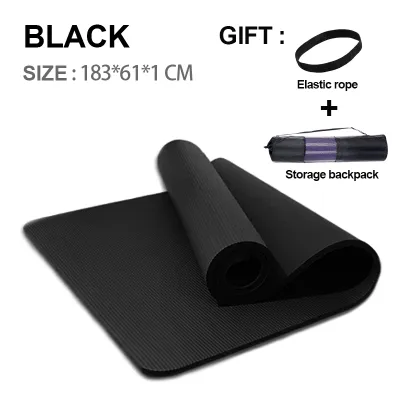
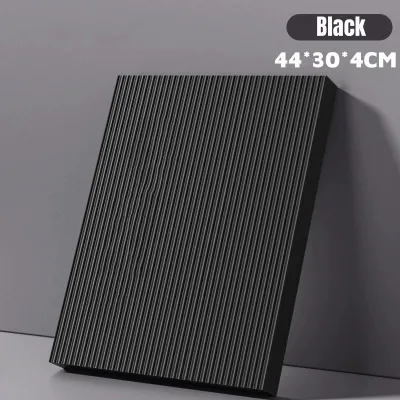
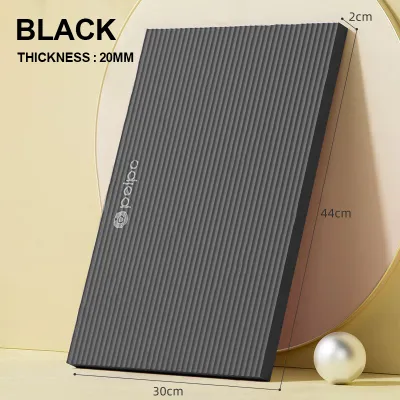
Prices are valid at publication and may change. Please refer to the product page for the latest price.
For dynamic, high-impact workouts that involve jumping or rapid directional changes, stability is paramount. A thick but low-density pad can bottom out completely under sudden force, offering no real shock absorption while simultaneously compromising your footing.
To make an informed choice, always review the manufacturer’s specifications regarding the intended use of the pad. Look for labels that specify whether the pad is designed for static stretching, high-impact gymnastics, or balance-focused yoga, rather than relying solely on the physical thickness measurement.
Evaluate Your Joint Sensitivity and Comfort Requirements
Your physical comfort and joint health are primary indicators of the pad thickness you need. During floor exercises, specific pressure points like the knees, wrists, elbows, tailbone, and spine bear the majority of your body weight. If you feel sharp discomfort or bone-on-floor contact during these movements, your current setup is likely too thin.

Inadequate cushioning often manifests as lingering joint soreness, numbness in the hands during planks, or bruising along the spine after rolling exercises. Ignoring these signs can lead to poor form, as your body naturally shifts its weight to avoid discomfort, potentially straining other muscle groups.
If you require extra cushioning for your knees but still need a firm, thin surface for standing balance, a single thick foam pad might not be the best solution. In such cases, using a standard thin mat paired with a localized, supportive accessory can offer the best of both worlds.
Consider using dedicated, small knee pads or a folding mat that can be doubled up specifically under your joints during kneeling sequences. This approach allows you to maintain a stable, low-profile surface for the rest of your workout while protecting sensitive areas when needed.
Factor in Your Training Surface and Portability Constraints
The floor beneath your pad plays a significant role in how much cushioning you actually experience. Hardwood, bare concrete, and tiled floors offer zero natural shock absorption, meaning your pad must do all the heavy lifting. On the other hand, carpeted floors already provide a layer of padding, allowing you to use a thinner, firmer mat without sacrificing comfort.
In tropical climates, high humidity and sweat can affect how a foam pad interacts with the floor. A thick pad used on a smooth tile floor can slide easily if it lacks a textured, high-grip bottom surface, creating a slipping hazard during active movements.
Portability is another crucial factor if you frequently travel to a local gym, community center, or outdoor park. Thick foam pads are inherently bulkier, heavier, and have a much larger rolling diameter than standard mats. Carrying a thick, non-folding pad on public transit or during a daily commute can be highly inconvenient.
Storage at home also requires careful consideration. Thick foam pads, especially those made of low-density materials, can develop permanent creases or lose their shape if they are rolled too tightly or stored under heavy objects. Ensure you have a cool, dry space where the pad can be stored loosely rolled or hung flat to prevent premature material degradation.
How to Verify the Right Fit Before and After Purchase
Once you have a pad, or if you are testing one in a local sporting goods store, perform a few diagnostic movements to verify its performance. Begin with a standard plank to check if your wrists sink too deeply, which can cause hyperextension and joint strain.
Next, transition into a kneeling lunge to see if the foam bottoms out under your knee. If you can feel the hard floor beneath the pad when your full weight is concentrated on one joint, the foam density is likely too low for your needs, regardless of how thick the pad appears.
Test your balance by standing on one foot on the pad. If you feel your ankle rolling or wobbling excessively compared to standing on the bare floor, the pad is either too thick or too soft for safe standing exercises.
Before finalizing your purchase, especially when shopping on an online marketplace, carefully review the seller’s return or exchange policy. Some retailers do not accept returns on fitness accessories once the protective plastic wrap has been removed, making it essential to verify these terms beforehand.
Finally, inspect the foam’s recovery rate by pressing your thumb firmly into the surface. A high-quality, dense foam pad should slowly return to its original shape almost immediately, whereas a low-quality pad may leave a permanent indentation or compress flat with very little resistance.
Frequently Asked Questions (FAQ)
Can I use a thick foam pad for high-intensity interval training (HIIT)?
Using a very thick, soft foam pad for high-intensity interval training is generally not recommended due to safety risks. Rapid, dynamic movements like burpees, lateral bounds, and jump squats require a stable, non-slip foundation. A highly compressible surface can cause your ankles to roll, leading to sprains or loss of balance. If you need joint protection during high-impact routines, look for a firm, high-density utility mat or interlocking foam tiles that offer shock absorption without excessive sinkage.
Does a thicker foam pad automatically mean better durability?
No, physical thickness does not guarantee a longer lifespan for a foam pad. Durability is primarily determined by the material composition and density of the foam, such as closed-cell elastomer or high-density polyurethane. A thick but low-density pad can tear easily, compress permanently over time, and degrade quickly under regular use. To ensure longevity, check the manufacturer’s care instructions, avoid wearing abrasive athletic shoes on soft foam, and store the pad away from direct sunlight and extreme heat.
Community discussion
Share your experience or ask a question. Comments are reviewed before publication.