
Selecting the ideal kids yoga mat requires balancing your child’s height, coordination level, and the environment where they practice. For most children, a mat that is 5 to 10 inches longer than their height and has a thickness of 1/8 inch (3mm) to 1/4 inch (6mm) provides the perfect blend of stability and joint protection. In warm, tropical climates like the Philippines, where indoor tile floors can get slick and humidity affects grip, choosing a mat with the right dimensions and traction is essential to keep young yogas safe and engaged.
By focusing on specific physical measurements and material properties rather than bright cartoon designs, you can find a durable, supportive mat that helps your child develop balance, focus, and spatial awareness. This guide breaks down how to evaluate sizes, thickness, and materials to make a practical, long-lasting choice.
Decoding Yoga Mat Sizes for Growing Children
To find the correct mat size, start by measuring your child’s current height. A yoga mat must be long enough to support their entire body during floor exercises and resting poses, such as Savasana (corpse pose). A reliable rule of thumb is to select a mat that is at least 15 to 25 centimeters (6 to 10 inches) longer than your child’s height. This extra length ensures that their head and feet remain fully on the cushioned surface rather than resting on a cold, hard floor.
Products mentioned in this guide
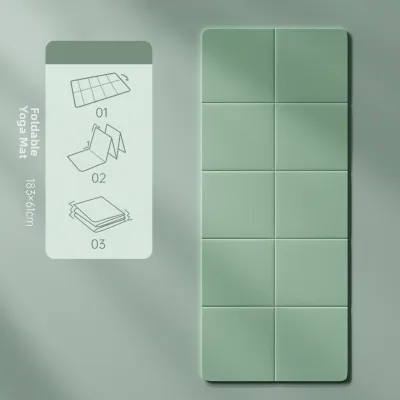
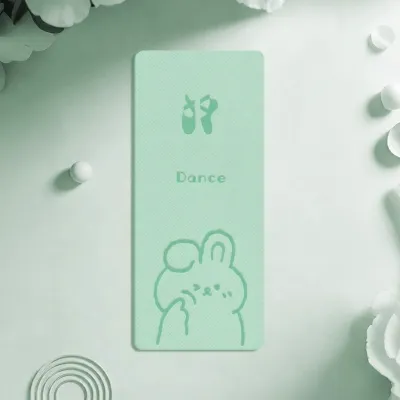

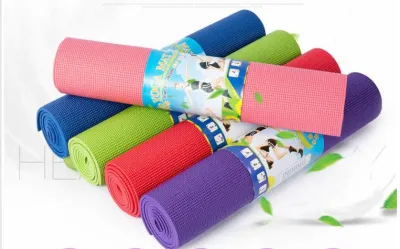
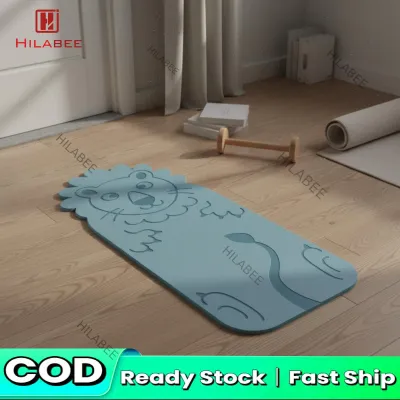
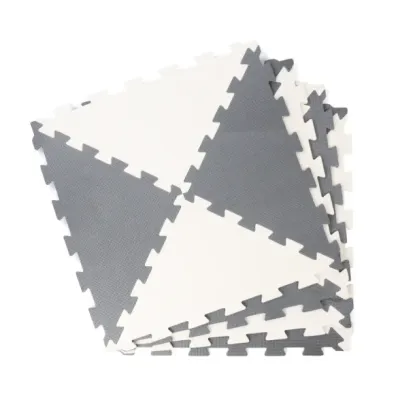
Prices are valid at publication and may change. Please refer to the product page for the latest price.
Standard adult yoga mats are typically 68 to 72 inches long, which is far too large for toddlers and primary school children. For toddlers and preschoolers under five years old, a mat around 44 to 48 inches long is highly manageable. For older children between the ages of six and eleven, a mat length of 54 to 60 inches offers a much better fit. Matching the mat to their proportions helps children maintain spatial awareness, allowing them to understand where their body is positioned relative to the edges of their personal practice space.
Width is another key dimension to consider. Most standard kids’ mats are 24 inches wide, which matches the width of adult mats and provides plenty of lateral space for playful rolls and wide stances. Some toddler-specific models are slightly narrower, around 18 to 20 inches, to accommodate shorter limbs and smaller rooms.
While it is tempting to buy an adult-sized mat to avoid upgrading as your child grows, an oversized mat can easily become a tripping hazard. Excess material that bunches up or rolls back on itself can cause slips during active transitions. A properly sized mat is also much lighter, allowing your child to take ownership of their practice by rolling, carrying, and storing their own gear independently.
Understanding Thickness: Balancing Cushioning and Stability
Yoga mat thickness directly impacts how comfortable a child feels on the floor and how easily they can maintain their balance. The standard thickness for children’s mats ranges from 3mm (about 1/8 inch) to 6mm (about 1/4 inch). Each thickness serves a distinct purpose depending on your child’s developmental stage and the surface they are practicing on.

Thicker mats (6mm) provide excellent cushioning for sensitive joints, knees, wrists, and spines. This extra padding is highly beneficial if your child practices on hard surfaces like ceramic tile, polished concrete, or hardwood floors, which are common in tropical homes. However, the trade-off for this comfort is a slight loss of stability. Soft, thick foam compresses easily under weight, which can make standing balance poses, like tree pose, more challenging for young children who are still developing their core strength and ankle stability.
Thinner mats (3mm) offer a firmer, more stable connection to the ground. This stability helps children find their footing and maintain balance during active, standing sequences. Thinner mats are also exceptionally lightweight and roll up into a compact size, making them the preferred choice for children who carry their mats to school, daycare, or outdoor parks.
When evaluating thickness, do not rely on millimeter measurements alone; check the manufacturer’s specifications for foam density. A high-density mat made from thermoplastic elastomer (TPE) or natural rubber will provide firm, protective support even at a thinner 3mm profile. Conversely, a low-density foam mat may bottom out completely under pressure, offering very little actual protection despite appearing thick.
Consider the primary practice surface at home before deciding. If your child usually plays on a carpeted floor or a thick foam play mat, a thinner 3mm yoga mat is ideal because the floor already provides baseline cushioning. If your home has hard tile or stone floors, a denser 5mm or 6mm mat will prevent discomfort during floor-based stretches and seated poses.
Material and Texture Specs That Actually Matter for Kids
Children’s yoga mats must withstand active play, stretching, and occasional spills. Because children have sensitive skin and often put their hands and faces directly on the mat, the material composition and surface texture are critical safety factors.
Surface texture determines how much grip the mat provides. In warm, humid environments, hands and feet can quickly become sweaty, leading to dangerous slips during transitional poses. Look for mats featuring textured surfaces, such as a textured waffle pattern, raised geometric designs, or a brushed microfiber top. These physical textures provide mechanical grip, helping your child stay securely in place without needing chemical anti-slip coatings.
Durability and ease of cleaning are equally important. Children’s mats are frequently subjected to rough handling, outdoor dirt, and messy play. Look for closed-cell materials like TPE or high-quality, non-toxic PVC. Closed-cell structures do not absorb moisture, sweat, or spills, which prevents bacteria and odor from building up inside the mat. These materials can be easily wiped clean with a damp cloth after use.
When shopping, you will encounter various premium marketing claims and complex eco-certifications. For casual children’s use, you can safely deprioritize expensive, professional-grade certifications designed for high-intensity hot yoga. Instead, focus on verifying basic safety labels. Ensure the product description explicitly states that the mat is non-toxic, phthalate-free, and heavy metal-free. This simple check guarantees a safe breathing zone for your child during close-to-the-mat poses without requiring you to pay a premium.
A Practical Checklist for Sizing and Thickness Decisions
Before purchasing a kids yoga mat, use this step-by-step checklist to ensure you select the right specifications for your child’s needs:
- Measure Height: Measure your child's height and add 15 to 25 centimeters to determine the minimum target length for the mat.
- Assess the Floor: Choose a 3mm mat for carpeted areas or outdoor grass, and a 5mm to 6mm high-density mat for hard tile or wooden floors.
- Verify the Weight: Ensure the mat weighs under 1.2 kilograms (2.6 pounds) so your child can carry it comfortably without straining.
- Check the Material: Look for "phthalate-free," "non-toxic," and "closed-cell" on the product label to ensure safety and easy cleaning.
- Inspect the Grip: Opt for a visibly textured surface to prevent slipping in humid weather.
Be skeptical of mats marketed as “one-size-fits-all” or those that do not list exact dimensions and material compositions. Avoid ultra-cheap, lightweight foam mats that stretch or tear easily under active play. These low-quality mats can bunch up during movement, creating a serious tripping hazard for active children. While professional adult mats can cost ₱2,000 or more, a well-made, dedicated kids yoga mat is a highly affordable investment in your child’s physical development and safety.
Frequently Asked Questions (FAQ)
Can my child just use a standard adult yoga mat?
While a child can technically use an adult mat, it is generally not recommended for regular practice. Adult mats are significantly heavier and bulkier, making them difficult for a child to roll up, carry, and store independently. Additionally, the excessive length of an adult mat can distort a child’s spatial awareness, making it harder for them to learn proper alignment and stay centered during poses. A properly proportioned kids yoga mat helps define a manageable personal space that encourages focus and correct posture.
How do I clean a kids yoga mat after messy play?
Always check the manufacturer’s specific care label first, as cleaning instructions vary by material. For most standard closed-cell mats, a simple wipe-down with a damp cloth and a mild, diluted dish soap solution is the safest cleaning method. Avoid harsh chemical sprays, bleach, or essential oils, which can degrade the mat’s material and leave a slippery residue. After cleaning, always allow the mat to air dry completely in a shaded, well-ventilated area before rolling it up. Storing a damp mat in a humid climate can lead to mold and mildew growth.
Community discussion
Share your experience or ask a question. Comments are reviewed before publication.