
Selecting the right Tiksay barrel bag size for your camping trip depends on your gear volume, trip duration, and transport method. A barrel bag offers a distinct cylindrical shape that maximizes packing efficiency, but choosing too small a capacity can leave essential gear behind, while an oversized bag can become cumbersome to carry. By assessing your equipment footprint and matching it to your specific itinerary, you can find the ideal balance of storage and portability.
Assess Your Gear Volume and Trip Requirements
Before purchasing, lay out all the gear you plan to bring to visualize its total physical footprint. Bulky items like a double-walled tent, a sleeping bag, and cooking stoves take up a fixed amount of physical space that cannot be easily compressed. In the tropical climate of the Philippines, you must also account for sudden downpours and high humidity, which require packing extra rain gear, dry sacks, and moisture-sensitive electronics.
Minimalist backpackers who hike to remote campsites need to prioritize compact, lightweight setups that fit into smaller, highly portable bags. Conversely, car-camping or basecamp setups allow for larger, heavier gear configurations where bag weight is less of a concern than total storage capacity. If you are heading to cooler highland areas like Baguio or Sagada, you will need extra space for thicker clothing layers and insulated sleeping gear.
Products mentioned in this guide
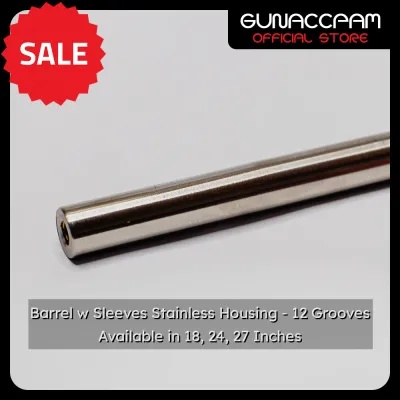
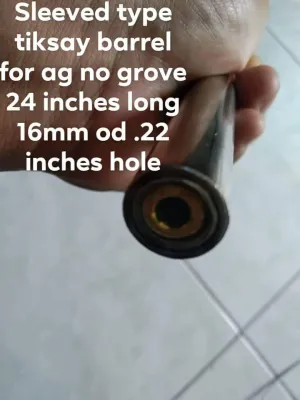
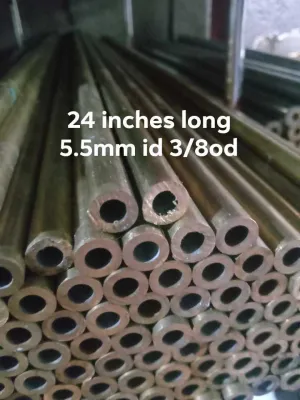
Prices are valid at publication and may change. Please refer to the product page for the latest price.
Always measure the physical dimensions of your largest items to ensure they can slide through the opening of a cylindrical barrel bag without tearing the fabric or straining the zipper. If your tent poles are exceptionally long, they may not fit horizontally inside a smaller barrel bag, forcing you to carry them externally or upgrade to a larger bag size.
Understand Tiksay Barrel Bag Capacities and Dimensions
Capacity ratings, typically measured in liters, represent the total internal volume of the bag, but rigid or semi-rigid items do not pack down like soft clothing. A 50-liter barrel bag cannot hold 50 liters of solid, awkwardly shaped gear because of the empty spaces left between items. Understanding this distinction prevents the common mistake of buying a bag that is theoretically large enough but practically too small for your specific gear list.

The cylindrical shape of a barrel bag requires a specific packing strategy, where heavy, durable items go at the bottom and soft items fill the gaps along the curved sides. This packing style differs significantly from traditional rectangular duffels, which have corners that can accommodate boxy gear more easily. Utilizing packing cubes or compression sacks can help you organize the interior and make the most of the cylindrical space.
Always check the manufacturer’s external dimensions—specifically the length and diameter—against your vehicle’s trunk space or the storage area of your motorcycle rack. A bag that is too long may overhang your vehicle’s sides or prevent your trunk from closing securely, creating a safety hazard during transit. Knowing these measurements beforehand ensures a seamless fit from your home closet to the campsite.
Match Bag Size to Trip Duration and Group Size
For a solo weekend trip lasting one to two nights, a compact barrel bag is usually sufficient to hold your personal shelter, sleeping system, and minimal rations. If you extend your trip to a multi-day expedition or camp with a group, your storage needs will scale up significantly to accommodate extra food, fuel, and clothing.
When camping with family or friends, you must decide between using one large shared barrel bag or having each person carry a smaller individual bag. A single large bag simplifies packing into a vehicle trunk but can become incredibly heavy and difficult for one person to lift or carry over rough terrain. It also concentrates all your gear in one place, which can be inconvenient if you need quick access to personal items throughout the day.
Distributing the load among multiple smaller bags allows each camper to manage their own gear and improves weight distribution during hikes. Additionally, if you plan to store heavy equipment, water containers, and food supplies in separate coolers or specialized containers, you can opt for a smaller barrel bag dedicated solely to your dry gear and apparel. This modular approach keeps your gear organized and protects sensitive items from potential leaks.
Evaluate Carrying Configurations and Transport Limits
A large capacity is only useful if you can safely transport the loaded bag to your campsite. Examine the bag’s carrying configurations, including the placement of grab handles, side haul loops, and backpack-style shoulder straps. If you must walk a long distance from the parking area to your campsite, ergonomic shoulder straps are essential to distribute the weight evenly across your back and shoulders.
Fully loaded barrel bags can easily exceed safe lifting limits, potentially causing muscle strain or injury if carried over long distances without proper support. If you plan to mount the bag on a vehicle roof rack or a motorcycle tail rack, verify that the total weight does not exceed the rack’s certified load capacity. Secure tie-down points on the bag are crucial for preventing shifting during transit on winding mountain roads.
Campsites in tropical environments often feature wet, muddy, or uneven ground that can wear down the bottom of your gear. Look for bags with reinforced base materials and reliable water-resistant coatings to protect your belongings from ground moisture, but remember that physical checks of the seams and zippers are essential to verify weather resistance before setting out. Never assume a bag is fully waterproof unless the manufacturer explicitly states its submersion rating.
Pre-Purchase Verification Checklist
To avoid the hassle of returns, perform a few quick checks before finalizing your purchase on any online marketplace. Measure your home storage closets and vehicle cargo areas to ensure the bag will fit comfortably when fully packed.
Consult the manufacturer’s official size chart to compare the physical dimensions and recommended weight limits of each model. Finally, review the return and exchange policies of the ecommerce platform to ensure you can swap the bag if the physical size does not meet your expectations upon arrival. Taking these steps helps ensure that your new gear will be ready for your next outdoor adventure.
Frequently Asked Questions (FAQ)
Can I use a Tiksay barrel bag for water activities like kayaking?
While many barrel bags offer excellent splash protection against rain and road spray, they are rarely designed for complete submersion. Check the manufacturer’s specifications to see if the bag features fully welded seams and a roll-top closure, which are necessary for wet environments like kayaking. If the bag relies on standard zippers, keep it out of standing water and use internal dry bags to protect sensitive electronics.
How do I clean and maintain a large barrel bag after a trip?
To prolong the lifespan of your bag and prevent mold growth in humid climates, empty it completely and wipe down the interior and exterior with a damp cloth after every trip. Allow the bag to air-dry fully in a shaded, well-ventilated area before folding or storing it. Avoid using harsh chemical detergents or machine washing, as these can strip away the protective water-resistant coatings on the fabric.
Community discussion
Share your experience or ask a question. Comments are reviewed before publication.