
Finding the right treadmill for a compact condominium in the Philippines requires balancing physical dimensions with structural and environmental realities. High-density living in metropolitan areas means floor space is at a premium, and noise can easily travel through shared walls and floors. To make a successful purchase, you must look beyond the machine’s aesthetic appeal and focus on its operational footprint, folding mechanism, and motor specifications. Selecting a model that matches your fitness goals while respecting the physical limits of your living space ensures a safe, consistent, and neighbor-friendly workout routine.
Assessing Your Condo Space and Clearances
Before browsing online marketplaces or visiting showrooms, grab a tape measure to map out your dedicated workout zone. The physical footprint of the treadmill is only part of the equation; you must also account for safety clearances. Manufacturers typically recommend leaving at least two meters of clear space behind the deck and about half a meter on each side. This rear clearance serves as a critical safety zone in case of a fall, while the side clearances allow for proper motor ventilation and easy mounting.
Next, measure your ceiling height and compare it to your own height plus the treadmill’s deck height. When you run, your body naturally bounces upward, and if you plan to use an incline feature, the deck will rise even higher. Ensure there is ample headroom to prevent head injuries during high-intensity workouts.
Products mentioned in this guide
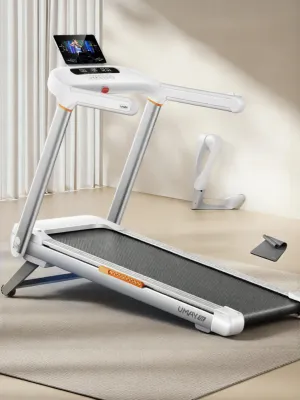
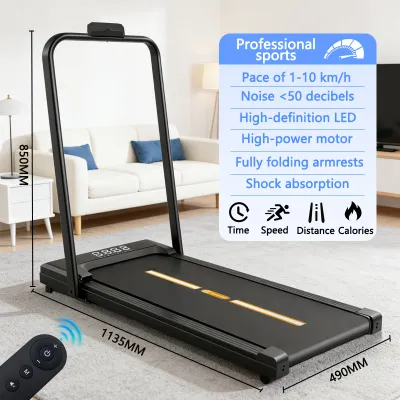
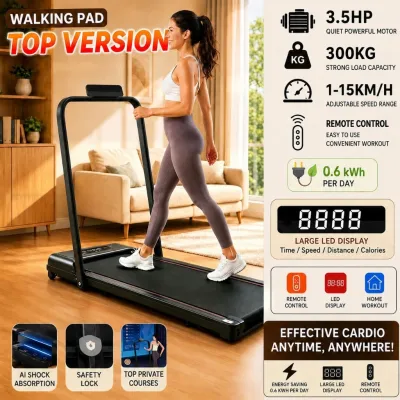
![[COD] Foldable Manual Home Treadmill with Adjustable Slope LED Display Anti-Slip Running Belt Free Twist Disc & Resistance Rope Space Saving Walking Machine for Home Fitness Exercise](https://img.lazcdn.com/g/p/1446617c7dcf63717d1a1640b68a647e.jpg_400x400q80.jpg_.webp)
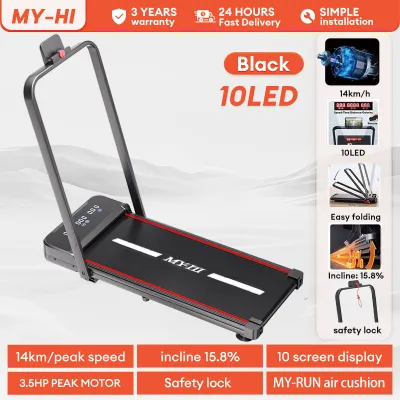
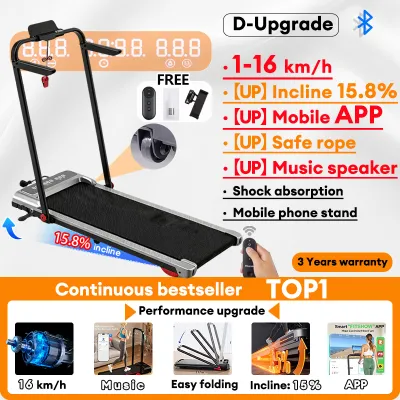
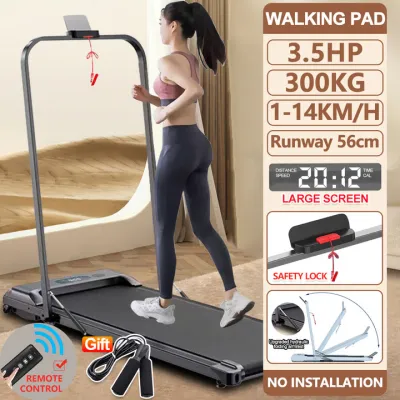
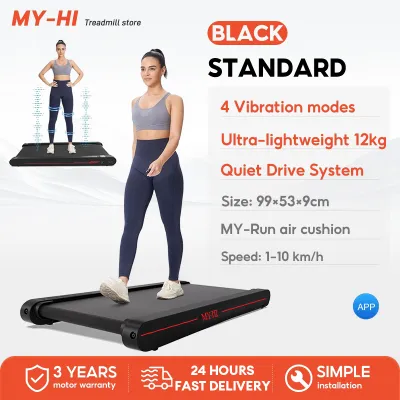
Prices are valid at publication and may change. Please refer to the product page for the latest price.
Do not overlook the delivery route. A treadmill is a heavy, bulky item that must travel from the delivery truck through your condo building’s service elevator, down narrow hallways, and through your front door. Measure the height and width of every doorway, elevator entrance, and tight corner along the path to avoid a situation where the boxed unit cannot reach your unit.
Finally, consider the structural limits of your building. Check your tenant handbook or consult the building administration regarding floor load limits and noise regulations. Heavy fitness equipment can cause structural vibrations that disturb neighbors below, making a high-quality equipment mat essential to dampen sound and protect your flooring.
Evaluating Treadmill Dimensions and Folding Designs
When evaluating compact treadmills, you must distinguish between the active running footprint and the stored footprint. The running footprint is the total floor area the machine occupies when unfolded and ready for use. The stored footprint is the space it takes up when folded, which determines where you can keep the machine when it is not in use.

Folding designs generally fall into two categories: vertical folding and horizontal folding. Vertical folding models lift the deck upward toward the console, reducing the floor footprint but requiring sufficient vertical clearance. Horizontal folding models, often called flat-folding treadmills, fold completely flat, allowing you to slide the unit under a bed or stand it upright against a wall. Choose the design that matches your storage options, keeping in mind that flat-folding models often have lower weight capacities and smaller motors.
Mobility is another crucial factor for condo owners who need to move their equipment regularly. Look for models equipped with multi-directional transport wheels, which make it easier to roll the machine from a storage closet to your workout area. Check the total weight of the unit; even with wheels, a very heavy treadmill can be difficult to maneuver on carpeted floors or over door thresholds.
Safety should never be compromised for space-saving convenience. Ensure any folding treadmill you choose features a robust, secure locking mechanism. This system must lock the deck firmly in place when folded to prevent accidental release, which poses a serious safety hazard to children, pets, or anyone nearby.
Prioritizing Essential Features for Compact Setups
Selecting the right treadmill features requires matching the machine’s specifications to your fitness level and intended activity. The motor is the heart of the treadmill, and its size often dictates the overall bulk of the machine. For light walking or jogging, a smaller motor is usually sufficient and keeps the machine compact. If you plan on intense running, you will need a more powerful motor, which naturally requires a larger, heavier frame to house it.
The running belt’s dimensions must accommodate your natural stride. Taller users or those with longer strides require a longer belt to run safely without stepping off the back. However, a wider and longer belt increases the machine’s overall footprint. Measure your comfortable stride length and verify that the belt width provides enough lateral margin so you do not accidentally step onto the side rails during a workout.
Console designs on compact treadmills vary widely. While large, built-in entertainment screens are appealing, they add significant bulk and depth to the console area, making the machine harder to fold and store. Prioritize streamlined consoles that offer essential tracking metrics—such as speed, time, distance, and heart rate—or models that feature a tablet holder so you can use your own device.
In a shared condo environment, noise reduction and shock absorption are vital features. Look for treadmills with high-quality deck cushioning systems that absorb the impact of your feet, protecting your joints while minimizing the thudding sound transmitted through the floor. Combining a well-cushioned deck with a specialized rubber equipment mat will help maintain a peaceful relationship with your neighbors.
Avoiding Common Space and Safety Mistakes
One of the most common mistakes condo owners make is placing the treadmill flush against a wall or in a tight corner to save space. This layout blocks the emergency exit zone behind the machine and restricts airflow around the motor housing, which can lead to overheating and premature motor failure. Always maintain the manufacturer’s recommended clearances.
Electrical safety is another critical consideration. Treadmills draw a significant amount of power, especially during startup and high-speed runs. Ensure the machine is plugged directly into a dedicated, properly grounded wall outlet. Avoid using extension cords or sharing the outlet with other high-draw appliances like air conditioners or refrigerators, as this can trip your circuit breakers or damage the treadmill’s electronics.
Do not purchase a treadmill based solely on its folded dimensions without verifying the space required to safely unfold it. Some hydraulic assist systems require a specific clearance radius to lower the deck smoothly. Always measure the full operational arc of the machine before making your final decision.
If you are unsure about floor load limits or structural guidelines, stop and consult your building administration or a structural professional. It is far better to verify these details beforehand than to face fines or safety hazards after the machine is delivered.
Frequently Asked Questions (FAQ)
Can I place a treadmill on a balcony or near an open window?
Placing a treadmill on a balcony or near an open window is highly discouraged in the Philippines due to the tropical climate. High humidity, salt air in coastal areas, dust, and sudden rain showers can quickly damage the sensitive electronic consoles and cause the metal frame and motor components to rust. Direct sunlight can also overheat the motor and degrade the plastic parts. Always check the manufacturer’s warranty, as operating or storing the machine in semi-outdoor or non-climate-controlled environments typically voids the coverage.
Are under-desk treadmills a viable alternative for small condos?
Under-desk treadmills, often called walking pads, are excellent space-saving alternatives if your primary goal is low-intensity movement. These units are highly compact, lightweight, and easy to slide under a sofa. However, they have significant limitations compared to standard folding treadmills. They feature smaller motors with lower weight capacities and are designed strictly for walking speeds. They lack handrails, incline options, and the robust shock absorption required for running, making them unsuitable for high-intensity cardio workouts.
Community discussion
Share your experience or ask a question. Comments are reviewed before publication.