
Fitting a treadmill exercise machine into a compact Philippine condominium requires balancing physical dimensions with operational safety. While many manufacturers market their machines as “space-saving,” the actual space required for safe operation is often double the machine’s static footprint. To successfully integrate fitness equipment into a small condo bedroom or living area, you must evaluate the machine’s fully deployed length, the necessary rear safety clearance, and the structural limits of your building.
Core Space Requirements for Condo Treadmills
When planning a home gym in a high-rise unit, the static footprint of a treadmill exercise machine is only the starting point. The static footprint refers to the physical floor space the machine occupies when it is turned off and sitting idle. However, the operational footprint is significantly larger because it includes the dynamic movement of the runner and the safety zones required around the machine.
Before purchasing, you must verify the manufacturer’s specifications for both the folded and fully deployed dimensions. Many compact models look deceptively small in promotional images, but once unfolded, they can easily block essential pathways. Look for the exact length, width, and height measurements in the product manual rather than relying on stylized marketing photos.
Products mentioned in this guide
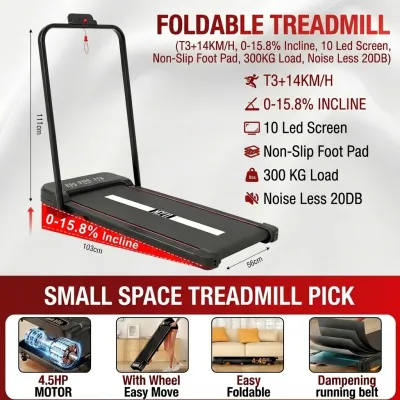
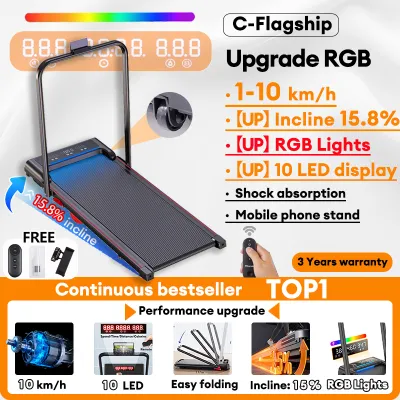
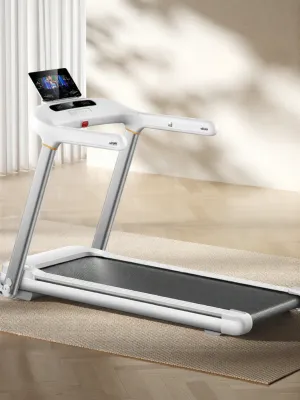
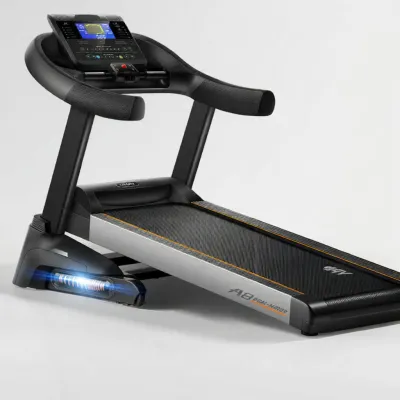
![[COD] Foldable Manual Home Treadmill with Adjustable Slope LED Display Anti-Slip Running Belt Free Twist Disc & Resistance Rope Space Saving Walking Machine for Home Fitness Exercise](https://img.lazcdn.com/g/p/1446617c7dcf63717d1a1640b68a647e.jpg_400x400q80.jpg_.webp)
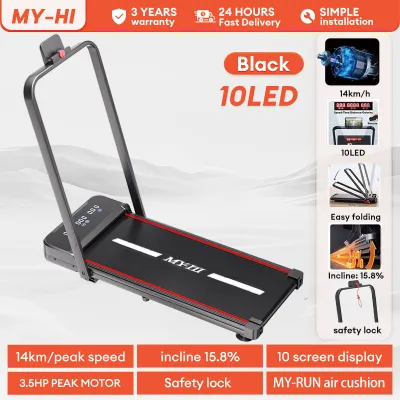
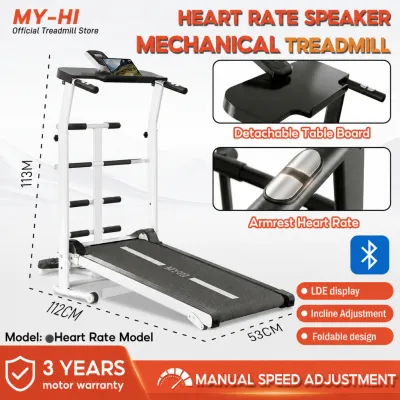
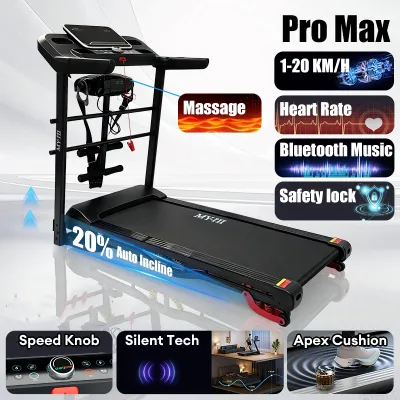
Prices are valid at publication and may change. Please refer to the product page for the latest price.
Marketing terms like “compact,” “ultra-thin,” or “condo-friendly” are subjective and lack standardization. A machine labeled as compact might still require a clearance zone that exceeds your available floor space. To avoid blocking daily movement, map out the machine’s maximum unfolded dimensions on your floor using masking tape before making a final decision.
How to Measure Your Condo Space Accurately
Accurate spatial measurement is the most critical step in selecting a treadmill exercise machine that fits your lifestyle. Begin by measuring the dedicated floor area where you plan to place the machine. Ensure you account for baseboard thickness, wall outlets, and the swing radius of nearby doors or wardrobe cabinets. A machine placed too close to an outlet may bend power cords at dangerous angles, while a nearby door could strike the frame when opened.

Operational clearance is a vital safety factor that cannot be compromised. You must maintain a clear safety zone of at least 1.5 to 2 meters behind the treadmill belt to prevent injury in the event of a fall. Additionally, calculate the vertical headroom required above the deck, especially if you choose a model with an incline feature. To verify headroom, add your height to the treadmill’s deck height at its maximum incline setting, and ensure this total is well below your condo’s ceiling height.
Finally, plan the delivery pathway from the building’s entrance to your unit. Measure the height and width of all doorways, narrow hallways, and the service elevator doors. Many condo residents purchase fitness equipment only to find that the boxed unit cannot clear the elevator entrance or turn the tight corners of a residential hallway. Verify these dimensions with your building administration if necessary.
Treadmill Types and Their Spatial Footprints
Different treadmill categories offer distinct spatial profiles, each suited to specific fitness goals and room layouts. Understanding these categories helps narrow down your options based on actual floor constraints.
Folding Treadmills These models offer a balance between a traditional running experience and space-saving design. They feature a hinge system that allows the running deck to fold upward toward the console when not in use. While they provide a longer deck suitable for running, they still occupy significant vertical and horizontal space even when folded. When evaluating these, verify the folded depth and check if the base wheels allow for easy multi-directional mobility.
Walking Pads and Under-Desk Models For ultra-compact spaces, walking pads and under-desk models offer a highly low-profile alternative. These machines are designed primarily for walking or light jogging and often lack traditional upright consoles or handrails. Their flat design allows them to slide under sofas or beds when not in use. However, they generally have lower speed limits, lack incline options, and may not be suitable for intense running workouts.
Compact Manual Treadmills Manual or curved treadmills operate without an electric motor, relying entirely on the user’s movement to rotate the belt. Because they lack a motor housing, their physical footprint is often shorter than motorized alternatives. This design provides excellent placement flexibility since you do not need to position the machine near an electrical outlet. However, the curved deck design can be taller and heavier, making manual models more challenging to move frequently in a multi-use area.
Evaluating Folding and Storage Mechanisms
The usability of a folding treadmill exercise machine depends heavily on its folding mechanism and how easily you can operate it daily. If a machine is too heavy or complicated to fold, it will likely remain unfolded, permanently blocking your living space.
Hydraulic Drop-Fold Systems Many modern folding treadmills utilize hydraulic shocks to assist with lifting and lowering the deck. These systems reduce the physical effort required to fold the machine and feature a hands-free, soft-drop mechanism that slowly lowers the deck to the floor. This is a crucial safety feature in small spaces, preventing the heavy deck from slamming down onto feet, pets, or delicate flooring.
Manual Lift Mechanisms Basic folding models rely on manual lift mechanisms, requiring you to physically lift and lock the deck into place. While these models are often more budget-friendly and have fewer mechanical parts to maintain, they require significant physical strength. If you have back concerns or limited lifting capacity, a manual lift model may prove impractical for daily storage.
Vertical Storage and Stability Some ultra-thin models are designed to stand completely upright at a 90-degree angle against a wall. If you choose this style, verify the structural requirements for vertical storage. Ensure the wall can support the weight if the machine relies on wall anchors, and always check the stability of the locking pins. In high-traffic condo units, a poorly secured vertical treadmill poses a serious tipping hazard.
Common Space-Matching Mistakes to Avoid
Avoiding common pitfalls during the planning phase will save you from property damage, neighbor disputes, or owning an unusable piece of equipment.
One frequent mistake is relying solely on promotional space-saving claims without verifying the exact unfolded dimensions and safety margins. A machine advertised as “perfect for small apartments” may still require more clearance than your specific room allows. Always prioritize physical measurements over marketing slogans.
Another critical factor is motor ventilation and heat dissipation. Electric motors generate heat during operation and require adequate airflow to prevent overheating. Placing a treadmill tight against a corner or surrounding it with storage boxes blocks the motor vents, which can lead to premature motor failure or electrical hazards. Ensure there is at least a few inches of open space around the motor cover.
Lastly, consider the structural realities of condo living, specifically floor load limits and vibration transfer. Running on a treadmill creates high-impact forces that travel through the floor, creating disruptive low-frequency noise for neighbors living directly below you. Failing to address vibration transfer can lead to complaints from neighbors and building management.
Frequently Asked Questions (FAQ)
Can I place a treadmill on a condo balcony in the Philippines?
Placing a treadmill exercise machine on a condo balcony in the Philippines is generally not recommended due to environmental risks. The high humidity, salt air in coastal areas, heavy tropical rains, and intense direct sunlight can rapidly degrade the machine’s electronic console, rust the steel frame, and dry out the running belt. Additionally, you must check your condo association’s house rules, as many developments prohibit large appliances on balconies due to aesthetic guidelines and structural weight limits.
Do I need a special mat for a treadmill in a small room?
Yes, using a dedicated equipment mat is highly recommended for condo setups. A dense rubber or PVC mat serves multiple purposes: it dampens vibrations to reduce noise transmission to the unit below, protects your condo’s flooring from scratches or indentation marks, and prevents dust and carpet fibers from entering the treadmill’s motor housing. When purchasing a mat, measure its dimensions carefully to ensure it fits within your allocated floor space without curling up against walls or furniture.
Community discussion
Share your experience or ask a question. Comments are reviewed before publication.