
Setting up a home gym in a compact Philippine condominium requires careful planning and realistic spatial awareness. With residential floor plates in major metropolitan areas often prioritizing efficiency over extra square footage, adding a large piece of fitness equipment can quickly make a living room or bedroom feel cramped. Choosing the right treadmill is not merely a matter of finding a machine that functions; it requires balancing your specific fitness goals against the physical constraints of your floor plan, the structural limits of your building, and the comfort of your immediate neighbors.
To find a machine that integrates seamlessly into your daily routine without blocking essential walkways, you must evaluate the treadmill’s active footprint, its storage requirements, and its operational mechanics. By understanding the distinct types of space-saving fitness equipment available and matching their technical specifications to your body size and workout intensity, you can establish a highly effective home workout setup that preserves both your living space and your peace of mind.
Assessing Your Condo Space and Walkway Clearance
Before browsing online marketplaces or visiting local fitness showrooms, you must obtain precise measurements of the area where you intend to use and store the treadmill. Do not rely on visual estimation, as fitness equipment often appears smaller in a spacious showroom than it does in a typical 25-to-50-square-meter condo unit. Use a metal measuring tape to map out the exact length and width of your designated workout zone, keeping in mind that the space required during a workout is significantly larger than the physical footprint of the machine itself.
Products mentioned in this guide
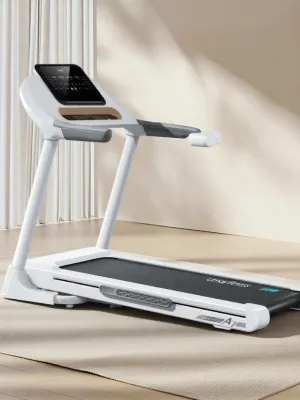
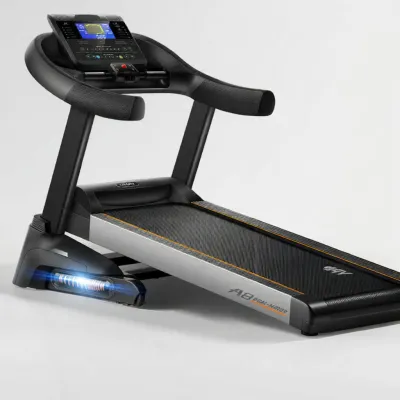
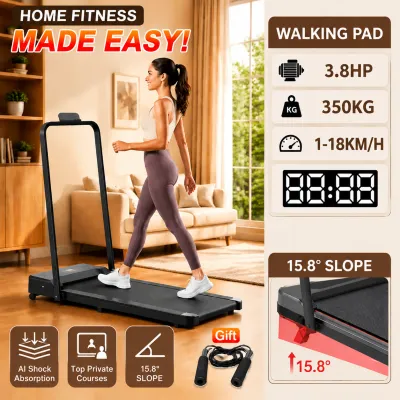
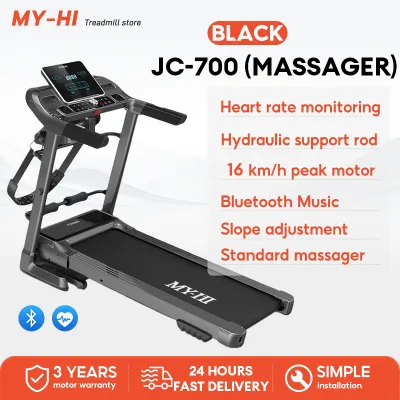
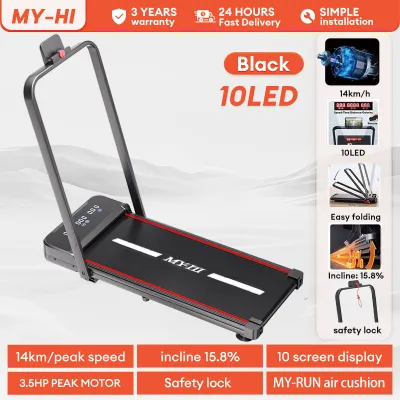
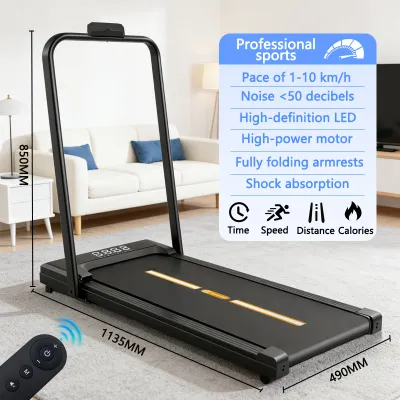
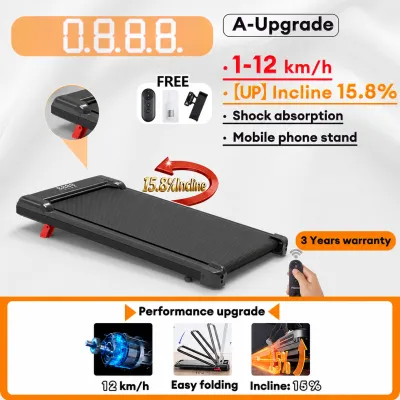
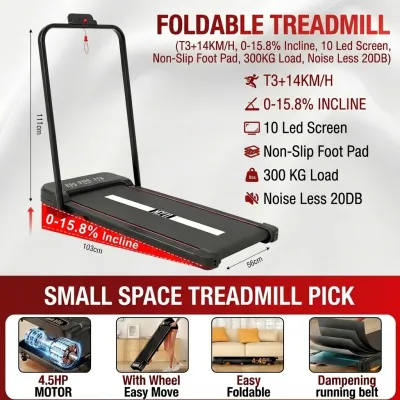
Prices are valid at publication and may change. Please refer to the product page for the latest price.
Safety clearance is a critical, non-negotiable factor when planning your layout. Standard safety guidelines recommend maintaining a clear, unobstructed zone of at least 1.2 to 1.5 meters directly behind the treadmill belt. This buffer zone ensures that if you lose your balance, slip, or fall while the belt is moving, you will be thrown onto a clear floor rather than colliding with a concrete wall, a glass sliding door, or sharp furniture edges. Additionally, leave at least 0.5 meters of open space on both sides of the treadmill to allow for natural arm movement and to facilitate safe mounting and dismounting.
Your workout setup must never compromise the flow of daily life within the unit. Ensure that when the treadmill is fully extended and in use, it does not block primary walkways, bedroom doors, bathroom entryways, or access to your balcony. If you must move other furniture to accommodate your workouts, consider whether this extra effort will become a barrier to keeping up with your fitness routine over time.
Vertical clearance is another frequently overlooked dimension, particularly in older condominium developments with lower ceiling heights. Standard residential ceilings in the Philippines typically range from 2.4 to 2.7 meters. If you plan to use a treadmill with an incline feature, you must calculate your total elevated height. Add your physical height to the treadmill deck’s step-up height (which is usually between 15 and 25 centimeters) and the maximum height reached at full incline. Ensure this combined figure leaves at least 15 to 20 centimeters of clearance below your ceiling to prevent head injuries during vigorous running sessions.
Treadmill Types That Work Best in Compact Spaces
Different treadmill designs cater to distinct spatial constraints and user profiles. Selecting the right category depends heavily on whether you require a machine for high-intensity running, cardiovascular conditioning, or simply adding more steps to your sedentary workdays.

Folding Treadmills
Folding treadmills represent the traditional approach to home fitness, modified to accommodate smaller living spaces. These machines feature a deck that pivots upward toward the console when not in use, effectively reclaiming valuable floor space. When shopping for a folding model, compare soft-drop hydraulic systems against basic manual lift systems. Hydraulic mechanisms assist in both lifting and lowering the deck, allowing the heavy running surface to descend slowly and safely to the floor without requiring significant physical strength or risking impact damage to your tiles or laminate flooring.
It is essential to verify both the unfolded and the folded dimensions on the manufacturer’s specification sheet. Some models fold almost completely flat, while others fold at an angle, resulting in a larger storage footprint than expected. Furthermore, check for high-quality, multi-directional transport wheels. These wheels allow you to roll the folded unit into a corner or a recessed wall niche with minimal effort, which is crucial if your workout area serves a double purpose as a living room or home office.
Walking Pads and Under-Desk Treadmills
For those who prioritize a minimal visual footprint, walking pads and under-desk treadmills offer an ultra-slim, low-profile alternative. These devices are designed primarily for low-to-moderate-speed walking, typically maxing out around 6 kilometers per hour. Because they lack tall upright consoles and handrails—or feature streamlined, fold-down bars—they generally measure less than 15 centimeters in height. This extremely slim profile allows you to slide the unit completely under a sofa, a bed frame, or into a narrow utility closet when your workout is finished.
While highly convenient, walking pads require clear trade-offs that you must evaluate against your fitness goals. They generally do not offer incline adjustments, and their shorter, narrower running decks are unsuitable for full-speed running. The lack of sturdy side handrails also means they are not recommended for individuals with balance concerns or those recovering from lower-limb injuries, where physical support is necessary for safe operation.
Compact Manual Treadmills
Compact manual treadmills operate entirely without electricity, relying solely on the friction and downward force of your stride to move the belt. These machines are divided into flat manual belts and curved manual treadmills. Flat manual models are exceptionally lightweight, inexpensive, and highly compact, making them easy to move around a small apartment. However, because they require significant physical effort to keep the belt moving, they can be challenging for beginners and may alter your natural walking gait.
Curved manual treadmills offer a much more natural running experience and are highly regarded for athletic conditioning, but they tend to be heavier, bulkier, and significantly more expensive. The primary benefit of any manual treadmill in a condo environment is its independence from power sources. Because you do not need to position the machine near an electrical outlet, you have complete freedom over its placement, allowing you to set it up in any quiet corner of your unit.
Key Dimensions and Specifications to Verify Before Buying
To ensure your chosen treadmill is safe, durable, and functional, you must look past marketing terms like “space-saving” and carefully analyze the technical specifications provided by the manufacturer.
- Belt Size vs. Overall Footprint: The physical dimensions of the treadmill frame do not tell the whole story. You must check the actual size of the running belt. For comfortable walking, a belt measuring at least 40 centimeters wide and 120 centimeters long is sufficient for most users. If you plan to run, you will need a wider and longer surface—ideally 45 to 50 centimeters wide and 130 to 140 centimeters long—to accommodate a longer stride without risk of stepping off the moving belt.
- Weight Capacity: Always verify the manufacturer's maximum user weight limit. For long-term durability and safety, select a treadmill with a weight capacity that exceeds your actual body weight by a safe margin of at least 15 to 20 kilograms. Operating a treadmill close to its maximum weight limit puts excessive strain on the motor and cause the frame to flex, which increases operational noise and accelerates wear on internal components.
- Motor Specifications: For motorized models, focus on Continuous Horsepower (CHP) rather than Peak Horsepower (HP). Peak HP represents the maximum power a motor can briefly reach under load, whereas CHP indicates the power the motor can sustain continuously throughout a long workout. For walking and light jogging, a motor with 1.5 to 2.0 CHP is generally adequate. If you plan to run regularly, look for a motor with 2.5 CHP or higher. A motor with a higher CHP rating will run cooler, quieter, and last longer in warm, tropical indoor environments.
- Power Requirements: Treadmills are high-draw electrical appliances. Ensure your condo has an accessible, properly grounded wall outlet near your intended workout space. Avoid using standard extension cords, multi-plug adaptors, or sharing an outlet with other high-power appliances like air conditioners or refrigerators. Doing so can trigger circuit breakers, cause voltage drops that damage the treadmill's control board, or create a serious electrical fire hazard.
Space-Saving Placement, Storage, and Noise Management
Operating a treadmill in a multi-story condominium building presents unique challenges regarding heat dissipation, dust accumulation, and noise transmission to neighboring units.
Proper placement is essential for protecting your investment. Avoid placing your treadmill in areas exposed to high humidity, such as directly outside a bathroom door, or in locations that receive direct sunlight through a window. High temperatures and UV rays can degrade the rubber running belt, warp plastic components, and damage sensitive electronic consoles. Additionally, ensure the machine is positioned away from air conditioning vents to prevent condensation from forming on internal electrical parts.
In typical concrete-slab condo construction, the impact of your feet striking the treadmill deck creates low-frequency vibrations that easily travel through the floor and disrupt neighbors living directly below you. To mitigate this noise transfer, place a high-density, shock-absorbing rubber equipment mat underneath the treadmill. A mat that is at least 6 to 10 millimeters thick will absorb impact energy, protect your floor tiles or wood planks from scratches, and catch any excess belt lubricant that may drip from the underside of the deck.
Ventilation is critical for preventing motor failure. Always maintain the manufacturer’s recommended clearance around the motor hood—usually at least 30 to 50 centimeters of open space. Operating a motorized treadmill in a tight, unventilated corner can trap hot air around the motor compartment, leading to thermal overload and automatic shut-offs during your workout.
When storing a folding treadmill, safety must be your top priority. Always engage the physical safety lock, pins, or retaining straps provided by the manufacturer to secure the deck in its upright position. Never rely solely on the hydraulic cylinder to hold the deck up, especially if you have children or pets in your household, as an accidental release can result in severe injury.
Common Mistakes When Buying a Treadmill for Small Spaces
Avoiding common purchasing pitfalls will save you from ending up with an expensive piece of equipment that is either unsafe to use or impossible to store.
One of the most frequent errors is checking only the unfolded footprint of the machine and assuming it will fit. Many buyers forget to account for the physical clearance needed to operate the folding mechanism, or they fail to measure the vertical height of the machine when folded, realizing too late that it cannot stand upright in their designated storage closet.
Another common oversight is ignoring the total weight of the treadmill. While a heavy, robust frame provides excellent stability during fast runs, a machine that weighs 70 to 90 kilograms can be incredibly difficult for a single person to move. If you need to roll your treadmill out of a corner for every workout and push it back afterward, an overly heavy machine will quickly become a major inconvenience.
Do not sacrifice belt size simply to save a few centimeters of floor space. Choosing a treadmill with an excessively narrow or short belt forces you to shorten your natural stride and constantly look down at your feet to avoid stepping off the edge. This compromises your running form, strains your joints, and significantly increases your risk of falling.
Finally, always measure your condo building’s entryways before placing an order. This includes the width of your unit’s front door, the clearance in your hallways, and the interior dimensions of the building’s passenger elevator. Treadmills are delivered in large, heavy, and rigid cardboard boxes. If the box cannot fit inside the elevator or clear a tight turn in your hallway, you may face expensive return shipping fees or be forced to unbox and carry a heavy, unprotected machine up several flights of stairs.
Frequently Asked Questions (FAQ)
Can I put a treadmill on a condo balcony?
It is highly discouraged to place a motorized treadmill on an open condo balcony. The high humidity, salt air (especially in coastal regions), rain, and direct sunlight typical of the Philippine climate will rapidly corrode metal parts, degrade the running belt, and short-circuit the electronic console, which immediately voids most manufacturer warranties. Additionally, you must consult your specific condominium corporation’s deed of restrictions; many buildings prohibit heavy equipment on balconies due to structural weight limits, aesthetic guidelines, and noise regulations that protect neighboring units.
Do walking pads need to be plugged in all the time?
No, walking pads do not need to remain plugged into an electrical outlet when they are not in use. Because these devices draw power only during operation, unplugging them after your workout is a safe practice that protects their sensitive control boards from electrical power surges, which are common in many areas. When storing your walking pad under a bed or sofa, ensure you wind the power cord neatly and store it safely alongside the machine to prevent it from becoming a tripping hazard or getting pinched and damaged by heavy furniture.
Community discussion
Share your experience or ask a question. Comments are reviewed before publication.