
Finding the perfect pair of roller blades—properly known as inline skates—depends entirely on where you currently stand in your skating journey and where you want to go. Matching your equipment to your actual skill level ensures you stay balanced, comfortable, and in control as you roll.
In the tropical climate of the Philippines, outdoor skating often takes place on concrete barangay courts, subdivision roads, or park pathways. Choosing the wrong type of skate for these environments can lead to discomfort, rapid wear, or even safety hazards. Evaluating your abilities honestly is the first step toward a safe and enjoyable experience.
Assess Your Current Skating Ability and Goals
Before browsing online marketplaces or visiting a local sporting goods store, you must honestly evaluate your current physical capabilities on wheels. Skating requires a combination of balance, core strength, ankle stability, and spatial awareness. If you are completely new to the sport or can barely stand upright without holding onto a railing, you are a beginner. At this stage, your primary goal is learning how to push off, glide, turn, and, most importantly, stop safely.
Products mentioned in this guide
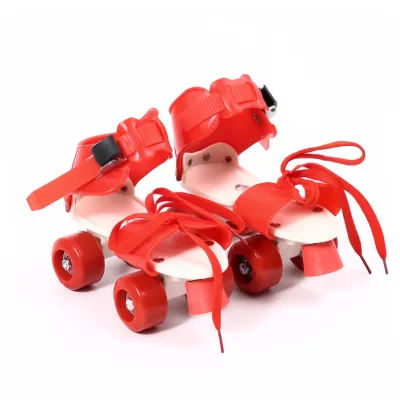
![IMUTO[Free protective gear]Roller Skate Shoes for Kids Adjustable Quad Skates Roller Blades Skate Shoes for Girls Boys](https://img.lazcdn.com/g/p/b32923ce443d92478176e84e3910fd79.jpg_400x400q80.jpg_.webp)
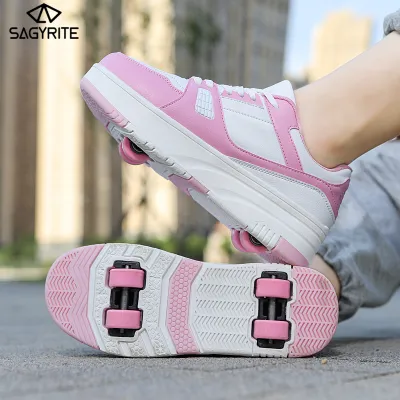
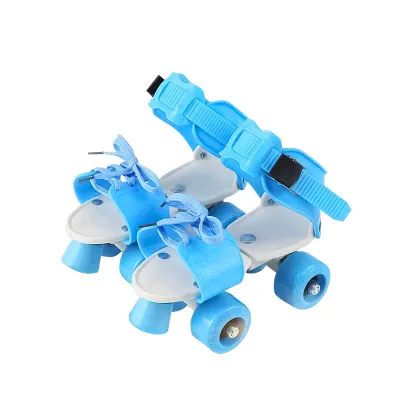
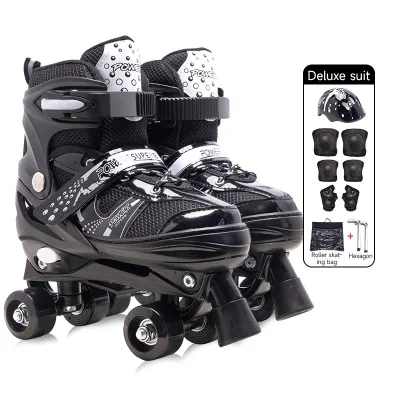
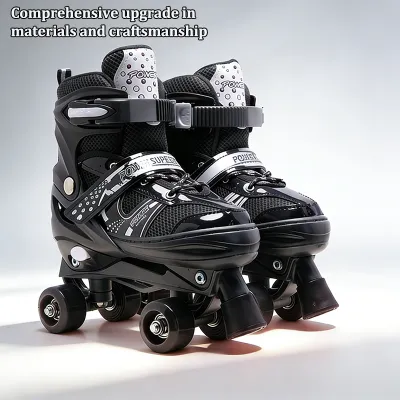
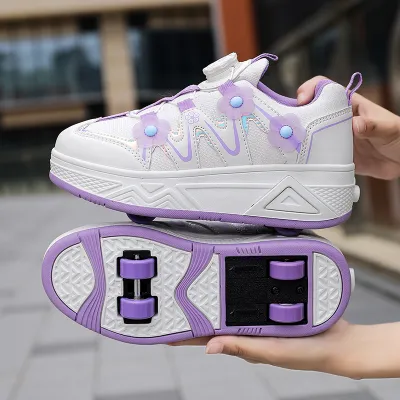
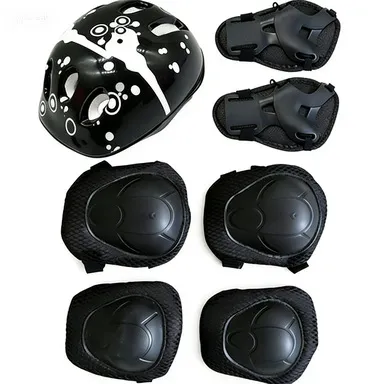
Prices are valid at publication and may change. Please refer to the product page for the latest price.
If you can confidently glide, navigate minor obstacles, turn in both directions, and perform basic stops without losing your balance, you have reached the intermediate level. Intermediate skaters often look to build endurance, increase their speed, or commute short distances. They are comfortable enough on wheels to handle slightly faster setups and less restrictive boots.
Advanced skaters have mastered complex maneuvers like backward skating, crossovers, rapid transitions, and jumps. They typically have specific goals, such as performing technical tricks at a skatepark, playing inline hockey, or training for long-distance fitness. Their advanced balance allows them to use highly specialized gear that lacks standard safety features like heel brakes.
Your skating environment also dictates your goals. Cruising around a flat park path requires different gear than navigating rough, uneven asphalt roads with pedestrian traffic. Upgrading your gear too early can hinder your progress, as highly specialized skates often lack the built-in stability and braking mechanisms that beginners rely on to stay safe.
Match Roller Blade Types to Your Skill Level
Inline skates are engineered for specific styles of skating, and understanding these categories is crucial for making the right choice.

Recreational skates are the standard choice for beginners and casual skaters. These skates typically feature a soft, comfortable boot that mimics a high-top sneaker, providing immediate comfort without a long break-in period. They are equipped with medium-sized wheels (usually between 72mm and 80mm) and a plastic or composite frame that absorbs vibrations from rough concrete. Crucially, recreational skates almost always come with a pre-installed heel brake on the right skate, which is the easiest and safest stopping mechanism for those still developing their balance.
Fitness skates are designed for intermediate skaters who want to travel longer distances at higher speeds. While they look similar to recreational skates, they feature stiffer boots for better energy transfer and lighter aluminum frames. The wheels on fitness skates are larger (typically 84mm to 90mm, or even larger in three-wheel configurations), which allows you to maintain speed with less effort. Because larger wheels raise your center of gravity, these skates require stronger ankles and better balance, making them less suitable for absolute beginners.
Aggressive skates are highly specialized tools built for advanced skaters who want to perform grinds, jumps, and tricks at skateparks or on street obstacles. These skates feature extremely durable, thick plastic hard boots designed to withstand heavy impacts. The wheels are very small (usually 55mm to 60mm) and have a flat profile to provide maximum stability when landing jumps. The frames feature a wide gap in the middle, known as an H-block, along with grind plates on the sides of the boot to facilitate sliding along rails and ledges. They do not have heel brakes, and their heavy design makes them highly inefficient for distance skating.
Hockey skates are built for agility, quick acceleration, and sudden stops on indoor rinks or smooth outdoor courts. They feature stiff, durable leather or composite boots that offer exceptional ankle support and protection from stray pucks or sticks. The frames are short and hold wheels of varying sizes (a setup known as a hi-lo configuration) to pitch the skater slightly forward for a more aggressive stance. Like aggressive skates, hockey skates do not have heel brakes, requiring the skater to master advanced stopping techniques like the hockey stop or T-stop.
Verify Fit, Support, and Safety Features Before Buying
Once you have identified the right category of roller blades, you must verify the specific fit and safety features of the model you are considering. Never rely solely on your standard shoe size when purchasing inline skates. Manufacturers use unique sizing charts, and a proper fit is essential to prevent painful blisters, foot fatigue, and loss of control. When trying on skates, your toes should lightly brush the end of the toe box when standing upright, and your heel must remain locked firmly in place at the back of the boot when you bend your knees into a skating stance.
Ankle support is another critical factor to verify. Press inward on the plastic cuff surrounding the ankle; it should feel rigid and offer resistance. If the cuff collapses easily under light pressure, it will not provide the lateral support needed to keep your ankles straight, which can lead to pronation (ankles rolling inward) and severe discomfort. Beginners should look for high, stiff cuffs that assist with balance, while advanced skaters might opt for lower cuffs that allow for greater ankle mobility.
Before finalizing your purchase, check the product specifications for the frame material and brake system. Aluminum frames offer better power transfer and durability, which is ideal for fitness and intermediate skating, while composite or plastic frames are excellent for absorbing road vibrations on rougher pavements. Ensure that the skate comes with a compatible heel brake if you are a beginner, and verify if replacement brake pads are readily available.
Finally, never hit the pavement without proper protective gear. Review the product manual or packaging for recommended safety equipment. A proper setup includes a certified helmet, wrist guards, knee pads, and elbow pads. In tropical conditions, look for protective gear with breathable mesh linings and adjustable straps to ensure comfort during hot, humid skating sessions.
Frequently Asked Questions (FAQ)
Can beginners use fitness or aggressive roller blades?
Beginners should generally avoid starting with fitness or aggressive roller blades due to the steep learning curve and increased risk of falls. Fitness skates feature larger wheels that raise your center of gravity, making balance much harder to maintain for someone who has not yet mastered basic posture.
Aggressive skates are heavy, slow, and lack heel brakes, making them highly impractical for learning how to glide and stop on public pathways. Starting with a dedicated recreational skate allows you to build foundational skills safely before transitioning to specialized gear.
What are the signs that I need to upgrade my current roller blades?
You will know it is time to upgrade your roller blades when your physical skills outgrow the capabilities of your current gear, or when the equipment shows clear signs of wear. If you find yourself struggling to keep up with friends because your wheels feel too slow, or if you feel a lack of support around your ankles when attempting tighter turns, your skills have likely surpassed your skates’ design.
Additionally, inspect your skates regularly for physical degradation. Heavily worn or flat-spotted wheels, loose or bent frames, and cracked plastic cuffs are clear indicators that your gear needs to be replaced for your safety.
Community discussion
Share your experience or ask a question. Comments are reviewed before publication.