
How Running Environments Change Your Belt Bag Requirements
Choosing the right running gear often comes down to finding a balance between weight and utility. A high-quality belt bag unisex design offers a versatile solution for carrying essentials, but not all belts perform equally across different training environments. The physical demands of a fast-paced road run, a rugged mountain trail, or a structured gym session require distinct features to keep your gear secure and accessible.
To find the ideal waist pack, you must evaluate three core performance pillars: bounce resistance, storage capacity, and accessibility. Bounce resistance determines how stable the bag remains against your body during high-impact, repetitive movements. Capacity defines the physical volume of gear, hydration, and nutrition the pack can hold without sagging. Accessibility dictates how easily you can retrieve items like energy gels, phones, or keys while maintaining your stride or resting between gym sets.
While the term “unisex” indicates a universally adaptable fit and a neutral, sleek aesthetic, the underlying technical features must still align with your specific athletic pursuit. A pack designed for a short, flat road run will feel vastly different from one built to handle hours of self-sustained trail running. Understanding how these environments alter your gear requirements is the first step toward a distraction-free workout.
Products mentioned in this guide

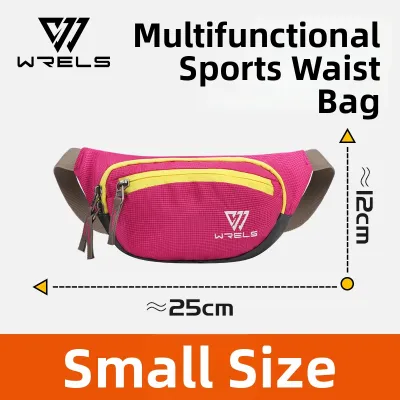
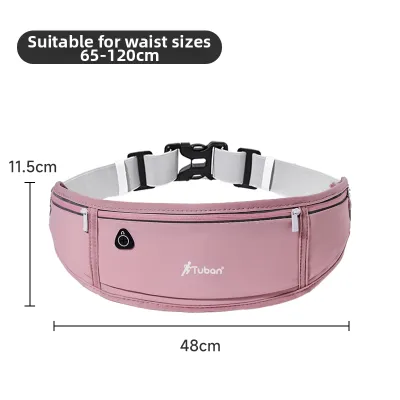
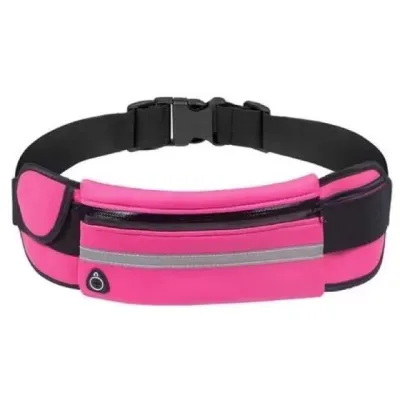

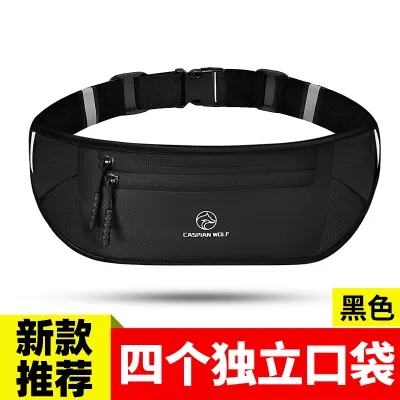

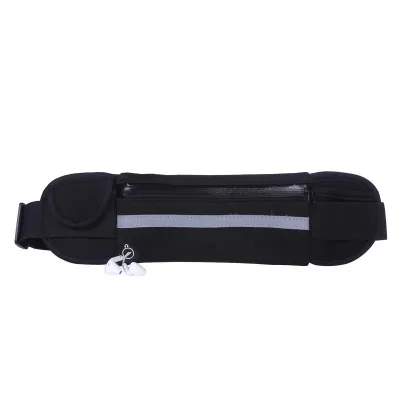
Prices are valid at publication and may change. Please refer to the product page for the latest price.
Road Running: Prioritizing Bounce Resistance and Essentials
Road running demands a minimalist approach where weight and movement are kept to an absolute minimum. When pounding the pavement for kilometers on end, the repetitive impact of your feet on hard asphalt amplifies any loose weight around your waist. For this reason, a road-focused belt bag unisex model must prioritize maximum bounce resistance and an ultra-lightweight profile to prevent chafing and distraction.

In warm, humid climates like the Philippines, managing moisture is another critical factor. Heavy sweat can quickly saturate standard fabrics, causing the belt to slip down your hips or rub against your skin. Look for belts constructed from advanced sweat-wicking synthetic blends or perforated neoprene that dry rapidly and maintain their grip even when wet.
Storage on the road should be highly targeted. You generally only need space for a modern smartphone, house or car keys, and perhaps an emergency card or a single energy gel. Bulky pockets are unnecessary and only encourage overpacking, which directly contributes to unwanted bouncing.
To achieve a secure fit, prioritize tubular or seamless stretch fabrics over traditional strap-and-buckle designs. These continuous bands distribute tension evenly around your entire midsection, acting like a second skin. Ensure the primary storage compartment features a water-resistant lining or an internal laminate layer to shield your expensive electronics from sweat and unexpected tropical downpours.
Before heading out on a long training run, perform a quick fit check. Put on your fully loaded belt and take a short, high-knee warm-up jog in place. If you feel the phone shifting or the fabric sliding up toward your chest, adjust the placement or consider sizing down to maintain a firm, compressive hold.
Trail Running: Maximizing Capacity and Weather Protection
Venturing off-road introduces unpredictable terrain, steep elevation changes, and extended periods away from support. Trail running requires you to be self-sufficient, which shifts the priority of your belt bag toward expanded capacity and rugged durability. You need a system that can carry hydration, nutrition, and safety gear without shifting as you navigate rocks, roots, and uneven paths.
A trail-ready belt must accommodate soft flasks for water, multiple energy bars or gels, and basic emergency items like a whistle or a small first-aid kit. Look for models equipped with dedicated elastic loops or exterior bungee cords. These attachments allow you to securely lash down a lightweight windbreaker or a packable rain jacket when the mountain weather shifts.
Durability is paramount when brushing past branches and scraping against rock faces. Opt for heavy-duty materials such as ripstop nylon or reinforced mesh that resist tearing and abrasion. Additionally, look for wide, adjustable dual-buckle systems that allow you to fine-tune the load stabilization on the go, preventing the heavier pack from swinging as you descend steep slopes.
While a robust waist pack is excellent for short to mid-distance trail runs, it is vital to recognize its physical limits. A belt bag cannot replace a dedicated hydration vest for long-distance ultra-marathons or remote mountain excursions where large volumes of water and mandatory safety gear are required. Always assess your route and weather conditions before relying solely on a waist pack.
Gym Workouts: Balancing Convenience and Everyday Style
Indoor training and gym workouts present a completely different set of movement patterns compared to running. Instead of continuous forward impact, gym sessions involve bending, lifting, stretching, and transitioning between machines. Here, the primary role of a unisex belt bag is keeping your personal items secure and close at hand without interfering with your exercise form.
Your storage needs in the gym center around convenience and organization. You need dedicated compartments to separate your wireless earbud case, locker keys, and smartphone to prevent scratches. Easy-glide zippers are highly beneficial, allowing you to grab your phone with one hand to check your workout log or change a playlist while resting between sets.
Since extreme bounce resistance is less critical for stationary exercises, you can opt for semi-structured or structured designs. These bags often feature breathable mesh back panels that facilitate airflow, preventing uncomfortable sweat buildup when resting against weight benches or mats. The materials do not need the intense compression of running belts, allowing for a wider variety of fabrics.
An added benefit of a gym-focused belt bag is its aesthetic versatility. Many designs feature clean lines and understated colors that easily transition from the weight room to post-workout errands, casual cafes, or daily commuting. This utility makes it a highly practical accessory for active individuals who value a seamless blend of sportswear and streetwear.
Cross-Scenario Compatibility: Can One Bag Do It All?
Many fitness enthusiasts participate in a mix of road running, trail exploring, and gym training, raising the question of whether a single unisex belt bag can handle all three. While a hybrid approach is highly convenient, it inevitably involves functional compromises. A bag designed to carry heavy trail gear will feel excessively bulky and prone to bounce during a fast road sprint, whereas an ultra-minimalist road belt will lack the volume required for outdoor self-sufficiency.
However, a highly functional middle ground does exist for the casual multi-sport athlete. If your typical routine consists of short trail runs under 10 kilometers, regular road jogs, and functional gym workouts, a versatile hybrid belt is an excellent investment. The key is finding a bag that balances moderate storage capacity with an adjustable, secure fastening system.
When choosing a single hybrid bag, prioritize adjustable elastic straps over fixed-size compression bands. Adjustable straps allow you to tighten the belt when carrying only a phone and keys for a road run, and loosen it slightly to accommodate a soft flask or extra snacks for a weekend trail hike. Look for mid-sized pockets made of high-stretch fabric that lay flat when empty but expand easily when loaded.
By prioritizing a highly adjustable fit and moderate capacity, you can successfully bridge the gap between different training modalities. While specialized athletes will always benefit from activity-specific gear, a well-chosen hybrid belt offers outstanding value and utility for a diverse fitness routine.
Fit and Sizing Tips for a Bounce-Free Experience
No matter how advanced your belt bag is, achieving a comfortable, bounce-free experience depends heavily on how you wear and adjust it. Proper placement is the foundation of stability. Positioning the belt higher up on your natural waist, near your belly button, is often best for high-impact running as it sits above the hips and limits vertical movement. Conversely, wearing it lower on the pelvis can feel more natural during low-impact gym workouts, though it may slide during fast strides.
When tightening the straps, use the two-finger rule to ensure a secure yet comfortable fit. You should be able to slide two fingers flat between the belt and your body. This level of tension provides enough compression to prevent bouncing without restricting your diaphragm’s expansion as your breathing deepens during intense exertion.
Your loading strategy also plays a vital role in maintaining balance. Distribute the weight of your items evenly across the belt rather than clustering everything into a single pocket. For example, place your heavy smartphone in the center back or center front pocket, and distribute lighter items like keys, cards, and nutrition gels to the sides to prevent the belt from tilting or pulling to one side.
Finally, protect your investment with regular maintenance checks. Over time, exposure to body oils, sweat, and UV rays will naturally degrade the elastic fibers in your belt. Check the elasticity periodically by pulling the fabric; if it fails to snap back quickly into its original shape, it may be time to replace the belt to restore optimal bounce resistance.
Frequently Asked Questions (FAQ)
Is a unisex belt bag better than a running armband for phone storage?
A unisex belt bag is generally superior to an armband because it centers the phone’s weight on your body’s natural center of gravity, eliminating the asymmetrical swinging motion that can alter your running gait. Additionally, belt bags accommodate larger modern smartphones easily and eliminate the risk of upper-arm chafing or slipping straps during long, sweaty workouts.
How do I clean a sweat-soaked running belt bag without ruining the elastic?
To preserve the elastic fibers and technical coatings of your belt bag, always refer to the manufacturer’s care label first. If instructions conflict or are unavailable, hand-wash the bag in cool water using a mild liquid detergent. Avoid fabric softeners, bleach, and tumble dryers, as high heat and harsh chemicals rapidly degrade elastane and spandex; instead, hang the bag to air-dry in a shaded, well-ventilated area.
Can I use a regular fashion belt bag for running?
Using a standard fashion belt bag for running is not recommended. Fashion bags typically lack the high-tension elastic straps, sweat-wicking materials, and body-hugging designs required to prevent heavy bouncing and painful skin chafing. They are best reserved for casual walking, travel, or light gym workouts where high-impact movement is minimal.
Community discussion
Share your experience or ask a question. Comments are reviewed before publication.