
Building a dedicated space for strength training at home requires smart planning, especially when selecting the right upper-body press (UP press) equipment. In the Philippines, where home workouts must often accommodate compact urban living spaces and high tropical humidity, your choice of gear will directly impact both your safety and your long-term fitness progress. Finding the right setup means balancing your personal training goals against physical constraints like floor space, ceiling height, and budget.
Whether you are aiming to build maximum strength through heavy barbell lifts or looking for a low-impact way to stay fit, the market offers several distinct paths. Free weights, dedicated machines, and cable systems each serve different training styles and safety needs. By evaluating your specific environment and lifting habits, you can invest in equipment that remains durable, functional, and safe for years to come.
Assess Your Home Gym Constraints and Training Goals
Before browsing online marketplaces or local fitness showrooms, you must measure your designated workout area. Take precise measurements of your floor space and, crucially, your ceiling height. Overhead pressing movements require significant vertical clearance, especially if you plan to perform standing barbell presses or use a tall power rack. Remember to account for any hanging ceiling fans or light fixtures, which are common in Philippine homes and can easily interfere with an upward barbell path.
Products mentioned in this guide
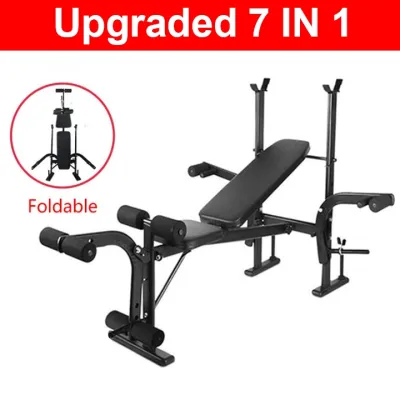
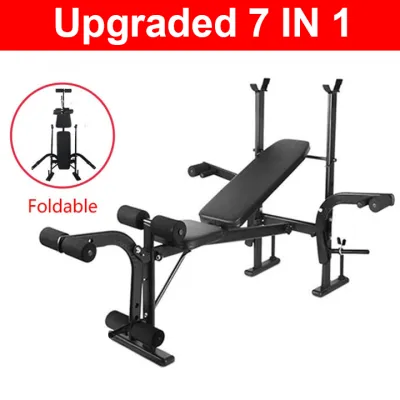
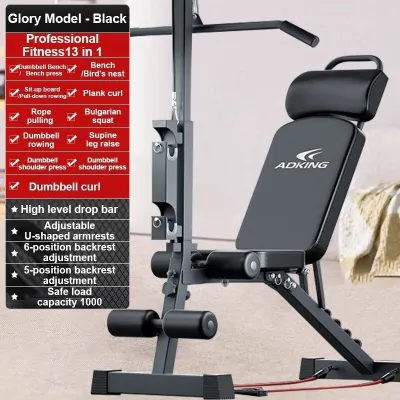
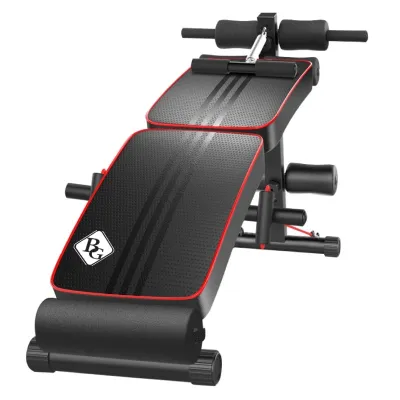
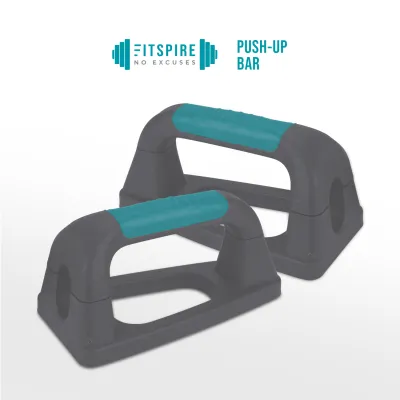
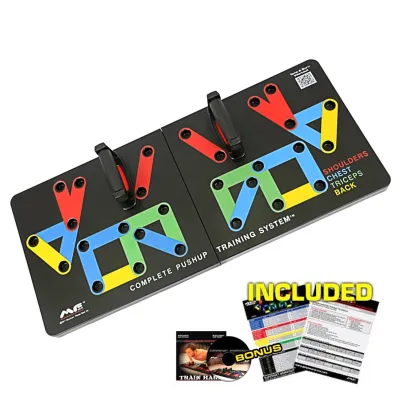
Prices are valid at publication and may change. Please refer to the product page for the latest price.
You must also account for the physical dimensions of the barbell itself. A standard Olympic barbell spans 2.2 meters in length, meaning you need at least three meters of total room width to load and unload weight plates safely without hitting walls or furniture. If you are setting up your gym on an upper floor or a balcony, consider the structural load capacity of your floor, as heavy iron plates and steel racks can exert concentrated pressure on concrete slabs or tiled surfaces.
The tropical climate in the Philippines introduces unique environmental challenges that you must consider when planning your gym. High humidity levels can accelerate the rusting of steel frames and the degradation of vinyl bench pads. If your workout space is in a garage, a covered patio, or a room without air conditioning, you will need to prioritize equipment with rust-resistant coatings and ensure the area has adequate ventilation to prevent heat exhaustion during intense training sessions.
Your primary training goals will dictate the type of UP press equipment that best suits your routine. Powerlifters and those focused on building raw strength generally require heavy-duty racks and barbells that support progressive overload with high weight capacities. If your focus is hypertrophy or general fitness, you might prioritize adjustable benches and dumbbells that allow for a wider variety of angles and targeted muscle isolation. Those recovering from injuries or seeking joint-friendly movements often benefit most from guided paths or cable resistance.
Establishing a realistic budget in Philippine Pesos (₱) is the final step in your initial planning phase. A basic setup consisting of a compact utility bench and adjustable dumbbells can start around ₱5,000 to ₱12,000, while a mid-range squat stand with a barbell and plates might cost between ₱15,000 and ₱30,000. A full-scale power rack with an Olympic barbell, high-quality plates, and an adjustable bench can easily range from ₱40,000 to over ₱100,000. When planning your budget, always set aside funds for essential accessories, such as high-density rubber floor mats to protect your tiles or concrete, and collar clips to secure your weights.
Free Weight Racks and Benches: Best for Versatility and Progressive Overload
For lifters who want the most versatile setup for progressive overload, free weights remain the gold standard. A power rack offers a fully enclosed cage that provides excellent safety, allowing you to perform heavy bench presses and overhead lifts without a human spotter. Squat stands, on the other hand, have a much smaller footprint and are easier to move around, making them popular for multi-use rooms or smaller garage gyms, though they offer less physical enclosure.

An adjustable bench is the cornerstone of any free-weight pressing routine, allowing you to transition smoothly between flat, incline, and decline positions. This adjustability lets you target different areas of the chest, shoulders, and triceps with precision. When choosing a bench, look for models with a wide, stable base and thick, sweat-resistant padding that can withstand the humid Philippine climate without cracking or slipping during heavy lifts.
Safety accessories are non-negotiable when training with free weights at home. Ensure your rack setup includes adjustable spotter arms or heavy-duty safety straps that can catch a dropped barbell before it reaches your chest. Integrated weight plate storage pegs on the frame of your rack are also highly beneficial, as they add significant ballast to the structure, preventing the rack from shifting or tipping during aggressive re-racking.
Furthermore, the quality of the barbell and plates you pair with your rack will influence your pressing experience. A high-quality barbell with a reliable sleeve spin reduces rotational stress on your wrists during heavy presses. If you live in a coastal or highly humid region of the Philippines, look for barbells with rust-resistant finishes, such as black phosphate, cerakote, or stainless steel, to prevent the knurling from degrading over time.
Additionally, consider the difference between a full power rack and a half rack. A half rack offers a compromise, featuring safety spotter arms and integrated plate storage like a full rack, but with a shallower footprint that saves valuable floor space. This makes it an excellent middle-ground option for lifters who want the safety of a rack but have limited room to spare in a spare bedroom or a shared living area.
Dedicated Press Machines and Cable Systems: Best for Isolation and Solo Safety
If you primarily train alone and want to push your muscles to failure without the risk of getting trapped under a heavy bar, dedicated machines are an excellent alternative. A Smith machine features a barbell secured within a vertical or slightly angled track, allowing you to perform chest and shoulder presses with built-in safety catches that lock with a simple turn of the wrist. This guided path eliminates the need to balance the bar, letting you focus entirely on muscle contraction.
Functional trainers and cable crossovers offer a highly versatile, joint-friendly alternative to traditional iron. Cable systems provide constant tension throughout the entire range of motion, unlike free weights, which lose resistance at the top of certain movements. By adjusting the pulley heights, you can perform pressing movements from virtually any angle, making cables highly effective for chest flyes, standing presses, and targeted rehabilitation exercises.
However, dedicated machines and cable systems come with distinct trade-offs that you must consider before purchasing. They generally require a much larger physical footprint and have a higher initial cost compared to basic rack and bench setups. Additionally, the guide rods, cables, and pulleys require regular maintenance, such as applying silicone lubricant to prevent rust and ensure smooth operation in humid environments.
Another consideration is the fixed movement path of most selectorized machines. While this path provides excellent safety and isolation, it does not engage your stabilizer muscles in the same way that free weights do. If your long-term goal is functional strength or athletic performance, relying solely on machines may leave gaps in your overall physical development, making a hybrid approach or a cable-based system a more balanced choice.
In coastal areas of the Philippines, where salt air can accelerate corrosion, the maintenance of cable systems becomes even more critical. You must regularly inspect the nylon coating on the steel cables for any signs of cracking or peeling, as exposed steel wires can quickly fray and snap under load. Choosing a system with high-quality, sealed bearing pulleys will also prevent dust and moisture from interfering with the smooth glide of the weight stack.
Decision Matrix: Matching Equipment Types to Your Specific Situation
To simplify your decision, you can match your physical and financial constraints directly to the most suitable equipment category. If you are working with a tight budget and limited space, such as a small bedroom or a condo balcony, the most practical choice is a pair of adjustable dumbbells paired with a foldable utility bench. This compact setup takes up minimal space, can be easily stored away when not in use, and still allows you to perform a wide variety of pressing angles.
For those with a dedicated garage, spare room, or outdoor covered patio, a full power rack paired with an Olympic-grade adjustable bench is a robust investment. This configuration provides the structural integrity needed for heavy barbell training and allows you to safely perform bench presses, overhead presses, and squats. It offers the highest ceiling for strength progression and can be upgraded over time with various attachments like dip bars or pull-up handles.
If your training priorities center on rehabilitation, joint longevity, or strict solo training to failure, a cable-based functional trainer or a Smith machine is the most appropriate choice. These systems minimize the stabilizer muscle demands and joint stress associated with free weights, making them ideal for beginners or lifters recovering from shoulder issues. They provide a controlled environment where you can safely challenge your limits without the anxiety of managing a free-falling barbell.
Additionally, consider your living arrangements when making this choice. If you rent your home or plan to relocate in the near future, heavy, bolted-down power racks or massive cable machines can be incredibly difficult to disassemble and transport. In contrast, modular squat stands and adjustable dumbbells offer excellent portability, allowing you to maintain a high-quality training routine without committing to a permanent, heavy installation.
A hybrid setup is another excellent option for lifters who want to balance versatility and space. By combining a compact squat stand with a set of adjustable dumbbells and an adjustable bench, you can perform heavy barbell presses when you feel fresh, and transition to dumbbell isolation work to finish your workout. This approach maximizes your training variety while keeping your equipment footprint highly manageable.
Essential Safety Checks and Specifications to Verify Before Purchase
When purchasing heavy fitness equipment, you must look past marketing descriptions and verify the actual engineering specifications. Start by checking the manufacturer’s maximum weight capacity ratings for both the rack and the bench. Ensure this rating comfortably exceeds your body weight plus your projected maximum lifting weight, leaving a generous safety margin as you get stronger over time.
Next, inspect the structural materials used in the construction of the equipment. Look for racks and benches constructed from high-quality steel, typically measured in gauge thickness, where a lower gauge number indicates thicker, stronger steel (such as 11-gauge or 14-gauge steel). The base footprint should be wide and equipped with rubber end caps to prevent sliding and protect your flooring from high-impact forces.
Finally, pay close attention to the safety mechanisms and contact points. Verify that the spotter arms or safety bars lock securely into place with heavy-duty pins and do not wobble under pressure. Look for J-cups and spotter arms lined with durable plastic or rubber liners, which protect your barbell’s knurling from metal-on-metal wear and significantly reduce noise during home workouts.
You should also examine the weld quality at the joints of the frame. Smooth, continuous welds indicate superior structural integrity compared to thin, patchy welds, which can fail under sudden impact. If you are buying an adjustable bench, ensure the adjustment mechanism—whether it uses a ladder design or a pop-pin system—locks tightly into place without any lateral play or wobble when you apply pressure.
Lastly, check if the rack features a flat-foot design or if it requires bolting to the floor for stability. If you live in a rental property or have delicate tile flooring that you cannot drill into, a flat-foot rack with a wide base is essential. This design distributes the weight evenly across the floor and prevents the rack from rocking during heavy re-racks, ensuring a safe training environment without damaging your home’s infrastructure.
Frequently Asked Questions (FAQ)
Can I use a standard flat bench for all upper-body pressing exercises?
While a standard flat bench is excellent for traditional flat bench presses, it limits your ability to target other areas of your upper body. Without incline or decline adjustments, you cannot easily perform incline presses to target the upper chest and shoulders, or decline presses for the lower chest. Additionally, an adjustable bench provides better support and positioning for seated overhead dumbbell presses, making it a far more versatile choice for a comprehensive home gym.
Do I need a spotter if I buy a power rack for bench pressing at home?
You do not need a human spotter if you use a power rack correctly. The key is to set the safety spotter arms or catch straps at a height just below your chest when you have a full arch, but high enough to catch the barbell if you fail to complete a lift and flatten your back. Always test this safety height with an empty barbell before starting your working sets to ensure you can safely slide out from under the bar in the event of a failed repetition.
Are resistance bands a viable alternative to traditional press machines?
Resistance bands can serve as a highly portable, space-saving alternative for pressing movements, but they offer a very different resistance profile. Bands feature variable resistance, meaning the tension increases as the band stretches, which is lightest at the start of the press and heaviest at lockout. If you choose to use bands for heavy pressing, you must ensure they are anchored to secure, load-rated structures to prevent the bands from slipping or snapping back, which can cause serious injury.
Community discussion
Share your experience or ask a question. Comments are reviewed before publication.