
Finding the ideal Victor badminton racket requires matching your current technical proficiency and preferred court tactics with the correct equipment profile. Rather than simply choosing the most expensive or popular model, you need to evaluate how a racket’s weight, balance point, and shaft stiffness complement your physical strength and playing style. In the humid, tropical climate of the Philippines, where high moisture levels can affect shuttlecock speed and grip traction, selecting a racket that aligns with your natural mechanics is essential for both performance and comfort. This guide breaks down the core decision-making dimensions to help you identify the most suitable Victor series and specifications for your game.
Understanding the Main Victor Racket Series
Victor categorizes its rackets into distinct families, each engineered to support specific tactical approaches on the court. Understanding these general classifications allows you to narrow down your options before diving into individual technical specifications. The brand typically organizes its lineup into power-oriented, speed-oriented, and control-oriented series, each catering to different strategic priorities.
Power-oriented series are designed for players who dominate the backcourt with heavy smashes and deep clears. These rackets generally feature head-heavy balances and reinforced frames to maximize momentum during high-velocity swings. If your game relies on sheer force and forcing weak returns from your opponents, this category provides the structural support needed to amplify your natural power.
Products mentioned in this guide
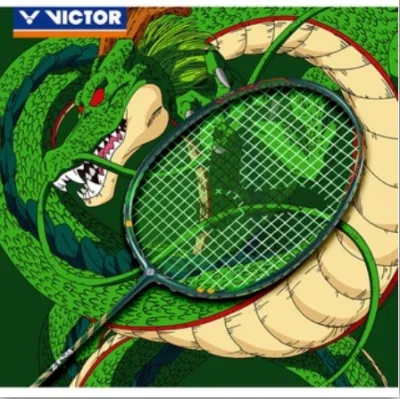
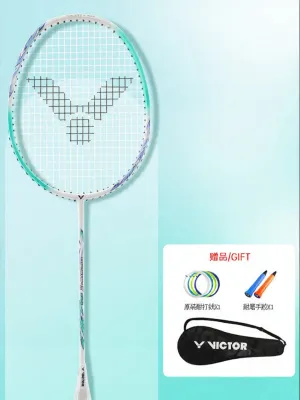
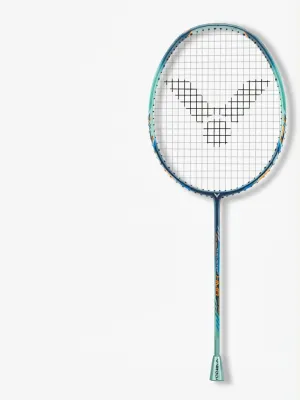
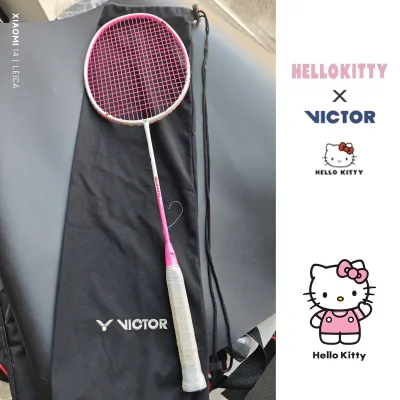
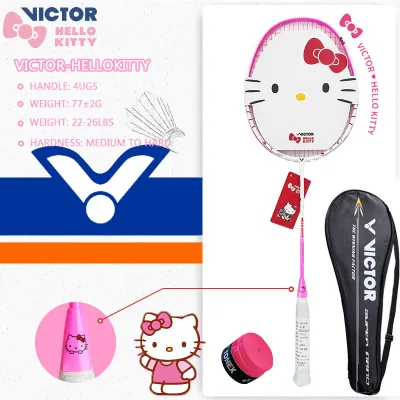
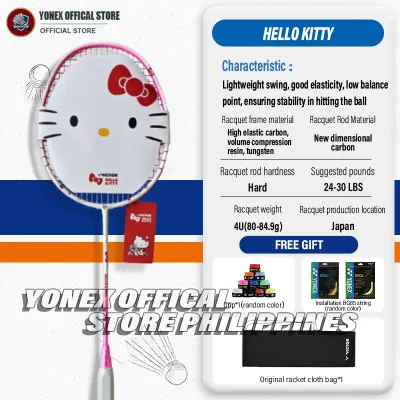
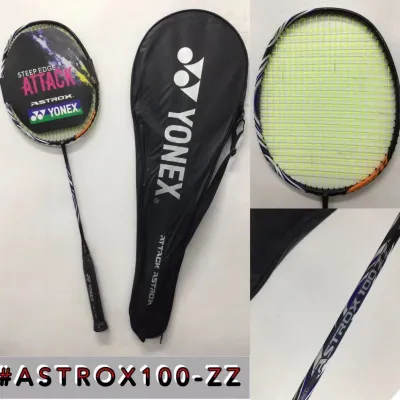
Prices are valid at publication and may change. Please refer to the product page for the latest price.
Speed-oriented series focus on rapid frame recovery, aerodynamic profiles, and lighter swing weights. These rackets are engineered for fast-paced rallies, quick defensive blocks, and rapid-fire drives at the net. Players who excel in doubles play or prefer a fast, reactive style often find these frames highly maneuverable in high-pressure situations.
Control-oriented series emphasize precision, stability, and shuttlecock feedback. These rackets are built to minimize frame twisting during off-center hits, allowing for accurate placement, delicate net drops, and controlled lifts. If you prioritize tactical placement and outmaneuvering your opponent over raw speed or power, a control-focused frame offers the necessary consistency.
Because manufacturer lineups, technologies, and specific model names evolve over time, it is important to verify the current offerings on Victor’s official channels or through authorized local retailers. Checking official product catalogs ensures you receive the most accurate, up-to-date information regarding the design intent of any specific model you are considering.
Matching Racket Profiles to Your Skill Level
Selecting a racket that matches your current technical proficiency is critical for developing proper form and avoiding physical strain. Using a racket designed for a different skill level can hinder your progress and increase the risk of shoulder or wrist discomfort, especially during long sessions in warm, humid indoor courts.

Beginners should prioritize forgiving racket profiles that assist with power generation and offer a larger sweet spot. At this stage, players are still developing their hitting technique and wrist snap, making highly flexible shafts and lighter overall weights ideal. A flexible shaft acts like a spring, bending and releasing energy to help clear the shuttlecock to the backcourt with less physical effort. Lighter frames also reduce fatigue on the arm muscles as you learn the fundamentals of the game.
Intermediate players who have established consistent hitting mechanics can transition to medium-stiffness shafts and more balanced profiles. At this level, you are likely developing more varied shots, including drop shots, slices, and half-smashes. A medium-flex racket offers a balanced mix of power assistance and control, allowing you to refine your accuracy while still receiving adequate support during defensive clears.
Advanced players often require highly specific racket profiles that demand precise timing, fast swing speeds, and excellent physical conditioning. Stiffer shafts are common in this category because they do not bend as easily, providing direct energy transfer and precise control over the shuttlecock’s trajectory. However, to benefit from a stiff shaft, you must possess the rapid wrist speed and correct body rotation necessary to flex the racket frame manually; otherwise, the impact shock will travel directly into your elbow and shoulder.
Aligning Racket Specifications with Your Playing Style
Your preferred tactical role on the court dictates the physical specifications your racket should possess. Aligning these traits with your natural playing style ensures your equipment works with your movements rather than against them.
An attacking style of play relies heavily on downward angles, steep smashes, and aggressive baseline pressure. To support this, look for rackets with a head-heavy balance point, which places more weight toward the top of the frame to generate greater downward momentum during a swing. When paired with a stiffer shaft, a head-heavy racket delivers maximum force into the shuttlecock, though it requires greater wrist strength to recover quickly after each shot.
A defensive and fast-paced style is common in doubles matches, where quick reflex blocks, flat drives, and rapid net play dominate. For this approach, head-light or even-balance rackets with aerodynamic frame designs are highly effective. These specifications allow you to maneuver the racket quickly, change your grip angle in a split second, and defend against high-speed smashes without feeling held back by a heavy frame tip.
An all-around style requires versatility, balance, and adaptability to handle any situation on the court. If you transition frequently between attacking from the backcourt and defending at the net, an even-balance racket with a medium-flex shaft is highly suitable. This combination provides enough stability for controlled drop shots and net play, while still offering sufficient power for clears and occasional smashes when an opening arises.
Essential Specifications to Verify Before Purchase
Before finalizing your purchase, you must verify several key physical and technical specifications printed on the racket’s shaft or cone. These standardized metrics indicate how the racket will feel in your hand and how it will perform under tension.
The weight of a badminton racket is designated by the “U” system, where a higher number indicates a lighter frame. For example, a 4U racket (typically 80 to 84 grams) is a highly versatile weight popular among both singles and doubles players, while a 3U racket (typically 85 to 89 grams) offers more mass for power but requires more physical strength. Grip size is indicated by the “G” system, with G5 and G6 being common sizes that fit smaller hands well, allowing you to add overgrips to customize the thickness based on your comfort and sweat-absorption needs.
The balance point is measured in millimeters from the bottom of the handle, with higher numbers (above 295mm) indicating a head-heavy balance, and lower numbers (below 285mm) indicating a head-light balance. Shaft stiffness is usually represented on a scale from flexible to stiff. You should physically check these specifications on the racket’s packaging or official product page to ensure they align with your physical capabilities and playing style.
Maximum string tension is another critical specification to verify, as exceeding the manufacturer’s recommended limit can warp or crack the graphite frame. This limit is printed clearly on the racket cone or shaft (for example, “≤ 28 lbs”). If you prefer higher string tensions for precise control, you must ensure the specific frame you choose is rated to withstand those forces, keeping in mind that higher tensions also reduce the sweet spot size and require more precise hitting technique.
Buying Safely and Verifying Authenticity
Due to the popularity of Victor rackets, counterfeit products are common in the market. Purchasing a fake racket not only deprives you of the brand’s actual performance technologies but also poses a safety risk, as low-quality materials can snap unexpectedly during a high-speed swing.
To ensure you are buying a genuine product, always purchase from authorized sporting goods stores, official brand outlets, or reputable online sports retailers. Avoid buying from unverified third-party sellers on online marketplaces where prices seem unrealistically low. Genuine Victor rackets come with manufacturer warranties that are only honored when purchased through authorized distribution channels.
When inspecting a racket, look for standard authenticity markers. Genuine Victor rackets feature a holographic security sticker on the cone, a laser-engraved serial number on both the shaft and the cone, and high-quality printed graphics. The serial numbers should be crisp and perfectly aligned, rather than printed or poorly etched.
Before having your new racket strung, perform a physical inspection of the frame, grommets, and paint finish. Check for any hairline cracks, uneven paint application, or loose grommet strips. If you notice any manufacturing defects, return the racket to the retailer immediately; once a racket has been custom-strung, most retailers will no longer accept returns or exchanges for cosmetic or structural issues.
Frequently Asked Questions (FAQ)
How often should I restring my Victor badminton racket?
As a general rule of thumb, you should restring your racket as many times in a year as you play in a single week. For example, if you play twice a week, plan to restring your racket at least twice a year to maintain optimal playability. However, you should also monitor physical signs of wear, such as a noticeable loss of tension where the strings feel mushy, fraying fibers near the grommets, or actual broken strings, which require immediate cutting to prevent uneven tension from warping the frame.
Does a more expensive Victor racket automatically mean better performance?
A higher price tag does not guarantee better performance for every player. Expensive high-end rackets are often constructed with ultra-stiff shafts and head-heavy balances designed for elite athletes with exceptional swing speeds and precise timing. For beginners or intermediate players, these demanding specifications can lead to shorter clears, increased fatigue, and potential wrist or elbow injuries. Whether your budget is ₱1,500 for an entry-level frame or over ₱8,000 for a high-end model, the most important factor is how the racket matches your physical capabilities.
Community discussion
Share your experience or ask a question. Comments are reviewed before publication.