
Selecting the correct volleyball requires matching the ball’s material, construction, and surface texture to your specific playing environment. In the Philippines, where volleyball is played on everything from polished indoor wooden courts to sandy beaches and concrete barangay courts, choosing the wrong ball can lead to rapid gear deterioration and poor performance. Using an indoor ball on rough outdoor concrete will quickly ruin its cover, while an outdoor rubber ball will feel too heavy and slippery on a polished indoor court. This guide breaks down the structural differences between indoor and outdoor volleyballs, provides a verification checklist for key specifications, and highlights the essential volleyball accessories you need to maintain proper inflation and protect your gear.
Understanding the Core Differences: Indoor vs. Outdoor Volleyballs
To choose the right ball, you must first understand the fundamental design and material differences that dictate where a specific ball should be used. Indoor and outdoor volleyballs are engineered to perform under entirely different physical conditions, and using them interchangeably often results in a compromised game or a damaged ball.
The cover material is the most obvious difference between these two categories. Indoor volleyballs typically feature covers made of genuine leather or premium synthetic composite leather. These materials are chosen for their soft feel, which allows players to set, spike, and dig with high precision and minimal sting on the arms. In contrast, outdoor volleyballs are constructed from molded rubber or heavy-duty, water-resistant composite materials. These rugged covers are designed to withstand abrasive surfaces like concrete, asphalt, and sand without peeling or tearing.
Products mentioned in this guide
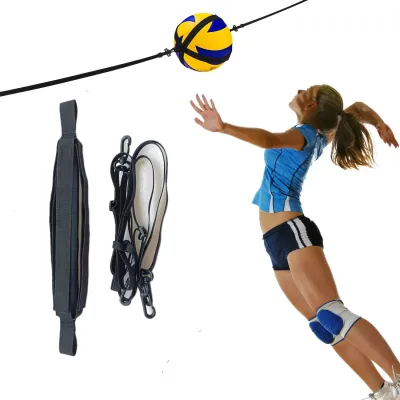
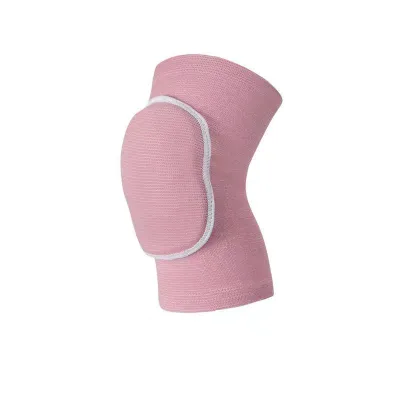
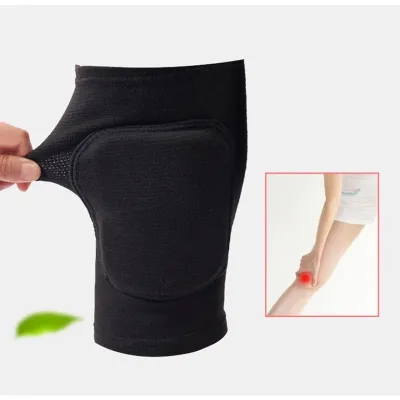
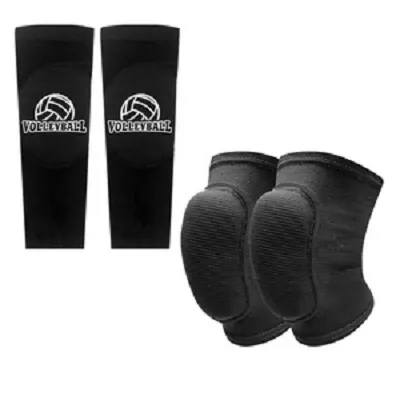
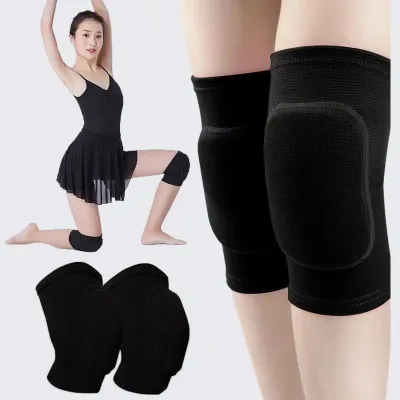
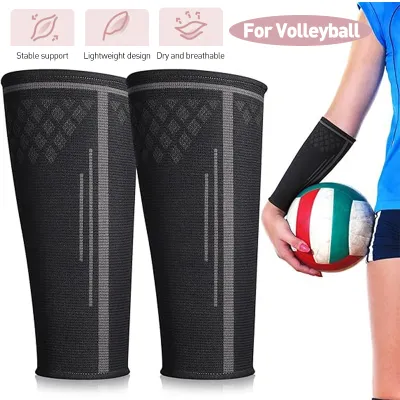
Prices are valid at publication and may change. Please refer to the product page for the latest price.
Construction methods also differ significantly to match the demands of each environment. Indoor balls generally use a laminated or stitched panel construction. Laminated panels are glued directly to an inner lining, creating a smooth, seamless surface that ensures a highly consistent bounce and predictable flight path on polished indoor floors. Outdoor balls, however, often feature stitched panels with reinforced seams or molded construction. Stitched panels on outdoor balls are designed to be slightly looser to allow sand and dirt to escape, while molded rubber balls are completely seamless to prevent water and debris from penetrating the inner bladder.
Finally, the surface texture plays a critical role in grip and ball control. Indoor balls have a smooth or subtly dimpled texture that optimizes aerodynamic stability in draft-free indoor halls. Outdoor balls feature deeper grooves, pronounced panel seams, or textured composite surfaces. This enhanced texture gives players a reliable grip even when the ball is exposed to sweat, sand, wind, and tropical humidity.
Matching the Ball to Your Court Surface and Environment
Selecting the right volleyball requires evaluating your primary playing surface and the local weather conditions. In the Philippines, the tropical climate introduces unique challenges, such as high humidity, sudden downpours, and intense sun exposure, all of which can rapidly degrade sports equipment. High humidity can make synthetic leather balls slick and heavy as they absorb moisture from the air and player sweat, while direct sunlight can dry out rubber covers, causing them to crack over time.

To help you make the right choice, consider the specific court surface you will be playing on most frequently. The table below outlines the recommended ball categories and key material features for various playing environments:
| Court Type | Recommended Ball Category | Key Material Feature | Seam Construction |
|---|---|---|---|
| Polished Wood / Taraflex | Indoor | Synthetic or Genuine Leather | Laminated or Fine Stitched |
| Concrete / Asphalt | Outdoor / Recreational | Molded Rubber or Heavy Composite | Molded or Reinforced Seams |
| Sand / Beach | Beach / Outdoor | Water-Resistant Composite | Soft Stitched Panels |
| Grass / Backyard | Outdoor / All-Weather | Composite or Rubber | Molded or Stitched |
By matching the ball’s construction to these specific environments, you ensure that the ball behaves predictably during play and lasts for multiple seasons.
Selecting for Indoor Courts
Indoor volleyball is a game of high speed, precise control, and rapid transitions, requiring a ball that responds accurately to subtle fingertip adjustments. For these environments, look for balls with soft synthetic or genuine leather covers. These premium materials are engineered to absorb the impact of high-velocity spikes, providing better arm comfort and reducing the stinging sensation during repeated defensive digs.
The panel construction of indoor balls is typically laminated, meaning the panels are glued to a cloth-wrapped bladder. This method creates a perfectly spherical shape with virtually no raised edges, allowing for a consistent touch and a stable flight path through the air. Some indoor models use fine stitching, but the goal remains a smooth, uniform surface that interacts predictably with the court floor and the players’ hands.
Because indoor balls are designed for controlled environments, they are highly sensitive to moisture and rough surfaces. Playing with an indoor leather ball on concrete will scrape off the outer finish, while exposure to water can cause the laminated panels to peel away from the bladder. To preserve your investment, keep these balls strictly on indoor wood or synthetic taraflex courts.
Selecting for Outdoor and Beach Courts
Outdoor play demands a ball that can survive abrasive surfaces, wind, and moisture without losing its structural integrity. Whether you are playing on a concrete barangay court, a grassy park, or a sandy beach, your ball needs to be tough. Molded rubber or water-resistant composite covers are the standard for these environments, as they resist scuffs from gravel and do not absorb water when exposed to rain or wet grass.
Visibility is another crucial factor for outdoor play. Unlike indoor courts with consistent overhead lighting, outdoor environments present challenges like bright sunlight, moving shadows, and busy backgrounds. Outdoor and beach volleyballs are often designed with high-visibility colors—such as bright yellow, blue, orange, or multi-colored patterns—to help players track the ball’s spin and trajectory against the sky or sand.
Furthermore, outdoor balls are built with thicker, more durable bladders, often made of heavy butyl rubber. This thicker inner layer helps the ball retain its air pressure longer and provides a defense against punctures from small pebbles, twigs, or debris commonly found on outdoor courts. While they may feel slightly heavier and stiffer than indoor balls, this robust construction is necessary to ensure long-term durability.
Key Specifications and Manufacturer Labels to Verify
Before purchasing a volleyball, it is essential to inspect its physical specifications and manufacturer labels to ensure it meets standard playing requirements. Buying a ball based solely on appearance can lead to purchasing an item that is too heavy, poorly balanced, or difficult to inflate properly.
First, locate the manufacturer’s recommended pressure range, which is typically printed directly on the ball’s surface near the inflation valve. This is usually measured in pounds per square inch (PSI) or bars. Indoor balls generally require a pressure of 4.26 to 4.61 PSI, while beach volleyballs are inflated to a much lower pressure of 2.5 to 3.2 PSI to allow for better control on sand. Always verify these numbers on the ball itself rather than guessing, as over-inflation can damage the inner bladder and seams.
Next, check the size and weight classifications. Standard competitive play for adults and teenagers requires a Size 5 ball, which has a circumference of 65 to 67 centimeters for indoor play and 66 to 68 centimeters for beach play. If you are purchasing a ball for younger children or beginners, look for lightweight or Size 4 options, which are designed to prevent wrist fatigue and joint strain during early skill development.
If you plan to use the ball for official tournaments, school leagues, or competitive club play, look for official federation approval logos stamped on the cover. Marks such as “FIVB Approved” or local athletic association seals indicate that the ball has undergone rigorous testing for weight, sphericity, bounce, and durability.
Finaly, perform a quick physical inspection before buying or inflating the ball for the first time:
- Seam Alignment: Ensure all panels are aligned evenly with no visible gaps, loose threads, or peeling edges.
- Valve Integrity: Check that the inflation valve is centered, flush with the ball's surface, and free of debris.
- Uniform Panel Shaping: Roll the ball across a flat floor; a high-quality ball should roll in a straight line without wobbling, indicating a perfectly balanced bladder.
Essential Volleyball Accessories for Maintenance and Storage
Owning a high-quality volleyball is only half the battle; keeping it in peak playing condition requires the right selection of volleyball accessories. Proper maintenance not only extends the lifespan of your ball but also ensures consistent performance during training and matches.
A dedicated ball pump equipped with an integrated pressure gauge is the most critical accessory you can own. Guessing the inflation level by squeezing the ball is highly inaccurate and often leads to over-inflation, which stretches the seams and warps the bladder, or under-inflation, which ruins the ball’s bounce. A pump with a clear gauge allows you to inflate the ball precisely to the manufacturer’s recommended PSI. Always moisten the inflation needle with a drop of water or valve oil before inserting it to prevent damaging the rubber valve core.
Proper storage is equally important, especially in the humid, tropical climate of the Philippines. Storing your volleyball in a dedicated, breathable ball bag protects it from dust, dirt, and direct UV exposure. Avoid leaving your volleyball inside a hot car trunk or under direct sunlight when not in use, as extreme heat causes the air inside to expand rapidly, potentially rupturing the bladder or melting the adhesives holding the panels together.
For cleaning, avoid using harsh chemical solvents, alcohol, or abrasive scrubs, as these will strip away the protective coatings on synthetic leather and rubber. Instead, use a mild soap solution, warm water, and a soft microfiber cloth to gently wipe away sweat, dirt, and sand. Dry the ball thoroughly with a clean towel and store it in a cool, well-ventilated space.
If you manage a school team, a local club, or regularly organize community games, investing in ball nets or portable ball carts is highly recommended. These accessories make transporting multiple balls to and from the court convenient while preventing them from rolling away and getting lost or damaged.
Where to Buy and How to Avoid Counterfeit Gear
With the popularity of volleyball in the Philippines, counterfeit sports gear has become increasingly common, especially on online marketplaces and unverified retail stalls. Purchasing a counterfeit ball might save you money initially, but these knockoffs often suffer from rapid air loss, uneven weight distribution, and peeling panels after just a few games.
To ensure you are getting an authentic product, always purchase from authorized sporting goods stores, official brand websites, or reputable online sports retailers. Authorized dealers provide genuine products that adhere to strict manufacturing standards and often come with limited warranties against defects.
When shopping, watch out for common red flags that indicate a counterfeit product. Misspelled brand names, poorly printed logos, and missing manufacturer tags are clear signs of a knockoff. Additionally, inspect the price: if a premium match ball that typically retails for thousands of pesos is listed on an online marketplace for an unusually low price in ₱, it is highly likely to be a counterfeit. Genuine high-quality balls require precise manufacturing processes that cannot be replicated at extremely low price points.
Lastly, always check the seller’s return policy and warranty coverage before finalizing your purchase. Reputable retailers will offer a clear return window or exchange policy if you discover a manufacturing defect, such as a leaking valve or asymmetrical shape, upon inflating the ball for the first time. Protecting your purchase ensures you get the full value and performance out of your gear.
Frequently Asked Questions (FAQ)
Can I use an indoor volleyball for occasional outdoor beach play?
It is highly discouraged to use an indoor volleyball on a beach or outdoor court. Sand acts as an abrasive agent that will quickly scratch and wear down the soft synthetic or genuine leather cover of an indoor ball. Furthermore, moisture from sweat, wet sand, or sea spray will seep into the stitched seams, causing the inner layers to absorb water, gain weight, and lose their shape. For casual outdoor play, it is much better to use a budget-friendly composite outdoor ball, while regular beach sessions warrant a dedicated beach volleyball designed to resist water and sand penetration.
How often should I check the air pressure of my volleyball?
You should check your volleyball’s air pressure before every play session or training match. Volleyballs naturally lose small amounts of air over time, especially when stored for long periods. Additionally, temperature fluctuations—such as moving from an air-conditioned indoor sports complex to a hot, humid outdoor court—will cause the air inside the ball to expand or contract. Keeping a small pressure gauge in your gear bag allows you to make quick adjustments, ensuring the ball always performs consistently and safely.
Community discussion
Share your experience or ask a question. Comments are reviewed before publication.