
Selecting the right volleyball ball depends heavily on where you plan to play. While a volleyball might look uniform at a glance, the engineering behind indoor and outdoor models differs significantly to match specific playing environments. Choosing the wrong type can lead to premature wear, poor ball control, or physical discomfort during play. By understanding the structural differences, you can protect your investment and improve your overall performance on the court.
Why Indoor and Outdoor Volleyballs Are Not Interchangeable
Indoor and outdoor volleyball environments present vastly different physical challenges. Polished wooden gym floors or smooth synthetic indoor courts require a ball that prioritizes consistent bounce, aerodynamic stability, and a soft touch for precise setting and spiking. In contrast, outdoor environments—ranging from sandy beaches to grassy parks and concrete courts—demand a highly durable construction. Abrasive surfaces like concrete or sand will quickly scuff or tear a delicate indoor ball, rendering it unusable.
Weather elements also play a massive role in how a ball behaves. In tropical climates, high humidity, intense sunlight, and sudden rain showers can severely impact ball materials. Indoor balls, often made of genuine or synthetic leather, absorb moisture easily; when exposed to sweat or humidity, they become heavy and difficult to control. Outdoor balls are specifically engineered with water-resistant covers and specialized bladder designs to withstand these temperature fluctuations and moisture levels without losing their shape or internal pressure.
Products mentioned in this guide
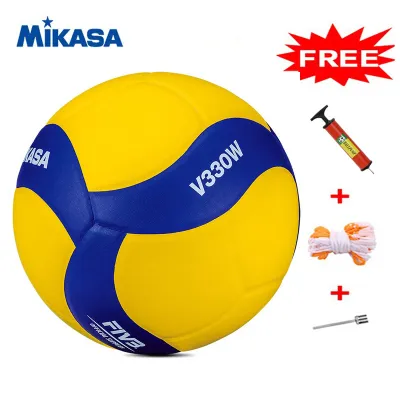
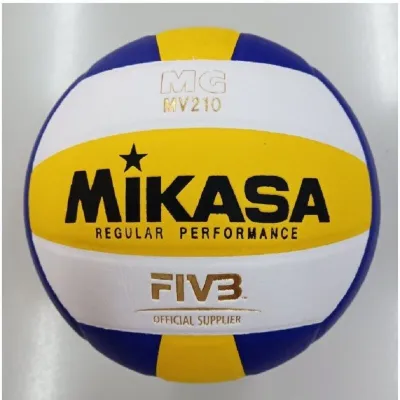
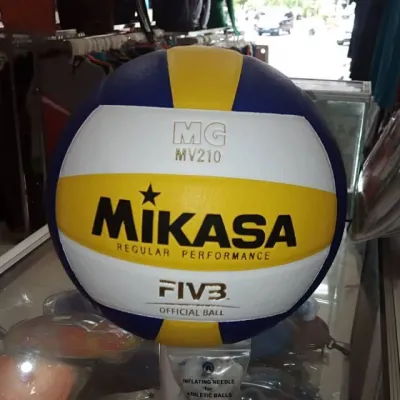
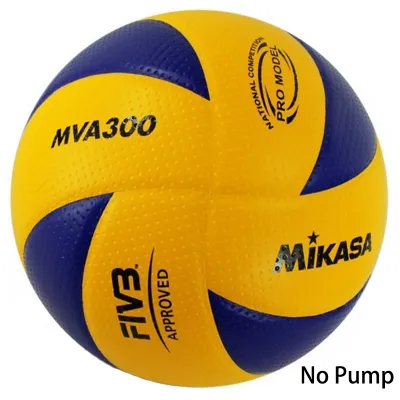
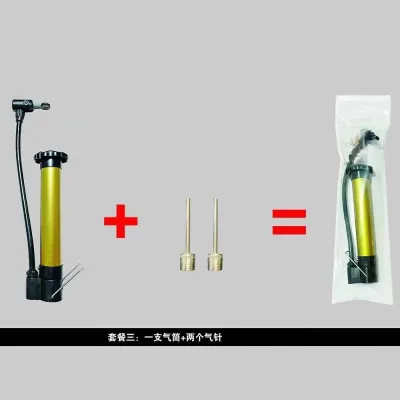
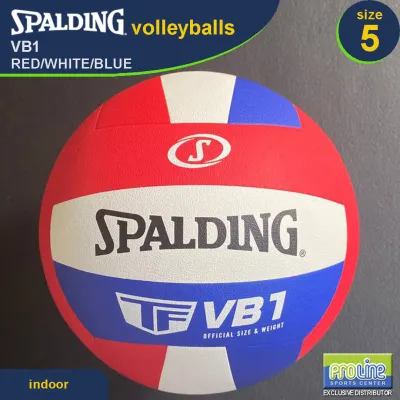
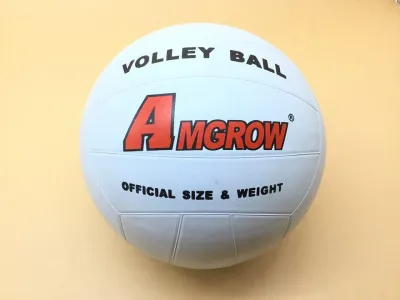
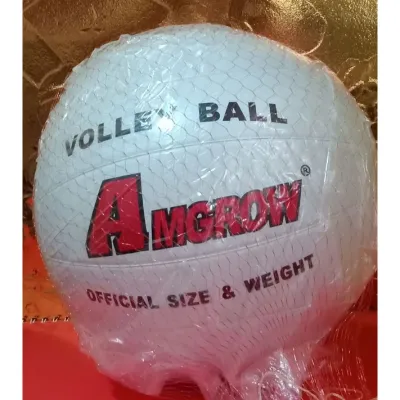
Prices are valid at publication and may change. Please refer to the product page for the latest price.
Using the wrong ball type also introduces safety risks. An indoor ball used on a hot, humid outdoor court can warp, creating unpredictable flight paths that increase the risk of finger sprains. Conversely, using a hard, heavy outdoor rubber ball on an indoor court can cause excessive sting and arm fatigue during repeated passes. Matching the ball’s construction to the court surface ensures a safer, more comfortable game for players of all levels.
What to Look for When Buying an Indoor Volleyball
When shopping for an indoor volleyball ball, the cover material is your primary consideration. High-quality indoor balls typically feature genuine leather or premium microfiber synthetic leather covers. These materials offer a soft, cushioned feel that minimizes the sting on your forearms during digs and passes. Microfiber covers are highly effective for indoor play because they absorb moisture, keeping the ball dry and grippy even when hands are sweaty.

The construction of the panels is another critical detail to verify. Indoor volleyballs generally use a cemented or glued panel design rather than stitched seams. The panels are wrapped around an internal carcass, creating a smooth, uniform surface with minimal gaps. This seamless construction ensures a highly consistent bounce and a predictable flight path, which is essential for executing precise sets and spikes. Before purchasing, inspect the edges of the panels to ensure there are no visible gaps or peeling adhesive.
If you plan to play in organized leagues or competitive tournaments, you must verify the ball’s official approval status. Look for official stamps or logos from governing bodies printed directly on the ball’s cover or packaging. These markings indicate that the ball meets strict specifications regarding weight, circumference, and bounce consistency. Always cross-reference these markings with your local league’s guidelines to ensure compliance before making a purchase.
Essential Features of a Good Outdoor or Beach Volleyball
Outdoor and beach volleyballs require a completely different set of features to survive the elements. The most critical requirement is water resistance. Look for balls made from heavy-duty synthetic composites or molded rubber. These materials prevent water from penetrating the cover, ensuring the ball does not become waterlogged during humid afternoon sessions. Stitched panels are highly common in outdoor balls because they provide extra structural integrity against sand and dirt intrusion.
Surface texture is another key feature to evaluate. Beach volleyballs often feature deeper panel grooves and textured covers to help players maintain a secure grip when hands are wet, sweaty, or covered in sand. This textured surface allows for better spin control and more accurate hand setting, which is notoriously difficult in windy outdoor conditions. When inspecting a potential purchase, run your fingers over the seams to verify that the grooves are pronounced enough to offer a reliable grip.
Visibility is equally important when playing under the open sky. Unlike indoor courts with consistent overhead lighting, outdoor courts present challenging visual backgrounds, such as bright sunlight, moving clouds, or green foliage. Opt for outdoor balls with vibrant, high-contrast color patterns—such as combinations of yellow, blue, and white. These bright designs make it much easier to track the ball’s trajectory against the sky, helping you react faster and position yourself correctly for the next play.
Can One Volleyball Work for Both Indoor and Outdoor Courts?
For casual players or those shopping on a budget, manufacturers offer “all-surface” or multi-court composite volleyballs. While convenient, these versatile options involve compromises. An all-surface ball is typically firmer than a dedicated indoor ball, which can cause more arm sting, and it lacks the specialized water resistance and deep grooves of a dedicated beach volleyball.
Using a premium indoor ball on outdoor surfaces is highly discouraged. Abrasive concrete courts or rough grass will quickly scuff and peel the delicate microfiber cover of an indoor ball, ruining a significant financial investment. On concrete neighborhood courts, a soft indoor ball will degrade within a few games. If you must use a single ball for multiple surfaces, it is wiser to use a durable outdoor composite ball indoors, even if it feels slightly heavier and firmer to the touch.
To decide whether to invest in one multi-surface ball or two specialized models, evaluate your playing frequency. If you play recreationally once a month on varying surfaces, a mid-range, durable composite ball costing around ₱800 to ₱1,500 offers excellent value. However, if you play weekly in both indoor gyms and outdoor sand courts, purchasing two dedicated balls is highly recommended to ensure optimal performance and extend the lifespan of both pieces of equipment.
Matching Ball Size and Weight to Your Skill Level
Selecting the correct physical dimensions of your volleyball ball is essential for skill development and injury prevention. Standard adult volleyballs, often labeled as “official size and weight,” are designed for players aged 12 and older. These balls typically have a circumference of 65 to 67 centimeters and a weight of 260 to 280 grams. Using an adult-sized ball too early can lead to poor technique and wrist strain, so check the manufacturer’s age recommendations.
For younger players or beginners, lightweight training balls are highly beneficial. These models maintain the standard physical size but are significantly lighter, often weighing between 200 and 230 grams. The reduced weight allows junior players to practice serving and spiking mechanics without straining their shoulders or wrists. When browsing online marketplaces or local sports shops, look for labels indicating “youth,” “lightweight,” or “soft touch” to find these beginner-friendly options.
Proper inflation is the final step in ensuring your ball performs as intended. Every volleyball has a recommended pressure range printed directly near the inflation valve, usually measured in pounds per square inch (psi) or bars. Over-inflating a ball makes it rock-hard, increasing the risk of arm bruising, while under-inflation deadens the bounce. Use a reliable pressure gauge and a hand pump to verify the inflation level before every game, adjusting the pressure slightly lower for beach play to allow for better hand control in the wind.
Frequently Asked Questions (FAQ)
How do I know if a volleyball is officially approved for tournaments?
To verify if a volleyball ball is approved for competitive play, look for official certification stamps printed directly on the ball’s cover. These stamps typically feature the logos of national or international volleyball federations. Additionally, reputable manufacturers list these certifications in their product specifications. If you are purchasing a ball for a sanctioned local tournament, it is highly recommended to check the organization’s official website for their current list of approved equipment, as requirements can change from season to season.
Does the color of the volleyball affect outdoor gameplay?
Yes, the color pattern of an outdoor volleyball ball directly impacts your tracking ability and reaction time. Solid white balls, while classic, can easily get lost against bright white clouds, hazy skies, or glare from the sun. Multi-colored panels featuring high-contrast shades like yellow, blue, and orange are designed specifically to stand out against complex outdoor backgrounds. This high visibility allows players to judge the ball’s speed and spin more accurately, especially during windy outdoor matches.
How should I store my volleyball to maintain its shape and pressure?
To maximize the lifespan of your volleyball ball, store it in a temperature-controlled, dry environment away from direct sunlight. Leaving a ball in a hot car trunk or exposed to the tropical sun on a balcony can cause the internal bladder to expand, warping the ball’s shape and weakening the adhesive holding the panels together. If you plan to store the ball unused for several months, check the manufacturer’s instructions; slightly deflating the ball can relieve tension on the seams and help preserve its structural integrity over time.
Community discussion
Share your experience or ask a question. Comments are reviewed before publication.