
Choosing the right volleyball net requires matching the pole anchoring system, net material durability, and tension mechanism to your specific playing surface and weather exposure. A net designed for a polished indoor gym floor will not survive the salty breeze of a beach, while a lightweight backyard set will quickly fail under the high-tension demands of competitive play. By evaluating where you plan to set up your court and how often you intend to play, you can select a system that remains stable, safe, and durable over time.
Understanding the Core Differences Between Net Types
Volleyball nets and their supporting structures are engineered to withstand specific environmental challenges and physical forces. The primary differences lie in the materials used for the poles, the construction of the net fabric, and the overall dimensions of the setup. Understanding these distinctions prevents premature wear and ensures your court meets your playing expectations.
Poles serve as the backbone of any volleyball system, and their material composition dictates where they can be used. Indoor systems often utilize heavy-duty steel or high-grade aluminum, which provide excellent rigidity but are susceptible to rust if exposed to outdoor humidity. For outdoor and coastal environments, poles must feature specialized weather-resistant coatings, or be constructed from anodized aluminum or fiberglass, to prevent corrosion from tropical moisture and salt air.
Products mentioned in this guide
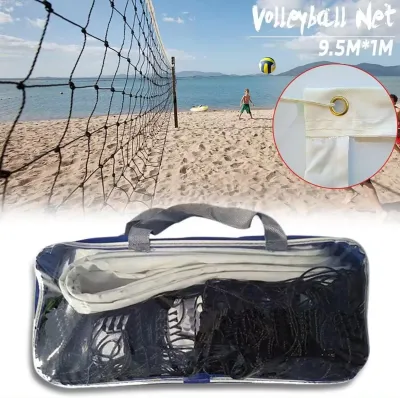
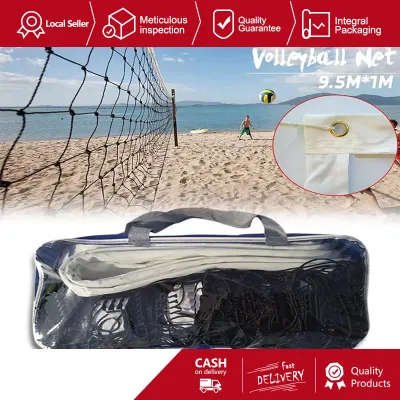
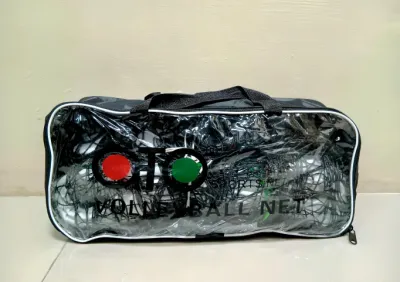
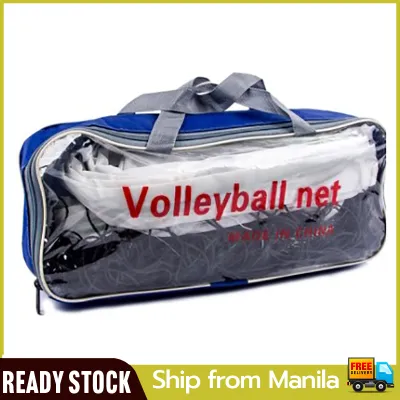
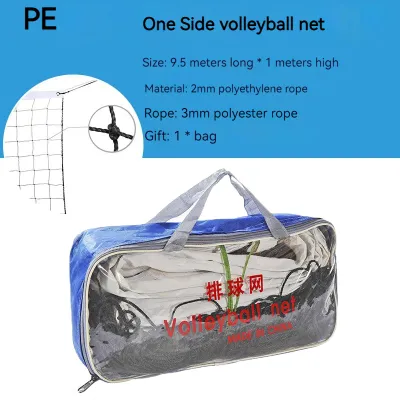
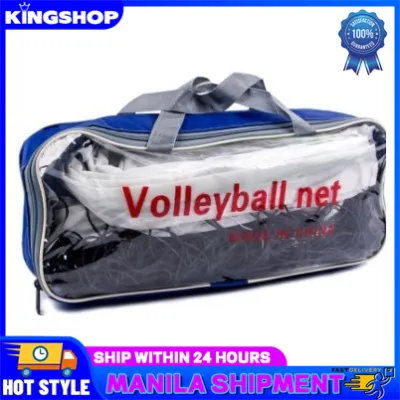
![[Spot +24hours delivery]950*100cm International Standard Volleyball Net Outdoor Training Net with Bag](https://img.lazcdn.com/g/p/265af00d9b59ff5008a08a4eaf652680.jpg_400x400q80.jpg_.webp)
Prices are valid at publication and may change. Please refer to the product page for the latest price.
The net itself must also match the environment. Indoor nets are typically made of nylon or polyester, which offer excellent elasticity and strength but can degrade rapidly under direct sunlight. Outdoor and beach nets require UV-stabilized materials, such as heavy-duty polyethylene, along with waterproof vinyl tapes on the top, bottom, and sides. These weather-resistant treatments prevent the fibers from fraying, fading, or losing tension when exposed to intense tropical sun and sudden downpours.
Sizing is another critical differentiator. Official regulation nets measure 9.5 meters in length and 1 meter in height, designed to fit standard court dimensions. Casual recreational nets, however, are often shorter—ranging from 6 to 8 meters—to accommodate smaller backyards, driveways, or tight beach spaces. Choosing between regulation and recreational sizes depends on whether you are training for formal competition or setting up a flexible space for family gatherings.
Evaluating Your Playing Environment and Space
Before purchasing a volleyball net, you must carefully assess the physical characteristics of your intended playing area. The ground surface, available space, and local weather patterns dictate not only the type of net you need but also how it must be anchored to remain stable and safe during intense rallies.

Different ground surfaces require completely different anchoring methods to keep the net taut. Hard surfaces like concrete or indoor wood floors cannot accept ground stakes, requiring weighted bases or pre-installed floor sleeves. Conversely, soft surfaces like grass and sand rely on tension-based guyline systems anchored deep into the earth. Attempting to use the wrong anchoring method can damage the playing surface or cause the poles to collapse during play.
Space constraints and portability needs also play a major role in your decision. If you have a dedicated court area, a permanent or semi-permanent inground installation offers the highest stability and professional-grade net tension. However, if you share the space with other activities or need to transport your setup to different locations, a portable system with a carrying bag and quick-assembly poles is a more practical choice.
Weather exposure is a constant factor, particularly in tropical climates where high humidity, intense heat, and heavy rain are common. Equipment left outdoors year-round will experience accelerated wear compared to gear that is packed away after each use. If you cannot store your system indoors after play, investing in commercial-grade, weather-treated components is essential to protect your investment from premature degradation.
Indoor and Hard Court Setups
Indoor gymnasiums and outdoor concrete courts present unique challenges because you cannot drive stakes into the ground. For indoor facilities, the standard solution is a floor-sleeve system, where poles slide directly into pre-drilled metal sleeves embedded in the subfloor. If drilling is not an option, you must look for portable indoor systems that utilize heavy, rubber-rimmed weighted bases to prevent floor scuffing while providing enough ballast to keep the net tight.
For outdoor hard courts, such as concrete driveways or asphalt multi-purpose courts, permanent inground poles secured with concrete are the most stable option. If you require a temporary setup on concrete, look for specialized free-standing frames with heavy steel bases. Ensure these bases feature non-marking rubber pads to protect the surface and prevent the entire structure from sliding during high-impact plays.
Outdoor Grass and Backyard Setups
Backyard grass courts are highly popular for recreational play and require systems that can be secured firmly into soft soil. These setups rely heavily on guyline tension systems, where ropes or straps run from the top of each pole to stakes driven into the ground at an angle. To ensure stability on turf, look for kits that include wide, heavy-duty steel or high-impact plastic stakes that can grip the soil without slipping.
Portability and ease of assembly are key for backyard setups, as most homeowners prefer to take the net down before mowing the lawn or during severe weather. Look for push-button brass pin locking systems on the poles, which allow for quick assembly and disassembly without the need for tools. Lightweight aluminum or high-strength plastic poles are ideal here, as they are easy to carry and store in a compact bag.
Beach and Sand Setups
Beach volleyball environments are exceptionally harsh due to the combination of abrasive sand, high winds, and corrosive salt air. Standard steel poles will rust rapidly in these conditions, making anodized aluminum or heavy-walled fiberglass poles the industry standard for beach setups. These materials resist corrosion and are lightweight enough to carry across soft sand dunes.
Anchoring in loose sand requires specialized hardware, as standard thin metal stakes will pull out of the ground instantly under net tension. Beach systems utilize sand anchors, which are typically large, flat plates or heavy-duty bags that you bury deep under the sand. The weight of the packed sand on top of these anchors provides the necessary resistance to keep the guylines taut, ensuring the net remains stable even during windy coastal afternoons.
Key Features to Check Before Buying
To ensure your volleyball net is safe, functional, and long-lasting, there are several critical features you should verify before making a purchase. Checking these specifications beforehand will help you avoid common issues like sagging nets, unstable poles, or limited playability.
First, verify the height adjustment mechanism of the pole system. If you plan to host games for different age groups or mixed-gender matches, you need a system that can easily transition between standard heights. Look for poles with pre-marked height settings and secure locking pins or collar clamps. This allows you to adjust the net quickly without guessing or using a measuring tape before every game.
Second, examine the quality of the net boundaries and borders. High-quality nets feature heavy-duty vinyl tape sewn along all four sides, which protects the edges from fraying and helps distribute tension evenly. Additionally, check if the net includes built-in sleeves for antennas. Antennas are essential for competitive play to define the boundary limits, and having dedicated sleeves makes them much easier to install securely.
Finally, evaluate the tensioning system, which is responsible for keeping the top of the net tight and preventing sag. Basic recreational sets often use simple pull-down tension rings or tie-down ropes, which can slip over time. For a more reliable setup, look for systems equipped with pull-down lever ratchets or winch systems. These mechanisms allow you to apply precise tension with minimal physical effort, keeping the net straight and responsive throughout your matches.
Can One Net Work for Multiple Environments?
Many players wonder if they can buy a single volleyball net system and use it across indoor, grass, and beach settings. While some high-quality portable systems are marketed as multi-surface kits, there are significant trade-offs and limitations to consider before attempting to use one setup everywhere.
A high-quality portable outdoor net can transition between grass and sand relatively easily, provided you have the correct anchoring accessories. For example, you can use the same poles and net on a beach if you swap out your grass stakes for buried sand anchors. However, using that same portable system on a hard concrete surface or an indoor gym is rarely successful without purchasing expensive, heavy-duty weighted bases to replace the guyline tension system.
Furthermore, multi-purpose portable nets are generally lighter and less rigid than dedicated, single-environment systems. They are excellent for casual recreation but cannot support the extreme net tension required for professional-level play. If you decide to purchase a multi-surface system, be prepared to invest in additional accessory kits—such as specialized anchors or indoor base adapters—and accept that the net tension may not match that of a permanent, dedicated installation.
Frequently Asked Questions (FAQ)
What is the standard height for a volleyball net?
The standard net height varies depending on the gender and age of the players. For official adult competition, the net height is set at 2.43 meters for men and 2.24 meters for women. Youth and senior divisions often use lower heights, typically ranging from 2.00 to 2.13 meters depending on the specific age bracket. When purchasing a net system, check that the poles feature clear, pre-marked measurement lines for these standard heights, allowing you to make quick and accurate adjustments.
How do I secure a volleyball net on grass without damaging the lawn?
To secure a net on grass with minimal turf disruption, use wide, flat stakes or spiral ground anchors rather than thin, sharp metal pegs that can tear through the soil under high tension. Driving the stakes into the ground at a 45-degree angle away from the court provides maximum holding power while minimizing the footprint. When you take the system down, gently step on the disturbed turf to press the soil back into place, and avoid leaving the stakes in the ground for extended periods to prevent yellowing or killing the grass underneath.
Community discussion
Share your experience or ask a question. Comments are reviewed before publication.