
Finding the right volleyball net for your outdoor space transforms a simple backyard or beach day into an active, engaging arena. The ideal setup depends entirely on your playing surface, how often you plan to play, and whether you need a permanent fixture or a portable system. While a heavy-duty in-ground system offers professional-grade tension for a dedicated grass or concrete court, a lightweight tethered net is essential for shifting beach sands. Evaluating your environment, comparing net categories, and verifying the right specifications will ensure safe, stable, and highly enjoyable play.
Assess Your Playing Environment and Space
Before purchasing any equipment, take a close look at the physical space where you plan to set up the court. The primary surface type—whether it is grass, sand, or a hardcourt like concrete—dictates how you will anchor the poles and secure the net. Grass surfaces allow you to drive stakes deep into the soil, providing excellent stability for guy lines. Sand, on the other hand, is loose and shifting, requiring specialized sand anchors or wider plates that resist pulling out under tension. If you are setting up on a concrete driveway or a multi-purpose barangay court, standard stakes are unusable, meaning you must rely on heavy freestanding bases or pre-installed ground sleeves.
Next, measure your available space to ensure a safe and functional playing area. A standard volleyball court measures 18 meters long by 9 meters wide, but recreational games can easily adapt to smaller dimensions. Regardless of the court size, you must account for a safety clearance zone of at least 1 to 2 meters around the entire perimeter. This buffer zone prevents players from colliding with fences, walls, garden plots, or ornamental plants during intense rallies.
Products mentioned in this guide
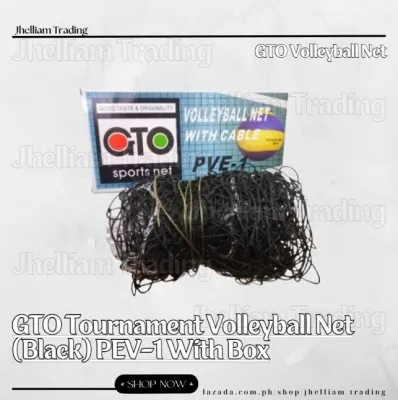
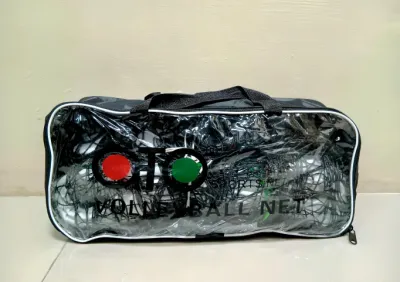
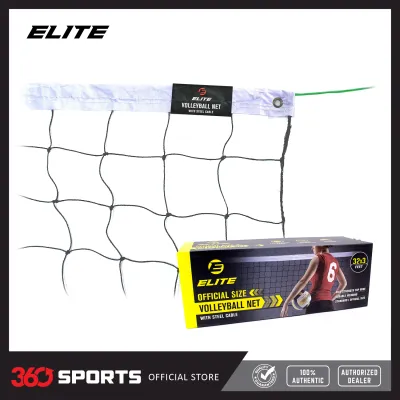
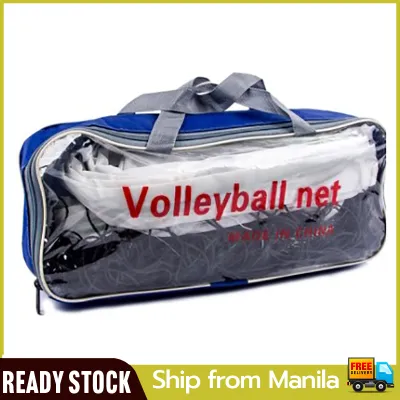
![[Spot +24hours delivery]950*100cm International Standard Volleyball Net Outdoor Training Net with Bag](https://img.lazcdn.com/g/p/265af00d9b59ff5008a08a4eaf652680.jpg_400x400q80.jpg_.webp)
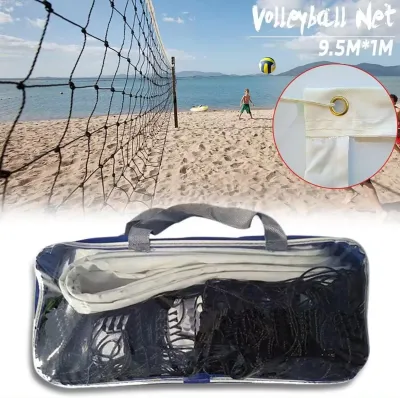
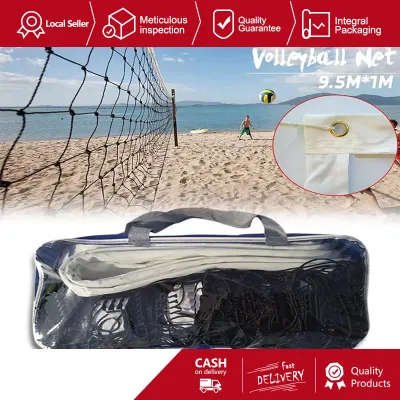
Prices are valid at publication and may change. Please refer to the product page for the latest price.
Finally, look upward and assess the surrounding elements. Check for overhead obstacles such as low-hanging tree branches, clotheslines, or utility power lines that could interfere with high-flying balls. Additionally, consider the typical wind exposure in your area. In tropical climates prone to sudden gusts and seasonal monsoons, a net set up in an open, unsheltered field will experience significantly more wind drag than one nestled in a walled backyard.
Compare Volleyball Net Types by Setup and Durability
Selecting the right net category requires balancing your environmental assessment with how often you plan to assemble and disassemble the gear. Portable and freestanding nets are highly popular for casual backyard play and family gatherings. These systems typically feature lightweight poles and fillable plastic bases that you can load with water or sand for stability. Because they do not require permanent ground modifications, they are highly versatile and easy to pack away when a sudden tropical downpour begins. However, their tension stability is generally lower, and they may sway or sag during aggressive play.

For dedicated sports areas, permanent and in-ground nets offer the ultimate playing experience. These systems utilize heavy-duty metal poles anchored directly into the ground, often secured with concrete footings or removable ground sleeves. Ground sleeves are particularly useful because they allow you to slide the poles out for storage while leaving the ground flush and safe for mowing. Permanent setups provide exceptional net tension, mimicking professional indoor courts, but they require a permanent commitment of space and a more intensive initial installation process.
Beach and tethered nets are engineered specifically to withstand the unique challenges of coastal environments. Instead of heavy bases that are difficult to transport across loose sand, these systems rely on lightweight, high-strength poles and a network of guy lines secured by deep-ground sand anchors. These anchors are often wide, flat plates or heavy-duty stakes designed to be buried deep beneath the sand, utilizing the weight of the sand itself to maintain structural integrity.
To help you decide which system fits your lifestyle, consider this comparison of the primary outdoor volleyball net types:
| Net Type | Setup Time | Surface Compatibility | Tension Stability | Storage Requirements |
|---|---|---|---|---|
| Portable / Freestanding | 10–20 minutes | Grass, concrete, flat dirt | Moderate (may sag over time) | Low (compact carrying bag) |
| Permanent / In-Ground | Several hours (initial setup) | Dedicated grass or concrete | High (professional tension) | Medium (poles stored indoors) |
| Beach / Tethered | 15–30 minutes | Sand, soft soil | High (when properly anchored) | Low (lightweight travel kit) |
Key Features to Check Before You Buy
When shopping for a volleyball net, verifying specific technical details ensures you invest in a system that lasts and performs well. Start by checking the net dimensions. Standard adult nets are approximately 9.5 meters long and 1 meter wide, but you can find shorter recreational nets (around 6 to 9 meters) designed to fit smaller backyards. Ensure the pole system allows for height adjustments. Official regulation heights are 2.43 meters for men and 2.24 meters for women, but having the flexibility to lower the net to youth or casual heights makes the game much more inclusive for family members of all ages.
The pole material directly impacts the system’s weight, durability, and resistance to the elements. Steel poles offer maximum rigidity and strength, making them ideal for permanent setups, but they must have a high-quality powder-coated finish to prevent rust in humid tropical climates. Aluminum poles are highly favored for portable and beach systems because they are lightweight, exceptionally strong, and naturally resistant to rust, even when exposed to salty coastal air. Fiberglass poles are another excellent lightweight option, offering great flexibility and ease of transport, though they may not support extreme net tension as well as metal.
Examine the tensioning mechanism carefully, as this component keeps the net from sagging. Look for systems equipped with pull-strap adjusters, push-button locking pins, or heavy-duty winch and ratchet systems. High-quality ratchets allow you to apply precise tension safely without risking sudden slippage. Finally, inspect the weather-resistance indicators of the netting itself. Look for nets made from weather-treated polyethylene or nylon mesh, paired with thick, waterproof vinyl top and bottom tapes. Double-stitched borders and steel or fiber boundary cables will prevent the net from fraying or stretching out of shape after exposure to intense sun and rain.
Setup, Maintenance, and Safety Boundaries
Safe installation is paramount to prevent injuries and equipment damage during play. When setting up a portable or tethered net, always verify anchoring security before applying maximum tension. If using guy lines, ensure the stakes are driven into the ground at a 45-degree angle pointing away from the net. For freestanding systems, always fill the bases completely with water or sand according to the manufacturer’s instructions before attaching the net. Never attempt to over-tension a net on lightweight poles, as this can cause the poles to bend, snap, or pull out of the ground unexpectedly.
Establish a routine inspection checklist before every play session. Check the entire length of the net for frayed cables, loose knots, or torn mesh. Inspect the pole joints for signs of rust, cracking, or structural fatigue. If you notice any bent hardware or compromised guy lines, suspend play immediately until the damaged parts are repaired or replaced.
Proper storage is the most effective way to extend the lifespan of your volleyball gear. Even weather-resistant nets will degrade over time if left exposed to intense tropical UV rays and constant humidity. Always disassemble portable nets and store them in a dry, shaded indoor area when not in use. If you have an in-ground system with ground sleeves, remove the poles and cap the sleeves to prevent dirt, water, and debris from filling the holes.
Lastly, recognize clear stop conditions to protect both the players and the equipment. High winds can turn a volleyball net into a sail, putting immense strain on the poles and anchors. If you observe the poles bending significantly or the stakes lifting from the soil, halt play immediately and lower the net. Never play during heavy rain or lightning storms, as wet surfaces increase the risk of slips and falls, and metal poles can act as lightning conductors in open spaces.
Frequently Asked Questions (FAQ)
Can I use a grass volleyball net on the beach?
You can use the net itself, but standard grass anchoring hardware will not hold up in loose sand. Grass systems rely on thin, pointed metal stakes that easily pull out of dry sand under the tension of the net. To use a grass net on the beach, you must swap the standard stakes for specialized sand anchors, such as wide plastic stakes or buryable anchor plates, which use the weight of the sand to keep the guy lines secure.
What is the standard height for a backyard volleyball net?
The standard regulation height for adult men is 2.43 meters and for adult women is 2.24 meters. For coed or casual backyard games, setting the net at 2.24 meters is a highly practical choice. If children or elderly family members are playing, you can adjust the net lower—often around 1.8 to 2.0 meters—to ensure everyone can safely and easily play.
Community discussion
Share your experience or ask a question. Comments are reviewed before publication.