
Selecting the right waist twister machine for your home gym is a practical way to enhance rotational core strength, improve balance, and tone your midsection. However, choosing a model that fits your space, fitness level, and budget requires looking beyond basic marketing claims. By focusing on stability, resistance mechanisms, and build quality, you can find a durable machine that supports your fitness journey safely.
To make an informed purchase, you must evaluate how a machine’s design aligns with your physical space and training goals. A poorly constructed twister can slip during use, strain your joints, or wear out prematurely under regular training stress. This guide provides a clear, step-by-step framework to help you inspect, compare, and select the ideal waist twister machine for your home setup.
Quick Answer: Core Selection Criteria for Your Home Gym
When shopping for a waist twister machine, your decision should rest on three primary pillars: resistance type, structural stability, and spatial footprint. Balancing these factors ensures you select a machine that is both safe to use and effective for your specific fitness level.
Products mentioned in this guide
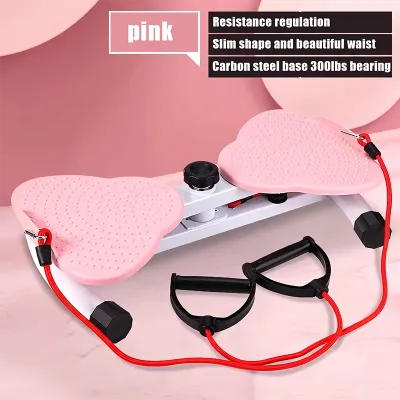
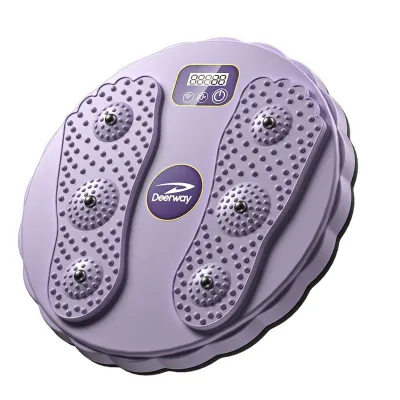
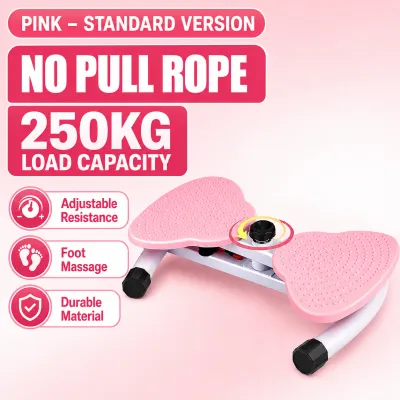
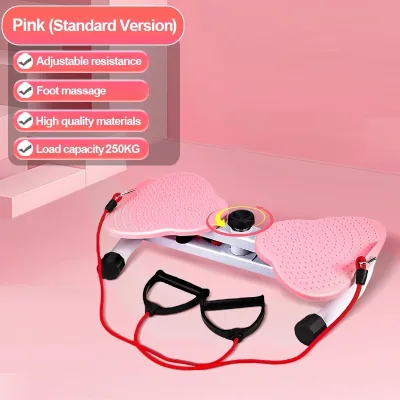
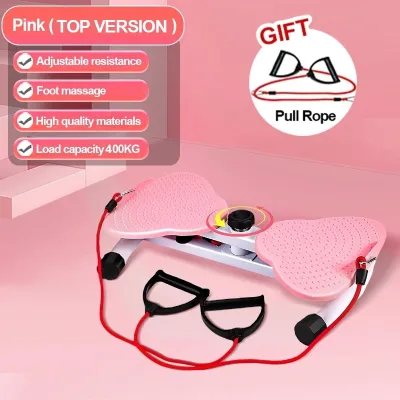
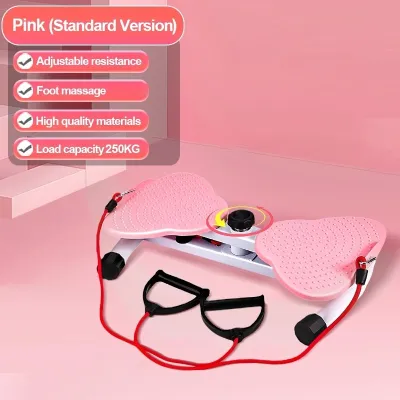
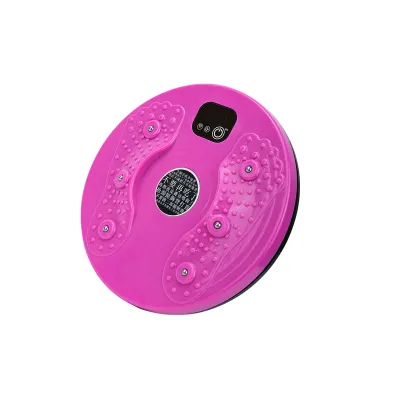
Prices are valid at publication and may change. Please refer to the product page for the latest price.
First, identify the resistance type that matches your current core strength. Beginners often benefit from simple bodyweight-only discs or models with supportive handlebars, while intermediate and advanced users should look for adjustable magnetic or friction resistance systems to allow for progressive training.
Second, prioritize build quality and stability markers. A reliable machine must feature a heavy-duty steel frame, a wide base footprint, and a verified weight capacity that comfortably exceeds your body weight. Non-slip rubber feet are also essential to prevent the machine from sliding on your home flooring during active twisting motions.
Finally, consider the physical space available in your home. You need to account for both the static footprint of the machine and the dynamic clearance zone required for your body to twist safely without hitting walls, furniture, or low ceilings.
Comparing Resistance Mechanisms for Core Training
Waist twister machines utilize different systems to provide resistance during your workouts. Understanding how these mechanisms function will help you choose a model that aligns with your training intensity and maintenance preferences.

Bodyweight-Only Resistance Systems
Bodyweight-only twisters consist of a simple rotating platform, often referred to as a twist board. These devices rely entirely on your body weight and the friction of the internal bearings to create a smooth rotating motion.
Because they lack an active resistance system, your core muscles must work harder to control the deceleration and acceleration of each twist. These models are highly portable, affordable, and excellent for beginners or those focusing on mobility and balance rather than high-intensity strength training.
Friction Resistance Systems
Friction-based machines use a mechanical brake pad or strap that presses against the rotating flywheel or platform. By tightening a tension knob, you increase the physical friction, making it harder to twist.
While friction systems offer a wide range of resistance levels at a relatively low cost, they are prone to wear and tear. The friction pads will eventually degrade over time and require replacement, and they can generate a small amount of mechanical noise during operation.
Magnetic Resistance Systems
Magnetic resistance machines use a series of magnets positioned near a metal flywheel. As you adjust the resistance level, the magnets move closer to or farther from the flywheel, altering the magnetic drag without making physical contact.
This non-contact design makes magnetic twisters exceptionally quiet and virtually maintenance-free. They provide a smooth, consistent feel throughout the entire rotation, making them ideal for quiet home environments or apartments where noise is a concern.
Adjustability and Progressive Overload
To build core strength over time, your muscles need to be challenged with gradually increasing resistance. If you plan to use the machine for long-term strength training, look for models that offer clear, adjustable resistance levels.
Verify if the machine uses a continuous tension knob or indexed levels. Indexed levels (such as 1 to 8) make it much easier to track your progress and ensure consistent training intensity from one workout to the next.
Noise Levels and Maintenance Requirements
Noise is a critical factor for home gym equipment, especially if you share your living space with family members or neighbors. Magnetic systems are the quietest option, followed by high-quality bodyweight discs with sealed ball bearings.
Friction systems and lower-end models with plastic bushings tend to produce more squeaking or grinding noises. Consider how much time you are willing to spend on maintenance, as friction pads and open bearing systems require regular cleaning and lubrication to stay quiet and functional.
Inspecting Build Quality and Stability Indicators
Your safety on a waist twister machine depends heavily on its structural integrity. Because twisting exercises shift your center of gravity dynamically, the machine must remain perfectly stable under load.
Frame Materials and Welding Quality
High-quality waist twisters feature frames constructed from heavy-gauge steel. When evaluating models online, look for specifications that mention steel tubing or powder-coated steel finishes.
In humid tropical climates, such as in the Philippines, a durable powder-coated finish is essential to protect the steel frame from rust caused by sweat and ambient moisture. Inspect product photos closely for clean, continuous welds rather than small spot welds, which can crack under repeated stress.
Base Footprint and Center of Gravity
An unstable base can cause the machine to tip or slide, leading to potential injury. Look for machines with a wide, low-profile base that keeps your center of gravity close to the ground.
Key Stability Features to Verify:
- Wide Base Stabilizers: Extended steel feet that spread the machine's weight over a larger surface area.
- Non-Slip Rubber Caps: Thick, textured rubber feet on the base that grip tiled, wooden, or concrete floors securely.
- Low Platform Height: A rotating platform that sits close to the floor, minimizing the risk of losing your balance.
Weight Capacity and Pivot Joint Construction
The manufacturer’s stated weight capacity is a direct indicator of the machine’s structural strength. Always choose a machine with a weight limit that provides a safety buffer of at least 20% above your actual body weight.
Equally important is the construction of the pivot joint. High-quality machines use sealed steel ball bearings to facilitate the rotating motion, ensuring a smooth glide and long lifespan. Avoid models that use cheap plastic bushings, as they wear out quickly under heavy loads and cause a jerky, uneven rotation.
Aligning Space, Ergonomics, and Fitness Levels
Before making a purchase, you must ensure the machine physically fits your home environment and matches your body’s biomechanical needs.
Measuring Floor Space and Clearance
While a waist twister might have a small static footprint, you must calculate the dynamic clearance zone required during actual use. This is especially important if you choose a model with handlebars.
Measure your available floor space and ensure you have at least one meter of clear space on all sides of the machine. This prevents your arms, hips, or handlebars from striking nearby walls, furniture, or other gym equipment during wide twists.
Handlebar Adjustability and Grip Comfort
If you select a model with handlebars, adjustability is crucial for maintaining proper spinal alignment. Handlebars that are too low will force you to hunch forward, placing unnecessary strain on your lower back.
Look for height-adjustable handlebars that allow you to stand tall with a slight bend in your knees. The grips should be covered in high-density foam or textured rubber to prevent your hands from slipping when they get sweaty.
Footplate Sizing and Texture
Your feet must remain securely planted on the rotating platform throughout your workout. Check the dimensions of the footplates to ensure they can comfortably accommodate your shoe size.
Footplate Safety Checklist:
- Textured Surface: Raised patterns or molded ridges that provide traction for athletic shoes.
- Anti-Slip Mats: Integrated rubber pads on the platform to prevent sliding.
- Foot Straps or Borders: Raised edges or adjustable straps that keep your feet centered on the disc.
Matching Machine Complexity to Your Fitness Level
Choose a machine that matches your current physical capabilities. Beginners should look for models with sturdy, fixed handlebars that offer balance support as they get used to the twisting motion.
Intermediate and advanced users may prefer freestanding discs that challenge their core stability, or heavy-duty machines with adjustable resistance to perform high-intensity rotational training. Selecting a machine that is too complex or unstable for your current level can lead to poor form and joint strain.
Building a Conditional Shortlist and Pre-Purchase Checks
Once you understand the key features, you can begin comparing specific models available on online marketplaces. Use a structured approach to filter out low-quality options and find the best value for your budget.
Creating a Comparison Matrix
Build a simple comparison table of the models you are considering. Focus on objective, verifiable specifications rather than marketing adjectives.
Compare the verified weight capacity, overall dimensions, resistance type, and handlebar adjustability. If you are working with a specific budget—for example, looking for a reliable entry-level model under ₱2,000 or a premium magnetic machine closer to ₱5,000—this matrix will help you identify which model offers the most robust features for your investment.
Analyzing User Reviews for Red Flags
User reviews on ecommerce platforms can provide valuable insights into how a machine performs over time. Look past the initial five-star ratings and search for specific, recurring feedback.
Pay close attention to complaints about squeaking pivot joints, wobbling bases, or parts that loosen during use. If multiple users report that the non-slip rubber feet fall off or that the resistance knob stops working after a few weeks, it is best to remove that model from your shortlist.
Verifying Warranty and Assembly Requirements
Before checking out, verify the seller’s warranty terms and return policies. A reputable manufacturer should offer at least a six-month warranty on structural components like the steel frame and pivot joint.
Additionally, check if the machine requires extensive assembly. Some models ship fully assembled, while others require basic tools to attach the handlebars and base stabilizers. Ensure the product listing includes clear assembly instructions or that the seller provides the necessary tools in the package.
Frequently Asked Questions (FAQ)
Are waist twister machines effective for spot reduction?
No, waist twister machines cannot spot-reduce fat from your midsection. Spot reduction is a physiological myth; your body burns fat systemically across the entire body rather than from one specific targeted area.
However, these machines are highly effective for strengthening the obliques, transverse abdominis, and lower back muscles. By building these muscles and improving your overall core strength, you can support better posture and create a more toned appearance when combined with a balanced diet and regular cardiovascular exercise.
How much floor space do I need for safe operation?
At a minimum, you should allocate a clear floor area of approximately 1.5 meters by 1.5 meters for safe operation. While the physical base of the machine may only measure 60 centimeters wide, your body requires extra lateral clearance as your hips and arms rotate.
If your machine has handlebars, ensure they do not come into contact with nearby walls or furniture at the maximum angle of your twist. If you are placing the machine on tiled or polished wooden floors common in local homes, place a thin rubber exercise mat underneath to prevent the machine from shifting and to protect your flooring from scratches.
What maintenance is required to keep the pivot joint smooth?
To keep the pivot joint rotating smoothly and quietly, perform a quick visual inspection every few weeks to check for loose bolts or worn parts. Wipe down the rotating platform and handlebars after every workout to prevent sweat and moisture from corroding the metal components.
If the pivot joint begins to squeak or feel stiff, consult the manufacturer’s manual for specific lubrication instructions. Most high-quality machines with sealed bearings do not require frequent lubrication, but simpler models may benefit from a small application of silicone-based lubricant to the bearing track as directed by the manufacturer.
Community discussion
Share your experience or ask a question. Comments are reviewed before publication.