
Choosing the right weighted hula hoop depends on your height, waist circumference, and current fitness level. A hoop that matches your body dimensions and physical strength ensures a comfortable, effective workout without unnecessary bruising or muscle strain. To find your ideal fit, balance the hoop’s weight with its diameter, which should ideally reach from the floor to your waist or navel when standing upright.
In the Philippines, where indoor workouts are popular during rainy seasons and high-humidity afternoons, selecting the right material is also essential. A well-fitted hoop allows you to maintain a steady rhythm, engage your core muscles effectively, and enjoy a low-impact aerobic workout right in your living room.
Why Weight and Size Matter for Your Workout
The mechanics of a weighted hula hoop rely on a balance of physics and biomechanics. Unlike traditional toy hoops, which are lightweight and require rapid, high-energy hip movements to stay up, a weighted hoop uses its mass to generate momentum. This added momentum makes the hoop spin slower, giving you more time to react and coordinate your movements. However, a common misconception is that a heavier hoop automatically yields a better workout.
Products mentioned in this guide
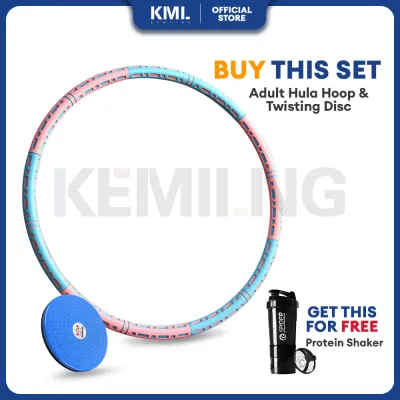

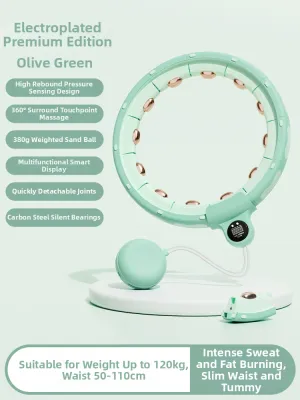
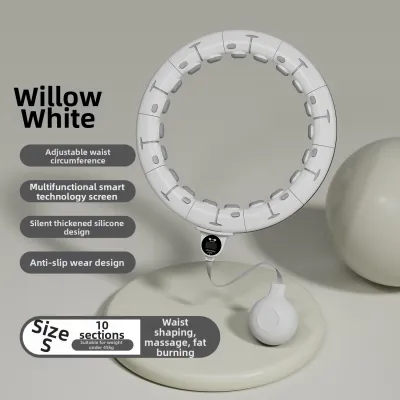
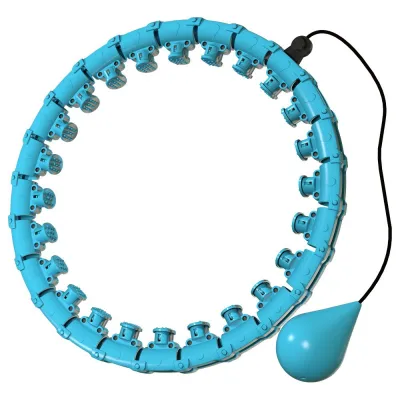
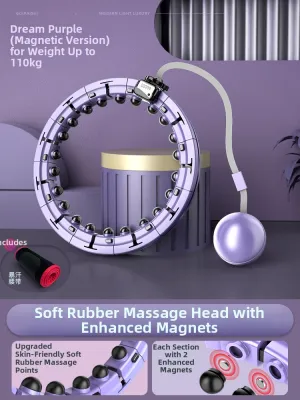
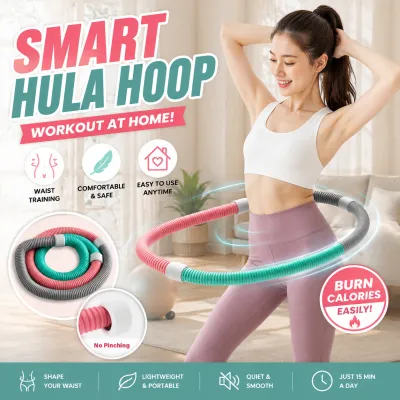
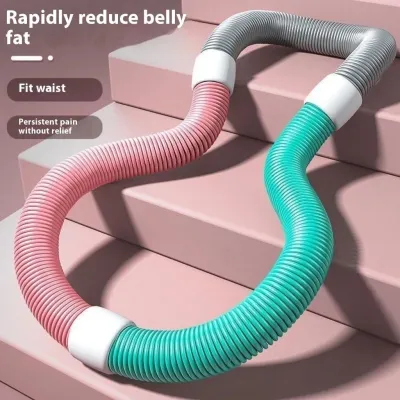
Prices are valid at publication and may change. Please refer to the product page for the latest price.
In reality, an excessively heavy hoop requires your core muscles to work under intense, localized stress before they are properly conditioned. This can lead to lower back strain, abdominal soreness, or deep tissue bruising. Conversely, if a hoop is too light, you may struggle to maintain momentum, forcing you to move your hips frantically and compromise your posture.
The physical size, or diameter, of the hoop dictates the speed of rotation and the space required for your workout. A larger hoop has a wider orbit, meaning it travels slower around your body, making it easier to keep up. A smaller hoop rotates much faster, demanding quicker hip transitions and higher cardiovascular effort. If the hoop’s diameter is too large for your height, you may find yourself hunching or overextending your hips to keep it spinning, which can lead to joint discomfort over time.
Decoding the Key Specifications
Before purchasing a weighted hula hoop from an online marketplace or local sports store, it is important to understand how to read its product specifications. Evaluating these details beforehand helps you avoid the hassle of returning an unsuitable item. Focus closely on three primary parameters: weight, diameter adjustability, and outer materials.

Weight: Finding the Right Resistance
The weight of the hoop acts as resistance against your abdominal, obliques, and lower back muscles. This resistance forces your core to contract continuously to keep the hoop in motion. For most adults, starting with a hoop weighing between 1.0 and 1.2 kilograms is highly recommended, as this range provides sufficient feedback without overloading your tissues.
As you build core strength and master the proper hip-sway technique, you can gradually transition to heavier options. However, you should avoid jumping directly to hoops weighing 2.0 kilograms or more without prior conditioning. Excessive weight does not accelerate fat loss; instead, it frequently causes painful bruising along the hip bones and ribs. Always verify the manufacturer’s recommended weight limits and progressive loading guidelines to ensure you are training within safe boundaries.
Diameter and Adjustability: Matching Your Body Type
To estimate the correct hoop diameter, stand barefoot on a flat floor and measure the distance from the ground to your belly button or waist. The ideal outer diameter of your hoop should fall within this measured range. If you fall between sizes, your physical build and height should guide your choice.
Taller individuals or those with larger waist circumferences generally require a larger hoop diameter to maintain a natural, comfortable rhythm. If the hoop is too small, the rotation will be too rapid to control comfortably. Fortunately, many modern fitness hoops feature detachable, interlocking segments. This adjustable design allows you to add or remove sections to customize the diameter, making it easy to share the hoop with family members or reduce the size as your coordination improves.
Material and Padding: Comfort and Grip
The outer surface of the hoop directly contacts your skin or clothing, making material choice vital for comfort. Common options include high-density EVA foam, soft silicone, and bare plastic. Soft foam or silicone padding provides essential shock absorption, cushioning the impact against your abdomen and hips during long sessions.
In the warm, humid climate of the Philippines, workouts can quickly lead to heavy sweating. Therefore, look for hoops wrapped in moisture-resistant, non-porous, and easy-to-clean padding. Absorbent, low-quality foam can trap sweat and develop unpleasant odors over time. Additionally, verify that the inner core of the hoop is constructed from robust materials like stainless steel or reinforced plastic, ensuring that the weight distribution remains perfectly balanced and does not warp during use.
Matching Specs to Your Fitness Level and Goals
Your selection should align directly with your current physical capabilities and what you hope to achieve during your workouts. Choosing a hoop based solely on what looks challenging can lead to frustration and abandoned fitness goals.
Beginners vs. Advanced Users
If you are new to hooping, your primary goal is to build muscle memory and coordination. Beginners should prioritize a moderately weighted hoop (around 1.0 to 1.3 kilograms) with a larger diameter. The larger size slows down the rotation, giving your brain and muscles more time to sync with the movement. Ensure the hoop has thick, high-quality padding to minimize initial skin sensitivity and mild bruising as your body adapts to the pressure.
Advanced users who have already mastered the fundamental hip motion can transition to smaller diameters and heavier weights. A smaller hoop demands faster, more explosive hip movements to keep it from falling, which intensifies the workout. Heavier weights can be introduced progressively to increase core resistance, provided you maintain perfect posture throughout the session.
Core Strengthening vs. Cardio Focus
For those targeting deep core stabilization and muscle toning, a slightly heavier, smaller hoop is highly effective. The compact diameter forces you to execute quick, controlled muscle contractions, while the extra weight demands continuous engagement of the abdominal wall.
If your goal is cardiovascular endurance and high calorie expenditure, opt for a lighter, larger hoop. This setup allows you to sustain a continuous rhythm for 20 to 30 minutes without experiencing localized muscle fatigue or soreness. The lighter weight reduces the physical impact on your joints, letting you focus entirely on keeping your heart rate up in a steady aerobic zone.
Safety Guidelines and Usage Limits
While weighted hula hooping is an excellent low-impact exercise, it must be approached with caution to prevent injuries. Beginners should limit their initial sessions to 5 to 10 minutes per day. This allows your skin, connective tissues, and core muscles to adapt to the constant impact. If you experience sharp, deep, or persistent pain, stop the activity immediately.
Wearing the right clothing can make a significant difference in your safety and comfort. Choose fitted, moisture-wicking athletic wear that covers your torso. Loose t-shirts or oversized shorts can easily catch on the hoop, disrupting its path and causing you to lose balance. A fitted shirt also provides a thin, protective barrier against friction, reducing the risk of skin chafing.
If you have any pre-existing medical conditions, particularly those involving the lower back, spine, pelvis, or abdominal wall, consult a qualified healthcare professional before starting. A weighted hula hoop is a physical fitness tool designed to enhance core strength and support your active lifestyle. It is not a medical device, nor does it possess the ability to spot-reduce fat from specific areas of the body. Sustainable fitness comes from combining consistent hooping with a balanced diet and overall physical activity.
Frequently Asked Questions (FAQ)
Can a weighted hula hoop cause internal organ damage?
When used correctly with appropriate weights (under 2 kilograms) and for reasonable durations, a weighted hula hoop is safe and targets only the skeletal muscles of your core. However, using excessively heavy hoops or hooping through severe pain can strain deep abdominal tissues. Always stop immediately and consult a doctor if you experience deep, internal, or persistent abdominal pain.
How do I keep my hula hoop from falling down?
If your hoop keeps falling, it is often because the diameter is too small or the hoop is too light for your current skill level. A larger hoop rotates slower, giving you more time to push against it. Ensure you are stepping one foot forward for balance and pushing your hips forward and backward, rather than moving them in a wide circle.
Is it safe to use a weighted hula hoop every day?
It is best to avoid daily sessions when you are starting out. Your abdominal muscles and skin need time to recover from the repetitive impact. Limit your sessions to three or four times a week, alternating your hooping routine with other low-impact exercises or rest days to prevent overuse injuries and localized bruising.
Community discussion
Share your experience or ask a question. Comments are reviewed before publication.