
Finding the right boxing gloves for your child is not just about picking a favorite color or matching their age. In youth sports, proper equipment sizing is a fundamental safety requirement. Using the wrong glove weight can lead to hand fatigue, poor technique, or even joint injuries as young bones continue to develop. To ensure your child stays safe and enjoys their training, you must balance the weight of the glove with their physical size and the type of boxing activities they perform.
Quick Answer: Which Glove Weight Fits Your Child?
For a quick starting point, parents can look at a general industry baseline. Typically, children aged 3 to 7 years old use 4oz or 6oz gloves, while older children aged 8 to 12 years old transition to 8oz or 10oz gloves. However, age is merely a rough guideline and should never be the sole deciding factor. A child’s physical hand circumference, overall body weight, and the specific training activities they perform are the true indicators of the correct glove weight.
The core decision rule is simple: always measure your child’s hand circumference and cross-reference those dimensions with the manufacturer’s specific sizing chart before purchasing. Because youth boxing equipment is not standardized, relying on age alone can result in a glove that is either too loose, risking wrist injury, or too tight, causing painful pinching and restricted circulation.
Products mentioned in this guide
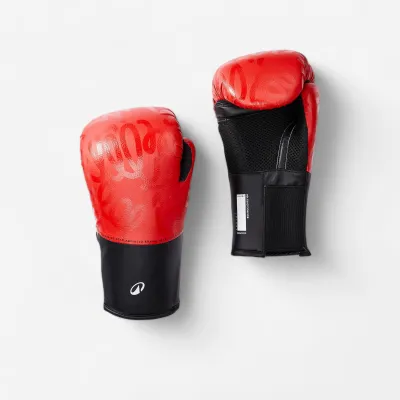
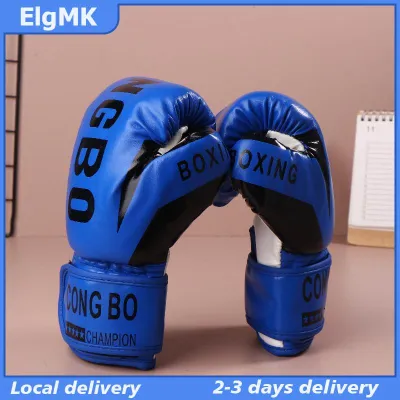
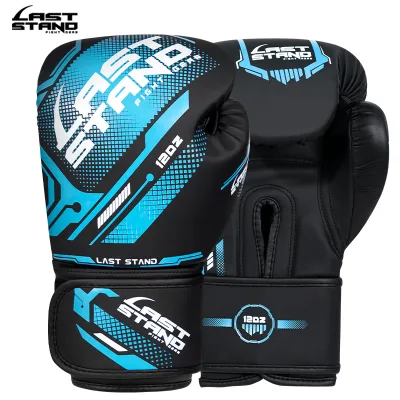
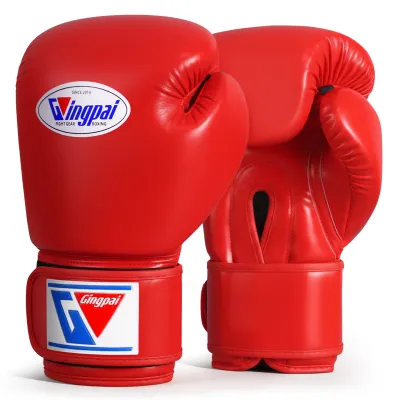
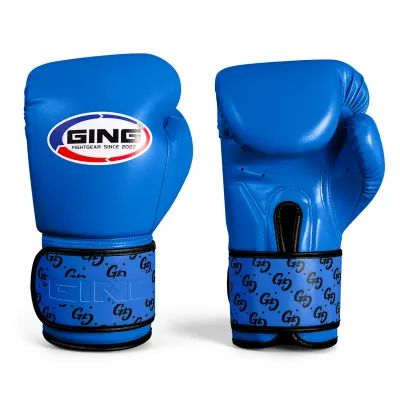
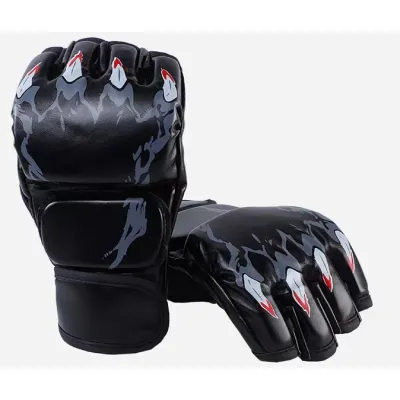
Prices are valid at publication and may change. Please refer to the product page for the latest price.
Comparing Common Kids Boxing Glove Weights
Youth boxing gloves are categorized by weight in ounces (oz), which directly corresponds to the amount of protective foam padding inside the glove. Standard increments for kids include 4oz, 6oz, 8oz, and 10oz. As the weight increases, the glove offers more padding to absorb impact, but it also adds resistance that can tire out young shoulders.

Understanding how glove weight correlates with padding thickness, hand protection, and overall muscle fatigue is essential for making an informed choice. Heavier gloves provide a thicker barrier between the knuckles and the target, which is vital for impact training. However, if the glove is too heavy for the child’s current muscle development, it will cause rapid fatigue, leading to dropped hands and compromised form. Furthermore, “kids” sizing varies significantly by brand, making the internal hand compartment size just as critical as the weight label on the outside.
4oz and 6oz: Toddlers and Light Beginners
The lightest youth gloves, typically weighing 4oz and 6oz, are designed for the youngest athletes and beginners. The target profile for these weights consists of toddlers and younger children, generally between the ages of 3 and 7, or older children with exceptionally small hand circumferences. These gloves feature a very small internal compartment and minimal padding, keeping the overall weight low so that young children can move their arms freely without straining their shoulders.
The intended use for 4oz and 6oz gloves is strictly limited to non-impact or very low-impact activities. These include shadowboxing, light focus mitt work, and introductory martial arts classes where the focus is on learning basic stances and movement patterns. At this stage, the gloves serve more as a tool for building coordination and familiarity with the sport rather than absorbing heavy forces.
Because of their minimal padding, these light gloves have severe limitations. They do not provide sufficient protection for heavy bag work or any form of sparring. If a child strikes a hard surface with 4oz or 6oz gloves, the impact can easily transfer to their developing wrist and hand bones. Strict adult supervision is mandatory during use to ensure children do not attempt to hit heavy targets, and parents must constantly check that the child’s wrist remains straight and aligned during movement.
8oz and 10oz: Older Children and Pad Work
As children grow and their training intensifies, they will need to transition to 8oz and 10oz gloves. The target profile for these heavier weights includes older children, typically ages 8 to 12 and above, as well as younger children who have larger hand sizes or are exceptionally strong for their age. These gloves offer a larger internal hand compartment and a substantial increase in protective foam padding.
The intended use for 8oz and 10oz gloves covers a much wider range of impact activities. These weights are suitable for regular focus mitt drills, heavy bag work, and controlled, supervised technical sparring if permitted by the gym instructor. The extra padding is designed to absorb the higher forces generated by older children, protecting both the wearer’s hands and their training partners.
Several progression markers indicate when a child is ready for this transition. When a child’s body weight increases, their natural punching power grows accordingly. The extra padding of an 8oz or 10oz glove becomes necessary to protect the knuckles and wrist joints from the shock of hitting a heavy bag. Additionally, training in warm, humid environments, such as local gyms in the Philippines, means that hands will sweat more; the larger compartments of 8oz and 10oz gloves allow for better airflow and accommodate the necessary hand wraps more comfortably.
Matching Glove Weight to Activity and Skill Level
To select the ideal glove weight, you must match the equipment to the specific activities your child will perform in the gym or at home. Boxing training generally falls into two categories: non-impact activities and impact activities. Non-impact activities, such as shadowboxing, fitness drills, and footwork practice, require very little protection, meaning lighter gloves are often preferred to keep the child from tiring out too quickly.
Conversely, impact activities—which include hitting heavy bags, working on focus pads, and engaging in supervised sparring—demand a heavier glove with more padding. When a child strikes a solid target, the kinetic energy travels back up their arm. A heavier glove is mandatory for these activities because the dense foam layers absorb this shock, protecting the delicate growth plates and small bones in a child’s hand from stress fractures and bruising.
However, parents must navigate a critical trade-off when choosing heavier gloves. While more padding offers better protection, heavier gloves cause faster muscle fatigue in the shoulders, arms, and back. If a beginner is given a glove that is too heavy for their current strength level, their hands will drop, their wrists will bend upon impact, and their overall technique will deteriorate. This degradation of form actually increases the risk of injury, defeating the purpose of the extra padding. Therefore, the glove must be heavy enough to protect the hand during impact but light enough for the child to maintain proper form throughout their session.
How to Measure Hand Size and Verify the Fit
To ensure you purchase the correct size, you must measure your child’s hands accurately rather than guessing based on age or weight. You will need a soft, flexible measuring tape to take two primary measurements. First, measure the hand circumference by wrapping the tape around the knuckles of the dominant hand, excluding the thumb, while the hand is open. Second, measure the hand length from the base of the palm (at the wrist crease) to the tip of the middle finger.
Once you have these measurements, compare them directly to the brand-specific sizing chart provided by the manufacturer. Keep in mind that sizing is not universal; a 6oz glove from one brand may fit tightly, while another brand’s 6oz glove might feel loose. If you are purchasing from an online marketplace, look closely at the customer feedback regarding fit and check the seller’s return policy so you can easily exchange the gloves if the sizing is incorrect.
Before finalizing your choice, always perform the hand wrap test. Children should try on the gloves while wearing their hand wraps or inner gloves. The wraps add bulk, and the glove must accommodate this extra layer while still maintaining a snug, secure fit.
- Check the fingers: The child's fingertips should not be crammed against the top of the glove, but there should not be excessive empty space either.
- Verify the wrist: The wrist strap should wrap tightly around the wrist joint, providing stiff support without cutting off circulation or pinching the skin.
- Assess the thumb: The thumb compartment should keep the thumb in a natural, slightly curved position close to the fist to prevent hyperextension.
Safety Checks and When to Upgrade
Regular equipment inspections are vital to keeping young athletes safe during training. Before every session, perform a quick pre-session check of the gloves. Inspect the hook-and-loop velcro straps to ensure they still grip tightly and do not slip during movement. Press down on the knuckle area to check for compressed, shifting, or degraded padding; if you can feel the shape of the knuckles easily through the foam, the padding has worn out and the gloves must be replaced.
Parents and coaches should also watch for warning signs during training. If a child complains of wrist pain, knuckle soreness, or bruising after a workout, the gloves are likely failing to absorb impact or do not fit correctly. Another major red flag is if the child’s hand slides around excessively inside the glove compartment, which indicates the glove is too large and cannot support the wrist properly during a punch.
There are three primary triggers that signal it is time to upgrade your child’s boxing gloves:
- Outgrowing the compartment: The child's hand feels cramped, or their fingers are pressed hard against the front of the glove even without hand wraps.
- Transitioning training styles: Moving from simple shadowboxing and light pad work to heavy bag drills or technical sparring requires a heavier, more protective glove.
- Increased punching power: As the child grows stronger and heavier, their punches carry more force, necessitating thicker padding to protect their joints.
Additionally, training in a tropical climate like the Philippines requires extra care to prevent material degradation. High humidity and sweat can cause the inner lining of the gloves to rot or develop mold, which weakens the structure and creates unpleasant odors. Always air out the gloves in a well-ventilated area after every session, avoid leaving them inside a damp gym bag, and consider using glove deodorizers or moisture-absorbing inserts to extend their lifespan.
Frequently Asked Questions (FAQ)
Can my child use adult 10oz gloves if they are tall for their age?
No, children should not use adult 10oz gloves, even if they are tall or heavy for their age. While the weight of the glove is the same, the structural design is entirely different. Youth boxing gloves are specifically engineered with smaller internal hand compartments, shorter finger pockets, and narrower wrist straps to match the bone structure of a developing child. An adult 10oz glove will have a much larger hand compartment, causing the child’s hand to slide around inside. This lack of a snug fit prevents proper wrist alignment and knuckle placement, significantly increasing the risk of wrist sprains and hand injuries upon impact.
Do kids need hand wraps under their boxing gloves?
Yes, children should wear hand wraps or protective inner gloves under their boxing gloves, especially when performing any form of impact training. Hand wraps play a crucial role in stabilizing the wrist joint, keeping the knuckles aligned, and compressing the small bones in the hand to prevent fractures. For very young children using 4oz or 6oz gloves for light shadowboxing, simple slip-on inner gloves may be sufficient. However, for any bag work, pad drills, or sparring, traditional hand wraps are highly recommended. Additionally, in hot and humid climates, wraps serve the practical purpose of absorbing sweat, which keeps the inside of the gloves dry and prevents the growth of bacteria and mold. Always remember to measure your child’s hands with wraps on when verifying the fit of a new pair of gloves.
Community discussion
Share your experience or ask a question. Comments are reviewed before publication.