
To roll smoothly over outdoor surfaces like rough asphalt, concrete pathways, and debris-strewn barangay roads, you need outdoor roller skate wheels that prioritize shock absorption, grip, and stability. The ideal outdoor setup generally features softer polyurethane wheels (typically rated between 78A and 85A on the durometer scale) paired with a moderate diameter (usually 58mm to 65mm) to help you glide over cracks, pebbles, and uneven pavement without losing your balance. Selecting the right combination depends on your local skating environment, your skill level, and how your skate frame is built.
Understanding Wheel Hardness for Rough Surfaces
Outdoor skating in tropical environments often means dealing with sun-baked, uneven asphalt, dusty concrete, and sudden patches of sand or gravel. Wheel hardness is measured using the durometer “A” scale, where lower numbers indicate softer wheels and higher numbers indicate harder ones. For outdoor environments, manufacturers typically specify a softer range, often between 78A and 85A. These softer polyurethane compounds are designed to compress slightly under pressure, absorbing the harsh vibrations of rough terrain and preventing those vibrations from traveling up into your feet and legs.
This compression also increases the wheel’s contact patch with the ground, providing a higher level of grip. When you encounter dusty pavement or smooth outdoor tiles that might be slick from humidity, a softer wheel clings to the surface rather than sliding out from under you. However, because polyurethane formulas and physical properties can vary slightly between different brands, it is always wise to check the specific product label and manufacturer specifications. A 78A wheel from one manufacturer might feel slightly different from another’s due to the core design and chemical composition, so verifying these details before purchasing is key to getting the ride quality you expect.
Products mentioned in this guide
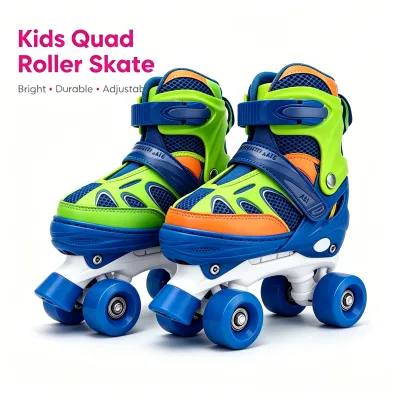
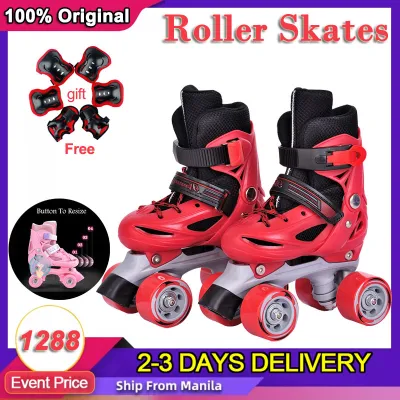
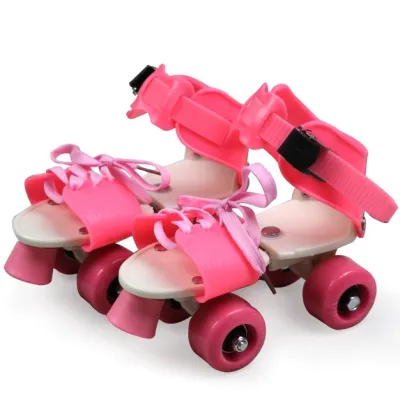
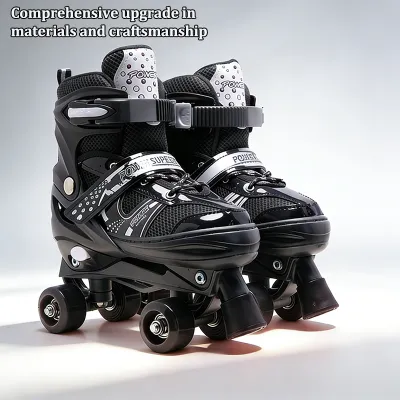
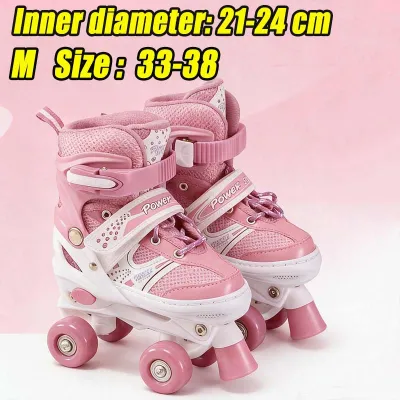
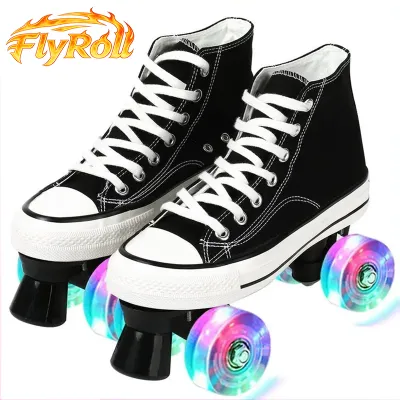
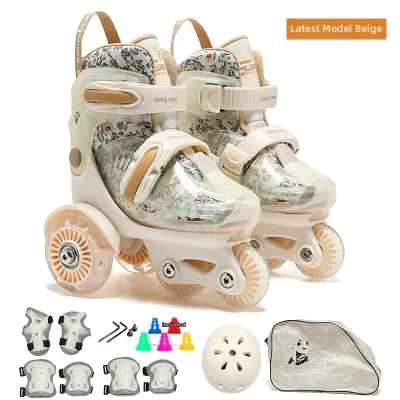
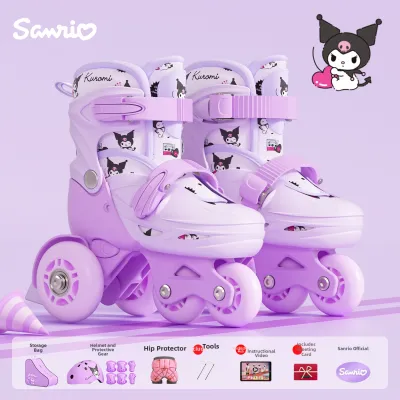
Prices are valid at publication and may change. Please refer to the product page for the latest price.
Selecting the Ideal Wheel Size and Profile
The physical dimensions of your wheels—specifically their diameter and profile—directly dictate how your skates handle obstacles and maintain speed. Smaller diameter wheels, such as those measuring 57mm to 62mm, keep your center of gravity lower to the ground. This lower profile offers excellent stability and agility, making it easier to maintain your balance when rolling over small pebbles, twigs, or sudden cracks in the pavement. For beginners or those skating on unpredictable neighborhood streets, a smaller, wider wheel provides a reassuring sense of control.

Conversely, the width of the wheel’s contact patch—the portion of the urethane that actually touches the ground—plays a major role in stability. A wider profile distributes your weight over a larger surface area, which enhances grip and helps prevent the wheel from getting caught in pavement seams. If you regularly skate on smooth park trails, you might opt for a slightly taller, narrower wheel to maximize your roll time and speed. For heavily cracked asphalt or rough concrete plazas, a wider, highly stable wheel profile is much more reliable for navigating obstacles safely.
Matching Wheel Specs to Your Skating Style
Your experience level and what you plan to do on your skates should heavily influence your final wheel selection. Beginners generally benefit most from maximum grip and shock absorption, making a very soft (78A) and wide wheel the safest starting point. As you build confidence and leg strength, you might transition to a slightly firmer wheel (such as an 82A or 85A) or a larger diameter to achieve higher speeds and longer glide times with less physical effort.
Different outdoor activities also demand specific wheel characteristics. If you enjoy casual cruising or long-distance fitness skating along seaside esplanades, larger wheels (62mm to 65mm) with a soft durometer will help you maintain momentum over long distances while minimizing fatigue. If you prefer outdoor dance or jam skating, you may want a smaller, slightly harder wheel that allows for quick pivots and spins on smooth concrete surfaces. Regardless of the setup you choose, always test your new wheels in a flat, enclosed, and traffic-free area before heading out onto busy public roads or highly uneven paths.
Checking Compatibility and Upgrading Your Setup
Before purchasing a new set of outdoor wheels, you must verify that they will physically fit your existing skate frames. Skate plates and frames have strict physical limits on the maximum wheel diameter they can accommodate. If you install wheels that are too large, they may rub against the bottom of your boot or the frame itself, which can cause the wheels to seize suddenly while you are moving. Measure the clearance on your current setup or consult the manufacturer’s specifications to find the maximum allowable diameter.
Additionally, check the compatibility of your wheel hubs and bearings. Most standard roller skates use 8mm bearings, but some older or specialized models use 7mm axles. Ensure your new wheels are designed to accept the bearing size and hub type you currently own. When installing your new components, always follow the official installation guides provided by the skate and wheel manufacturers. If you encounter any resistance, notice an uneven fit, or feel unsure about the mechanical safety of your assembly, stop immediately and consult a qualified professional at a local skate shop to prevent damage or injury.
Frequently Asked Questions (FAQ)
Can I use indoor wheels for outdoor skating?
Using hard indoor wheels on rough outdoor surfaces is highly discouraged due to safety and performance risks. Indoor wheels, typically rated 90A to 103A, are designed for smooth, grippy surfaces like wood rinks or polished concrete. On outdoor asphalt, these hard wheels cannot absorb shock, resulting in intense vibrations that quickly cause foot fatigue and joint discomfort. Furthermore, hard wheels lack the necessary grip on dusty or uneven outdoor pavement, greatly increasing your risk of slipping, losing traction, and falling when encountering minor debris.
How often should I rotate or replace my outdoor wheels?
Outdoor wheels wear down faster than indoor ones due to the abrasive nature of concrete and asphalt. You should visually inspect your wheels regularly for uneven wear patterns, such as a sharp angle developing on the inside edges from pushing off, or flat spots caused by T-stops and hard braking. To extend their lifespan and maintain consistent handling, implement a standard rotation pattern—such as swapping your inner and outer wheels and moving them from front to back—every few weeks depending on how often you skate. If you notice deep cracks, chunking urethane, or if the wheel diameter has worn down unevenly past the point of rotation, it is time to replace the set entirely.
Community discussion
Share your experience or ask a question. Comments are reviewed before publication.