
Quick Answer: Core Criteria for a Referee Whistle Strap
In the tropical climate of the Philippines, where high humidity and sudden downpours are common during football matches, the best whistle strap must prioritize sweat resistance, secure attachment, and quick-release safety. A reliable setup for active match environments involves a lightweight, quick-drying synthetic strap—such as high-grade polyester or silicone—paired with a secure, rust-proof connector. This combination ensures the whistle remains instantly accessible without bouncing excessively or causing skin chafing during rapid sprints across the pitch.
For referees navigating intense 90-minute matches, a wrist strap or an adjustable neck lanyard with a breakaway safety clasp offers the ideal balance of security and accessibility. Choosing a strap that matches your physical movement patterns and officiating style prevents distracting gear adjustments, allowing you to maintain complete focus on the game.
Key Features to Evaluate Before Buying
When officiating a football match, every piece of equipment must perform flawlessly under physical stress. Evaluating a whistle strap requires looking beyond basic aesthetics to analyze structural integrity, material performance, and ergonomic design. Checking these dimensions on product listings or packaging helps prevent mid-match failures, such as snapped cords or lost whistles, which can disrupt the flow of the game and undermine a referee’s authority.
Products mentioned in this guide
![[COD] CISWGE SPORTS Football Soccer Referee Plastic Whistle Lanyard Emergency Loud Sound](https://img.lazcdn.com/g/p/b29fab20457b7aec679f23eb11aff2bc.jpg_400x400q80.jpg_.webp)
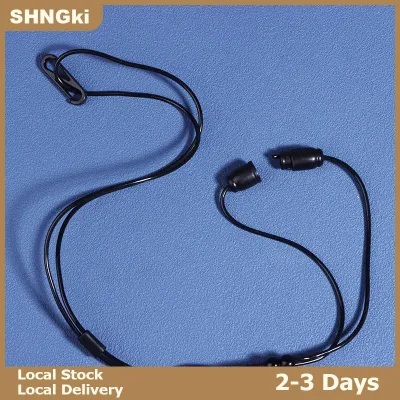
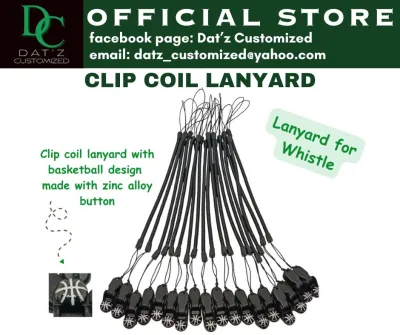
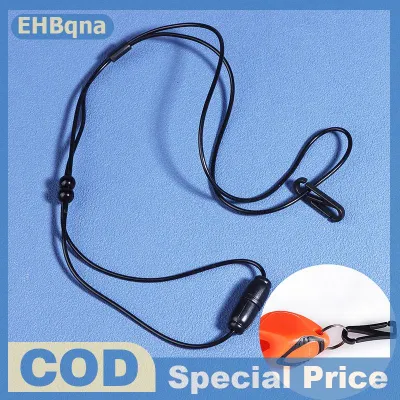
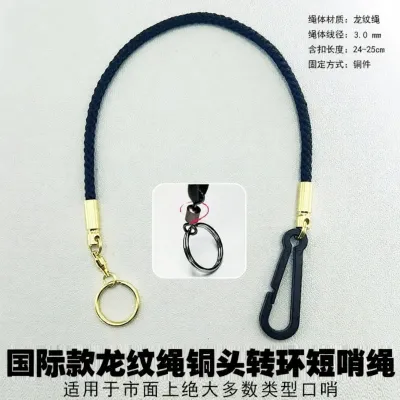
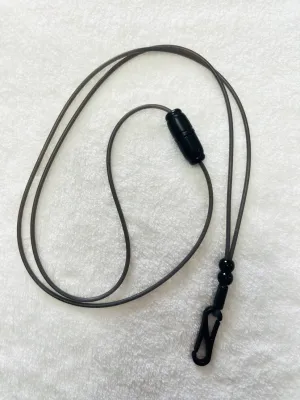
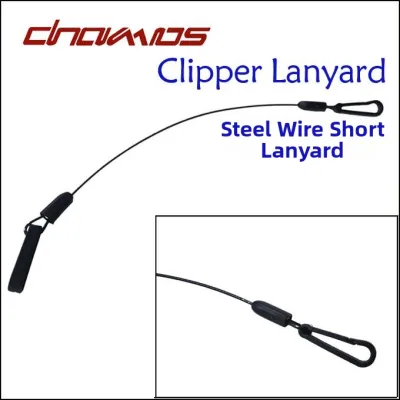
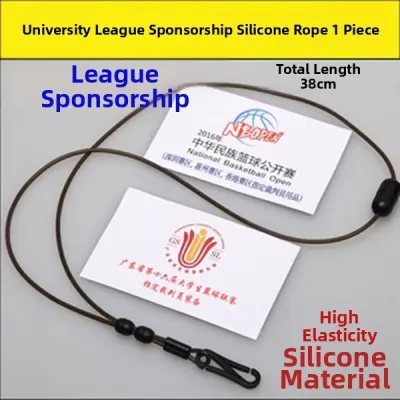
Prices are valid at publication and may change. Please refer to the product page for the latest price.

Material and Weather Resistance
The choice of material directly impacts how a whistle strap handles moisture, sweat, and environmental wear. In humid conditions, selecting the wrong fabric can lead to discomfort, odor, and rapid material degradation.
- Polyester: This synthetic fiber offers excellent moisture-wicking properties, dries rapidly, and retains its shape even after exposure to heavy rain. It is highly resistant to stretching and mildew, making it an exceptional choice for outdoor officiating.
- Nylon: While highly durable and resistant to abrasion, nylon tends to absorb water and sweat. When wet, it becomes heavier, takes longer to dry, and can develop a persistent odor if not washed immediately after a match.
- Silicone: Completely waterproof and impervious to sweat, silicone straps are incredibly easy to clean and sanitize. However, they lack the soft texture of woven fabrics and can sometimes grab or pull skin if worn too tightly against a sweaty neck or wrist.
Before purchasing, perform a visual and tactile check. Look for tight, dense weaves in fabric straps, as loose threads are highly prone to snagging on velcro or jersey mesh. For silicone options, inspect the surface for a smooth, matte finish without visible seams or flashing, which can cause skin irritation during movement.
Comfort, Width, and Adjustability
A whistle strap must remain comfortable throughout a match, preventing neck strain, chafing, or wrist irritation during prolonged use. The physical dimensions of the strap play a critical role in weight distribution and overall comfort.
- Thin Cords: Typically measuring 2mm to 3mm in width, thin cords are lightweight and minimalist. However, they can dig into the skin under the weight of a heavy whistle or during sudden, jerky movements.
- Wide Straps: Measuring 10mm to 15mm, wider straps distribute pressure more evenly across the neck or wrist. This design significantly reduces localized friction and prevents the strap from cutting into the skin during high-speed runs.
- Padded Sleeves: Some premium lanyards feature a soft, padded sleeve that slides over the neck area, offering an extra layer of protection against chafing.
Adjustability is equally vital for achieving a custom, bounce-free fit. Look for straps equipped with spring-loaded plastic toggles, slide adjusters, or secure hook-and-loop fasteners. These mechanisms allow you to shorten the strap, keeping the whistle close to your chest or snugly secured to your wrist to eliminate distracting movement while sprinting.
Attachment Mechanism and Security
The connector is the single point of failure on any whistle strap. It must withstand sudden directional changes, high-velocity arm movements, and the physical contact that can occur on a football pitch.
- Lobster Clasps: These metal clasps offer quick attachment and removal, making it easy to swap whistles. However, they rely on an internal spring that can weaken or rust over time if exposed to sweat.
- Split Rings: Similar to keyrings, split rings provide the most secure, permanent connection. They are virtually impossible to accidentally detach, though they make switching whistles a slower process.
- Silicone Loops: These flexible loops stretch over the whistle's mouthpiece or attachment eyelet. They provide a quiet, lightweight connection but can degrade and tear over time when exposed to UV rays and heat.
To verify the security of a connector before your first match, perform a physical stress test. Attach your whistle to the strap, hold the strap firmly, and apply steady, moderate downward pressure. If the clasp bends, slips open, or shows any visible gap under tension, it is unsuitable for the physical demands of football officiating.
Types of Whistle Straps for Football Officiating
Football referees must choose a strap style that aligns with their physical movement and how they prefer to hold their whistle. The primary configurations—neck lanyards, wrist straps, and finger rings—each offer distinct advantages in terms of accessibility, security, and physical comfort on the pitch.
Neck Lanyards vs. Wrist Straps
Neck lanyards are the traditional choice, keeping the whistle centered on the chest for easy access with either hand. This setup allows you to drop the whistle completely when you need both hands to write on a match card, show a card, or manage player confrontations. However, during high-speed sprints, a loose neck lanyard can bounce violently, hitting your chest or face, or tangling with communication headsets. To mitigate this, look for lanyards with adjustable sliders that secure the cord close to your chest.
Wrist straps eliminate chest bounce entirely by securing the whistle directly to your wrist. This setup is highly favored by modern, high-mobility referees who prefer to keep the whistle in hand or close to their palm throughout the match. It allows for an incredibly fast reaction time, as the whistle is already at hand level. The main trade-off is that it occupies one hand, which can slightly affect your natural running mechanics or hand signaling if you are not accustomed to the weight.
Breakaway vs. Non-Breakaway Safety Features
Safety is a critical consideration when selecting a neck lanyard. A breakaway safety feature consists of a plastic clasp that automatically pulls apart under sudden, high tension. This is essential for football referees, as a player’s hand, jersey, or falling equipment can accidentally snag a neck lanyard during a crowded set-piece or a physical confrontation. A breakaway clasp ensures the strap releases instantly, preventing neck injuries or strangulation.
Non-breakaway straps, often made of heavy-duty braided nylon, lack this release mechanism. While they offer maximum durability and zero risk of accidental detachment, they should only be used if worn close to the body or in wrist configurations where the risk of neck snagging is non-existent. Always verify the release tension of a breakaway clasp to ensure it does not pop open during normal running but releases reliably under sudden force.
How to Match the Strap to Your Officiating Style
Your physical officiating style and fitness level should dictate your choice of whistle strap. If you are a highly mobile referee who covers extensive distance, performs rapid directional changes, and frequently sprints to keep up with fast counter-attacks, a low-bounce wrist strap or a finger-ring style is highly recommended. These options keep the whistle securely in your hand, eliminating the distracting movement of a swinging neck lanyard.
Conversely, if your officiating style relies on a more traditional, centralized positioning where you prefer to keep your hands completely free between calls, an adjustable neck lanyard is the ideal choice. Ensure it features a chest slider to minimize bounce during occasional sprints.
Use this self-assessment checklist to identify your specific gear needs:
- Hand Placement: Do you find yourself holding the whistle in your hand for the entire 90 minutes? If yes, a wrist strap or finger ring is superior to a neck lanyard.
- Movement Mechanics: Does your current lanyard bounce against your chest or face during sprints? If yes, switch to an adjustable lanyard with a slide toggle or transition to a wrist strap.
- Environmental Conditions: Do you referee in heavy rain or high-humidity conditions? If yes, prioritize quick-drying polyester or waterproof silicone over standard nylon.
- Gear Integration: Do you wear communication headsets or other chest-mounted gear? If yes, a wrist strap prevents cord tangling.
Buying Checklist and What to Verify in Online Stores
When shopping on e-commerce platforms or local sports retailers in the Philippines, product descriptions can sometimes be vague. To ensure you receive a high-quality whistle strap, use this targeted verification checklist:
- Hardware Material: Look for terms like "stainless steel," "anti-rust," or "marine-grade brass." Avoid generic "metal" clasps, which are highly susceptible to corrosion from sweat and humid tropical air.
- Stitching and Construction: Zoom in on product images to inspect the stitching near the connectors. Look for reinforced box stitching (an 'X' inside a square) rather than a single straight line of thread, which can easily unravel under tension.
- Connector Compatibility: Measure the attachment eyelet of your whistle. Standard officiating whistles often have small eyelets that require thin split rings or specialized cord loops. Ensure the strap's clasp or ring is small enough to fit through your whistle's eyelet without forcing it.
- Return and Replacement Policies: Check the seller's policy regarding defective hardware. A reliable seller should offer a clear return window if the breakaway clasp or spring connector arrives damaged or fails during initial inspection.
- User Feedback Analysis: Read customer reviews specifically looking for mentions of "fraying," "clasp failure," or "rusting." If multiple reviews highlight that the strap stretched out or rusted after a few matches, look for an alternative.
Frequently Asked Questions (FAQ)
How do I clean and maintain my whistle strap after a match?
To prolong the lifespan of your whistle strap and prevent the buildup of sweat, salt, and bacteria, hand-wash it after every match. Submerge the strap in warm water mixed with a few drops of mild dish soap or gentle laundry detergent. Gently agitate the fabric with your fingers to release sweat and oils. Avoid using harsh chemical bleaches or fabric softeners, as these can degrade synthetic fibers and weaken elastic components.
After washing, rinse the strap thoroughly with clean water. Press out excess moisture with a dry towel rather than wringing it tightly, which can stretch the fibers. Hang the strap to air-dry in a shaded, well-ventilated area. Avoid direct sunlight or machine dryers, as high heat can warp plastic toggles and degrade breakaway clasps.
Can I use a standard sports lanyard for refereeing?
While a standard promotional or office lanyard can technically hold a whistle, it is highly unsuitable for the physical demands of football refereeing. Generic lanyards are typically wider, heavier, and made of non-breathable materials that trap sweat against your neck, leading to severe chafing during a match. They also lack the necessary adjustability toggles, causing the whistle to bounce uncontrollably during sprints.
Furthermore, standard lanyards often feature large, heavy metal clips that can clank against the whistle or injure your teeth if the whistle is jarred while in your mouth. Investing in a dedicated referee whistle strap ensures proper weight distribution, secure attachment, and the essential safety features required on the pitch.
Community discussion
Share your experience or ask a question. Comments are reviewed before publication.