
Selecting the ideal wobble board for your home workouts in the Philippines requires balancing your personal fitness objectives with the physical realities of your living space and the local climate. Balance training is an excellent way to improve core strength, joint stability, and overall coordination, but choosing the wrong equipment can lead to frustration or injury. Because a wobble board relies on instability to challenge your muscles, every detail—from the material composition to the grip texture—must be carefully evaluated to ensure it matches your skill level and home environment. By understanding what to look for in terms of design, safety, and durability, you can make an informed decision that supports your long-term fitness journey.
Identifying Your Fitness Goals and Space Requirements
Before browsing online catalogs or visiting local sporting goods stores, you must clearly define what you hope to achieve with a balance trainer. Different fitness goals require distinct board designs, and selecting one without a clear plan can hinder your progress. For instance, if you are recovering from an ankle injury or undergoing physical therapy, your primary need is controlled, low-impact rehabilitation. In this scenario, a board with a gentle, predictable tilt angle is far more appropriate than a highly unstable, 360-degree spherical model. Conversely, if your goal is to enhance athletic performance, build core strength, or train for board sports like surfing and skateboarding, you will benefit from a more dynamic board that allows for multi-directional movement and challenging angles.
Spatial constraints are another critical factor when setting up a home gym in the Philippines, where residential spaces such as condominiums and townhouses often have compact layouts. You must measure both your available floor space and your ceiling height before making a purchase. While a wobble board itself has a relatively small footprint, the dynamic movements you perform on it require a generous safety clearance. When you stand on a balance board, your height increases by several inches, and your body will naturally sway or tilt. Ensure that you have at least an arm’s length of clear space in every direction to prevent colliding with walls, furniture, or sharp corners if you lose your balance. Additionally, verify that your ceiling is high enough to accommodate overhead movements, such as overhead presses or medicine ball reaches, while standing on the elevated platform.
Products mentioned in this guide
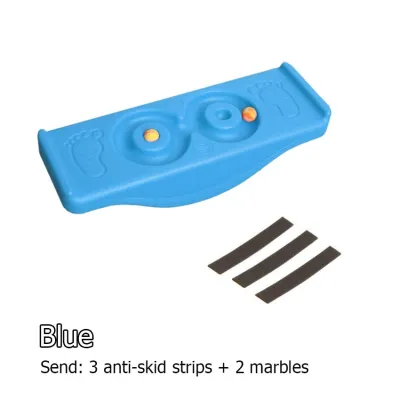
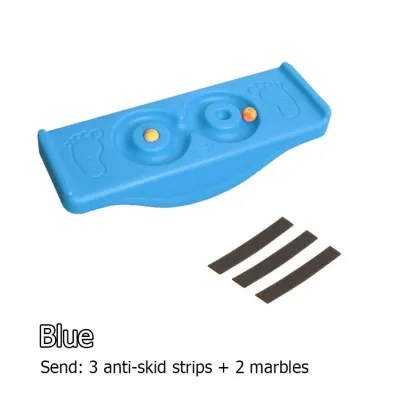
Prices are valid at publication and may change. Please refer to the product page for the latest price.
The type of flooring in your workout area also dictates how you should choose and use your equipment. Many Philippine homes feature ceramic tile, polished concrete, or smooth terrazzo floors, which are excellent for keeping indoor spaces cool but present a significant safety hazard for balance training. A hard plastic or wooden wobble board base can easily slip on these smooth surfaces, leading to sudden falls. To mitigate this risk, you must plan to use a high-traction protective mat, such as a dense rubber exercise mat or interlocking foam tiles, underneath your board. This mat not only provides the necessary friction to keep the board’s pivot point secure but also protects your flooring from scratches, dents, and the repetitive impact of active workouts.
Reading Specifications and Design Features
When evaluating different wobble boards, reading the manufacturer’s specifications on the product packaging or online listing is essential for ensuring safety and compatibility. The most critical specification to verify is the maximum weight capacity. This limit must comfortably accommodate your body weight plus any additional resistance, such as dumbbells or kettlebells, that you plan to hold during your workouts. Keep in mind that dynamic movements—such as catching yourself during a sudden tilt—exert significantly more force on the board than simply standing still. Choosing a board with a robust weight capacity ensures that the structural integrity of the platform will not fail under sudden load spikes.

The choice of structural materials is highly relevant to both durability and the local tropical climate. Wobble boards are primarily constructed from either heavy-duty plastic or multi-layered wood. Wooden boards offer a classic, rigid feel and are highly favored for their aesthetic appeal and solid foot feel. However, in the high-humidity environment of the Philippines, untreated or poorly sealed wood can absorb moisture over time, leading to warping, delamination, or mold growth. If you prefer a wooden board, verify that it has a moisture-resistant protective coating or sealant. Plastic boards, on the other hand, are virtually impervious to humidity and sweat, making them highly durable and easy to maintain in tropical conditions. However, you must ensure the plastic is of high-density, commercial-grade quality to prevent flexing or cracking under heavy use.
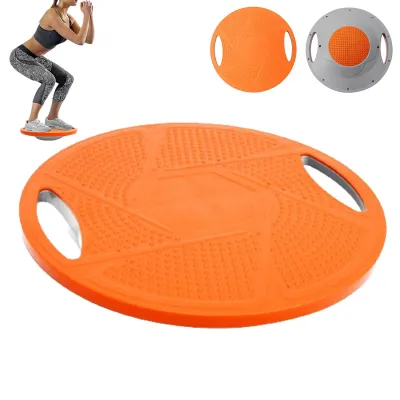
Base design features and surface traction are equally important to analyze based on your current skill level. Beginners should look for boards that offer adjustable tilt angles, which are often achieved through removable risers or adjustable central spheres. This feature allows you to start with a shallow, manageable tilt (such as 10 to 12 degrees) and gradually increase the difficulty (up to 15 or 20 degrees) as your balance improves. Furthermore, the top surface of the board must provide exceptional grip. Look for models featuring high-grit non-slip tape, textured rubber padding, or molded plastic ridges. In a warm climate where sweat is inevitable during home workouts, a highly textured, non-slip surface is vital for preventing your feet from sliding off the board mid-exercise.
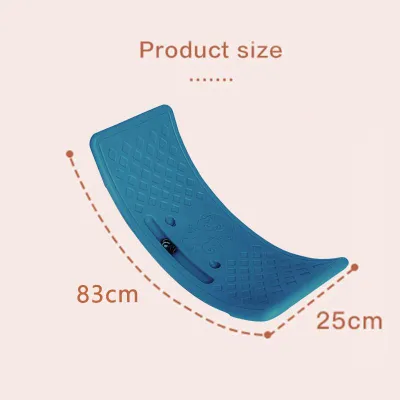
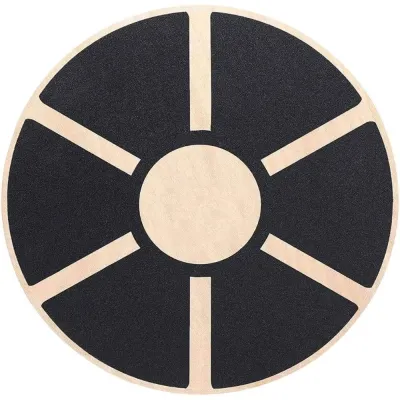
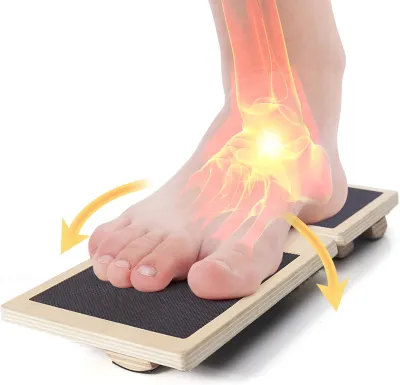
Finally, you must compare flat-top versus curved-top designs to determine which shape aligns with your intended exercise routines. Flat-top wobble boards typically feature a circular platform resting on a central dome, allowing for 360-degree rotation and tilting in any direction. This design is highly effective for comprehensive ankle strengthening, core engagement, and multi-directional stability training. Curved-top designs, often referred to as rocker boards, feature a curved bottom that restricts movement to a single plane—either side-to-side or front-to-back. Rocker boards are generally easier to master and are highly recommended for targeted rehabilitation, basic stretching, and beginners who want to build foundational confidence before transitioning to a full 360-degree wobble board.
Setting a Budget and Verifying Online Purchases
Establishing a realistic budget is an important step in your purchasing decision, as it helps you filter out low-quality products that may compromise your safety. In the Philippine market, balance trainers are available across a wide range of price points. Entry-level plastic wobble boards typically range from ₱500 to ₱1,200. These models are highly accessible and suitable for casual users or those testing the waters of balance training, though they may lack advanced adjustability or premium grip surfaces. Mid-range to premium wooden boards, which often feature adjustable tilt mechanisms, heavy-duty grip tape, and superior structural reinforcement, generally range from ₱1,500 to over ₱3,500. Investing in a higher-priced tier is often justified if you plan to use the board daily or require a higher weight capacity for intense strength training.
Because many fitness enthusiasts in the Philippines rely on e-commerce platforms and online sports retailers to source their equipment, verifying product authenticity and seller credibility is crucial. When shopping online, do not rely solely on promotional images or generic product descriptions. Take the time to thoroughly review seller ratings and read customer feedback, paying close attention to reviews that include photos or videos of the actual product after weeks of use. Look for comments regarding the durability of the non-slip surface, the rigidity of the base, and whether the item arrived with all necessary components. Additionally, prioritize sellers that offer clear return policies and warranties, which protect you in the event that the product arrives damaged or fails prematurely.
Once your wobble board is delivered, performing a meticulous unboxing inspection is a vital safety practice before your first workout. Carefully examine the board under good lighting for any manufacturing defects or shipping damage. For wooden boards, run your hand along the edges to check for splinters, cracks, or areas where the layers of wood might be separating. For plastic boards, inspect the underside and the central pivot dome for hairline cracks or stress marks that could compromise structural integrity under load. Verify that the non-slip grip tape or rubber padding is securely adhered to the platform without peeling at the edges. If you notice any structural imperfections or missing assembly parts, contact the seller immediately to arrange a replacement rather than risking an injury on a compromised board.
Performing Safety Checks and Routine Maintenance
To ensure your wobble board remains a safe and effective tool for your home workouts, you must establish a routine of regular safety checks and proper maintenance. Before every single workout session, perform a quick visual inspection of the equipment. Check the top surface to ensure the grip tape or textured rubber is clean and free of dust, dirt, or sweat residue, which can significantly reduce traction. Inspect the underside of the board to confirm that the central dome or rocker base is firmly attached and shows no signs of wear, cracking, or loose screws. If your board features adjustable components, verify that they are locked securely into place before stepping onto the platform.
Proper cleaning is essential for maintaining the traction of your board and extending its lifespan, especially in the warm and humid climate of the Philippines. During a vigorous home workout, sweat will inevitably drip onto the board’s surface. Over time, the salt and moisture from sweat can degrade the adhesive holding the grip tape or cause wooden materials to swell and warp. After each use, wipe down the board with a clean, slightly damp microfiber cloth. If necessary, use a mild, diluted soap solution to remove stubborn dirt or oils, but avoid using harsh chemical solvents, abrasive scrubbers, or excessive water. Never submerge a wooden board in water or leave it exposed to direct sunlight for extended periods, as extreme heat and moisture fluctuations can cause the wood to crack or the adhesive to fail. Store your board in a cool, dry place indoors, away from direct exposure to tropical humidity.
Lastly, you must be able to identify clear stop conditions that indicate your wobble board is no longer safe to use. If you hear unusual creaking, popping, or cracking sounds from the board during use, stop your workout immediately. These sounds often signal internal structural failure, particularly in multi-layered wooden boards or plastic models experiencing stress fractures. Other critical stop conditions include a noticeable loss of base stability, peeling grip tape that creates slick spots, or a base that slips on your workout mat despite proper setup. Remember that balance equipment cannot replace professional training or medical judgment; if you experience persistent joint pain, dizziness, or severe instability while using the board, cease training and consult a qualified healthcare or fitness professional.
Frequently Asked Questions (FAQ)
Can a wobble board be used on tiled floors without slipping?
Using a wobble board directly on smooth tiled floors is highly discouraged due to the lack of friction, which can cause the board to slip out from under you during a workout. To ensure safety, you should always place a high-traction barrier between the board and the tile surface. A dense, non-slip rubber exercise mat, a high-quality yoga mat, or interlocking rubber gym tiles are excellent options that provide the necessary grip to keep the board’s pivot point stable. Additionally, always consult the manufacturer’s guidelines included with your equipment, as they often provide specific recommendations and restrictions regarding compatible floor types and safety precautions for smooth indoor surfaces.
How do I know if the tilt angle is appropriate for my skill level?
To determine if a wobble board’s tilt angle is suitable for your current skill level, you should perform a controlled test while holding onto a stable support structure, such as a sturdy wall, a heavy table, or a secure railing. Step onto the board and attempt to find your balance, keeping the edges of the platform from touching the floor. If you find yourself constantly tipping over, straining your joints, or unable to maintain a level position for at least ten seconds even with support, the tilt angle is likely too steep. It is highly recommended to start with a lower, more stable tilt angle and gradually increase the difficulty as your balance control, ankle strength, and confidence improve, always following the manufacturer’s instructions for adjusting the board’s height or angle.
Community discussion
Share your experience or ask a question. Comments are reviewed before publication.