
Selecting the right women’s running belt bag is a balancing act between carrying what you need and maintaining a natural, unencumbered stride. In tropical climates where high humidity and sudden downpours are part of the daily routine, your choice of gear must also withstand sweat and moisture. The ideal bag depends on your typical running distance, the specific dimensions of your phone, and whether you need to carry hydration. By matching the bag’s capacity and structural design to your specific training sessions, you can prevent chafing, eliminate bounce, and focus entirely on your pace.
Map Your Running Distance and Essential Gear
To find the right fit, start by categorizing your runs by duration and identifying the absolute essentials you cannot leave behind. Short efforts, typically under 45 minutes, require very little gear—usually just a smartphone, a house key, and perhaps some emergency cash like a ₱100 bill for a quick tricycle ride home. For these quick sessions, a bulky bag is unnecessary and can feel restrictive in the heat.
Longer training sessions exceeding 60 minutes demand a more comprehensive gear strategy. When you are out on the road or trail for an hour or more, you must account for hydration, energy gels or chews, salt tablets to combat cramping in the tropical heat, and personal items. Carrying these items safely requires a structured bag that distributes weight evenly around your core.
Products mentioned in this guide
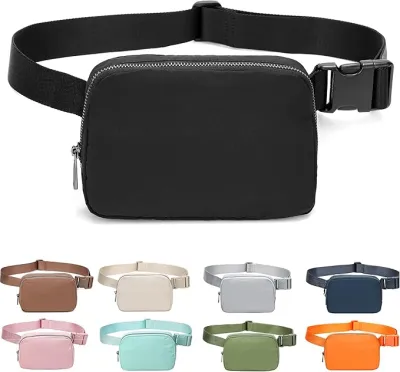
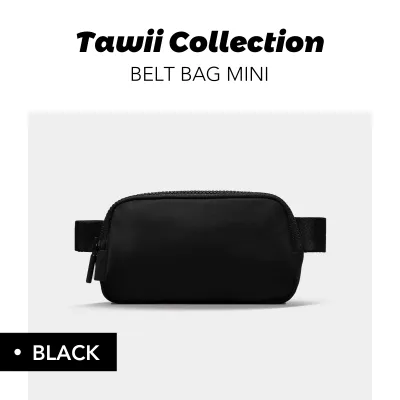
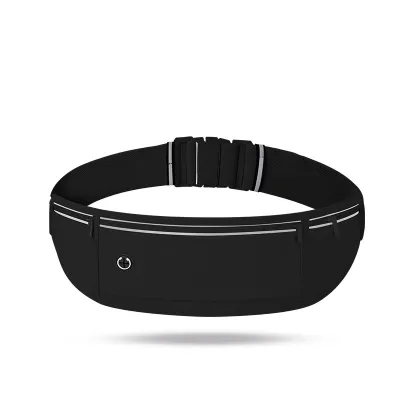
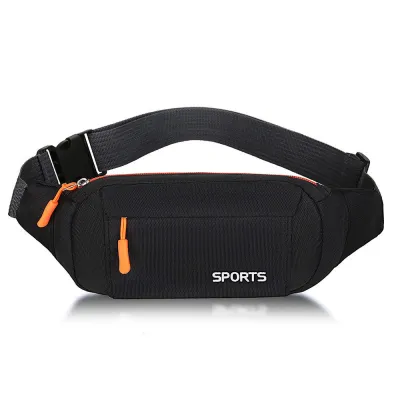
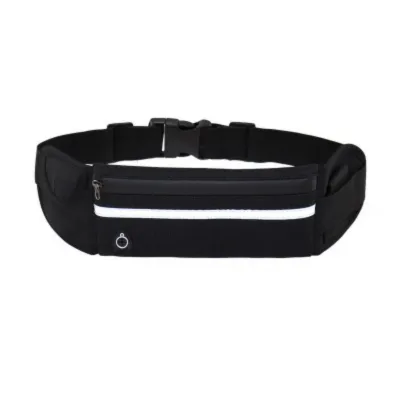
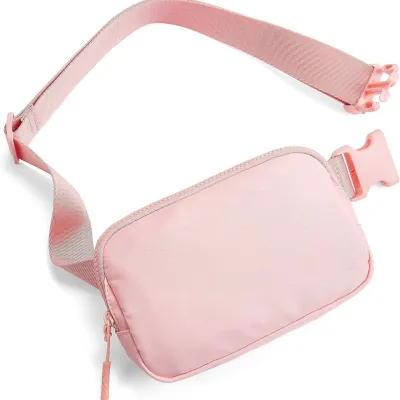
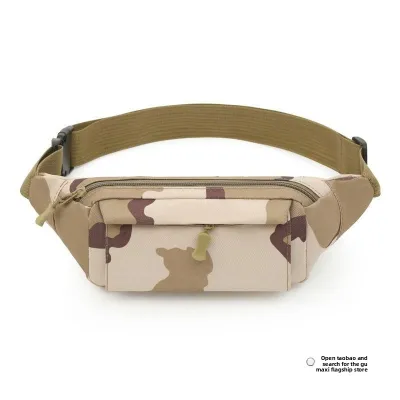
Prices are valid at publication and may change. Please refer to the product page for the latest price.
Before browsing online marketplaces, create a physical checklist of your gear. Measure your smartphone with its protective case on, as a bulky casing can easily turn a supposedly compatible pocket into a tight, unusable space. Knowing your exact payload prevents you from buying a bag that is either too small to zip shut or too large to stay stable.
Choosing a Minimalist Belt Bag for Short Jogs
For short, fast-paced runs, a minimalist belt bag is the most comfortable choice. These designs typically feature a slim, tubular band or a single low-profile pouch made from highly stretchable fabric. Because they sit flush against your body, they minimize vertical movement and allow you to maintain a quick, natural cadence without distraction.

When evaluating minimalist options, look for a single, continuous tubular band that you slide up over your hips. These bands distribute the tension evenly around your waist, eliminating the pressure points often caused by plastic buckles. Ensure the fabric is a high-performance, moisture-wicking blend like nylon and spandex, which dries quickly and won’t trap heat against your skin during humid morning runs.
Check that the internal pockets feature secure closures, such as fold-over flaps or low-profile zippers. A good minimalist belt should hold a standard smartphone and a single key snugly against your body, preventing them from rattling against each other. If you run in areas with high humidity, look for models with an internal sweat-resistant barrier to protect your phone’s screen and charging port from moisture.
Selecting a High-Capacity Belt Bag for Long-Distance Training
When your training runs stretch into long-distance territory, your gear needs expand, requiring a high-capacity belt bag designed for load distribution. These bags feature multi-compartment layouts, dedicated holsters for soft flasks, and reinforced waistbands. The goal is to carry hydration and nutrition without letting the extra weight pull the belt down or cause it to bounce.
Look for modular belts or designs with integrated bottle sleeves that position the weight of the water close to your center of gravity, usually at the lower back. Soft flasks are highly recommended for these belts because they shrink as you drink, preventing water from sloshing around and destabilizing your stride. Ensure the bottle holsters have secure bungee cords or retention loops to keep the flasks from slipping out on uneven terrain.
The waistband of a high-capacity belt must be wider than that of a minimalist model to distribute the heavier load across your hips. Look for adjustable straps with robust, non-slip silicone grippers on the interior lining to prevent the belt from riding up over your shirt. Breathable mesh back panels are also essential to facilitate airflow and prevent painful heat rashes where the bag rests against your lower back.
Evaluating Fit, Stability, and Weather Protection
A running belt bag is only as good as its fit, so testing its stability before your first long run is crucial. The bag should sit comfortably on your hips or your natural waist, depending on your body shape and comfort preferences. When adjusted correctly, it should feel snug but not constricting, allowing you to breathe deeply from your diaphragm without restriction.
Chafing is a major concern, especially during long runs in hot, humid weather. Inspect the belt’s construction for exposed seams, rough zipper edges, or stiff plastic adjusters that might rub against your skin or ruin technical running fabrics. Opt for seamless edges and soft, bound borders that minimize friction as your body moves.
Weather resistance is another vital factor to verify, particularly if you frequently run during the rainy season. Look for water-resistant fabrics like treated ripstop nylon and water-repellent zippers to protect your electronics and paper money from sudden downpours. Additionally, prioritize belts with integrated reflective strips or attachment loops for safety lights to ensure you remain visible to traffic during early morning or late evening runs.
Cross-Scenario Compatibility: Can One Bag Do It All?
Many runners wonder if they can invest in a single, versatile belt bag that handles both quick jogs and marathon training. Some modular belt systems offer this flexibility by allowing you to slide off bottle holsters or extra pouches when they are not needed. This adaptability is highly convenient if you want to keep your gear collection streamlined and budget-friendly.
However, using a high-capacity bag for a short run often comes with trade-offs. Even when empty, a larger, structured bag has more fabric and a wider waistband, which can feel unnecessarily warm and bulky on a quick, sweaty 5K run. Conversely, trying to stuff a minimalist belt with extra gels, keys, and a soft flask for a long run will cause the fabric to overstretch, leading to excessive bouncing and potential damage to the seams.
If your weekly routine includes a wide mix of short, high-intensity intervals and long, slow distance runs, owning two dedicated bags is often the most practical solution. A lightweight, tubular band keeps you fast and cool during short efforts, while a structured, hydration-ready belt ensures you stay fueled and hydrated on your long weekend runs. This division of labor also extends the lifespan of both bags by preventing overstretching and excessive wear.
Frequently Asked Questions (FAQ)
How do I stop my running belt bag from bouncing?
To eliminate bounce, position the belt lower on your hips rather than high up on your soft waist, as the pelvic bones provide a stable shelf that prevents downward movement. Tighten the strap so it fits snugly against your body without restricting your breathing. Finally, distribute your gear evenly across the pockets, placing the heaviest items, like your smartphone, in the center pocket closest to your spine to keep the center of gravity stable.
Can a running belt bag hold a large smartphone?
Yes, many modern running belts are designed with stretchy fabrics like elastane to accommodate larger smartphones. However, you should always verify the pocket’s physical dimensions against your phone’s measurements, especially if you use a thick, shockproof protective case. Look for zippered pockets with flexible, pleated designs that expand outward rather than compressing inward against your body, which can make zipping the pocket difficult.
Community discussion
Share your experience or ask a question. Comments are reviewed before publication.