
Selecting the right wrist protector is a critical decision for any athlete looking to safeguard their joints, improve performance, and prevent long-term injuries. The wrist is a complex structure of small bones, ligaments, and tendons that bear significant stress during physical activity. Because different sports place unique mechanical demands on your hands and wrists, a generic support sleeve will rarely provide the specific protection you need.
To find the ideal wrist protector, you must balance the physical requirements of your sport with your precise anatomical measurements. A protector that is too rigid can hinder your performance in sports requiring high mobility, while a support that is too flexible will fail to protect you during high-impact falls. Additionally, factors such as local climate, material durability, and closure systems play a major role in how comfortable and effective the gear remains over time.
In tropical environments like the Philippines, where high humidity and heat lead to increased perspiration, choosing the right materials is especially important. Excess sweat can cause gear to slip, irritate the skin, and degrade quickly if the fabric is not designed for moisture management. By following a structured selection process, you can identify a wrist protector that fits perfectly, supports your athletic goals, and stands up to intense daily use.
Products mentioned in this guide
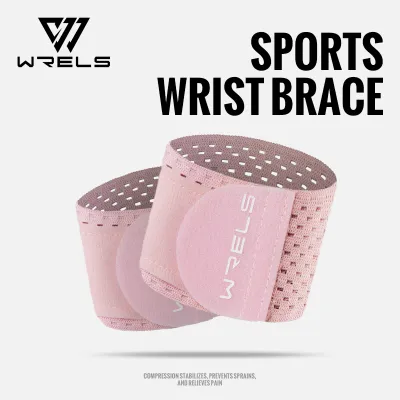
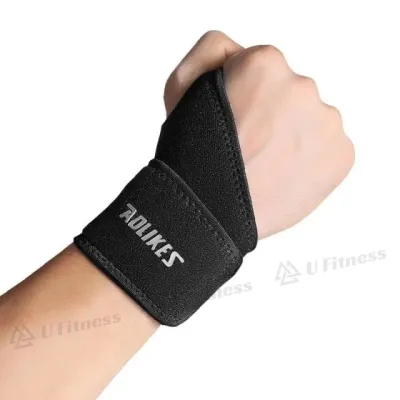
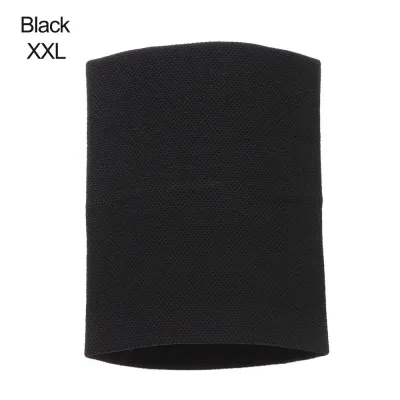
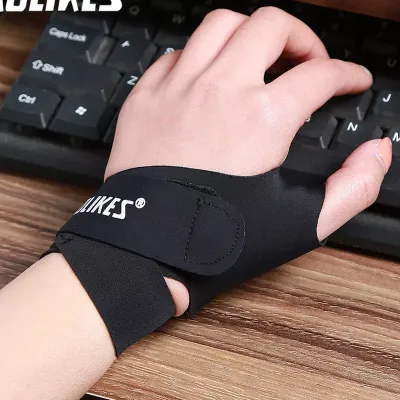
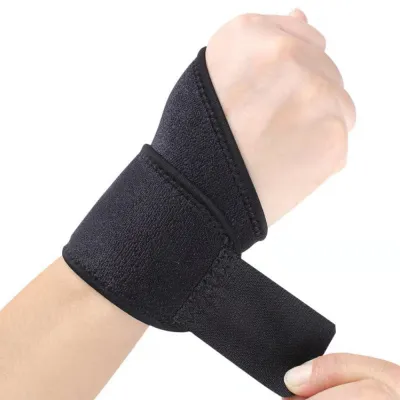
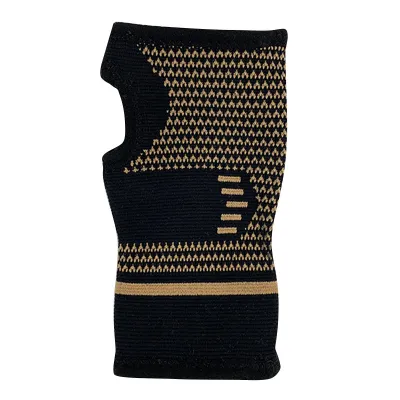
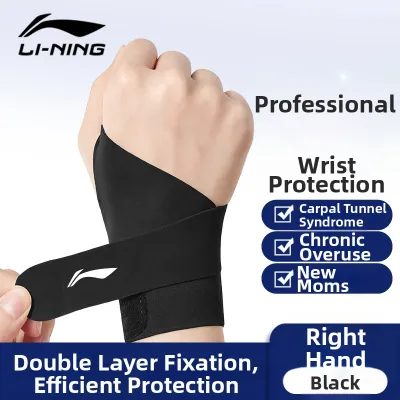
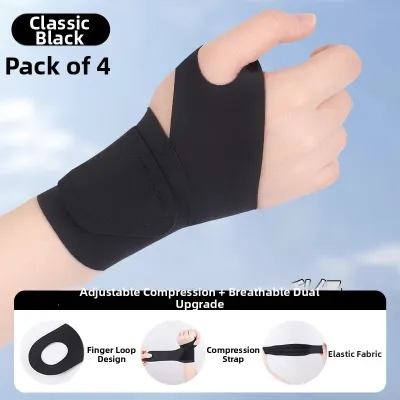
Prices are valid at publication and may change. Please refer to the product page for the latest price.
Identify the Protection Level Your Sport Requires
Athletic activities generally fall into two categories regarding wrist safety: those requiring impact defense and those requiring joint stabilization. Understanding which category your sport belongs to is the first step in narrowing down your options. Choosing the wrong type of support can leave you vulnerable to injury or unnecessarily restrict your movement.
Impact protection is essential for action sports where falls onto hard surfaces are common, such as skateboarding, inline skating, snowboarding, and certain martial arts. When you fall, your natural instinct is to extend your hands to break the impact, which puts immense pressure on the wrist joint. Wrist protectors designed for these sports feature rigid splints made of molded plastic or composite materials. These splints are positioned along the palm and sometimes the back of the hand to prevent hyperextension and disperse the force of the impact across a larger surface area.
Joint stabilization, on the other hand, is required for sports that involve heavy lifting, repetitive overhead movements, or racket handling, such as weightlifting, gymnastics, tennis, and functional fitness. In these activities, the goal is not to block falls but to support the tendons and ligaments under heavy loads. Stabilizing protectors, often called wrist wraps or compression sleeves, are made of flexible, elasticized fabrics. They provide adjustable compression that reinforces the joint while allowing the necessary range of motion to execute technical movements safely.
Before making a purchase, always check the manufacturer specifications and product labels to verify the intended use of the gear. A wrap designed for weightlifting does not have the structural rigidity to protect a skateboarder during a fall on concrete. Conversely, a rigid skating guard will make it impossible for a weightlifter to grip a barbell properly. Match the mechanical design of the protector directly to the physical forces of your sport.
Measure Your Hand and Wrist for the Correct Fit
An improperly fitting wrist protector can do more harm than good. If the protector is too loose, it will slide out of position and fail to provide support when you need it most. If it is too tight, it can restrict blood circulation, pinch nerves, and cause muscle fatigue. To ensure a safe and comfortable fit, you must take accurate physical measurements of your hand and wrist.

To measure your wrist circumference, use a flexible sewing tape measure. Wrap the tape around the narrowest part of your wrist, which is located just above the bony prominence on the outside of your arm. The tape should lie flat against your skin without compressing the tissue. If you do not have a flexible tape measure, wrap a piece of string around your wrist, mark the point where it overlaps, and measure the flat string against a standard ruler.
For protectors that include integrated gloves, palm sliders, or thumb loops, you also need to measure your palm width. Place the tape measure across the widest part of your palm, starting just below your index finger knuckle and extending to the outer edge of your hand, excluding the thumb. Keep your hand flat and your fingers relaxed while taking this measurement to ensure accuracy.
Once you have your measurements, compare them to the manufacturer’s specific sizing chart. Sizing standards vary greatly between brands; a medium size in one brand may correspond to a large size in another. If your measurements fall directly between two sizes, consider the specific demands of your sport and your local environment. Sizing up is generally recommended for comfort, as hands tend to swell during intense exercise and in hot, humid weather. Sizing down may be appropriate if you require maximum, unyielding compression and the material has enough elasticity to prevent circulation issues.
Evaluate Key Design Features and Materials
The materials and construction of a wrist protector determine its durability, comfort, and ease of use. When evaluating different models, pay close attention to the closure systems, fabric breathability, and palm features to ensure they align with your training conditions.
Closure mechanisms dictate how securely the protector stays in place and how easily you can adjust the tension. Hook-and-loop straps are the most common and versatile option, allowing you to quickly tighten or loosen the support between exercises. Slip-on sleeves offer a low-profile fit and consistent compression but lack customizable tension. Quick-lace systems, often found on high-end impact guards, provide a highly secure, contoured fit but require more time to put on and remove.
In the warm and humid climate of the Philippines, sweat management is a primary concern for active individuals. Look for wrist protectors made from moisture-wicking fabrics, perforated neoprene, or lightweight nylon mesh. These materials facilitate airflow, draw sweat away from the skin, and dry quickly. Proper ventilation not only keeps you comfortable during long training sessions but also prevents skin chafing, rashes, and the buildup of odor-causing bacteria within the fabric.
Additionally, consider how the protector interacts with your sporting equipment. If your activity requires you to hold a racket, grip a barbell, or handle handlebars, look for designs with reinforced palm padding or anti-slip silicone textures. Some stabilizers feature an open-palm design that leaves your fingers and palm completely free, ensuring your natural grip strength and tactile feedback are not compromised while your wrist remains supported.
Verify Adjustability and Range of Motion Before Use
Before committing to a wrist protector for active sports participation, you must perform a series of practical tests to verify its fit, comfort, and functional mobility. Testing the gear in a controlled environment allows you to make adjustments or exchange the product before exposing yourself to the physical demands of your sport.
Start by performing sport-specific movement tests while wearing the protector. If you are a weightlifter, mimic the front rack position or an overhead press to ensure the wrap supports your wrist without pinching your skin or blocking necessary extension. If you are a racket sports player, practice swinging and rotating your wrist to confirm that the protector allows the precise angles required for your shots while preventing painful over-rotation.
Next, check your blood circulation and nerve function. Put on the protector at your typical training tightness and leave it on for several minutes while actively opening and closing your hand. Your fingers should remain warm, retain their normal color, and feel completely free of numbness or tingling. Perform a quick capillary refill test by pinching the tip of your index finger until it turns pale; the natural color should return within two seconds of releasing the pressure. If your fingers feel cold, turn blue, or tingle, loosen the straps immediately or try a larger size.
Finally, inspect the physical construction of the protector while it is on your hand. Run your fingers along the edges, seams, and the pockets holding any rigid splints. Ensure there are no rough threads, exposed plastic edges, or tight seams that press directly into your skin or bones. Repetitive athletic movements can turn minor friction points into painful blisters or abrasions within minutes of active play.
Recognize When to Replace Your Wrist Protector
Like all athletic safety gear, wrist protectors degrade over time with regular use. Wearing a worn-out or structurally compromised protector increases your risk of injury, as the materials can no longer provide the rated level of support or impact resistance. Establishing a routine inspection habit is essential for maintaining your safety.
Inspect the closure systems regularly. Hook-and-loop fasteners that are clogged with lint, dirt, or fabric fibers will lose their grip and can unexpectedly pop open under tension. If cleaning the fasteners does not restore their holding power, the protector must be replaced. Similarly, check the elastic fibers in compression wraps; if the fabric has stretched out, lost its snap-back elasticity, or feels thin and flimsy, it can no longer provide adequate joint stabilization.
For impact guards, carefully examine the rigid splints for any signs of structural damage. Look for hairline cracks, deep stress marks, or permanent warping in the plastic or composite inserts. A cracked splint cannot distribute impact forces correctly and may snap completely during a fall, potentially causing severe injury to your hand or forearm. Never attempt to glue or tape a damaged splint back together.
Lastly, pay attention to hygiene and material degradation caused by sweat and washing. Over months of use, the accumulation of sweat, body oils, and minerals can break down synthetic fibers, causing the material to stiffen, crack, or retain a persistent odor despite thorough washing. Inspect your gear at the start of every sports season or training cycle to ensure it remains in peak condition to protect your wrists.
Frequently Asked Questions (FAQ)
Can I use the same wrist protector for different sports?
Using the same wrist protector for different sports is generally not recommended unless the activities share identical physical demands. A rigid impact guard designed for skateboarding will severely restrict the wrist mobility needed for weightlifting or tennis, which can ruin your form and lead to secondary injuries. Conversely, a flexible weightlifting wrap offers no structural defense against high-impact falls on hard ground. To stay safe, always match your protective gear to the specific mechanical requirements of each sport.
Should a wrist protector feel tight when first worn?
A wrist protector should feel snug, firm, and supportive, but it should never feel painfully tight or restrictive. You should feel a clear sense of compression and stabilization around the joint without any loss of sensation. If you experience immediate warning signs such as numbness, tingling, cold fingertips, or skin discoloration, the protector is too tight. Adjust the straps to a looser setting, and if the discomfort persists, switch to a larger size to ensure safe usage.
Community discussion
Share your experience or ask a question. Comments are reviewed before publication.