
Selecting the correct wrist support requires matching the gear to the specific biomechanical demands of your sport. While weightlifting demands rigid stability under heavy loads, court and racket sports require a balance of impact protection and unrestricted mobility. Choosing the wrong type can either limit your performance or leave your joints vulnerable to strain. In the tropical climate of the Philippines, where high humidity and heavy sweating are constant factors during intense workouts, selecting the right material and design is just as crucial as finding the correct level of support.
To make an informed decision, you must evaluate how different designs restrict or facilitate movement. Whether you are lifting at a local gym, playing on a barangay basketball court, or smashing shuttlecocks in an indoor badminton hall, your wrist gear should serve as an extension of your body. This guide breaks down how to evaluate support designs, compression levels, and fit to ensure proper protection without limiting your performance.
Understanding Wrist Support Designs and Compression Levels
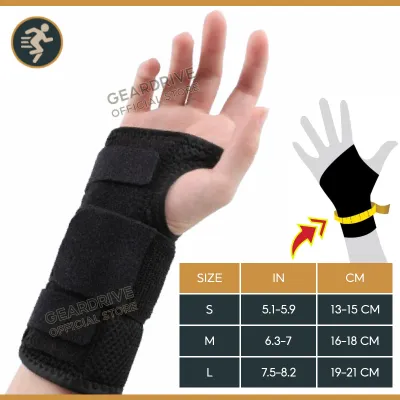
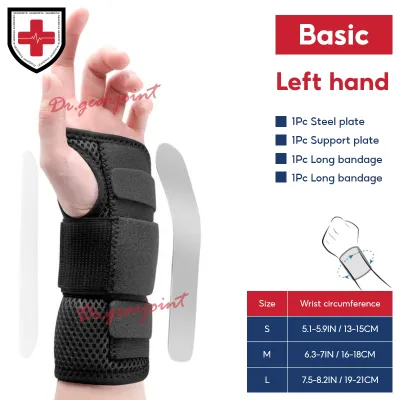
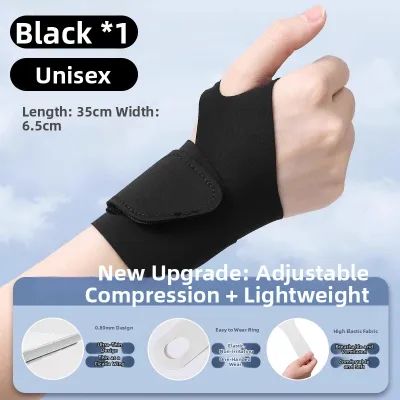
Wrist supports generally fall into three primary categories: rigid braces, flexible wraps, and elastic compression sleeves. Rigid braces often feature metal or plastic splints designed to immobilize the joint, making them highly effective for post-injury recovery but generally too restrictive for active sports. Flexible wraps, typically made of thick cotton, nylon, or polyester blends, utilize adjustable hook-and-loop straps to let you customize the tightness and support level. Elastic compression sleeves slide over the hand to provide mild, continuous pressure and warmth without mechanical structural support.
Products mentioned in this guide
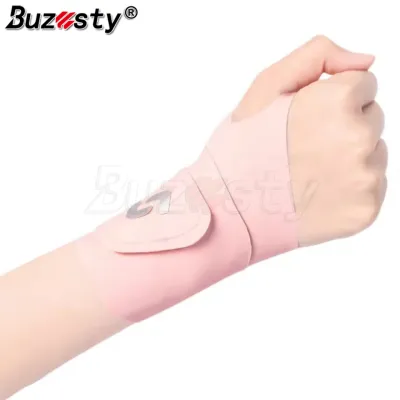
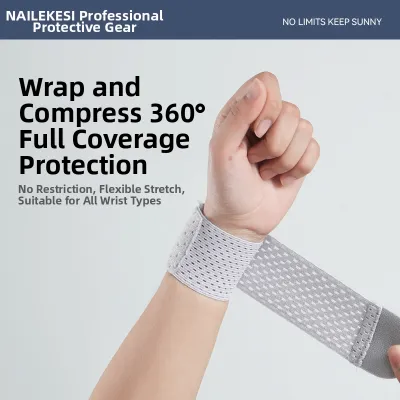
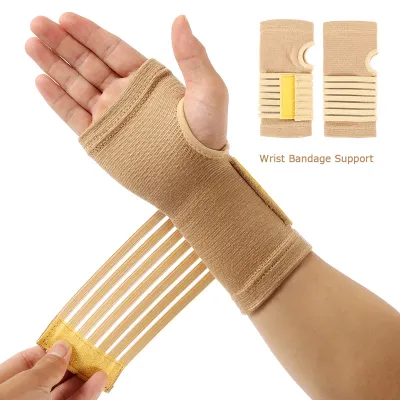
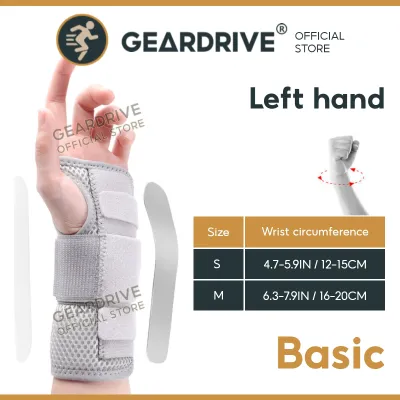
Prices are valid at publication and may change. Please refer to the product page for the latest price.
Compression levels directly influence blood flow, swelling management, and joint restriction. Mild compression from a simple sleeve promotes circulation and enhances proprioception, which is your body’s awareness of joint positioning. Moderate to firm compression, achieved through adjustable wraps, helps stabilize the tendons and ligaments under load, reducing the micro-oscillations that contribute to fatigue. However, excessively tight compression can restrict blood flow, leading to numbness or cold fingers, so adjustability is key.
In hot and humid environments, material breathability and moisture-wicking properties are essential for maintaining comfort and skin health. Neoprene offers excellent durability and heat retention, which can keep joints warm, but it can trap sweat and cause skin irritation during long sessions. Lightweight nylon-spandex blends or perforated fabrics allow heat to escape and sweat to evaporate quickly. When shopping, check product labels for moisture-wicking technologies to ensure the support remains comfortable during intense, sweaty activities.
Weightlifting: Prioritizing Maximum Stability and Load Bearing
Weightlifting subjects the wrists to extreme axial loading and hyporextension, especially during pressing movements, overhead squats, or bench presses. To prevent the wrist from bending backward under heavy barbells, lifters require maximum structural stability. Thick, flexible wraps made of heavy-duty cotton or elasticized polyester are the standard choice here. These wraps feature a thumb loop to help anchor the band while you wind it tightly around the joint, securing it with a wide hook-and-loop strap.

However, the level of stiffness you need depends heavily on your lifting style. Powerlifting movements like the bench press and low-bar back squat benefit from maximum immobilization, where a stiff, wide wrap keeps the wrist completely vertical. Conversely, dynamic Olympic lifts, such as the clean and jerk or snatch, require a degree of wrist flexibility to allow the lifter to catch the bar quickly in the front rack or overhead position. For these movements, a slightly softer, more pliable wrap is preferred to allow rapid transitions without pinching the joint.
Before purchasing a pair of lifting wraps, verify the specifications provided by the manufacturer. Check the strap length, as longer wraps (typically 18 to 24 inches) allow for more revolutions around the wrist, resulting in a stiffer support. Examine the stitching around the thumb loop and the quality of the hook-and-loop closure, as these areas experience the most tension. Ensure the material stiffness matches your lifting goals, opting for medium-stiff fabrics if you perform a mix of powerlifting and functional fitness training.
Basketball: Balancing Impact Protection with Court Mobility
Basketball players face a unique combination of high-impact collisions, sudden falls, and the need for precise wrist flexion during shooting and dribbling. A support that is too rigid will ruin your shooting mechanics and make ball handling clumsy. Therefore, basketball players should look for low-profile, flexible wraps with adjustable tension or padded compression sleeves. These designs help absorb the shock of hard passes and floor impacts without locking the joint in place.
Maintaining natural shooting mechanics requires a support that sits below the base of the hand, leaving the palm and fingers completely free. Look for slim-profile wraps that allow you to flex your wrist forward during a follow-through while still providing lateral stability to protect against sprains during rebounds or drives to the basket. Padded sleeves that feature a thin layer of protective foam over the outer wrist bone can also cushion the joint against direct contact from opposing players.
Because basketball involves continuous running and sweating, a sliding support can distract you during a game. Look for products featuring non-slip interior linings, such as silicone grip strips, which help keep the sleeve or wrap in place even when your skin is wet. Sweat-resistant, quick-drying fabrics are highly recommended to prevent the support from absorbing moisture, becoming heavy, or losing its elasticity during a fast-paced game on outdoor concrete courts.
Badminton: Ensuring Agility and Repetitive Strain Prevention
Badminton is a sport characterized by rapid, repetitive wrist flicks, forearm pronation, and sudden overhead smashes. The primary concern for badminton players is managing repetitive strain injuries, such as tendonitis, without adding unnecessary weight or bulk to the playing arm. Heavy wraps or rigid braces are highly unsuitable here, as they add swing weight and restrict the rapid wrist snap required to clear or drop the shuttlecock.
Lightweight compression sleeves or very thin, flexible wraps are ideal for racket sports. These supports provide mild compression that keeps the tendons warm and improves proprioceptive feedback, helping you maintain consistent racket angles. The compression also helps manage minor swelling and soreness from long training sessions. Because the support is lightweight, it does not cause premature forearm fatigue during extended rallies.
When trying on a support for badminton, perform a few practice swings to check the fit. The material should not bunch up in the crease of your wrist when you flex your hand forward, nor should it slide down your forearm during a high-velocity overhead smash. Ensure the edges of the sleeve do not dig into your skin or restrict the movement of your thumb, as a comfortable grip on the racket handle is vital for precise shot placement.
Cross-Sport Compatibility: Can One Wrist Support Work for Multiple Activities?
Multi-sport athletes often wonder if they can buy a single wrist support to use across weightlifting, basketball, and badminton. While a single purchase is convenient, using a highly specialized support for the wrong activity can carry safety risks. For example, wearing a stiff, heavy-duty weightlifting wrap on the basketball court will severely limit your shooting range and ball control, while wearing a thin badminton compression sleeve under a heavy barbell bench press will offer virtually no protection against joint hyporextension.
However, if your activities are recreational and do not involve extreme loads or high-intensity competition, a mid-level adjustable wrap can serve as a reasonable compromise. Look for a moderate-thickness wrap made of breathable, elastic material with an adjustable strap. This allows you to wrap it tightly for light dumbbell presses at the gym, and then loosen it slightly to allow more flexibility when playing a casual game of basketball or badminton with friends.
If you must prioritize one sport when choosing a single pair of supports, always design your setup around the most demanding or injury-prone activity. If you lift heavy weights twice a week but only play casual badminton once a month, buy dedicated lifting wraps first to protect your joints from heavy loads. Your safety under a loaded barbell should always take precedence over convenience on the court.
How to Measure, Fit, and Maintain Your Wrist Support
To find the correct size, use a flexible measuring tape to measure the circumference of your wrist at the narrowest point, just above the wrist bone. Compare this measurement directly to the manufacturer’s sizing chart, as sizing can vary significantly between brands. If your measurement falls between two sizes, consider whether you prefer a tighter, more supportive fit (size down) or a more comfortable, breathable fit (size up).
When applying your wrist support, perform a few quick checks to verify proper tightness. You should feel firm, even compression around the joint, but your fingers should not feel cold, tingle, or turn pale. Try rotating your wrist and making a fist; the support should feel secure without pinching your skin or cutting off circulation. If you notice any throbbing or loss of sensation, loosen the strap immediately.
Proper maintenance is crucial for preserving the elastic integrity of your gear and preventing unpleasant odors, especially in humid climates. Hand-wash your wrist supports in cool water using a mild detergent, and avoid using fabric softeners, which can break down elastic fibers. Squeeze out excess water gently without wringing the fabric, and lay them flat to air-dry in a well-ventilated area away from direct sunlight. Never put elastic wraps or sleeves in a hot dryer, as extreme heat can warp the materials and ruin the hook-and-loop fasteners.
Frequently Asked Questions (FAQ)
Should I wear wrist support all day or only during sports?
You should generally wear wrist supports only during active sports, heavy lifting, or immediate post-activity recovery. Wearing compression gear or supportive wraps continuously throughout the day can lead to muscle dependency, where the surrounding muscles weaken because they rely on the external support. Additionally, prolonged compression can restrict healthy blood circulation. Limit your use to warm-ups, active play, and targeted recovery sessions as directed by product labels or a healthcare professional.
Can wrist supports completely prevent sprains or fractures?
No, wrist supports cannot completely prevent acute injuries like severe sprains, dislocations, or fractures. While they provide structural stability, absorb minor impacts, and help keep you within a safe range of motion, they cannot overcome the extreme forces of a high-velocity fall or a severe mechanical overload. Protective gear is a supplement to, not a replacement for, proper athletic technique, adequate warm-ups, and building natural joint strength. If you experience sharp, sudden pain or persistent swelling, stop playing immediately and seek professional medical evaluation.
Community discussion
Share your experience or ask a question. Comments are reviewed before publication.