
Selecting the right wrist support depends on the specific movement patterns, impact risks, and stability needs of your athletic activity. Whether you are lifting heavy weights, swinging a racket, or absorbing impact on the court, using the wrong type of support can restrict your performance or fail to protect the joint. This guide breaks down the structural differences between sleeves, wraps, braces, and splints, helping you match the right gear to your sport while maintaining safe circulation and mobility.
To make the right choice, you must evaluate the level of restriction, compression, and structural reinforcement your activity demands. The most suitable support stabilizes the joint during high-stress movements without cutting off circulation or causing skin irritation in hot, humid conditions. By understanding how different designs function, you can protect your wrists while maintaining athletic performance.
Understanding the Main Types of Wrist Support
Wrist supports fall into four distinct categories, each offering a unique balance of mobility and stabilization. Understanding these structural differences is the first step in finding the right gear for your training routine.
Products mentioned in this guide
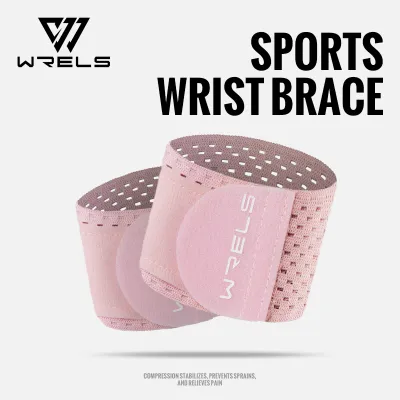
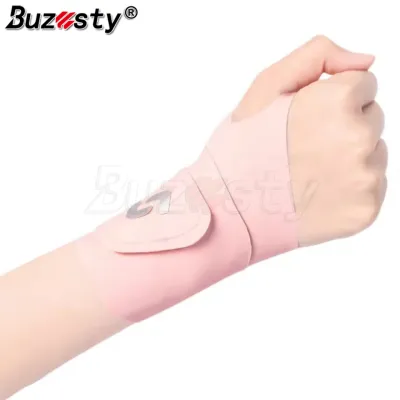
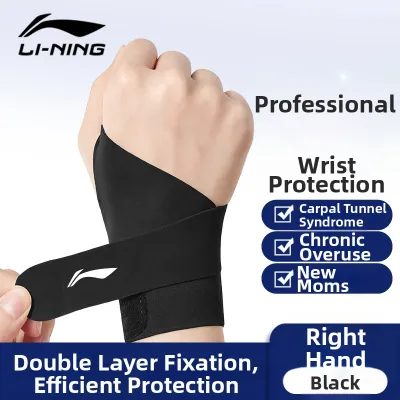
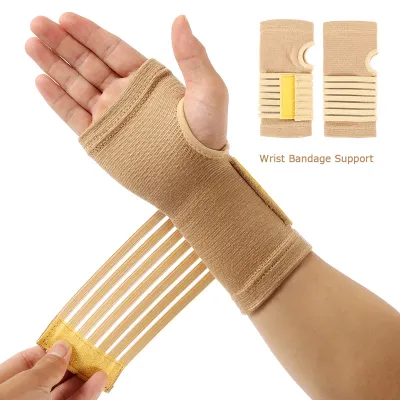
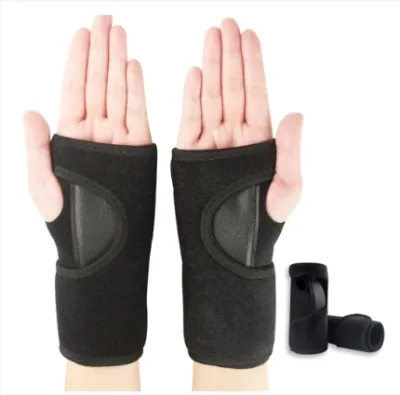
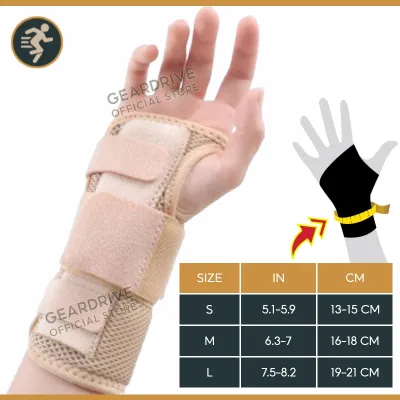
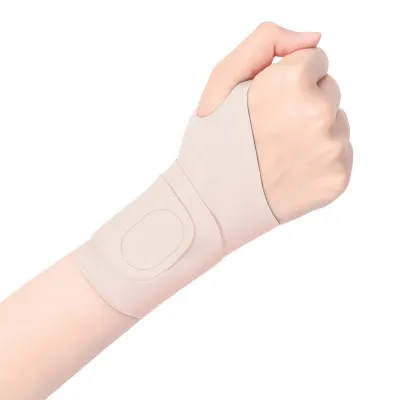
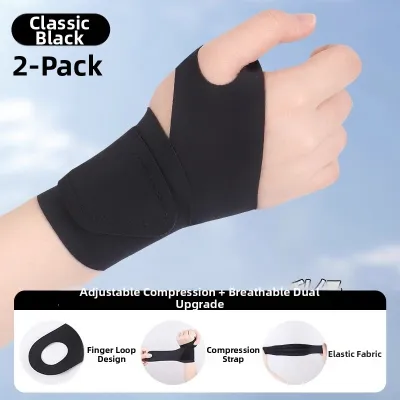
Prices are valid at publication and may change. Please refer to the product page for the latest price.
Sleeves are lightweight, pull-on elastic or neoprene bands that slide over the hand. They provide mild compression and retain localized heat, which helps keep the joint warm and improves proprioception (joint position awareness). Lacking rigid elements, sleeves offer high mobility and suit sports requiring continuous, unrestricted wrist movement.
Wraps consist of long strips of thick, semi-elastic fabric with a hook-and-loop closure and a thumb loop. They allow you to adjust tension manually for customizable, rigid stabilization. Wraps support the joint under heavy axial loads or sudden impact forces, making them a staple in strength training.
Braces incorporate semi-rigid plastic or metal stays within a fabric sleeve or wrap. These stays limit extreme joint angles, preventing the wrist from bending too far in any direction. Braces are typically used during active recovery, allowing controlled movement while protecting the joint from re-injury.
Splints deliver near-total immobilization using rigid, contoured plates along the palm or back of the hand. They keep the wrist in a completely neutral position to facilitate healing after a severe sprain or fracture. Because they eliminate joint movement, splints are unsuitable for active sports and are reserved for rest.
Matching Wrist Support to Your Specific Sport
Every sport places unique biomechanical demands on your hands and wrists. Matching the support type to your specific activity ensures you get the protection you need without hindering your performance.

Court and Net Sports (Basketball, Volleyball, Badminton)
Court and net sports require rapid, explosive wrist movements, precise ball control, and quick racket swings. In basketball, a stiff wrap would interfere with your shooting release and dribbling mechanics, while in badminton, it would restrict the quick wrist-flick needed for a powerful smash.
For these activities, lightweight compression sleeves or highly flexible, thin wraps are the most appropriate choices. These options provide mild joint warmth and support without limiting your range of motion. When selecting a sleeve for court sports, verify that the material does not interfere with your grip strength or palm contact, allowing you to handle the ball or hold a racket securely.
In volleyball, players often face repetitive impact forces when setting, bumping, or blocking. A flexible sleeve can help cushion the impact against the lower forearm and wrist while keeping the joint warm. Ensure the support is low-profile so it does not alter the ball’s trajectory off your forearms during a pass.
Strength Training and Weightlifting
Strength training, powerlifting, and Olympic lifting subject the wrists to massive axial loads, especially during pressing movements like the bench press, overhead press, or clean and jerk. Under these heavy loads, the wrist has a natural tendency to hyperextend, which can strain the surrounding tendons and ligaments.
Stiff, adjustable wrist wraps are highly effective for maintaining a neutral wrist alignment under heavy loads. By wrapping the fabric tightly around the joint, you create a supportive cuff that prevents the wrist from bending backward. This structural reinforcement allows you to transfer force more efficiently from your arms to the bar.
Because these wraps must be applied tightly to provide adequate stabilization, they can restrict blood flow if worn continuously. It is essential to loosen or completely remove the wraps between sets to restore natural circulation and prevent numbness or tingling in your fingers. Only tighten them immediately before initiating a heavy lift, and release the tension as soon as the set is complete.
Combat and Contact Sports (Boxing, Martial Arts)
Combat sports involve repetitive, high-velocity impacts that transmit significant force through the knuckles, hands, and wrists. Proper alignment of the hand and wrist is critical to prevent hyperextension or hyperflexion upon impact.
Traditional fabric hand wraps are the standard choice for boxing and martial arts, as they bind the bones of the hand together and secure the wrist joint as a single, solid unit. These wraps must be thin and flexible enough to fit comfortably inside boxing gloves without creating painful pressure points. For training sessions that involve grappling or mixed martial arts, low-profile padded sleeves can provide light impact protection while keeping the fingers free to grip an opponent.
When wrapping your wrists for combat sports, ensure the tension is distributed evenly across the hand and wrist. A wrap that is too tight can cause hand cramping and restrict finger movement, while a wrap that is too loose will slide out of place inside your gloves, leaving your joint vulnerable to injury during a strike.
Essential Fit, Safety, and Usage Checks
Using a wrist support incorrectly can lead to secondary issues, including reduced blood flow, skin irritation, or a false sense of security that leads to overexertion. Performing regular fit and safety checks is crucial for maintaining joint health.
To check if your wrist support is too tight, perform a simple capillary refill test. Press firmly on one of your fingernails until it turns white, then release it; the natural pink color should return within two seconds. If your fingers feel cold, look pale, or begin to tingle, the support is restricting your circulation and must be loosened immediately.
In hot and humid tropical climates, sweat and moisture can easily accumulate under synthetic fabrics like neoprene or nylon. This trapped moisture can cause skin chafing, heat rashes, or allergic contact dermatitis. To minimize these risks, choose breathable, moisture-wicking materials and avoid wearing the support for longer than your active training session requires.
Never use a wrist support to mask ongoing pain or push through a serious injury. If you experience sharp, stabbing pain, persistent numbness, or swelling that worsens during activity, stop training immediately and remove the support. Relying on a brace or wrap to bypass pain signals can lead to chronic joint instability or severe tendon damage.
Maintenance and Knowing When to Replace
Proper maintenance extends the lifespan of your wrist support and ensures it continues to provide reliable stabilization. Over time, sweat, dirt, and body oils break down elastic fibers, reducing the gear’s effectiveness.
Wash your wrist supports regularly according to the manufacturer’s instructions, typically using cold water and a mild detergent. Avoid using fabric softeners, as they can coat the elastic fibers and reduce their stretch and recovery properties. Air-drying your supports out of direct sunlight is highly recommended, as the intense heat from a clothes dryer can warp plastic stays and degrade synthetic materials.
Inspect your gear frequently for signs of wear and tear. Check the hook-and-loop fasteners to ensure they still hold securely under tension; frayed or clogged fasteners can pop open unexpectedly during a lift or swing. Look for stretched-out fabric, loose stitching, or warped internal stays that no longer conform to your wrist’s anatomy.
Relying on a stretched-out or damaged wrist support compromises your joint safety and can alter your natural movement mechanics. If a sleeve no longer provides snug compression or a wrap fails to hold its tension, it is time to replace the item. Investing in fresh gear ensures your wrists remain properly protected during every workout.
Frequently Asked Questions (FAQ)
Can I wear a wrist sleeve all day for prevention?
Wearing a compression sleeve all day is generally not recommended unless specifically advised by a healthcare professional. Continuous compression can make your forearm muscles and wrist tendons dependent on external support, potentially weakening the natural stabilizing structures of the joint over time. It is best to wear the sleeve only during active sports, heavy lifting, or periods of acute discomfort, allowing your muscles to work naturally during daily activities.
Should I wear wrist support on both wrists or just the injured one?
If you are recovering from a specific injury, you should only wear the support on the affected wrist to allow the healthy side to move naturally. However, for symmetrical, high-load activities like weightlifting or gymnastics, wearing supports on both wrists can help distribute the load evenly and prevent bilateral strain. Assess the specific demands of your sport and your personal injury history to determine whether unilateral or bilateral support is appropriate.
Community discussion
Share your experience or ask a question. Comments are reviewed before publication.