
Selecting a yoga ball for workout sessions requires balancing your physical dimensions with your specific fitness goals. To ensure safety and exercise effectiveness, you must match the ball’s diameter to your height and verify that its material properties can handle your workout’s intensity. Whether you are performing core exercises, stretching in a Pilates session, or replacing your office chair, using the wrong size or material can lead to poor posture, joint strain, or unexpected equipment failure.
Matching Yoga Ball Size to Your Height and Posture
To get the most out of your training, the ball must allow your body to maintain natural joint alignment. The standard guideline for this is the “90-degree rule.” When you sit upright on the inflated ball with your feet flat on the floor, your hips and knees should form a clean 90-degree angle, keeping your thighs parallel to the ground. If your knees are elevated above your hips, the ball is too small; if your feet cannot rest flat on the floor, the ball is too large.
Because sizing can vary by brand and manufacturing standards, always consult the manufacturer’s height-to-diameter chart on the packaging before purchasing. Standard sizing guidelines generally recommend a 55 cm ball for individuals between 150 cm and 165 cm, a 65 cm ball for those between 165 cm and 180 cm, and a 75 cm ball for taller users. However, these are general estimates, and checking the specific brand specification is a necessary step.
Products mentioned in this guide
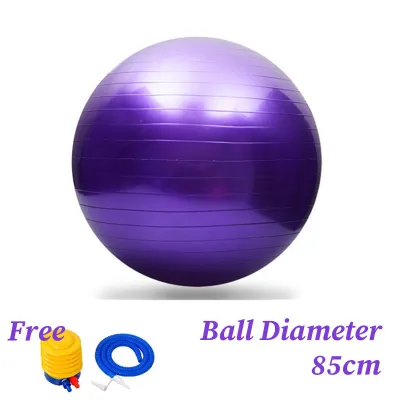
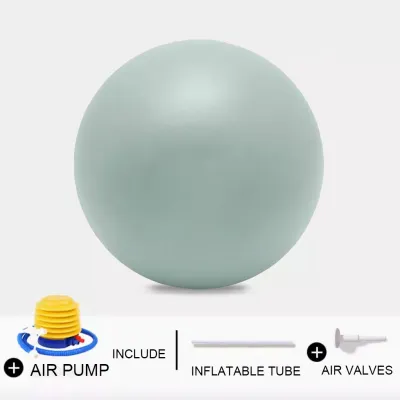
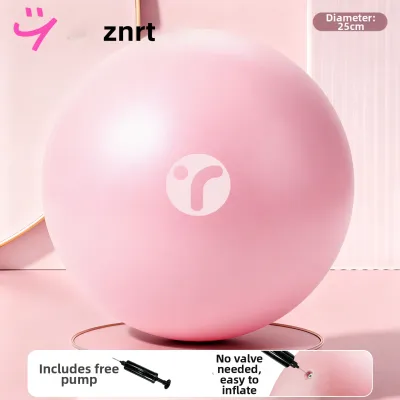
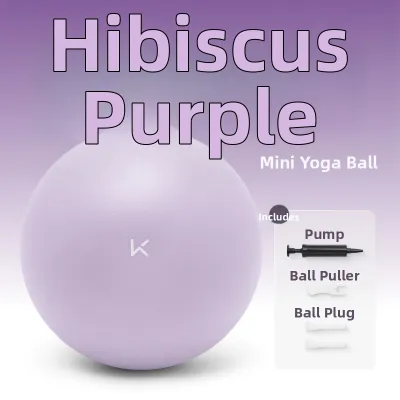
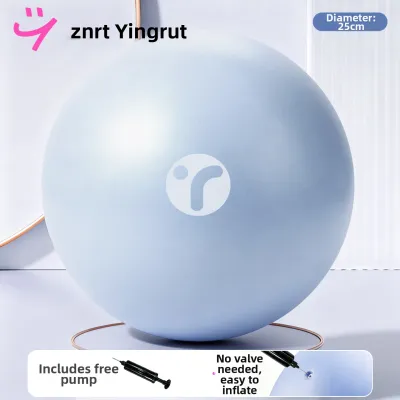
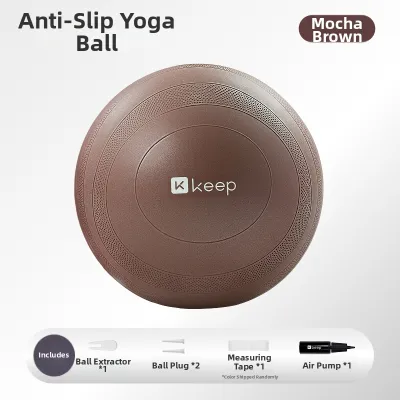
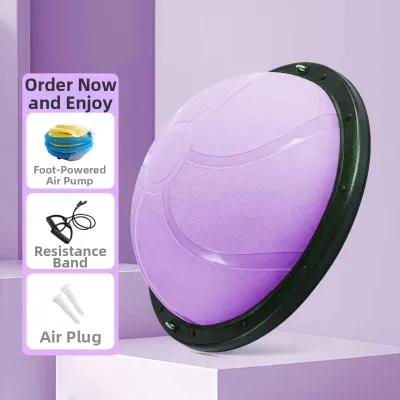
Prices are valid at publication and may change. Please refer to the product page for the latest price.
Inflation levels also play a major role in the final diameter and firmness of the ball. A slightly under-inflated ball will sit lower and offer more stability because it creates a larger contact patch with the floor, whereas a fully inflated ball remains firm and sits at its maximum designated height. Keep in mind that while color choices and included pump accessories are common product variations, they do not impact the core sizing or safety specifications of the ball. Focus your purchasing decision on the physical dimensions and structural ratings rather than aesthetic features.
Decoding Material Specs: Anti-Burst, Weight Capacity, and Grip
When shopping for a yoga ball for workout routines on an online marketplace or at a local sports store, you will encounter various technical terms on the packaging. Understanding these specifications is vital for your safety.

The term “anti-burst” is one of the most critical safety features to look for. Anti-burst or anti-slip materials are engineered to deflate slowly and safely if they are punctured by a sharp object during use, rather than popping explosively like a balloon. This slow deflation prevents sudden falls that could lead to injury. Always verify that the “anti-burst” label is explicitly stated on the product packaging or official specification sheet.
Another critical metric is weight capacity. You must check the manufacturer’s stated maximum weight limit, which typically ranges from 150 kg to over 500 kg depending on the model. This limit must cover your total body weight plus any external weights, such as dumbbells, that you plan to use during your workouts.
Surface texture and grip are equally important, especially in the tropical climate of the Philippines. High humidity and intense workouts can lead to significant sweating, making a smooth plastic surface highly unstable. Look for balls with matte finishes or raised textured ridges. These features improve grip against both your skin and the floor, reducing the risk of the ball slipping out from under you.
Finally, material thickness is a key factor in overall durability. Thicker PVC walls generally offer better resistance to punctures and stretching over time. However, do not assume a ball is thicker or more durable simply because it has a higher price tag. Always verify the specific thickness and durability claims via the product’s official specifications rather than assuming based on price. A high-quality ball might cost anywhere from ₱400 to ₱1,500, but the price alone does not guarantee a specific material thickness.
Tailoring Your Choice to Specific Workout Types
Your choice of size and material should directly align with how you plan to use the ball. Different activities place distinct structural demands on the equipment.
Yoga and Pilates
For yoga and Pilates, your primary focus is on stability, flexibility, and controlled movements. These routines require excellent surface grip and moderate firmness to prevent slipping during complex stretching and balance poses. If your hands or feet slip during a pose, it can disrupt your alignment and strain your muscles. For these low-impact, flexibility-focused routines, you might prefer a slightly softer inflation. A slightly under-inflated ball provides a more forgiving, comfortable surface during seated or lying spinal extensions, allowing you to focus on your breathing and form.
Core and Strength Training
If you plan to use the ball for dynamic core movements or weighted exercises, the physical demands increase significantly. It is absolutely necessary to use a ball with a high weight capacity and verified anti-burst material when incorporating dumbbells or performing dynamic core movements. A sudden pop while holding weights can cause severe joint or spinal injuries. For strength training, a firmer inflation level is recommended. A firm ball provides a highly responsive, challenging surface that forces your deep stabilizer muscles to engage continuously, but you must always strictly adhere to the manufacturer’s stated safety and weight limits.
Desk Chair Replacement
Using a yoga ball as a desk chair has become a popular ergonomic choice to encourage active sitting. For this setup, precise sizing is critical. The ball must align correctly with your desk height while allowing you to maintain the 90-degree posture rule. If the ball is too low, you will strain your shoulders to reach your keyboard; if it is too high, you will hunch over. Additionally, consider looking for balls with a sandbag base or built-in anti-roll rings if you are concerned about the ball rolling away when you stand up. Verify that these stabilizing features are explicitly stated by the manufacturer before purchasing.
Safe Inflation, Inspection, and Maintenance
Proper setup and routine maintenance are essential to keep your yoga ball safe and functional over its lifespan.
When inflating a new ball, follow a standard two-step process. First, inflate the ball to approximately 80% of its target size and let it rest for 24 hours. This resting period allows the PVC material to stretch and acclimate to the air pressure without tearing. After 24 hours, complete the inflation until the ball reaches its designated target diameter.
Before every workout session, perform a quick visual and physical inspection. Check the surface for deep scratches, visible stress along the seams, or tiny punctures. This routine check is your first line of defense against unexpected deflation.
Environmental factors also play a major role in material preservation, especially in warm, humid regions. Keep your yoga ball away from sharp objects, direct sunlight, and direct heat sources. Prolonged exposure to UV rays and high temperatures can degrade the PVC material, making it brittle and prone to cracking.
If you notice any signs of uneven bulging, warping, or if the ball fails to hold air consistently, stop using it immediately. Do not attempt to patch a damaged ball yourself; instead, consult the manufacturer’s guidelines or replace the ball to ensure your safety.
Frequently Asked Questions (FAQ)
How do I know if my yoga ball is inflated to the correct size?
To verify the inflation level, you can use the wall-mark method. Measure and mark your ball’s target height on a wall. Inflate the ball next to the wall until the top of the ball aligns with your mark. After inflating, perform a physical sit-test to ensure your hips and knees form a 90-degree angle. This physical check is the ultimate functional verification of correct sizing.
Is it safe to use a yoga ball during pregnancy?
Yes, yoga balls are commonly used for prenatal exercises and birthing preparation to help relieve pelvic pressure. However, you must consult a healthcare professional before starting any new exercise routine during pregnancy. When using a ball during this period, ensure it is a high-quality, verified anti-burst model, and avoid high-risk balance movements without professional guidance to prevent falls.
Community discussion
Share your experience or ask a question. Comments are reviewed before publication.