
Selecting the right badminton bag size is a crucial decision that directly impacts how well your rackets, court shoes, and accessories are protected and transported. While manufacturers like Yonex label their bags with specific racket capacities—such as 2-pack, 6-pack, or 9-pack—these numbers do not tell the whole story. In practice, a bag’s actual capacity depends heavily on how much non-racket gear you need to carry, such as bulky shuttlecock tubes, court shoes, and extra apparel.
For players in tropical climates like the Philippines, managing gear volume is even more complex. High humidity and intense heat mean you will likely carry extra towels, multiple changes of dry shirts, and spare grip tape to combat heavy sweating during long sessions. Consequently, understanding how these items consume space inside different bag tiers is essential to finding a model that fits your playing routine without being unnecessarily bulky.
Assess Your Current Badminton Gear Inventory
Before browsing different bag models, you must conduct a thorough audit of your current gear and anticipate your future needs. Start by counting your active rackets and the backups you plan to bring to the court. Most regular players carry at least two or three rackets to ensure they have an immediate replacement if a string snaps mid-match. If you only carry a single racket, your space requirements will be minimal, but leaving room for a second frame is a wise precaution.
Products mentioned in this guide
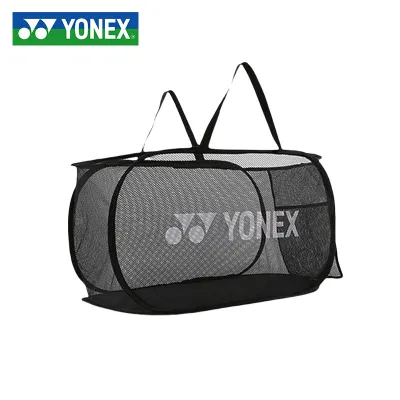
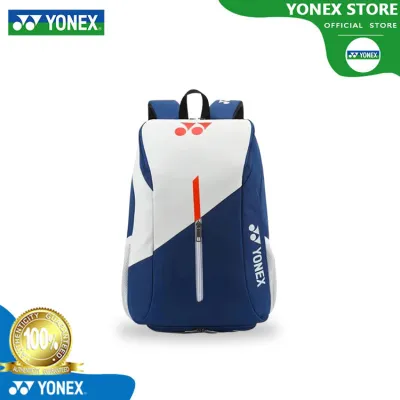
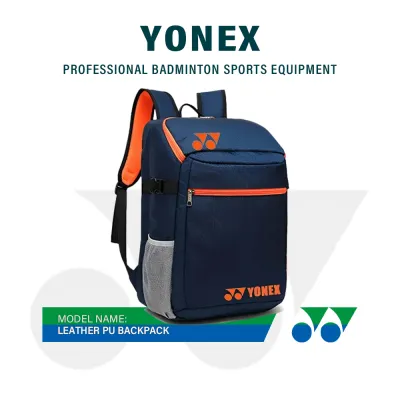
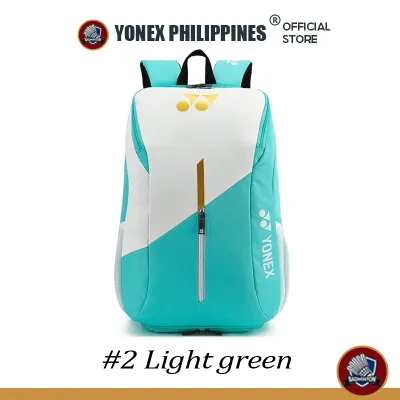
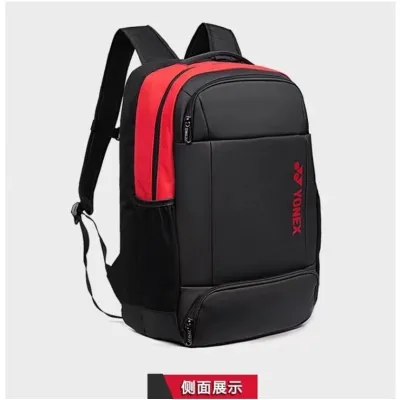
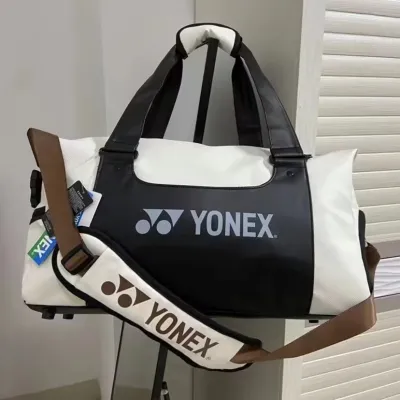
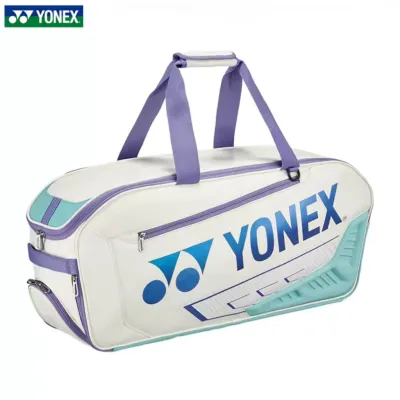
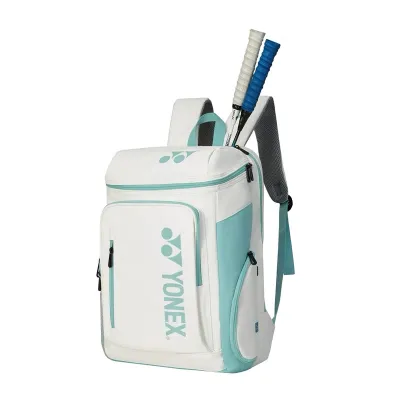
Prices are valid at publication and may change. Please refer to the product page for the latest price.
Next, list all the non-racket essentials that must fit inside the bag. A standard setup typically includes a pair of dedicated badminton court shoes, at least one tube of shuttlecocks, a water bottle, grip tape, and personal items like keys, a wallet, and a phone. If you play in warm indoor sports centers, you will also need to pack a large towel and a change of clothes. These soft goods can take up a surprising amount of physical volume, especially when they are damp after a strenuous game.
Your playing environment and frequency also dictate your storage needs. A casual weekend player who meets friends at a local subdivision court has very different requirements than a competitive club player or a coach who manages multiple training sessions a week. While a casual player can get by with a minimalist setup, those participating in tournaments or regular league play must account for extra gear like scissors, medical tape, cooling sprays, and multiple spare shirts.
Finally, consider your future gear acquisition plans. If you are actively improving your skills, you may soon invest in additional rackets or specialized training aids. Choosing a bag that only fits your exact current inventory can lead to frustration within a few months. Factoring in a buffer of one or two extra racket slots or an additional accessory pocket will save you from having to purchase a larger bag prematurely.
Understanding Yonex Bag Capacity Categories
Yonex categorizes its badminton bags into distinct size tiers, each designed to cater to specific storage needs and carrying preferences. The most compact tier consists of slim backpacks and single-compartment sling bags, often labeled as 2-pack or 3-pack options. These streamlined designs are built for minimalists who prioritize portability. They feature a single main compartment that snugly holds up to three rackets, along with a small external pocket for keys, phone, and extra grips. However, they rarely offer enough space for court shoes or bulky shuttlecock tubes.

The standard tier, typically represented by 6-pack or double-compartment bags, is the most popular choice among regular club players. These bags feature two large main compartments running the length of the bag. While the “6-pack” label suggests it can hold six rackets, this configuration assumes you are not carrying any other gear. In a realistic scenario, players use one compartment to safely store two to three rackets, and dedicate the second compartment to their shoes, a tube of shuttlecocks, a towel, and a change of clothes.
For players with extensive gear collections, the tournament tier—comprising 9-pack and 12-pack triple-compartment bags—offers maximum storage. These large bags feature three full-length compartments, allowing for meticulous organization. You can dedicate one compartment entirely to four or more rackets, use the second for clean apparel and accessories, and reserve the third for dirty gear, shoes, and shuttlecock tubes. This tier is ideal for competitive players who spend entire days at tournament venues and need to carry multiple outfits, food, and recovery gear.
When evaluating these categories, it is vital to verify the exact physical dimensions and compartment layouts on the product tag or the manufacturer’s official store listing before purchasing. Different product lines, such as the premium Pro Series, the mid-range Active Series, or the budget-friendly Team Series, may have slightly different shapes and pocket configurations despite sharing the same nominal racket capacity. Checking these specifications ensures the bag will fit your specific gear dimensions, especially if you use larger racket frames or carry oversized water bottles.
Matching Your Gear to the Right Bag Size
Selecting the right bag size requires balancing your physical gear inventory with your lifestyle, playing habits, and how you travel to the court. Casual players who play occasionally and do not require specialized court shoes can easily manage with a compact backpack or a simple single-compartment sling bag. These options provide basic protection against scratches and dust while remaining lightweight and easy to store at home.
For regular club players who play multiple times a week, a standard 6-pack bag is generally the most practical choice. This size allows you to keep your dedicated court shoes inside the bag, which is crucial for maintaining their specialized rubber grip and preventing outdoor dirt from ruining the indoor court surface. It also provides enough separated space to keep your clean clothes dry and away from your used, sweaty gear after a challenging session.
Competitive players, coaches, and those who travel frequently for matches will benefit most from the tournament-tier 9-pack or 12-pack bags. These models offer the heavy-duty protection and massive volume required to carry multiple high-end rackets, extensive stringing accessories, and bulk supplies of shuttlecocks. The extra space also ensures that your rackets are not tightly compressed against each other, reducing the risk of structural damage to the frames or delicate string beds during transit.
However, you must carefully evaluate the trade-offs between maximum capacity and daily portability. A fully loaded tournament bag can become exceptionally heavy and cumbersome to carry, particularly if your primary mode of transportation is a motorcycle, tricycle, or public transit. If you commute to the sports center, a high-capacity backpack with dedicated racket compartments might offer a more ergonomic and safer carrying experience than a massive rectangular tournament bag, even if it means leaving a few non-essential items at home.
Key Features to Check Beyond Racket Capacity
While racket capacity is the primary metric most players look at, several organizational and protective features dictate how functional a badminton bag is in daily use. One of the most critical features to look for is a thermal-lined compartment. High temperatures and humidity can cause racket frames to warp and strings to lose their tension rapidly. A thermal guard lining helps regulate the internal temperature of the racket compartment, shielding your valuable equipment from extreme tropical heat when commuting or leaving your bag in a vehicle.
Another essential feature is a dedicated, externally accessible shoe pocket. Storing dirty court shoes in the same compartment as your clean clothes or rackets is highly impractical. A separate shoe pocket, ideally located at the bottom or side of the bag and equipped with ventilation eyelets, keeps dirt, moisture, and odors isolated from the rest of your gear. This setup is particularly beneficial in humid climates, where damp shoes can quickly cause mold or unpleasant smells if not properly ventilated.
You should also pay close attention to the strap design and carrying options. Look for adjustable, heavily padded shoulder straps that distribute weight evenly across your back. Some advanced Yonex bags feature rotating buckle designs that adjust to your body’s natural movement, preventing the straps from slipping off your shoulders. Multiple grab handles at the top and ends of the bag also make it much easier to maneuver when loading it into a car trunk or pulling it out of a crowded locker.
Before making a final decision, cross-reference the product descriptions and user reviews on your preferred online marketplace. Real-world packing feedback from other players can provide valuable insights into how well the zippers hold up under tension, whether the compartments are as spacious as advertised, and how comfortable the bag is to carry when fully loaded with gear.
Frequently Asked Questions (FAQ)
Can I fit my badminton shoes in a compact Yonex bag?
Compact Yonex bags, such as slim backpacks or single-compartment sling bags, typically do not have a dedicated shoe compartment. Squeezing a pair of court shoes into these smaller bags alongside your rackets is generally not recommended, as the shoes will press tightly against the racket frames, potentially scratching the paint or damaging the delicate string bed. If you prefer the portability of a compact bag, it is best to check the manufacturer’s specification sheet for internal dimensions or carry your court shoes separately in a dedicated drawstring shoe bag.
Does a higher racket capacity mean the bag is too heavy when full?
Yes, fully loading a tournament-tier 9-pack or 12-pack bag with multiple rackets, court shoes, water bottles, and wet towels will add significant weight. To prevent shoulder strain and maintain comfortable portability, look for bags that feature ergonomic, padded backpack straps and chest buckles to distribute the load evenly. It is also wise to pack selectively for each session, carrying only the specific rackets, shuttlecocks, and accessories you actually need rather than transporting your entire gear inventory every time you play.
Community discussion
Share your experience or ask a question. Comments are reviewed before publication.